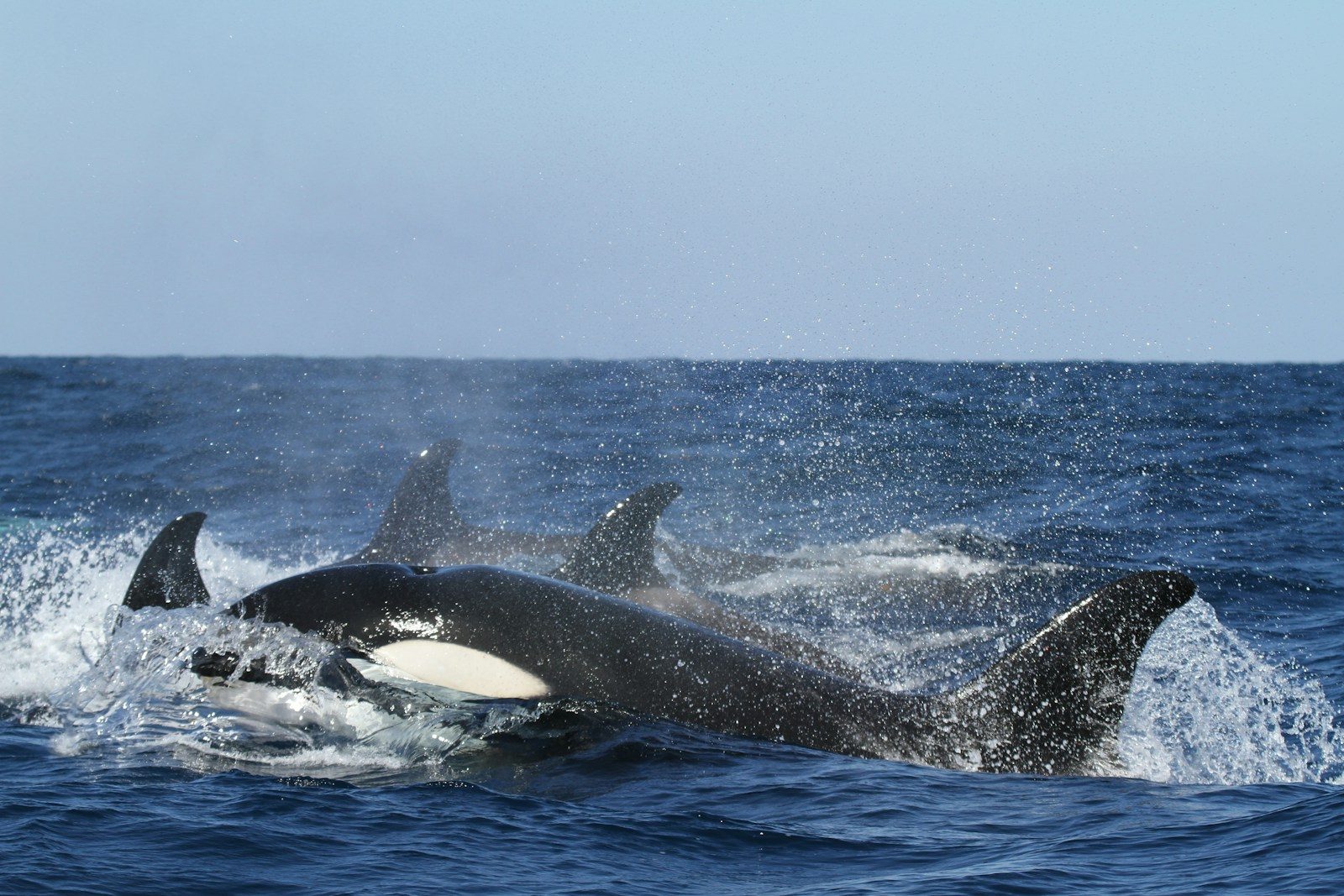
Orcas are often considered among the most charismatic animals in the ocean. Their intelligence, social bonds, and striking appearance have made them popular around the world. However, behind that familiar image is one of the most capable predators on Earth.
Found in oceans from the Arctic to tropical waters, orcas sit at the very top of the marine food chain. Their hunting skills, teamwork, and ability to learn new behaviors have fascinated scientists for decades. Recent reports of orcas damaging boats have only added to the growing interest in these remarkable animals and the complex behaviors they display.
Orcas live in oceans around the world
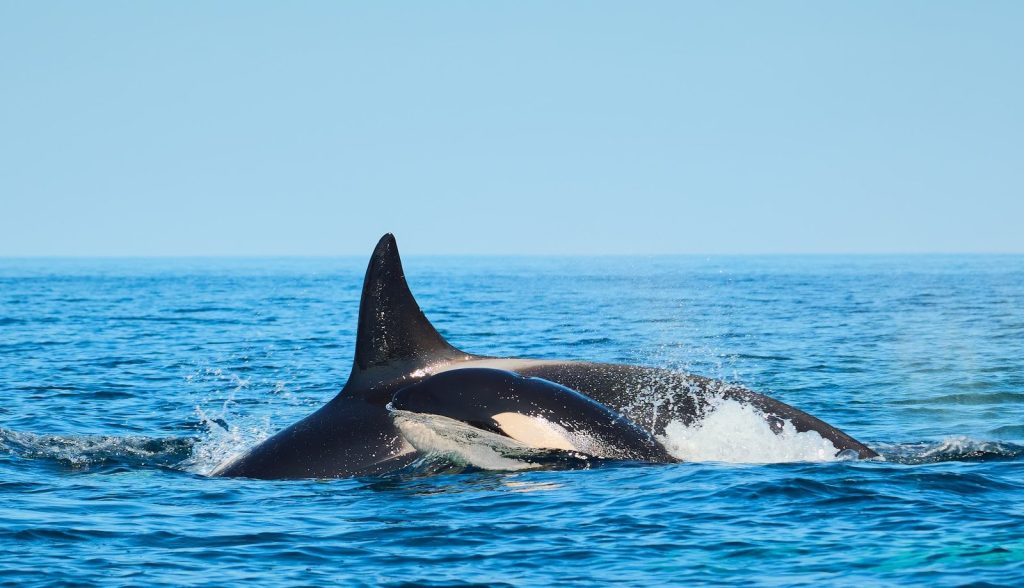
Orcas can be found in every major ocean on Earth. They thrive in environments ranging from icy polar waters to warmer tropical regions, making them one of the most adaptable marine mammals.
Their success comes from a combination of intelligence, strength, and social cooperation. Living in closely connected family groups allows them to share knowledge and work together while hunting and navigating their environment.
They are powerful hunters
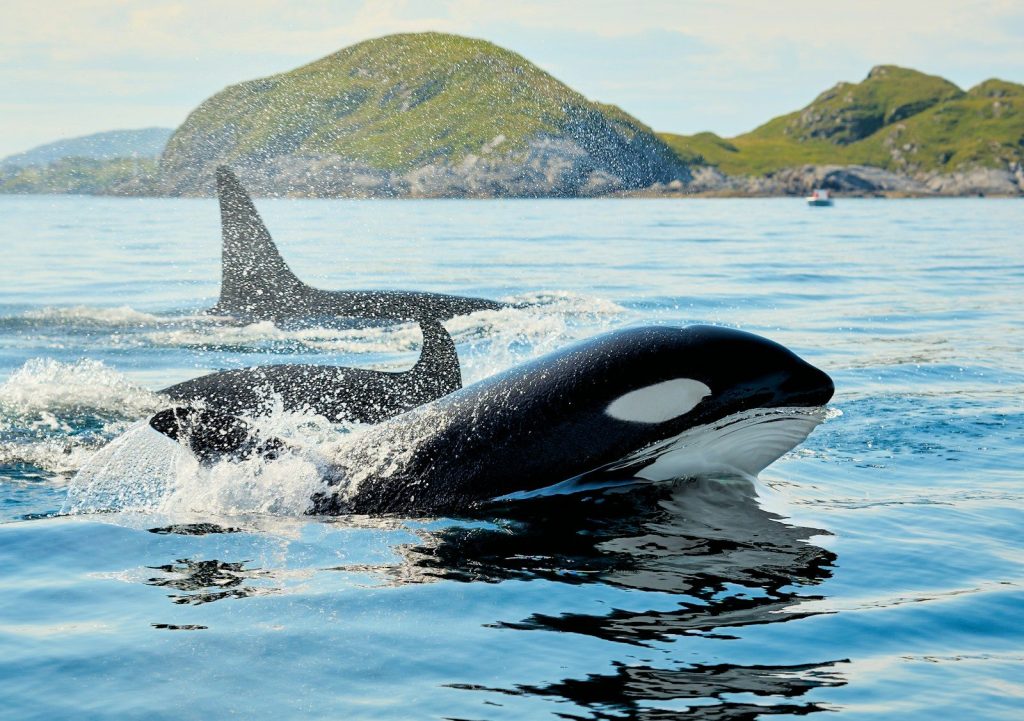
Orcas are apex predators, meaning they have very few natural threats. Their large size, speed, and coordination allow them to hunt a wide range of prey throughout the world’s oceans.
These animals are capable of taking on creatures much larger than themselves. Their hunting strategies often involve teamwork, communication, and carefully planned movements that increase their chances of success.
Hunting techniques vary by location
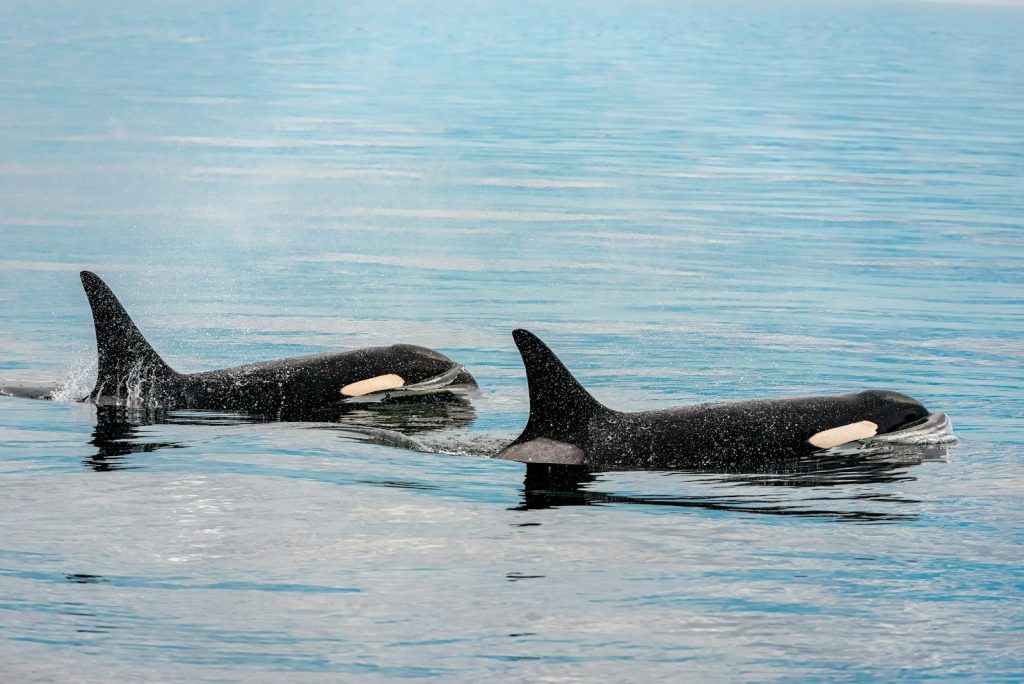
One of the most fascinating aspects of orca behavior is how different groups develop specialized hunting methods. These techniques are often passed down from one generation to the next.
Researchers have observed orcas using their tails to stun fish, create waves, and separate prey from groups. Such behaviors demonstrate not only physical power but also advanced problem-solving abilities.
Learning plays a major role
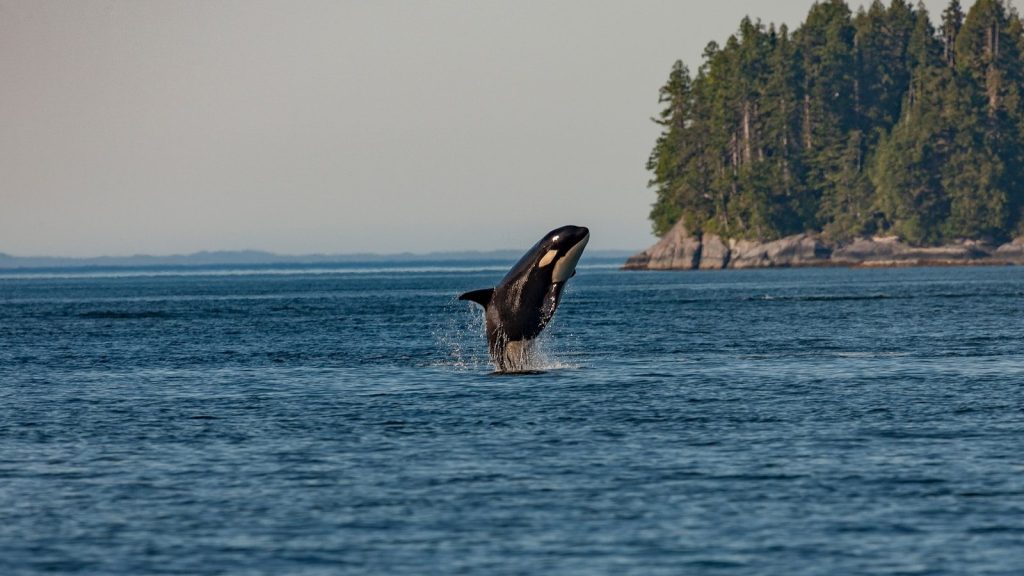
Orcas are highly social animals that learn from one another. Young whales spend years observing older family members and practicing important survival skills.
Scientists believe this cultural learning helps explain why different orca populations display unique behaviors. Knowledge can spread through pods, allowing successful techniques to be shared across generations.
Boat interactions have drawn attention

In recent years, some orcas near the Iberian Peninsula have repeatedly interacted with boats. Researchers have documented hundreds of encounters involving damaged rudders and, in some cases, sunken vessels.
Scientists continue to study these interactions because the exact motivation remains unclear. Proposed explanations include curiosity, play, learned behavior, reactions to vessel activity, and other environmental factors.
Why researchers remain fascinated
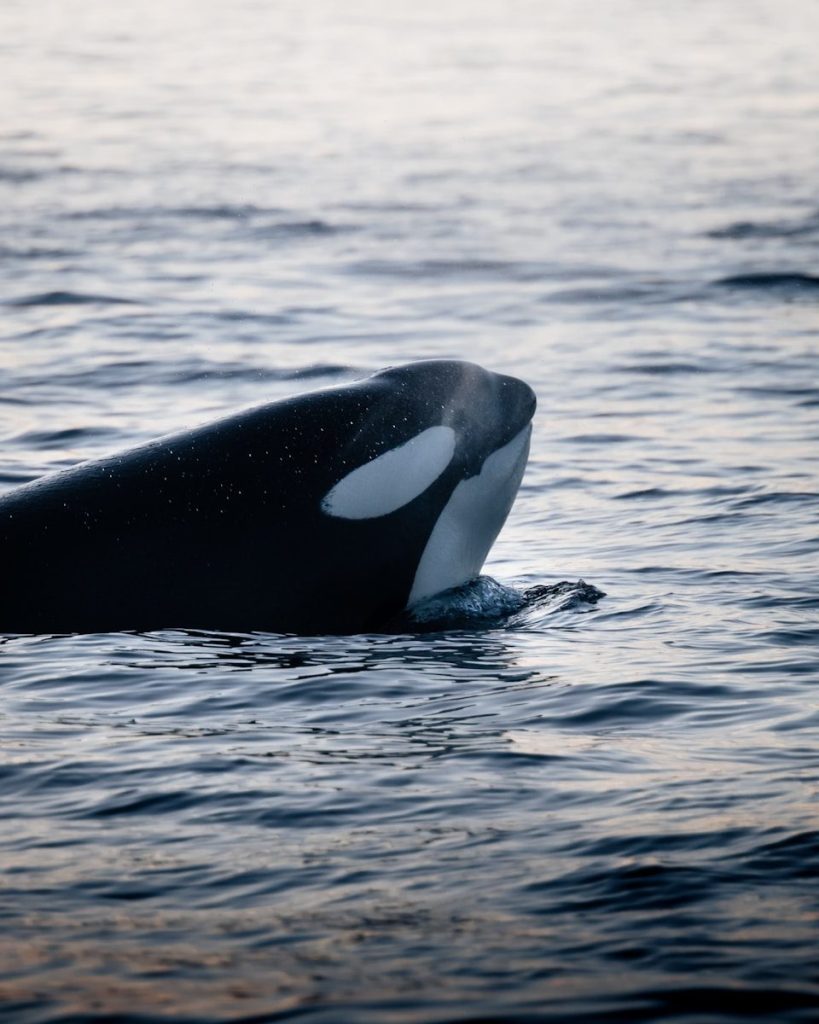
Orcas continue to surprise scientists because of their intelligence and adaptability. New behaviors can emerge and spread through populations, revealing just how flexible these animals can be.
Their ability to learn, communicate, cooperate, and solve problems places them among the most remarkable predators in the natural world. As researchers gather more information, our understanding of these complex marine mammals continues to grow.
Leave a Reply