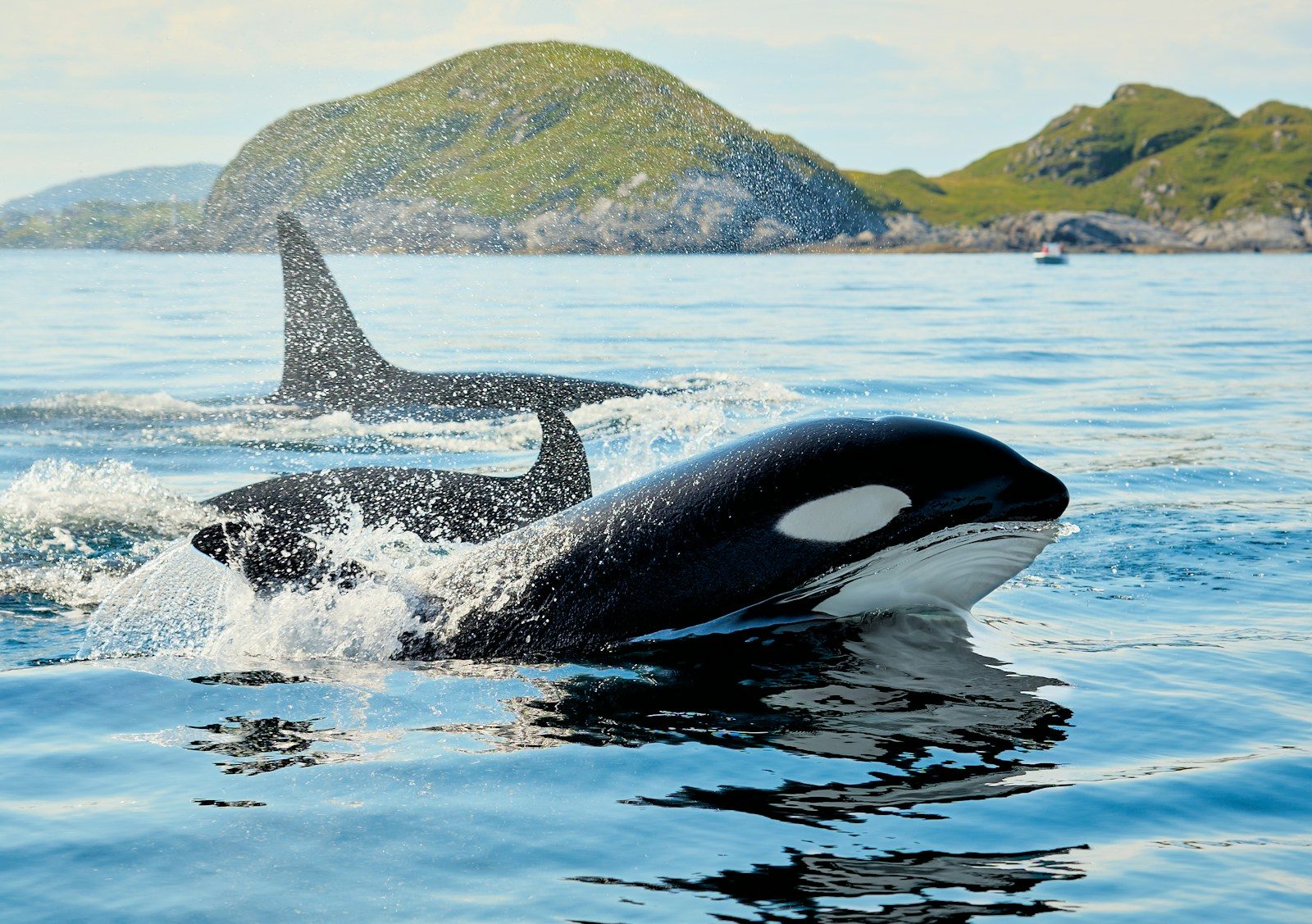
Have you ever wondered why one of the ocean’s most powerful predators almost never attacks people? It sounds strange at first. After all, killer whales are strong enough to hunt sharks, seals, and even large whales. Yet humans are rarely targets for killer whales, and there has never been a confirmed case of a wild orca killing a person.
Scientists have studied this mystery for years and believe the answer comes down to a mix of biology, intelligence, culture, and behavior. Understanding why these animals leave us alone reveals just how unusual and fascinating killer whales really are.
Killer whales are powerful but picky hunters
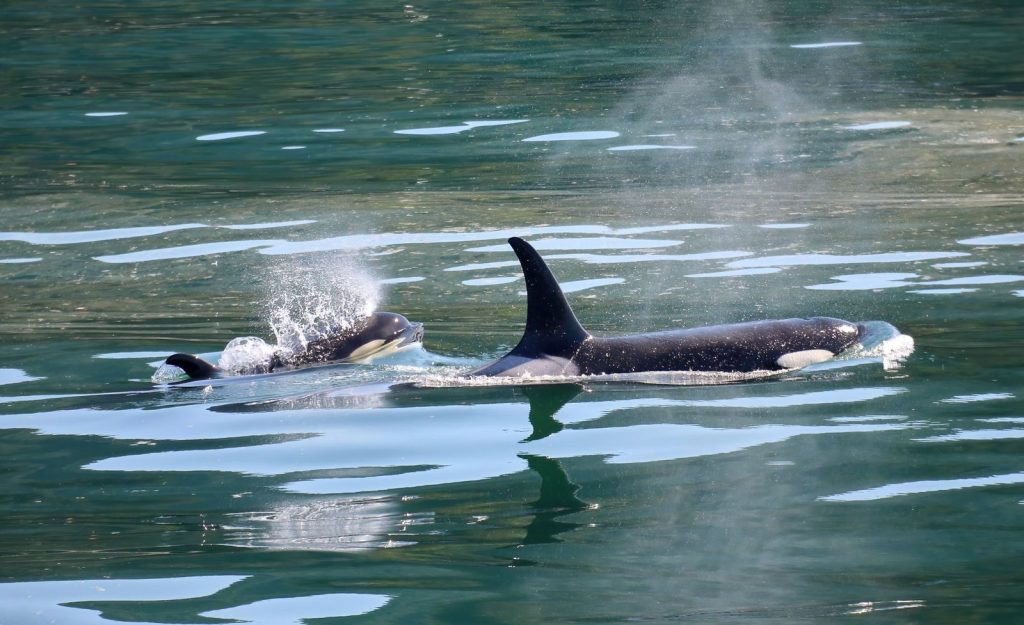
Killer whales, also called orcas, are apex predators. That means they sit at the very top of the food chain. They can grow over 30 feet long, weigh several tons, and work together in groups to hunt prey much larger than themselves. Orcas eat many different animals, including fish, squid, seals, sea lions, sharks, dolphins, and even whales. Some populations specialize in just one type of food and rarely eat anything else.
This specialized diet is one of the biggest reasons humans are rarely targets for killer whales. Orcas do not hunt randomly. They have favorite foods and highly developed hunting methods designed for those foods. Fish-eating orcas chase salmon with incredible speed and precision, while mammal-eating orcas use teamwork to catch seals and dolphins. Humans simply do not fit into any of these hunting patterns. To an orca, a swimmer is not recognized as normal prey, and there is little evidence that wild orcas have ever tried to make humans part of their diet.
Orcas learn what to eat from their families
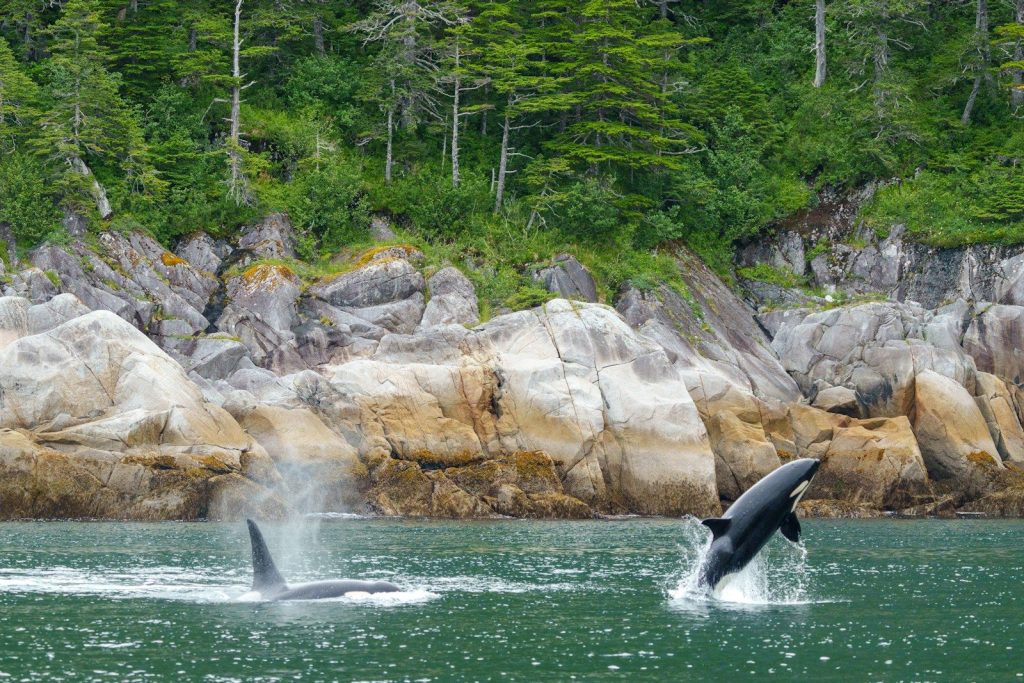
One of the most remarkable things about killer whales is that they pass knowledge from one generation to the next. Young orcas do not automatically know how to hunt. Instead, they learn from their mothers and other family members. Scientists often describe this as culture because different groups of orcas have different traditions, hunting styles, and even ways of communicating.
This cultural learning may explain why humans are rarely targets for killer whales. If a pod has never hunted people, the younger whales will not see humans as food either. In fact, studies show that some orca groups are so strict about their diets that they ignore perfectly edible animals simply because they are not part of the pod’s tradition. Fish-eating orcas have been observed swimming alongside seals without attacking them because seals are not on the menu for their family group. This strong cultural behavior has likely helped keep humans off the list of prey for millions of years.
Humans are not worth the risk

Wild animals constantly make choices about energy and danger. Even powerful predators prefer prey they know how to catch and eat safely. Hunting an unfamiliar animal carries risks. The prey could fight back, carry disease, or simply not provide enough food to make the effort worthwhile.
Humans are not an ideal meal for a killer whale. Compared to seals and whales, we are small and skinny. We also spend very little time in the ocean, which means orcas have had limited opportunities to view humans as a food source. Over thousands of years, humans have also become associated with boats, noise, fishing gear, and weapons. Orcas are extremely intelligent and observant animals. They may recognize that humans are unusual creatures and choose to avoid unnecessary risks. Even if an orca could easily overpower a person, there is little reason for it to try.
Their intelligence may make them more careful
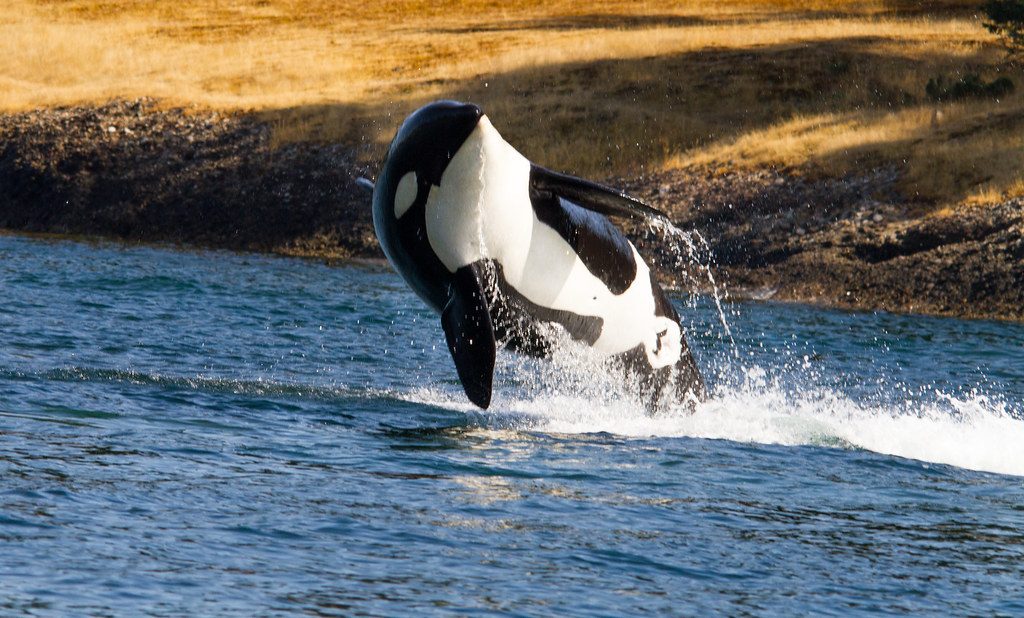
Killer whales are among the smartest animals on Earth. Their brains are enormous, and they show signs of advanced thinking, problem-solving, and emotional intelligence. They cooperate during hunts, care for sick family members, and teach their young important life skills. Scientists have even observed orcas creating traditions that spread through populations, much like cultural trends in humans.
This intelligence may help explain why humans are rarely targets for killer whales. Orcas appear to be curious rather than aggressive toward people. Many encounters between humans and wild orcas involve whales approaching boats, swimming nearby, or inspecting divers without causing harm. Some researchers believe orcas can tell that humans are different from their usual prey and intentionally avoid attacking us. While scientists cannot know exactly what an orca is thinking, their behavior suggests they are capable of making careful choices instead of acting only on instinct.
Wild attacks are extremely rare
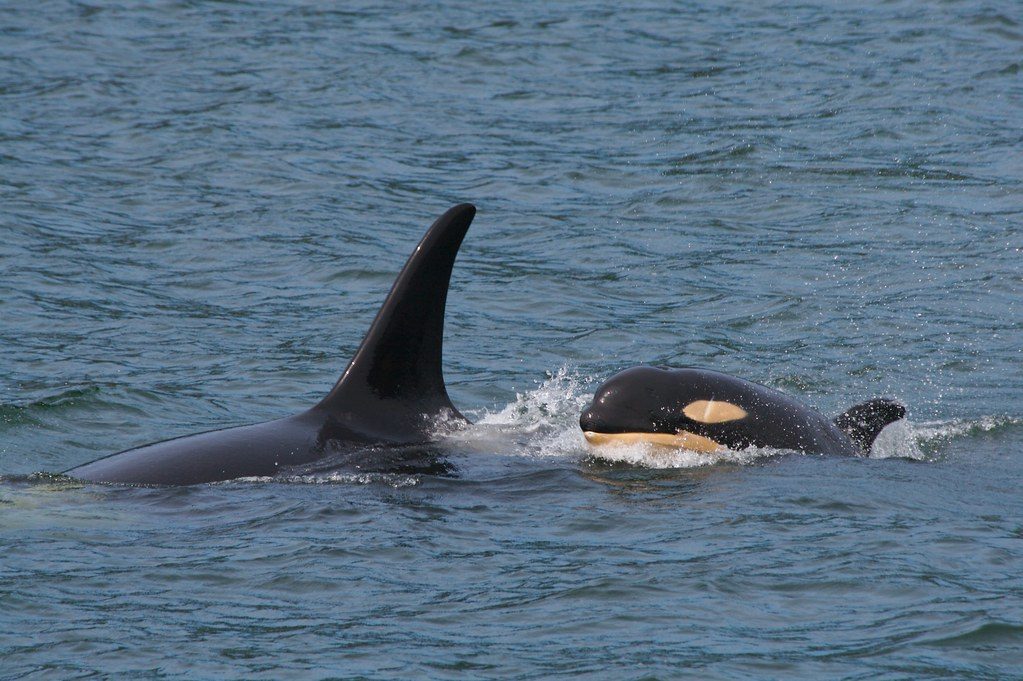
The reputation of the killer whale can be misleading. The name itself makes the animal sound dangerous to people, but the facts tell a different story. Despite millions of human interactions with the ocean, there has never been a confirmed fatal attack by a wild killer whale. There is only one well-known case from 1972 in which an orca bit a surfer off the coast of California. The whale quickly let go, and experts believe it may have mistaken the surfer for a seal before realizing its error.
Captive orcas tell a different story. Several serious injuries and deaths have occurred in marine parks and aquariums. However, scientists caution against comparing captive and wild behavior. Captive orcas live in small tanks, often far from their natural families and social groups. They experience stress and frustration that wild whales do not face in the same way. In the open ocean, orcas have shown remarkable restraint around humans. Even recent incidents in which some Iberian orcas damaged boat rudders did not involve attacks on people. Researchers emphasize that the whales targeted the boats rather than the humans onboard.
Curiosity may be stronger than aggression
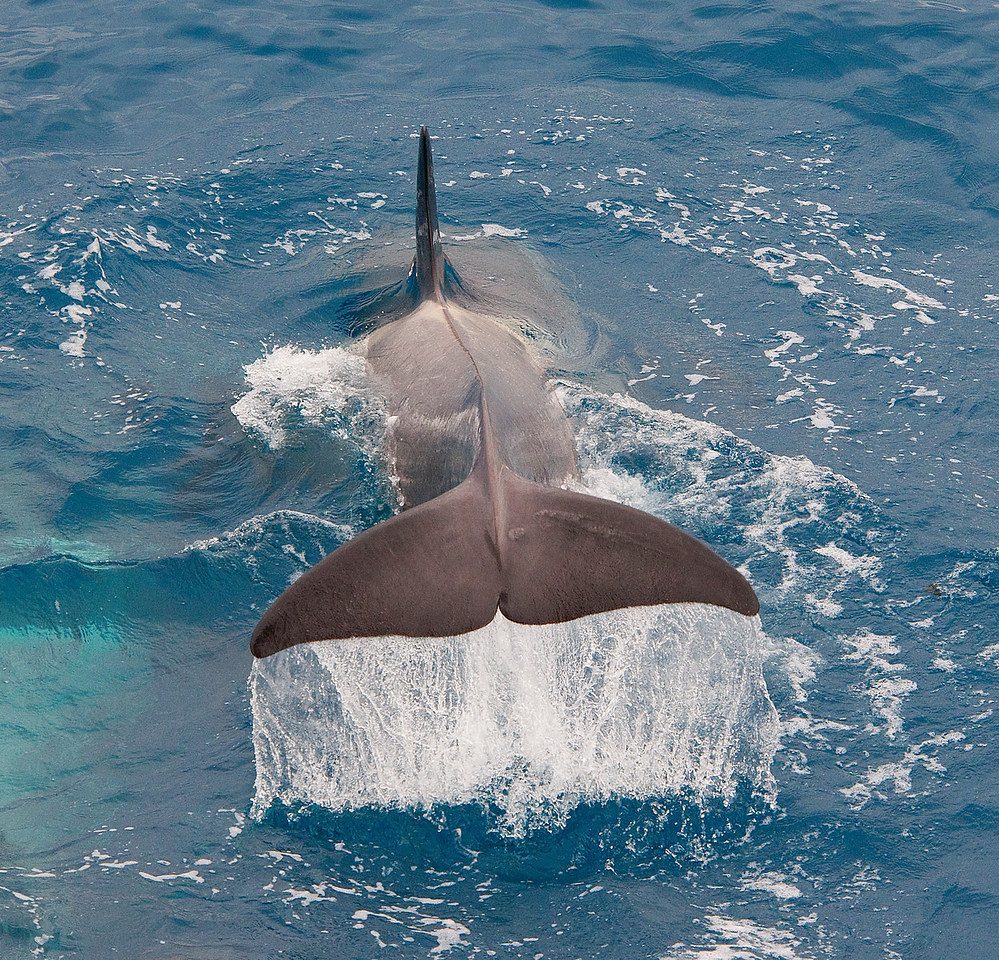
Many stories from divers, sailors, and researchers describe wild orcas acting more curious than threatening. Orcas have been seen swimming close to kayaks, circling boats, and watching people underwater. In some cases, they appear playful. Scientists have also recorded instances of wild orcas bringing prey items to humans, almost as if they were sharing food or investigating our reactions.
This curiosity does not mean people should treat killer whales like pets. They are still massive predators capable of causing harm. However, their behavior suggests they do not view humans as enemies or prey. Instead, they often seem interested in us while maintaining a peaceful distance. This combination of intelligence, curiosity, and social learning may be the fascinating reason humans are rarely targets for killer whales. The ocean’s top predator has the power to hunt us, yet time and again, it chooses not to.
Leave a Reply