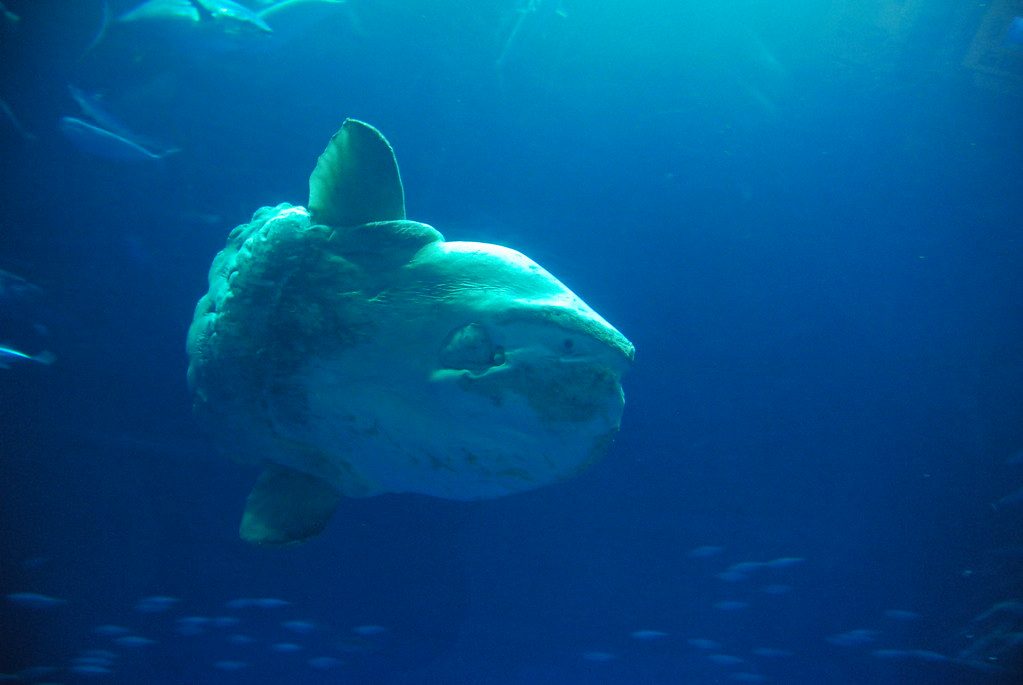
Imagine being a fish that carries dozens of parasites, gets bitten by predators, and still keeps swimming through the world’s oceans. That is the reality of the ocean sunfish. Known for its unusual shape and massive size, the ocean sunfish is one of the largest bony fish on Earth.
This remarkable species has puzzled scientists for years. From its strange body design to its incredible growth rate, the ocean sunfish continues to reveal new surprises. In this article, you’ll learn about its appearance, habitat, feeding habits, life cycle, survival strategies, and the challenges it faces in the modern ocean.
The ocean sunfish has a body unlike any other fish
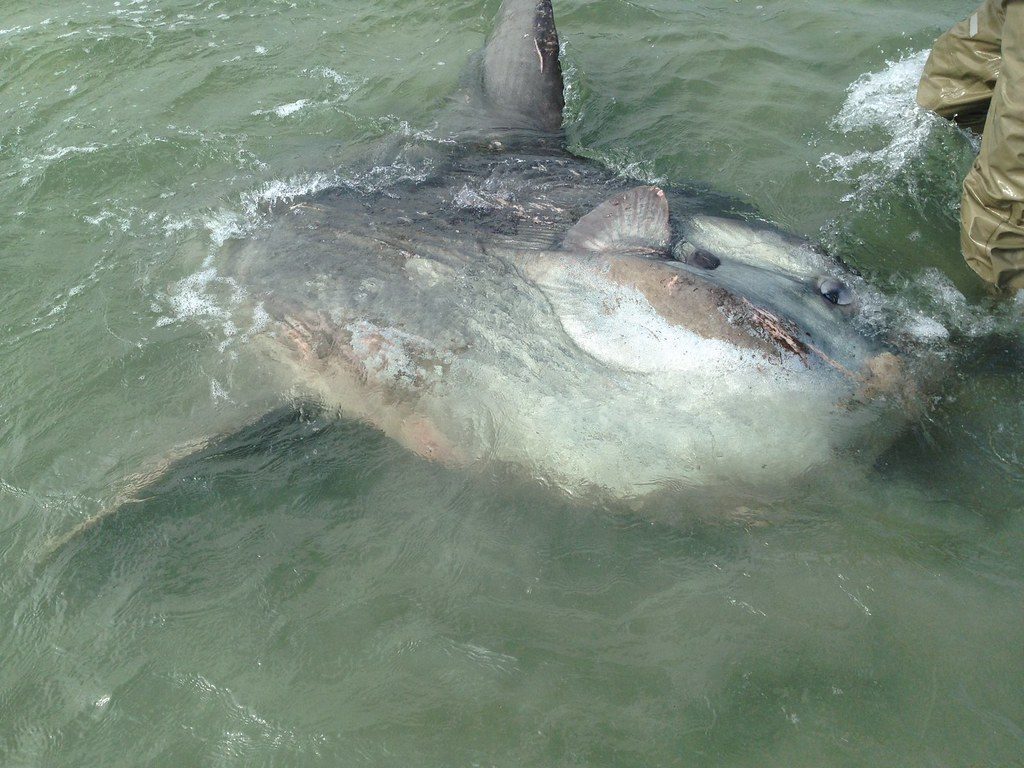
The ocean sunfish, also called the common mola, is one of the largest bony fish in the world. Adults typically weigh between 247 and 1,000 kilograms, while some exceptional individuals can grow much larger. Its body resembles a giant fish head because it lacks a true tail. Instead, it has a rounded structure called a clavus.
Its body is flattened from side to side, and its dorsal and anal fins can make it nearly as tall as it is long. Some individuals have reached heights of more than 3 meters. Unlike most fish, much of its skeleton is made of lighter cartilaginous tissue, helping it achieve its enormous size.
Its unusual features help it survive in the ocean

The ocean sunfish swims differently from most fish. Rather than using a tail for propulsion, it moves by waving its dorsal and anal fins in a steady sculling motion. The clavus acts mainly as a rudder, helping the fish steer through the water.
Its thick skin provides another important defense. The skin can be several centimeters thick and is covered with mucus rather than scales. The fish can also change its skin color from lighter shades to darker ones, especially when threatened. These features help protect it from injuries and may improve its chances of avoiding danger.
Parasites are a constant challenge

One of the most surprising facts about the ocean sunfish is the number of parasites it carries. More than 40 species of parasites can live on or inside a single fish. This constant burden has led the species to develop several ways to remove unwanted passengers.
In temperate waters, cleaner fish help remove parasites from the sunfish’s skin. In tropical regions, reef fish perform the same service. Sunfish also float on their sides near the surface, allowing seabirds to pick off parasites. Some individuals even leap out of the water, possibly to shake loose stubborn parasites attached to their bodies.
Ocean sunfish travel across vast areas
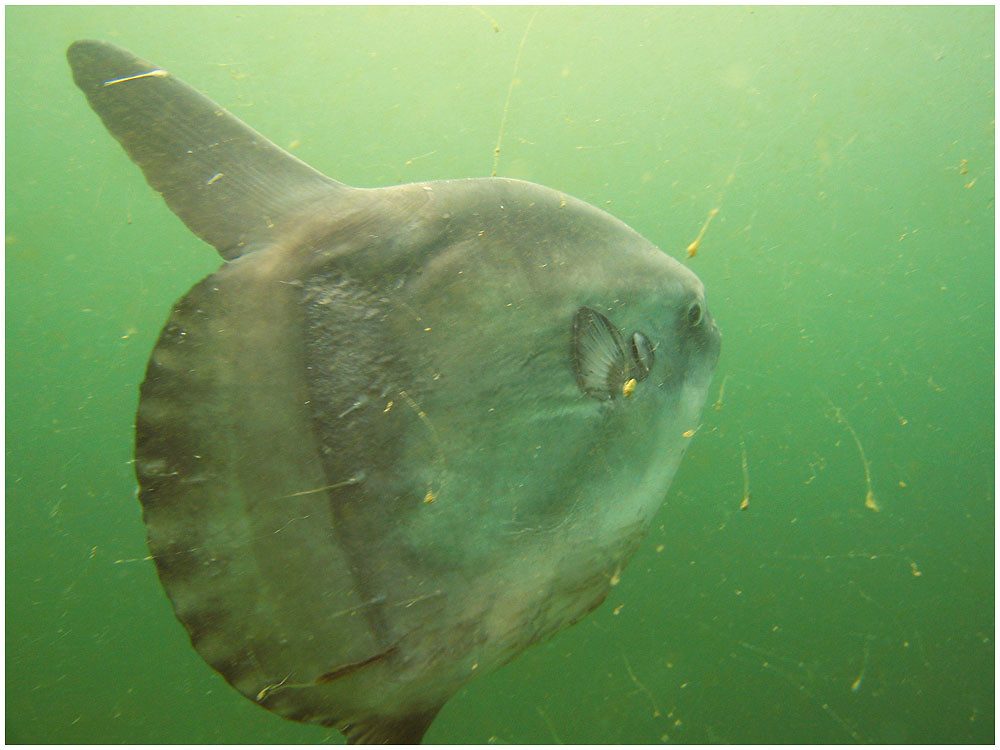
Ocean sunfish live in tropical and temperate waters around the world. Although they are often seen resting at the surface, scientists have discovered that they spend much of their lives actively moving through the water column in search of food.
Research has shown that these fish can travel long distances and dive to depths greater than 200 meters. They are usually found in water warmer than 10 degrees Celsius. Scientists believe that their famous basking behavior at the surface may help them warm up after spending time in colder, deeper water while feeding.
Their diet is more varied than scientists expected

For many years, researchers believed that ocean sunfish mainly ate jellyfish. More recent studies have revealed a very different picture. The species is actually a generalist predator that consumes a wide range of prey.
Its diet includes small fish, fish larvae, squid, mollusks, crustaceans, and other soft-bodied animals. Jellyfish and salps make up only a portion of what it eats. This varied diet allows the ocean sunfish to feed at different depths, from surface waters down toward the seafloor in some regions.
Rapid growth and human threats shape its future
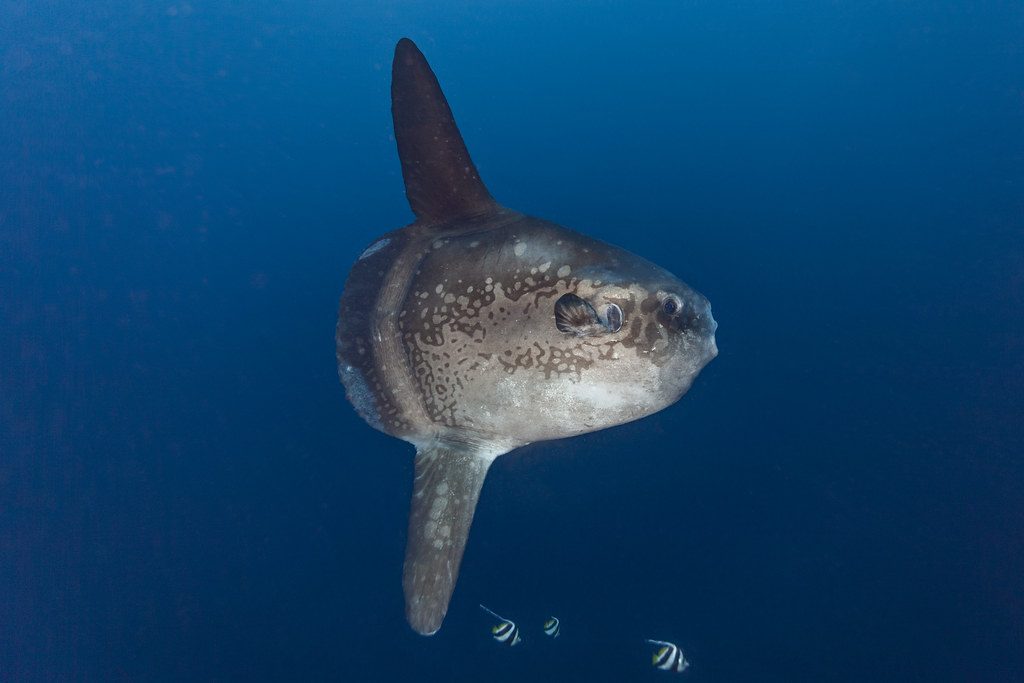
Ocean sunfish begin life as tiny larvae measuring only a few millimeters long. Young sunfish look very different from adults and resemble small pufferfish covered with spines. As they grow, these spines disappear, and their bodies take on their familiar shape. The species undergoes one of the most dramatic growth transformations among vertebrates.
Despite their impressive size, ocean sunfish face growing challenges. The species is listed as vulnerable, with populations declining. One of the biggest threats comes from accidental capture in fishing gear. Plastic pollution also creates problems because floating bags can resemble prey items. In addition, some fisheries remove the fish’s fins, leaving it unable to swim properly and ultimately leading to death.
Leave a Reply