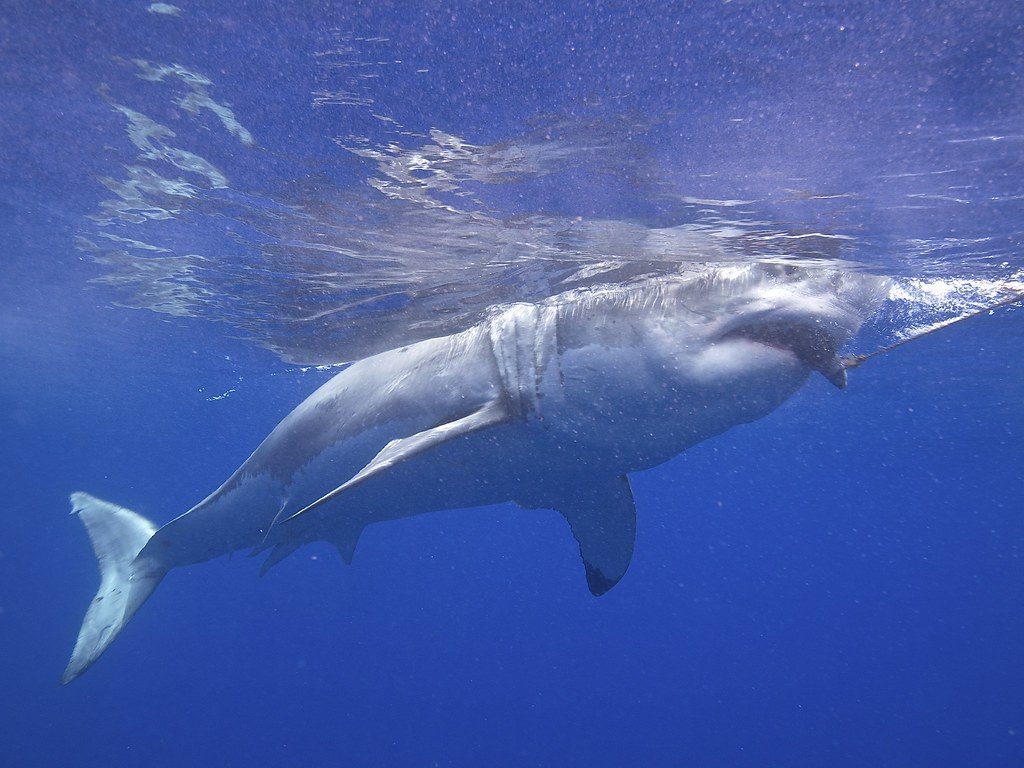
Few animals inspire as much fear and fascination as the great white shark. Known for its massive size, powerful bite, and role in movies like Jaws, this predator has earned a reputation as one of the ocean’s most dangerous hunters. Yet the real story of the great white shark is far more interesting than many people realize.
The great white shark is the largest predatory fish in the world and plays a vital role in maintaining healthy marine ecosystems. From its incredible speed and hunting skills to its surprising lifespan and conservation challenges, this remarkable animal continues to capture the attention of scientists and ocean lovers alike. Here’s a closer look at one of the sea’s most iconic predators.
Great white sharks are built for hunting
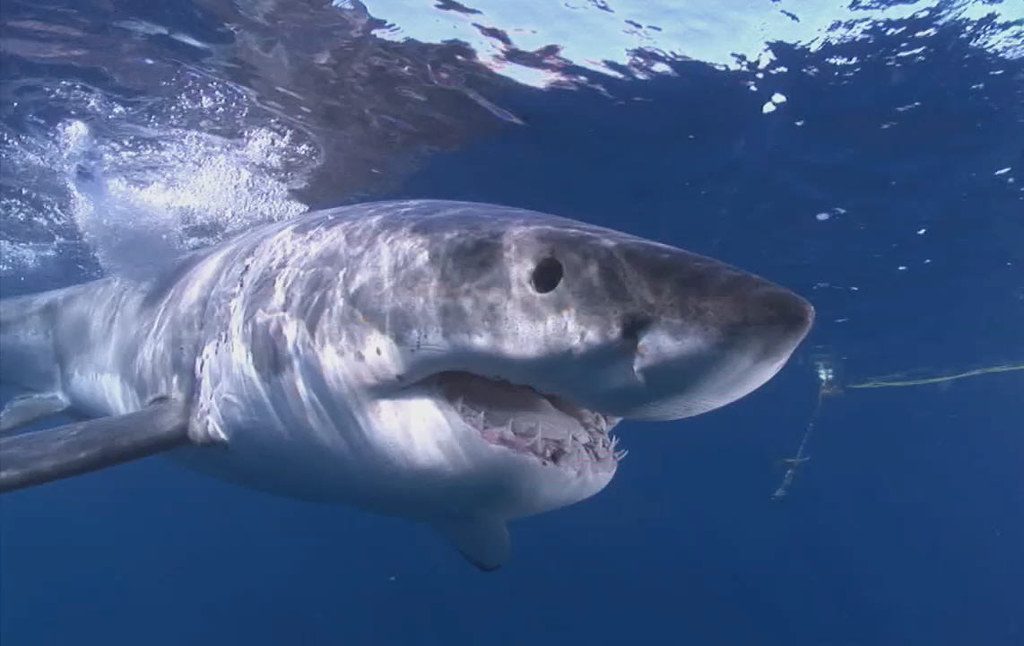
The great white shark has a streamlined body designed for speed and power. Its upper body is usually gray or brown, while its underside is white. This color pattern helps it blend into its surroundings. From above, the darker color matches the ocean depths, while the white belly blends with sunlight shining through the water.
Scientists have also discovered pigment-producing cells in the shark’s skin that may help it adjust its coloration. Combined with its torpedo-shaped body, sharp triangular teeth, and powerful tail, these features make the great white an effective ambush predator that can approach prey without being easily detected.
These sharks can grow to enormous sizes
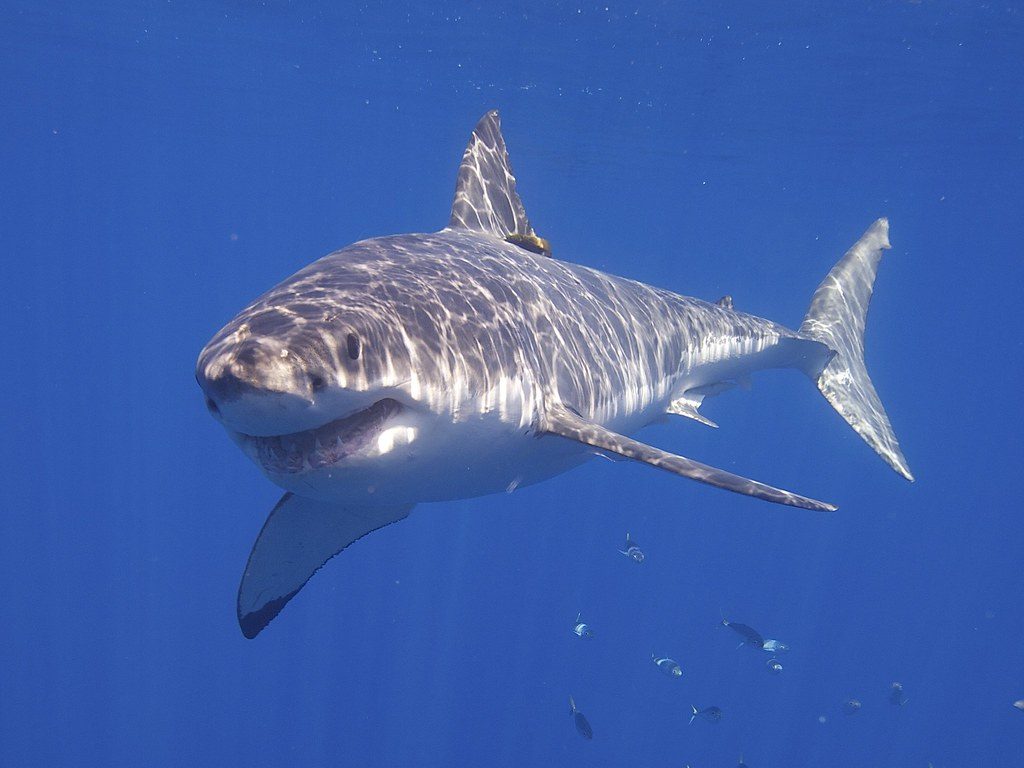
Great white sharks are among the largest predatory fish ever recorded. Adults can reach lengths of up to 6.4 meters and weigh up to 2,041 kilograms. Their size alone makes them one of the most impressive animals in the ocean.
Despite their massive bodies, they are surprisingly agile swimmers. Great whites can cruise long distances and then suddenly burst into high-speed pursuit when hunting prey. They can reach speeds of about 50 kilometers per hour and are famous for breaching, launching themselves completely out of the water to attack prey near the surface.
They have powerful senses and deadly teeth
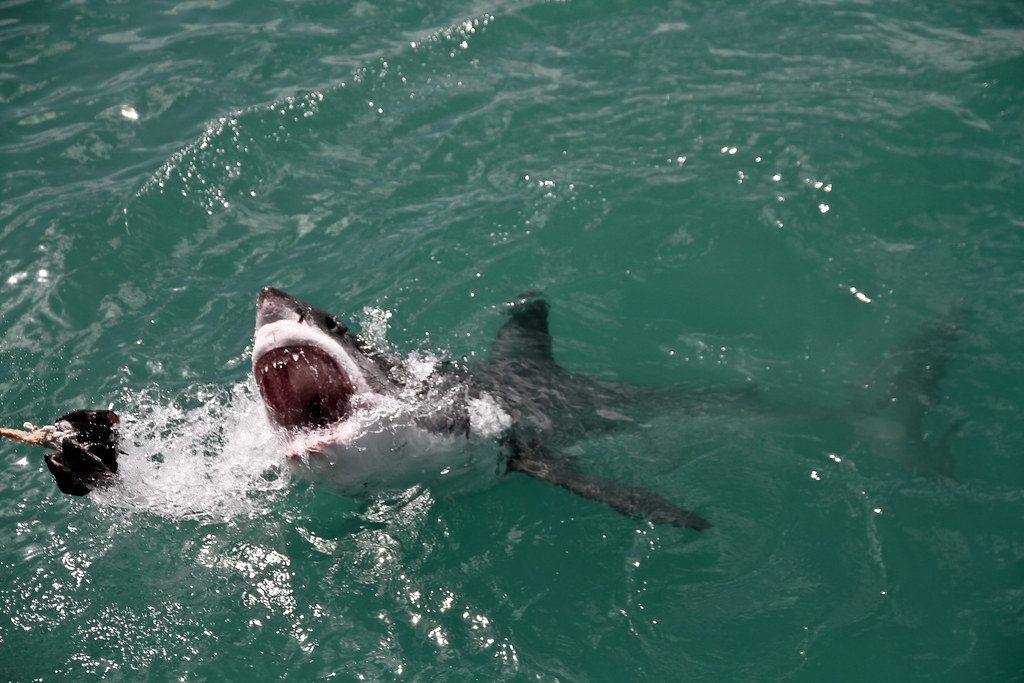
A great white shark’s mouth contains around 300 teeth arranged in multiple rows. These razor-sharp teeth are constantly replaced throughout the shark’s life. Instead of chewing food, the shark tears prey into smaller pieces and swallows them whole.
Their senses are equally impressive. Great whites can detect prey from long distances and have an exceptional sense of smell. Researchers report that they can detect a seal colony from several kilometers away and even identify tiny traces of blood in seawater. These abilities help them locate food across vast stretches of ocean.
Their diet changes as they grow
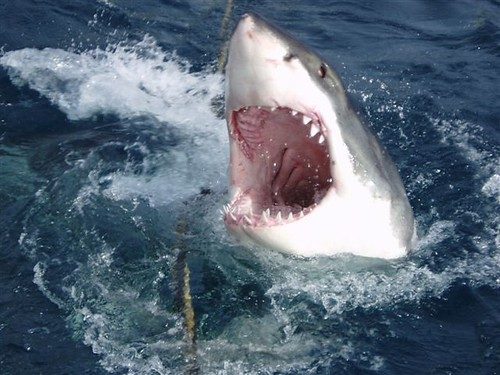
Young great white sharks mainly feed on fish and rays. As they mature and grow larger, their diet expands to include marine mammals such as seals, sea lions, and dolphins, as well as some whale species. They also consume turtles, seabirds, squid, crustaceans, and carrion.
Great whites often patrol coastlines where prey is abundant. They are known for ambush attacks from below, using speed and surprise to catch seals near the surface. Their powerful bite can quickly disable prey, making them one of the ocean’s top predators.
The truth about sharks and humans
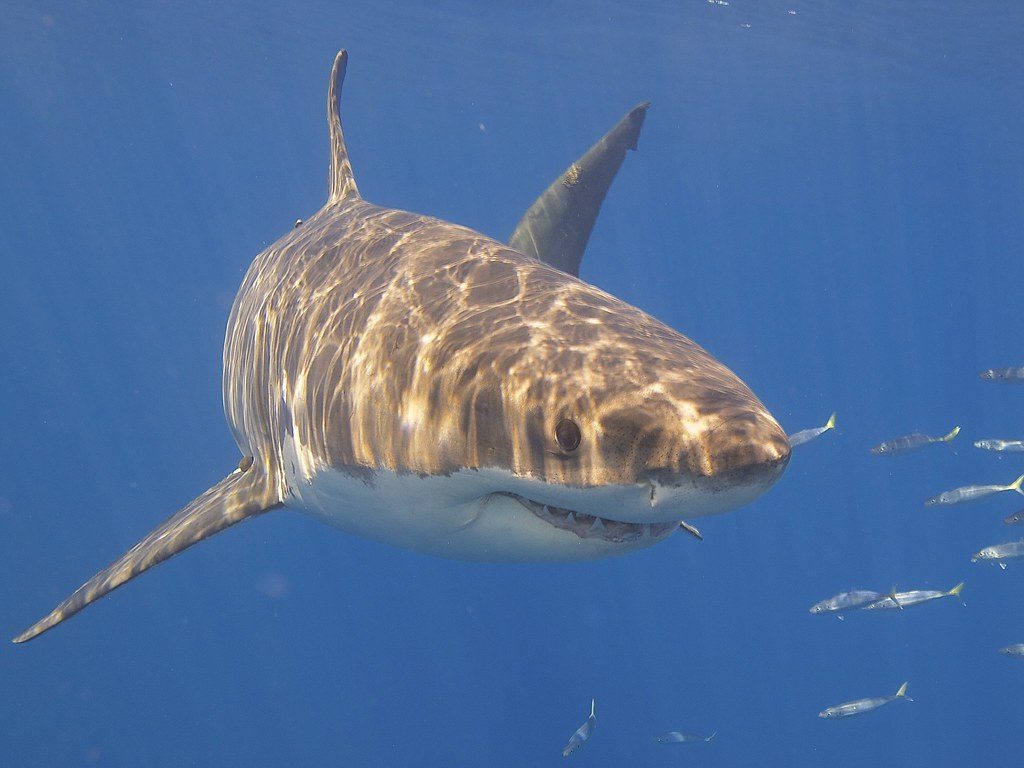
Movies and popular culture have often portrayed great white sharks as ruthless man-eaters. However, scientists say this image does not match reality. Most interactions between sharks and humans are rare, and many unprovoked bites are believed to be “test bites” in which a shark mistakes a person for its normal prey.
Millions of people enter the ocean every year, yet fatal shark attacks remain extremely uncommon. Researchers emphasize that humans are not a preferred food source for great white sharks. In most cases, sharks break off contact after an initial bite once they realize the target is not typical prey.
Great whites face challenges despite being apex predators
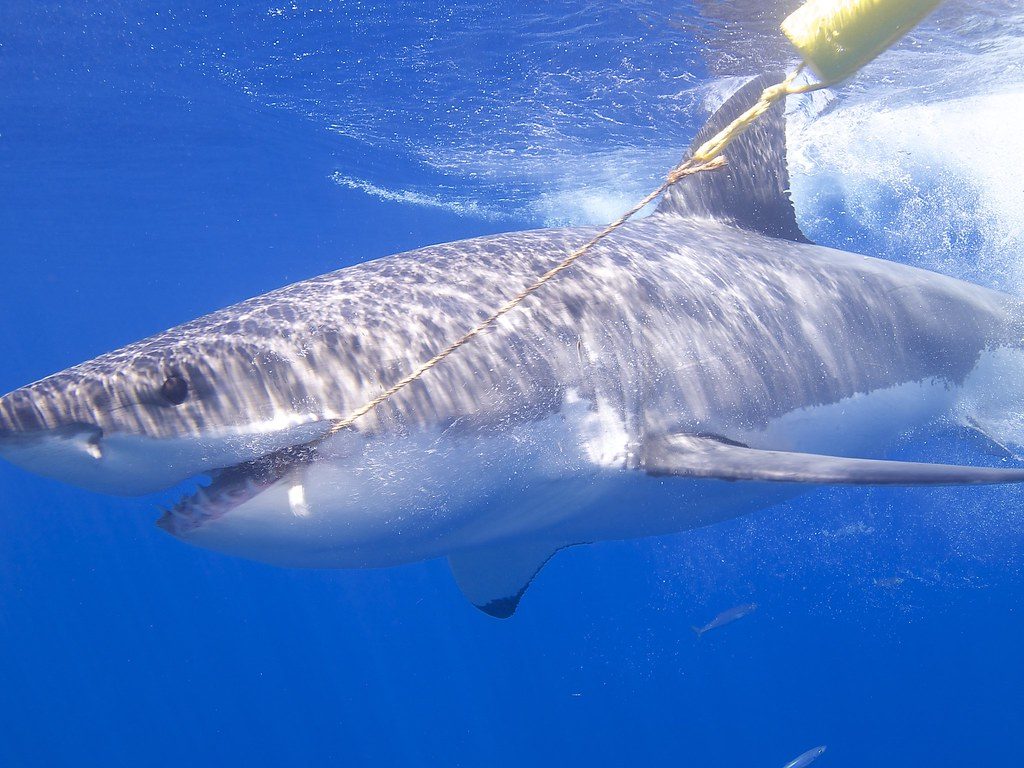
Great white sharks sit near the top of the marine food chain, but they are not invincible. Pods of killer whales have been observed hunting great whites, and researchers documented an individual killer whale killing a juvenile great white shark in 2024.
Humans pose a much larger threat. The species is listed as Vulnerable, and populations are believed to be declining. Many sharks are accidentally caught as bycatch in fishing operations, while others are affected by trade in shark products. International agreements now provide protections, but scientists continue to call for stronger conservation efforts to help populations recover.
Scientists are still learning about their lives
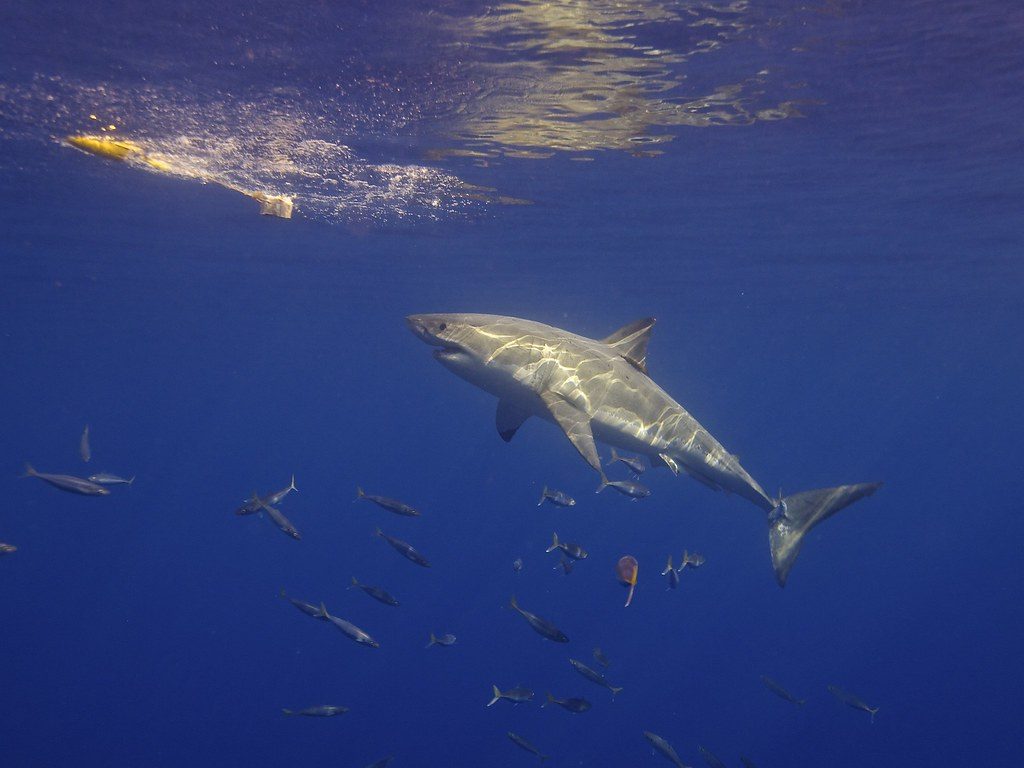
Great white sharks can live for up to 73 years, making them one of the longest-lived fish species. Females mature slowly, often not reaching reproductive age until their early thirties. They give birth to live pups, usually producing between two and seventeen young at a time.
Many mysteries remain. Researchers only recently reported what may be the first-ever sighting of a live newborn great white shark in the wild. Discoveries like this show that even one of the world’s most famous predators still has secrets waiting to be uncovered.
Leave a Reply