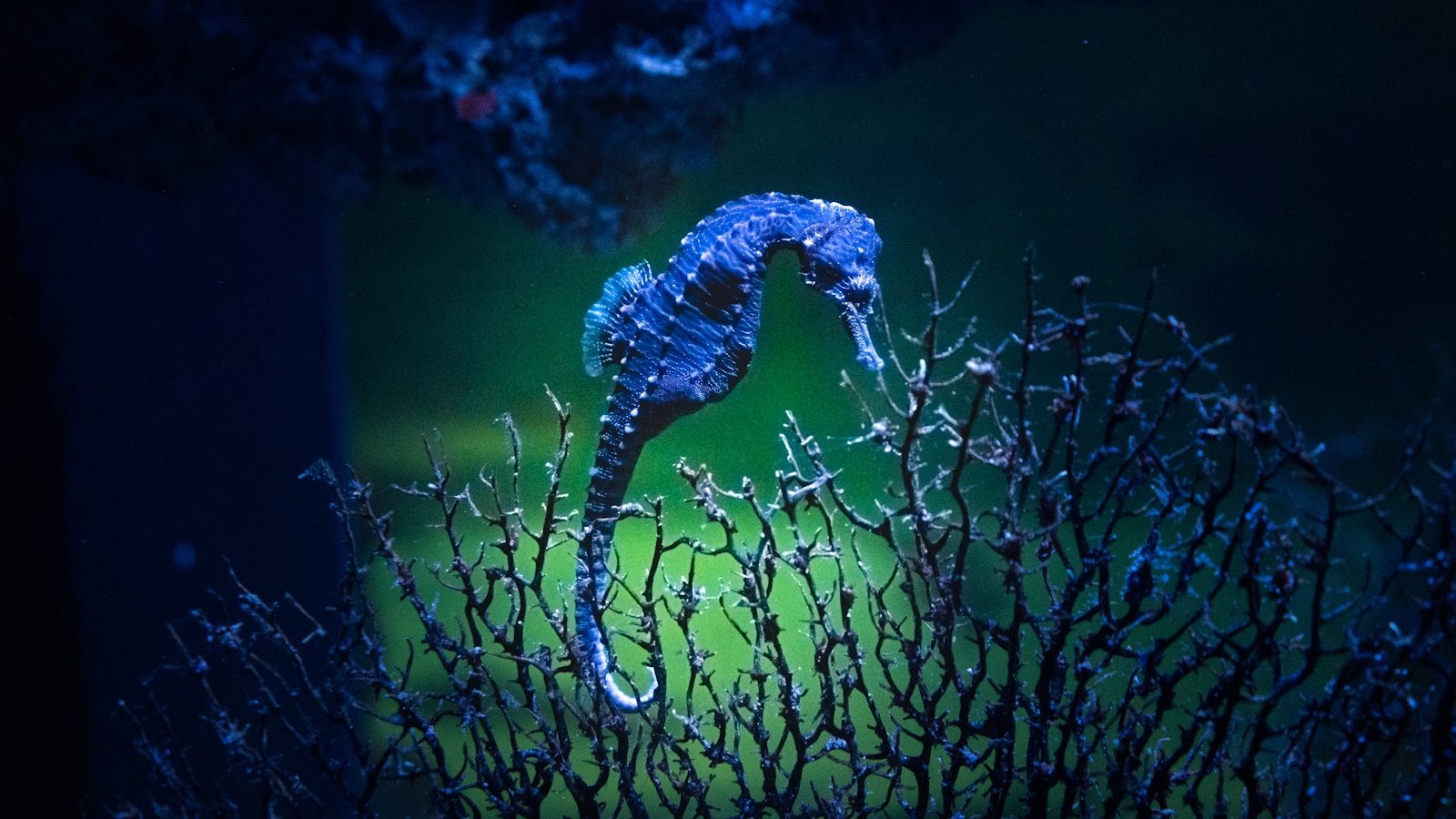
Seahorses and seadragons are among the most unusual animals in the ocean. They belong to the same family, known as Syngnathidae, and share several remarkable traits. These fish have fused jaws, rigid bodies, and a unique way of moving through the water. They are also famous for males carrying and protecting the eggs until the young hatch.
While seahorses are found around the world, seadragons live only in parts of Australia. Their unusual appearance, special adaptations, and fascinating behavior have made them some of the most interesting creatures in marine life. Here is a closer look at what makes these animals so unique.
The family that connects seahorses and seadragons
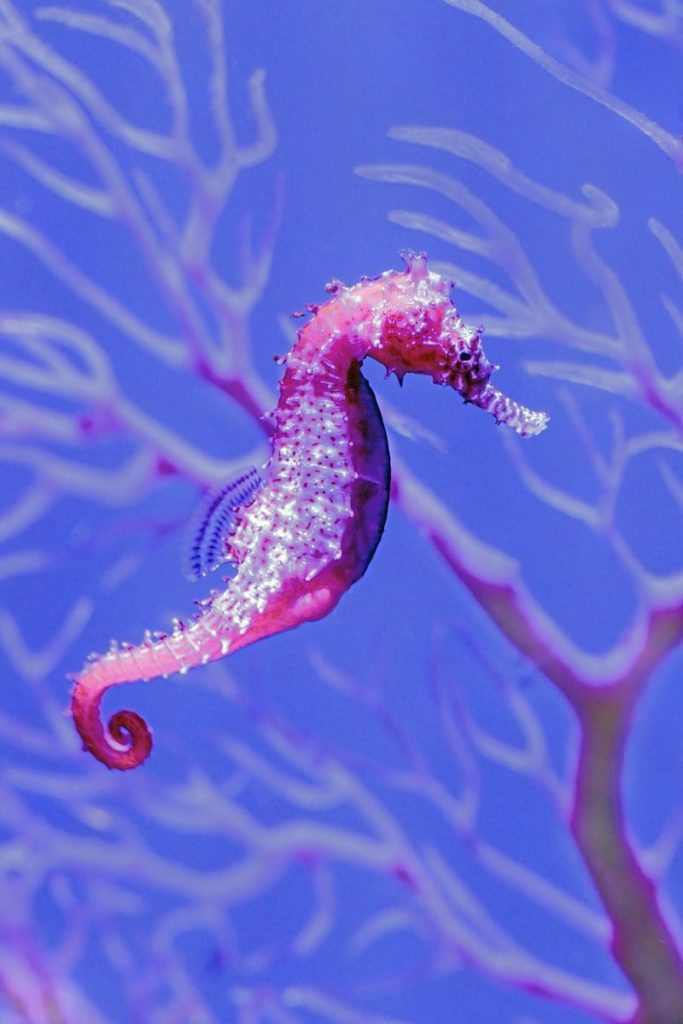
Seahorses and seadragons belong to the Syngnathidae family. The name comes from Greek words meaning fused jaws. This feature is shared by all members of the group and helps define them as closely related species.
They also share several other traits. Their bodies are rigid rather than flexible, males carry fertilized eggs, and they live in tropical or temperate waters. These shared characteristics make them unlike most other ocean fish.
Different lifespans and species
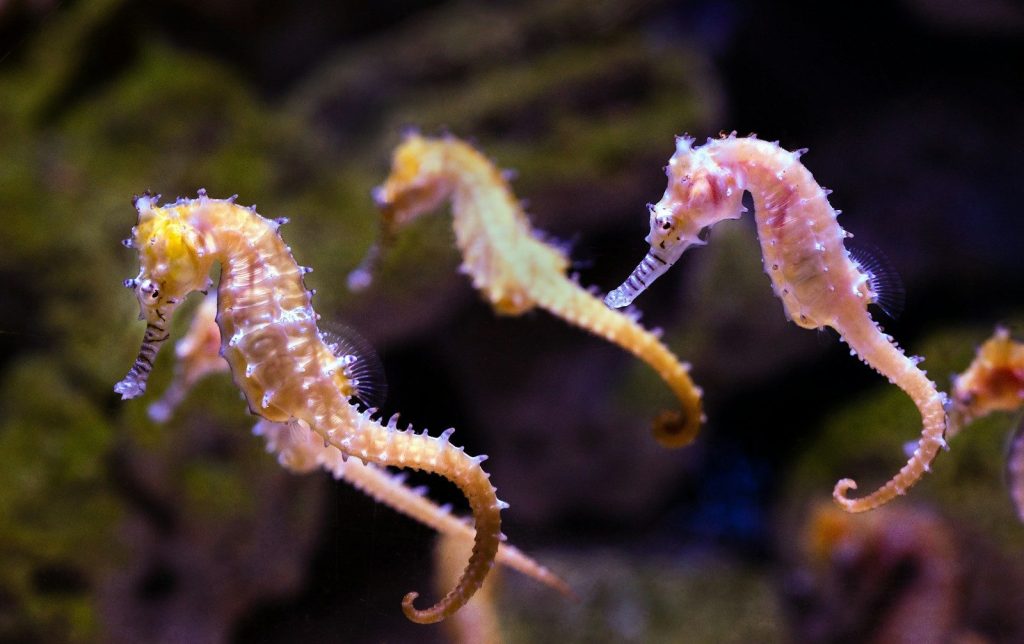
Seahorses generally live between three and five years. Although their lives may seem short, they spend that time adapting to changing environments and avoiding predators in coastal waters.
Seadragons usually live a little longer, reaching lifespans of five to seven years. Scientists have officially identified only three species of seadragon: the leafy seadragon, the weedy seadragon, and the ruby seadragon, which was discovered in 2015.
Where these unusual fish live
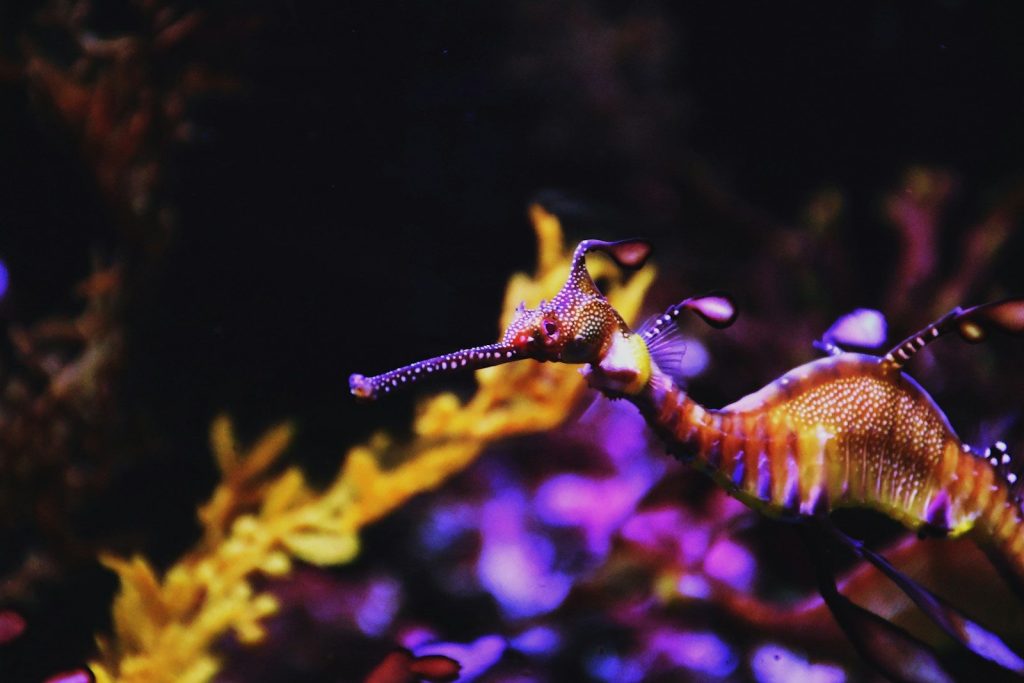
Seadragons have a very limited range compared to seahorses. They are found only in ocean waters along the southern and western coasts of Australia. Their preferred habitats include rocky reefs, sandy areas, seaweed beds, and seagrass meadows.
Seahorses are much more widespread. They can be found worldwide in tropical and temperate shallow waters. Their ability to live in many different environments has helped them spread across a much larger area.
How seahorses move through the water
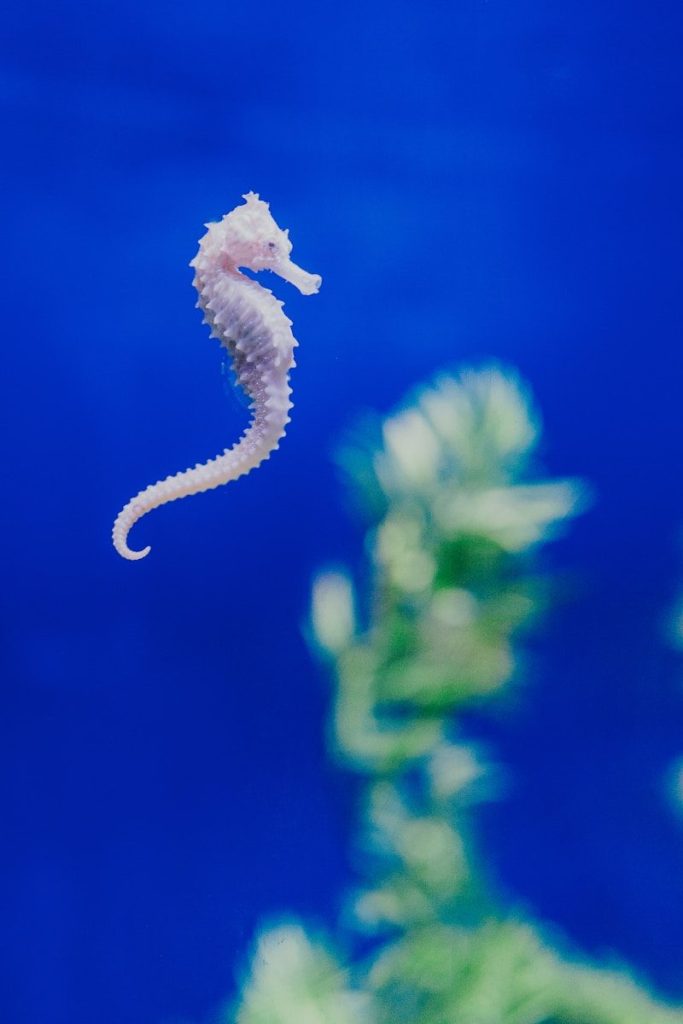
Seahorses are true fish with gills, a swim bladder, and a bony spine. Their bodies are covered with hard bony plates, and they have prehensile tails that allow them to grip seagrass or coral for stability.
To move, seahorses rely on their dorsal and pectoral fins. These fins can beat up to forty times every second, making the movement too fast for the human eye to easily see. Most seahorses stay close to home, although strong currents can sometimes carry them far from where they were born.
How seadragons travel and survive
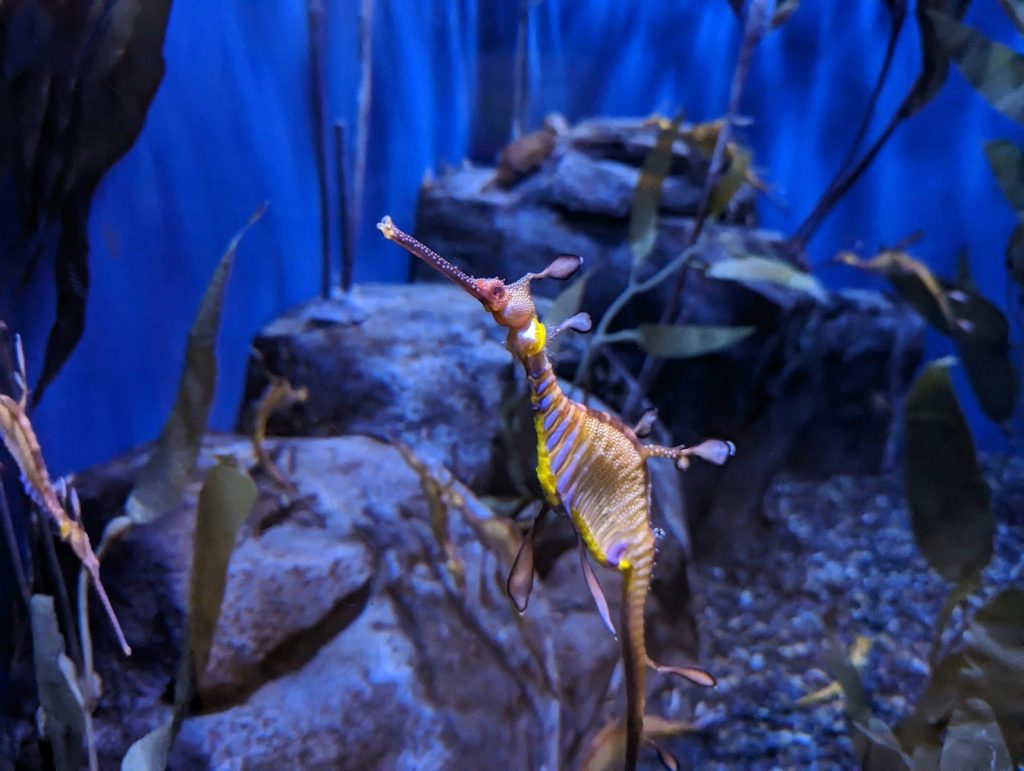
Seadragons can grow to about 18 inches long. Like seahorses, they have a solid outer covering that limits flexibility. Despite this, they move effectively through the water using small fins that rapidly oscillate.
Their tails act as rudders, helping them navigate their habitat. Although they are not powerful swimmers, their specialized bodies allow them to move carefully through seaweed beds and other coastal environments where they spend most of their lives.
Adaptations that help them stay hidden
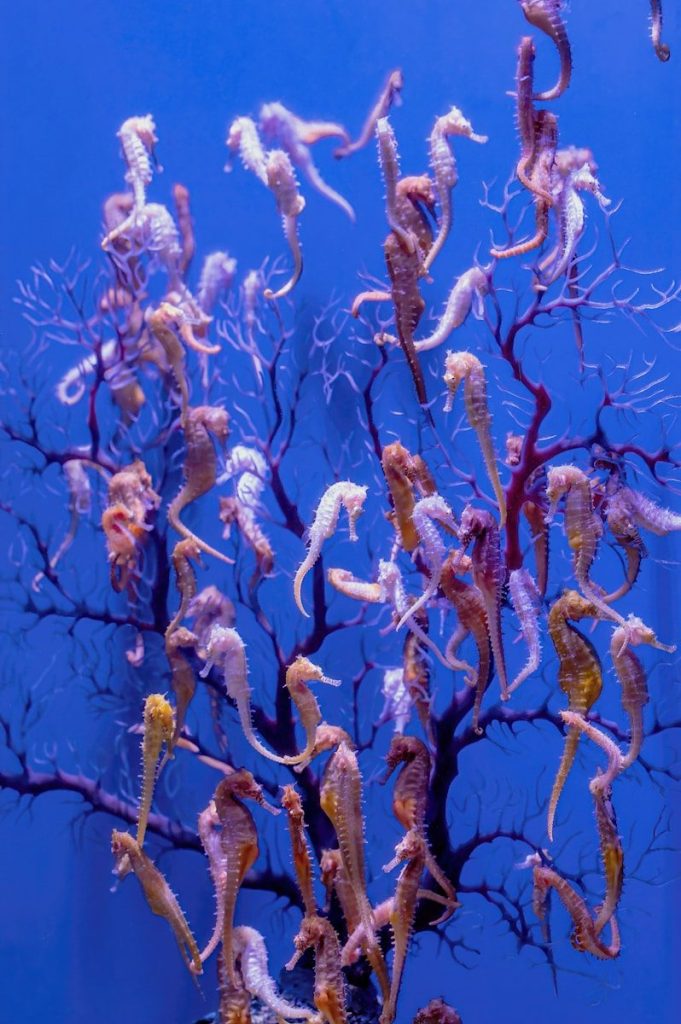
One of the most important survival tools of seahorses and seadragons is camouflage. They can change the color of their skin to blend into their surroundings, helping them avoid predators and remain hidden while hunting prey.
Their markings, body shapes, and decorative appendages also improve their disguise. In addition, their hard outer bodies may make them more difficult for predators to swallow. Their eyes can move independently, much like a chameleon’s, allowing them to scan for food and danger at the same time.
Leave a Reply