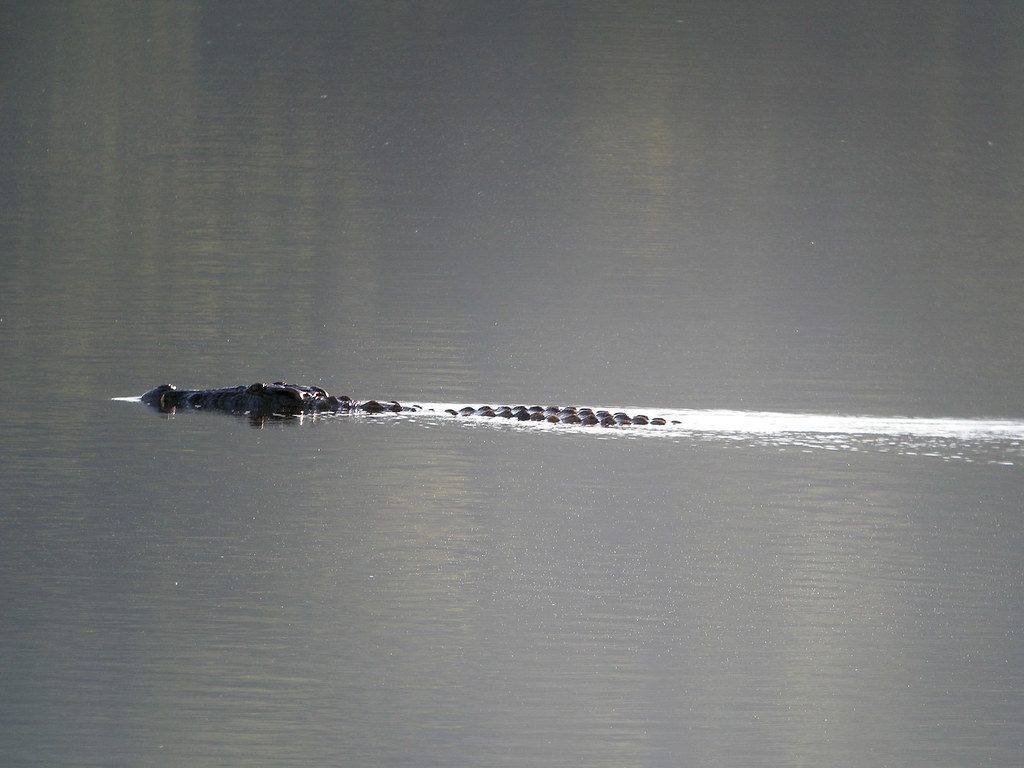
Few animals inspire as much fear and respect as the saltwater crocodile. As the largest living reptile on Earth, it has earned a reputation as one of nature’s most effective hunters. Some reports suggest these crocodiles can spend long periods observing their surroundings and remembering patterns before making a move.
One story even describes a crocodile that appeared to watch a man for months before attacking his leg. Combined with immense strength, a powerful bite, and the famous death roll, these abilities make the saltwater crocodile one of the most formidable predators alive. Understanding how these reptiles hunt reveals why they have remained successful for millions of years.
The world’s largest living reptile
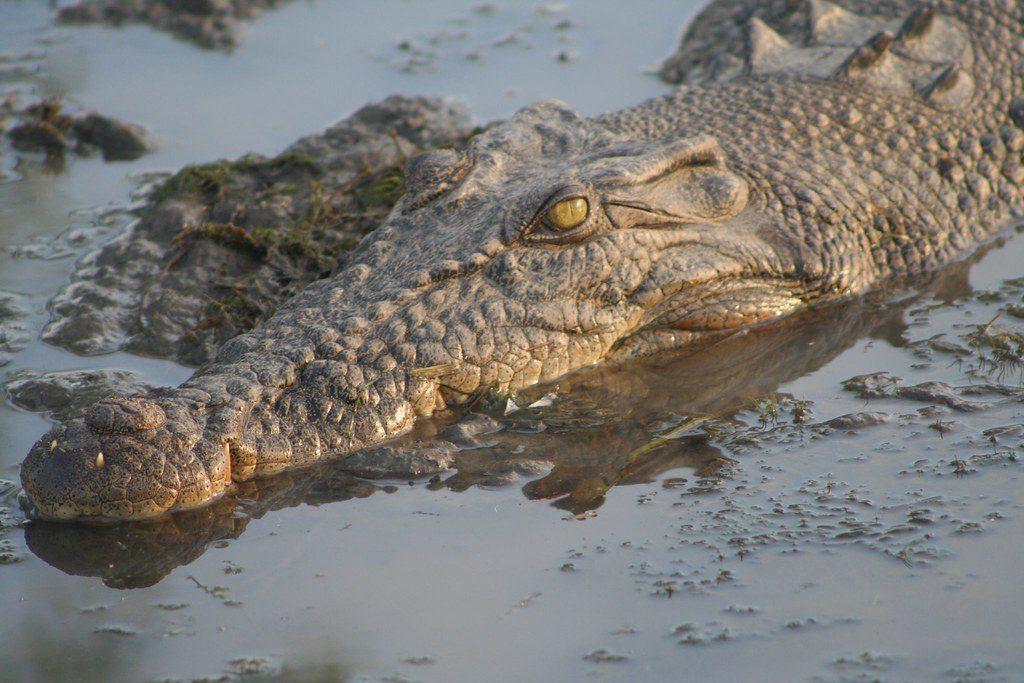
Saltwater crocodiles are the largest reptiles alive today. Some individuals can grow longer than 20 feet, making them larger than most people imagine when they think of a crocodile.
Their size alone gives them a major advantage in the wild. A fully grown saltwater crocodile can dominate many habitats and has few natural threats once it reaches adulthood. This combination of size and strength helps make it an apex predator.
Built to survive in many environments
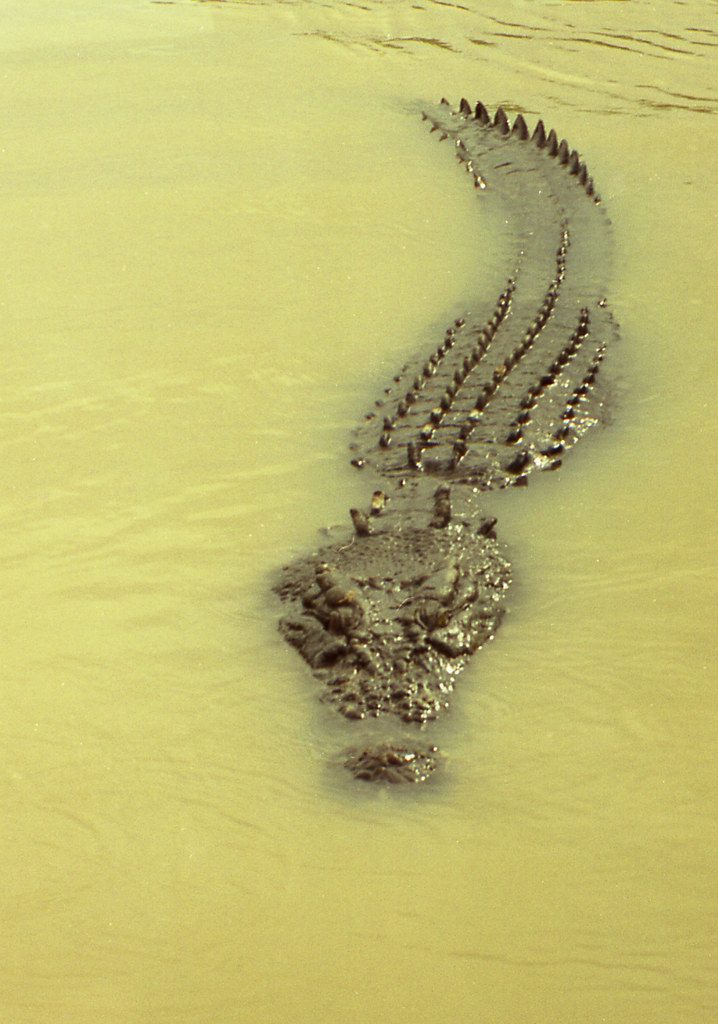
One reason saltwater crocodiles are so successful is their ability to live in different environments. They can be found in rivers, estuaries, coastal areas, and even open ocean waters.
This flexibility allows them to travel long distances and explore new territories. Unlike animals that depend on a single habitat, saltwater crocodiles can thrive in a wide range of conditions, increasing their chances of finding food and suitable living areas.
A hunter who can work in darkness
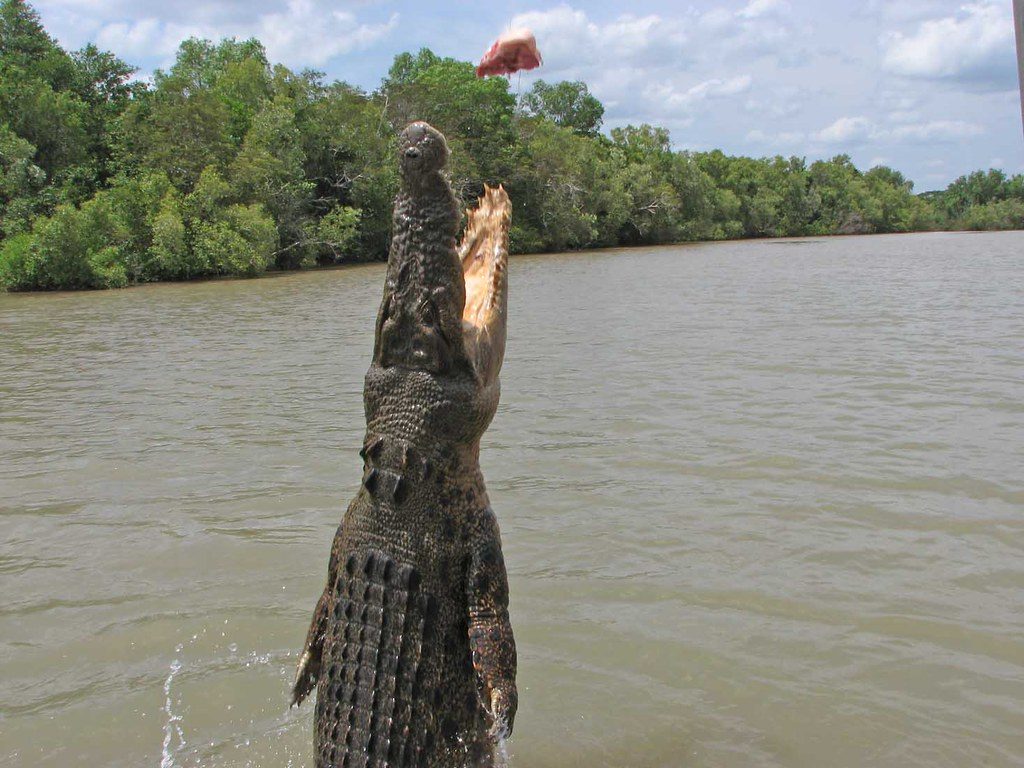
Many predators depend heavily on daylight to find prey, but saltwater crocodiles are effective hunters even when visibility is poor. They can operate in darkness, giving them an advantage when other animals may be less alert.
This ability helps them remain hidden while waiting for opportunities. Rather than chasing prey over long distances, crocodiles often rely on patience, stealth, and timing to get close enough for an attack.
Intelligence may play a role in hunting
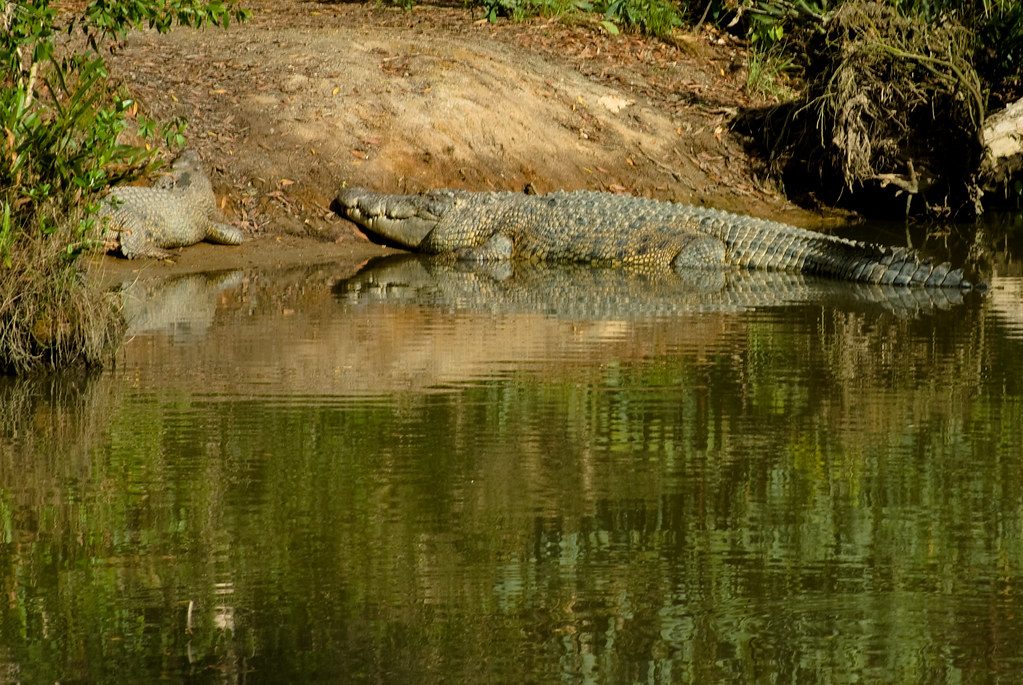
Researchers and observers have noted that crocodiles appear capable of remembering territories and recognizing patterns in their environment. This has led many people to believe that they can learn from repeated observations.
Stories describing crocodiles watching potential prey over long periods have contributed to their reputation for intelligence. While their behavior can be difficult to study, their ability to adapt and respond to changing situations suggests they are more than simple instinct-driven hunters.
The strongest bite in the animal world
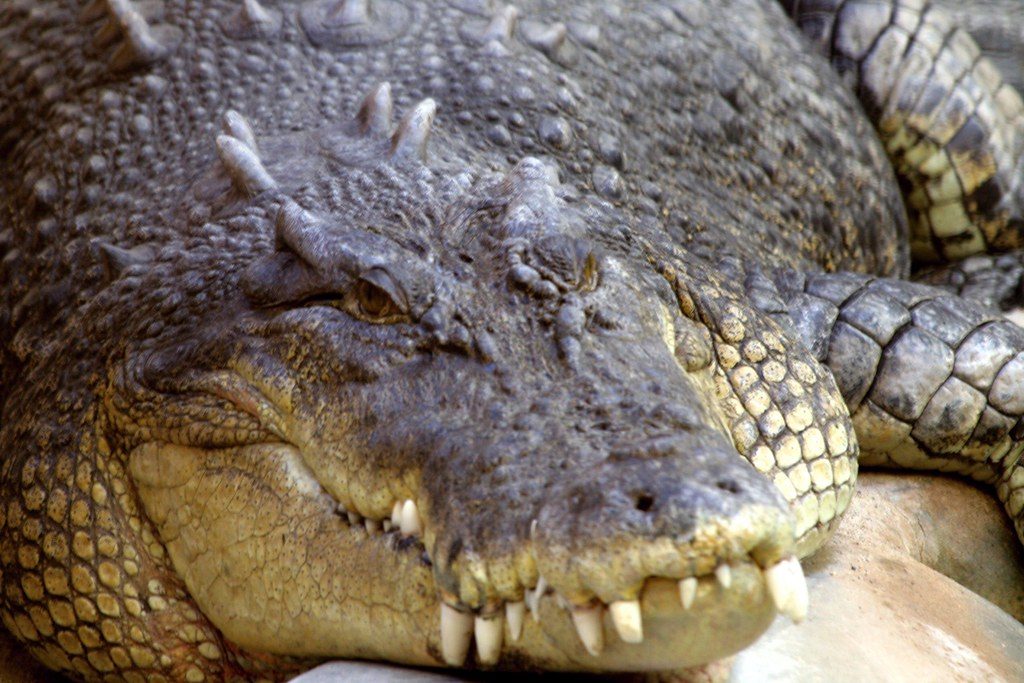
One of the saltwater crocodile’s most famous features is its bite. It has the strongest measured bite force of any living animal, allowing it to clamp down with tremendous power.
Once those jaws close, escaping becomes extremely difficult. The crocodile’s muscular body and powerful jaws work together to secure prey before it has a chance to break free. This strength is one of the key reasons crocodiles are such effective predators.
The death roll completes the attack

The bite is often only the beginning of a crocodile attack. After grabbing prey, a crocodile may perform a behavior known as the death roll. During this movement, the animal spins its body rapidly while maintaining its grip.
The death roll helps the crocodile overpower prey and gain control during a struggle. Combined with its powerful bite and large size, this technique has become one of the most recognized hunting behaviors in the animal kingdom.
Leave a Reply