The ocean is full of mysteries, and some of the strangest are the eerie sounds rising from its darkest depths. For decades, scientists have recorded strange ocean noises that seemed impossible to explain. Some sounded like giant creatures calling to each other, while others resembled whistles, groans, or even quacking ducks.
These sounds sparked wild theories about sea monsters and hidden civilizations, but researchers have spent years trying to uncover the truth. Today, many of these mysteries have been solved, while a few still puzzle experts. By exploring these strange noises, scientists are learning more about our planet and the hidden world that lies beneath the waves.
Why is the ocean filled with mysterious sounds?
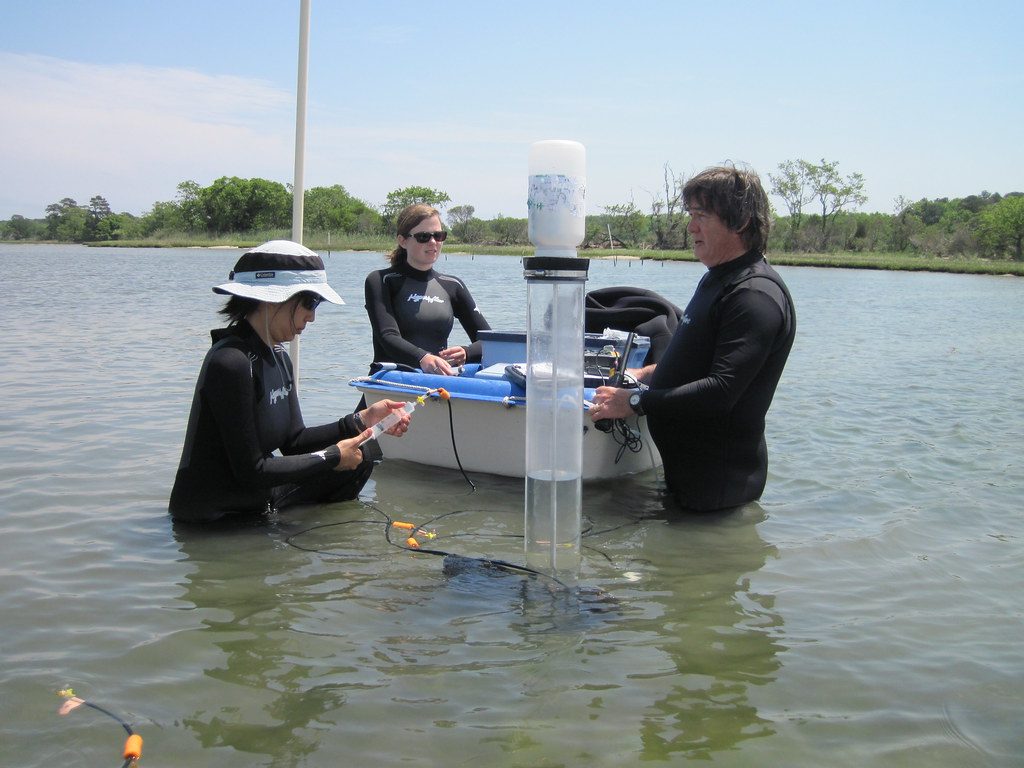
The ocean may seem quiet from above, but underwater it is filled with noise. Waves crash, whales sing, ice cracks, and underwater volcanoes rumble. Scientists use special microphones called hydrophones to listen to these sounds. Hydrophones can detect noises from thousands of miles away because sound travels much farther underwater than it does through air. This allows researchers to monitor earthquakes, volcanic eruptions, marine mammals, and even changing weather patterns deep beneath the sea.
Still, not every sound is easy to explain. Some noises are so unusual that scientists spend years studying them. The ocean covers more than 70 percent of Earth’s surface, and most of it remains unexplored. Because so little of the deep ocean has been seen directly, mysterious sounds often spark excitement and fear. Scientists know that strange noises do not automatically mean something dangerous is lurking below, but they also know that every unexplained sound is a chance to discover something new about the planet.
The bloop that shocked scientists
One of the most famous strange ocean noises is a sound known as “The Bloop.” It was recorded in 1997 by underwater listening stations operated by the U.S. National Oceanic and Atmospheric Administration. The sound was so powerful that it was detected by sensors thousands of miles apart across the Pacific Ocean. It slowly rose in frequency over about one minute and did not match any known animal call. Because it was louder than sounds made by the largest whales, many people wondered if it came from an enormous sea creature hidden in the deep ocean.
For years, theories spread about giant squids, ancient monsters, and even surviving prehistoric animals. Scientists, however, remained cautious. After studying similar sounds near Antarctica, researchers eventually discovered that The Bloop was most likely caused by an icequake. Icequakes happen when massive glaciers crack or when huge icebergs scrape against the ocean floor. The discovery ended one mystery but revealed another important truth. Antarctica’s ice is constantly moving and breaking, producing sounds so powerful they can travel across entire oceans. In a way, the real story behind The Bloop is just as amazing as the myths that surrounded it.
The upsweep that still puzzles researchers
Another strange sound that has disturbed scientists is called “Upsweep.” Unlike The Bloop, this sound has never been fully explained. It was first detected in 1991 when scientists began using underwater listening systems to monitor the Pacific Ocean. Upsweep consists of long, repeating tones that slowly rise in pitch. The sound is loud enough to be heard throughout the Pacific and seems to become stronger during certain seasons of the year.
Researchers believe Upsweep comes from an area of underwater volcanic activity located roughly halfway between South America and Australia. The timing and location support this theory, but scientists have never directly confirmed the source. Even more interesting, the sound has gradually become weaker over the years, though it can still be heard today. This mysterious pattern has kept researchers interested for decades. Upsweep is a reminder that even with modern technology, some secrets of the deep remain just out of reach.
The strange quacking sound from Antarctica
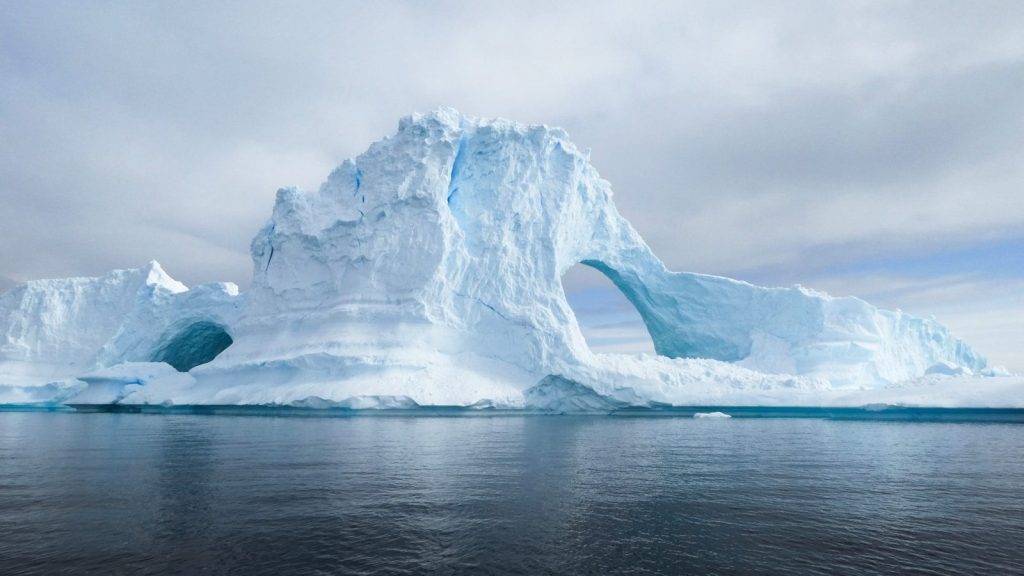
For many years, sailors and scientists heard an unusual sound deep in the Southern Ocean that resembled a duck’s quack. Because nobody knew what made it, researchers nicknamed it the “Bio-duck.” The sound was first reported in the 1960s and remained one of the greatest mysteries of Antarctic waters for decades. Some experts believed it came from submarines, while others thought it was produced by a previously unknown species living in the icy ocean.
The answer finally arrived in 2014 when scientists discovered that the Bio-duck was made by Antarctic minke whales. Researchers attached recording devices to the whales and found that their sounds matched the mysterious recordings perfectly. The discovery surprised scientists because these whales had been studied for years, yet their unique calls had remained hidden in plain sight. The solution to the mystery also showed how much researchers still have to learn about even well-known marine animals. Strange sounds do not always come from unknown creatures. Sometimes they come from animals we thought we already understood.
Icebergs can sound like monsters
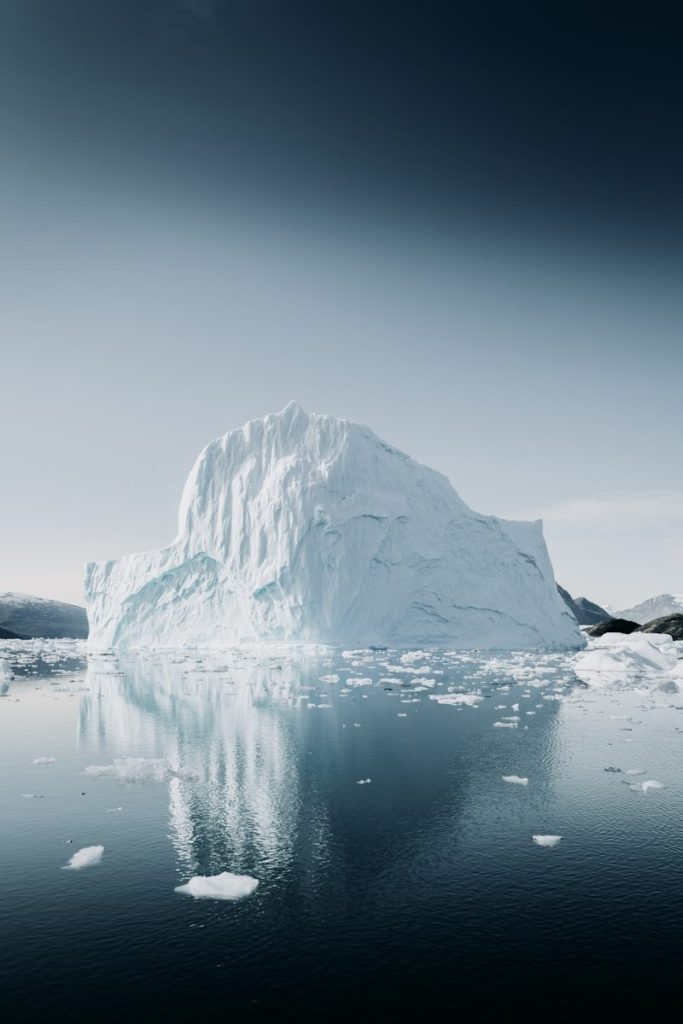
One reason mysterious ocean noises are so unsettling is that ice can create sounds unlike anything people expect. When giant glaciers crack, when icebergs collide, or when massive chunks of ice break away from Antarctica, they release huge amounts of energy into the water. These events create deep groans, rumbles, and booming noises that can travel thousands of miles. Some recordings sound eerily similar to animal calls, which is why scientists once considered biological explanations for many mysterious sounds.
Several famous underwater noises, including The Bloop and another sound called “Julia,” are now believed to have been caused by ice activity near Antarctica. Julia, recorded in 1999, lasted almost three minutes and had a strangely human-like tone. Scientists eventually traced it to a region near Antarctica where large icebergs often become stuck on the seafloor. These discoveries have changed the way researchers think about underwater acoustics. Instead of viewing ice as silent, scientists now understand that glaciers and icebergs are among the loudest natural features on Earth.
What these mysterious sounds tell us today

Although many strange ocean noises have been explained, scientists are still listening carefully for new mysteries. Underwater microphones are now used across the globe to study whales, monitor earthquakes, track volcanic eruptions, and observe climate change. Every sound adds another piece to the puzzle of how the ocean works. Some mysterious noises that once frightened people have become valuable clues about melting ice, changing ecosystems, and the movements of marine animals.
At the same time, researchers know there is still much they do not know. Vast areas of the deep ocean remain unexplored, and new species are discovered regularly. The possibility of hearing an entirely new sound keeps scientists excited and curious. Most unexplained noises eventually turn out to have natural causes, but that does not make them any less fascinating. The ocean is Earth’s largest habitat, and every strange echo from its depths reminds us how much of our own planet is still waiting to be understood.
Leave a Reply