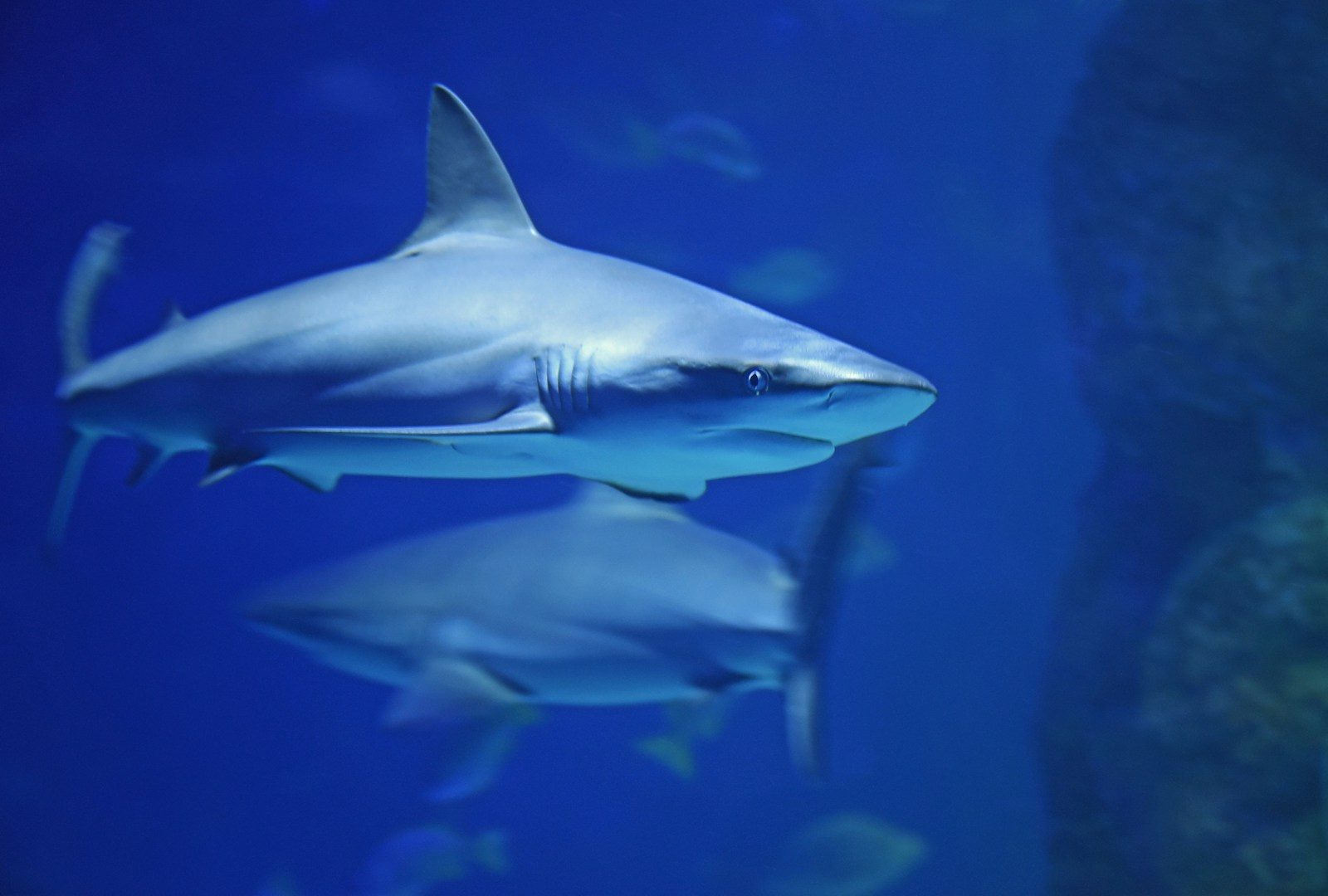
The sinking of the USS Indianapolis is often remembered as the deadliest shark attack in history. Movies and popular stories have created the image of hundreds of sailors being hunted by sharks in a massive feeding frenzy. While sharks were present, the real story is far more tragic.
After Japanese torpedoes sank the ship in July 1945, hundreds of sailors were left stranded in the Pacific Ocean for nearly five days. They faced injuries, dehydration, exposure, exhaustion, and hallucinations while waiting for rescue. The sharks became the most famous part of the disaster, but they were only one piece of a much larger tragedy that became one of the worst losses in U.S. Naval history.
A secret mission changed everything
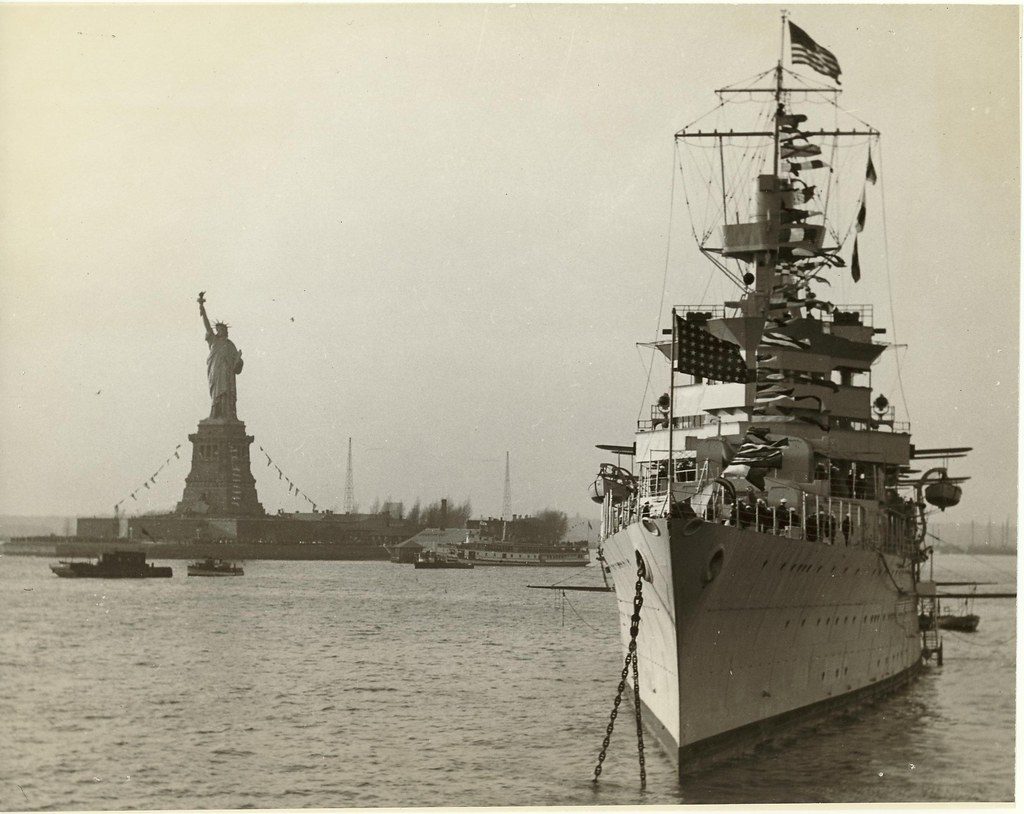
The USS Indianapolis had just completed one of the most important missions of World War II. The ship delivered key components of the atomic bomb that would later be used on Hiroshima. Most of the sailors had no idea what they were carrying because the operation was highly classified.
After successfully delivering its cargo to Tinian, the Indianapolis began its next voyage toward the Philippines. The crew believed the dangerous part of their mission was over, but they were unknowingly heading toward disaster.
The ship sank in just 12 minutes
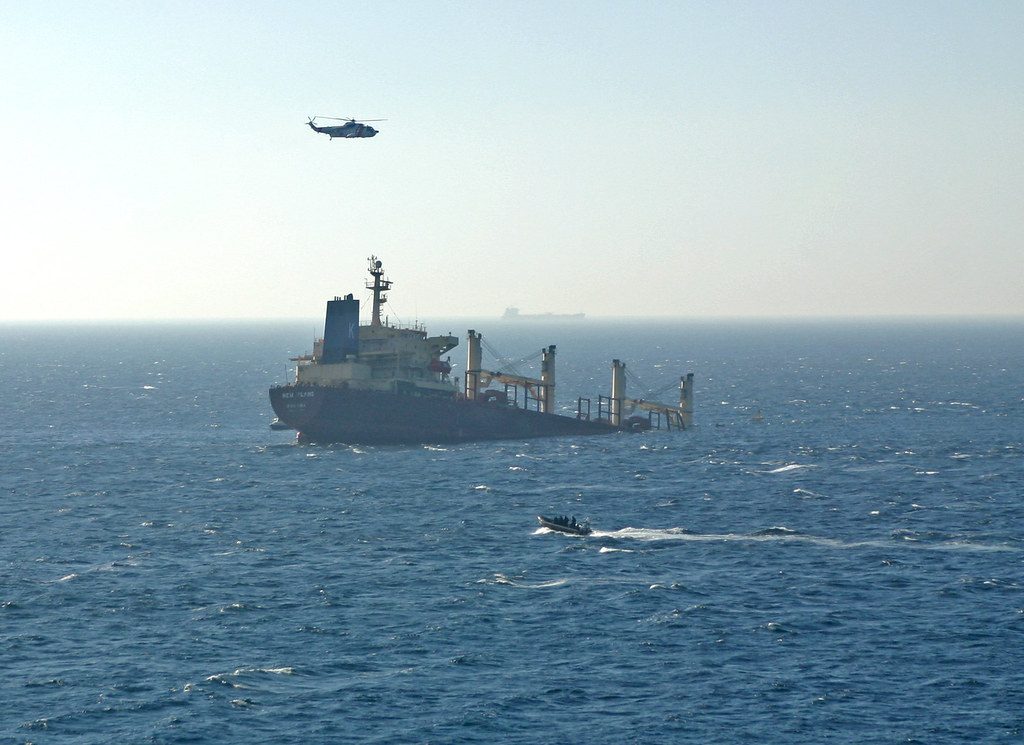
Shortly after midnight on July 30, 1945, a Japanese submarine spotted the Indianapolis and launched torpedoes. Two direct hits caused catastrophic damage to the ship and left the crew with very little time to react.
The Indianapolis sank in only 12 minutes. Many sailors were killed instantly by explosions, burns, and debris, while hundreds more escaped into the ocean. Those who survived the sinking suddenly found themselves stranded in open water with almost no supplies.
The ocean became a nightmare
The survivors faced brutal conditions from the moment they entered the water. Many were injured, covered in oil, and exposed to the intense heat of the tropical sun. They had no food and almost no fresh water.
As the days passed, dehydration became a deadly threat. Some sailors drank seawater, which caused salt poisoning and severe hallucinations. Men began seeing islands, rescue ships, and even the Indianapolis itself beneath the waves, leading many to swim away from safety.
What sharks really did
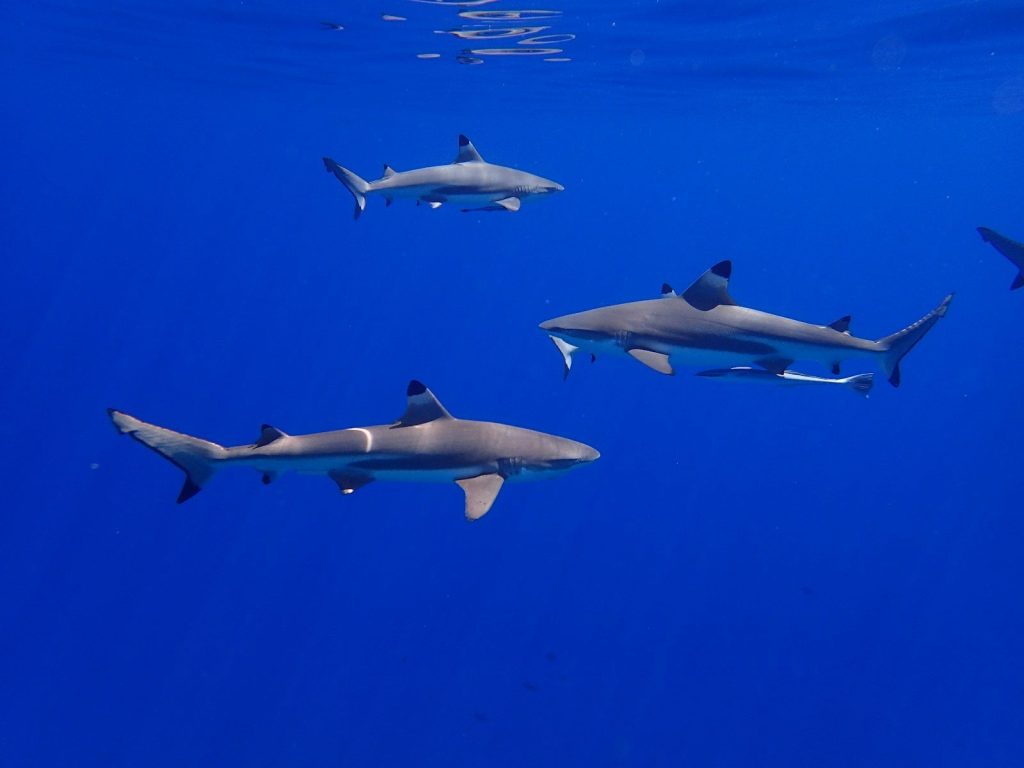
Sharks arrived soon after the sinking, likely drawn by the noise, debris, and bodies in the water. Oceanic whitetip sharks and tiger sharks are believed to have been among the species present around the survivors.
However, historians and survivor accounts suggest the role of sharks has often been exaggerated. Sharks did feed on some corpses and attacked some survivors, but many more sailors died from injuries, dehydration, exposure, and exhaustion than from shark attacks.
A rescue that almost never happened
One of the most tragic parts of the disaster was that the rescue did not come quickly. Distress signals had been sent, but they were not properly handled, and no major search effort was launched.
The survivors were eventually discovered by chance on August 2 when a patrol pilot spotted oil and debris in the water. Rescue operations began immediately, but by then only 316 of the 1,195 crew members aboard the Indianapolis were still alive.
The tragedy did not end after survival
The story continued long after the survivors reached shore. Captain Charles McVay was court-martialed and blamed for the loss of the ship, despite evidence suggesting the attack could not have been avoided.
For decades, survivors fought to clear their captain’s name. His conviction was eventually overturned, but he did not live to see it happen. Today, the legacy of the Indianapolis is remembered not just for the sharks, but for the courage, sacrifice, and endurance shown by the crew during one of the most devastating naval disasters in American history.
Leave a Reply