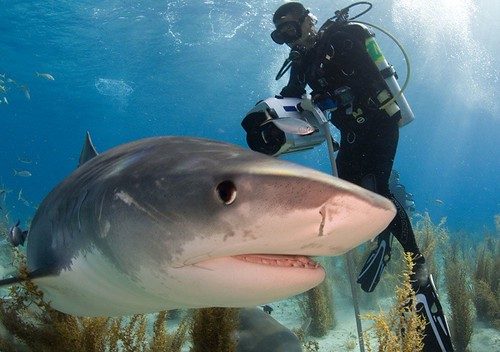
A massive tiger shark attack sounds like something from a movie. One moment, an 18-year-old was enjoying the ocean. Next, a powerful predator struck from beneath a wave. In seconds, his leg was gone, and his fight for survival had begun.
Most people would never return to the water after an experience like that. Yet instead of letting fear control his life, he chose a different path. His journey back into the ocean challenged many assumptions about sharks and raised important questions about how humans view these misunderstood predators.
The attack came without warning

The encounter happened in an instant. Hidden beneath the water, a large tiger shark struck with incredible force. Like many shark attacks, there was little warning before the bite occurred. Shark experts note that attacks often happen suddenly, leaving victims little time to react.
Tiger sharks are among the largest predatory sharks in the ocean and rank second only to great whites in recorded fatal attacks on humans. Even so, attacks remain extremely rare compared to the millions of people who enter the ocean every year.
Fighting back against a giant predator

Faced with a life-threatening situation, the young surfer did what many people might do in pure survival mode. He fought back. Stories of shark attack survivors often include attempts to strike sensitive areas such as the nose or eyes when escape is the only option. Some documented survivors have reported successfully causing a shark to release its grip after hitting it.
In one well-known case from Hawaii, a fisherman escaped after punching a tiger shark in the nose when it clamped onto his leg. The shark released him, allowing him to swim toward safety.
Survival was only the beginning

Losing a limb is a life-changing event, but surviving the attack was only the first challenge. Recovery involved overcoming physical injuries, adapting to a new reality, and dealing with the emotional impact of the experience.
Many shark attack survivors describe months or years of rehabilitation. Some never return to the ocean. Others eventually find the confidence to swim, surf, or dive again despite the trauma they experienced.
Returning during tiger shark season
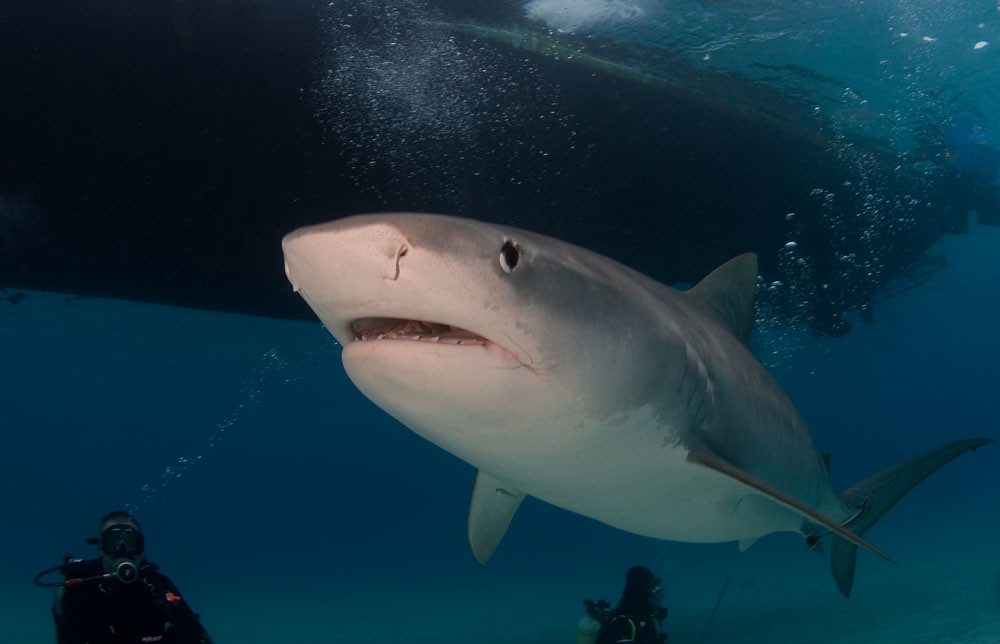
What made this story unusual was the decision to return to the water during a period when tiger sharks are commonly present. For many people, that choice seems impossible to understand.
Yet several survivors have explained that returning to the ocean helped them regain control over their fears. Rather than seeing every shark as a threat, they learned more about shark behavior and recognized that attacks are rare.
Sharks are not the villains many imagine

Movies and headlines often portray sharks as relentless man-eaters. Scientific research paints a different picture. Shark attacks are rare, and only a handful of species account for most serious incidents involving humans.
Most sharks do not view humans as prey. Experts believe many bites occur because sharks are investigating unfamiliar objects or mistakenly identifying potential food. While attacks can be devastating, they are not evidence that sharks are actively hunting people.
A story bigger than fear

The lasting lesson from this experience is not about violence or danger. It is about perspective. After surviving one of the most frightening encounters imaginable, the young man refused to let fear define his relationship with the ocean.
His story challenges the idea that sharks are mindless killers. Instead, it highlights the complexity of these animals and the resilience of people who survive extraordinary events. While respect for sharks is essential, fear alone does not tell the whole story. Understanding often begins where fear ends.
Leave a Reply