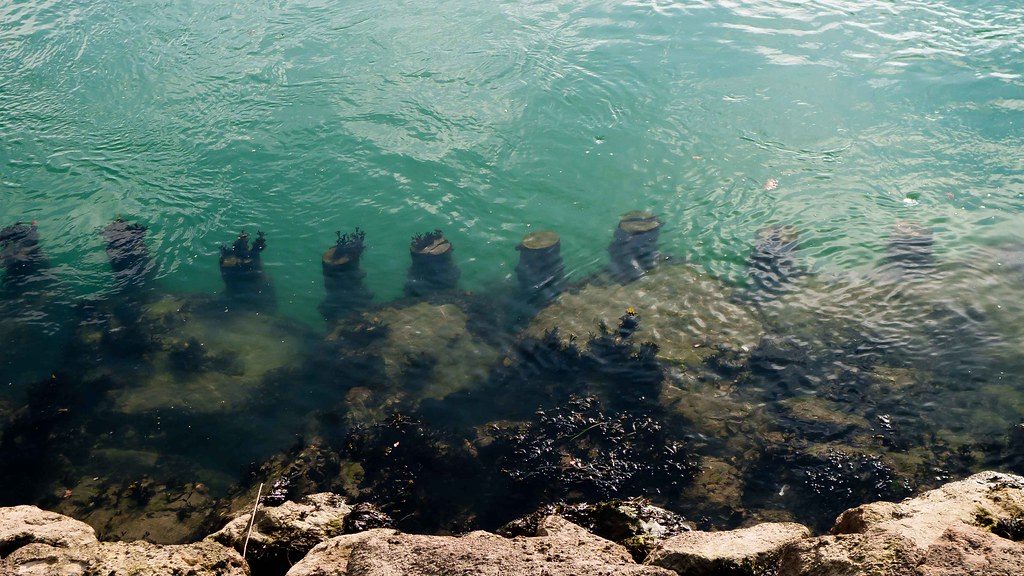
A remarkable discovery beneath the waters off Cuba’s coast has captured worldwide attention. Researchers using advanced sonar technology identified what appear to be geometric structures and formations deep underwater, leading some to describe the site as a possible lost city. If confirmed, the discovery could offer valuable clues about ancient civilizations and human history.
At the same time, many questions remain unanswered. Scientists continue to study the site carefully to determine whether the formations were created by humans or natural geological processes. Regardless of the final answer, the discovery has sparked renewed interest in underwater archaeology and the mysteries hidden beneath the ocean.
Sonar technology revealed unusual formations
The discovery began when researchers used advanced sonar equipment to scan the seafloor off the coast of Cuba. The technology produced images showing geometric shapes and patterns that appeared different from the surrounding underwater landscape.
Scientists were intrigued by what appeared to be organized structures beneath the ocean floor. The sonar data suggested formations resembling streets, buildings, or city-like layouts, prompting further investigation of the site.
Researchers used modern tools to investigate
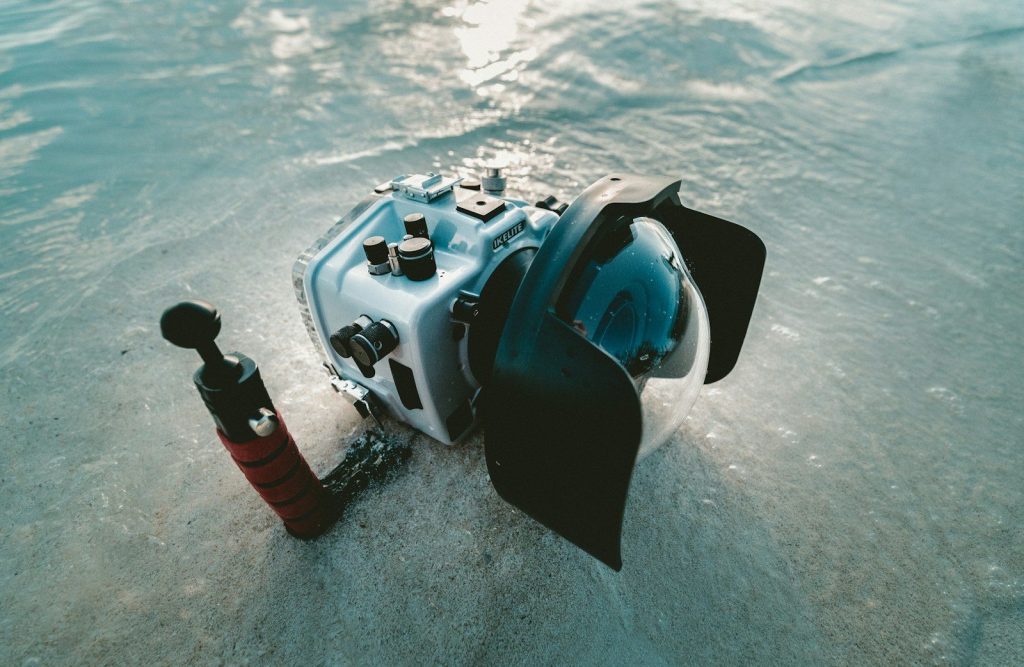
After the initial discovery, teams relied on satellite imagery, underwater drones, and specialized equipment to study the area in greater detail. These technologies allowed scientists to examine the formations without disturbing the site.
High-resolution imaging helped researchers create maps of the underwater environment. The combination of sonar and drone technology provided a clearer view of the structures and helped confirm their unusual appearance.
The site could have historical importance
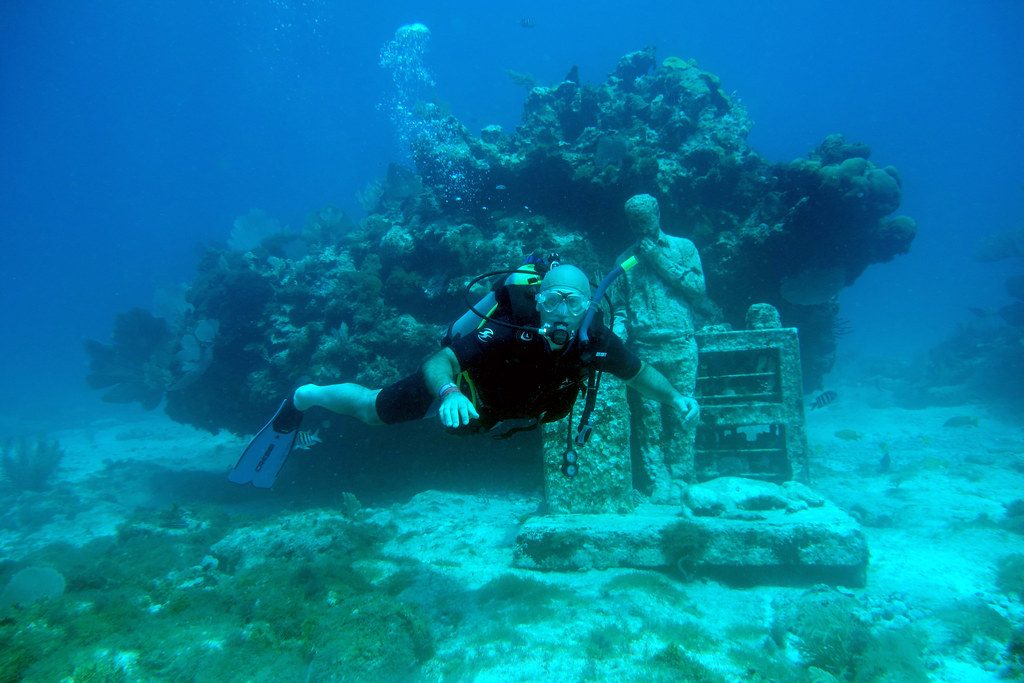
Some researchers believe the formations resemble features found in ancient urban centers. Comparisons have been made to early civilizations known for organized city planning and engineering achievements.
If the structures were built by humans, the discovery could provide new insights into ancient settlement patterns in the Caribbean. It may also encourage scientists to reexamine existing theories about early human societies in the region.
Questions remain about who built it
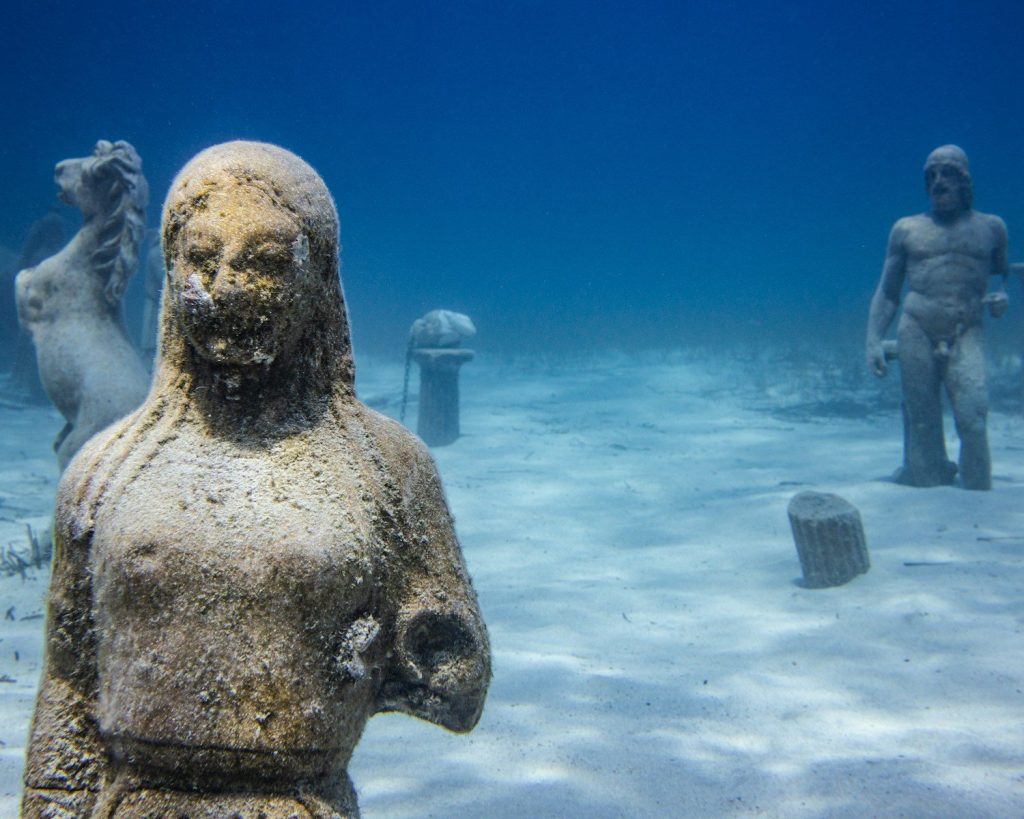
One of the biggest mysteries surrounding the site is the identity of the people who may have created it. Various theories suggest the city could be linked to an unknown culture that existed before well-known civilizations in the Americas.
Others believe environmental changes or natural disasters may have contributed to the area’s submergence. At present, researchers do not have enough evidence to determine exactly who built the structures or why they ended up underwater.
The discovery highlights advances in archaeology
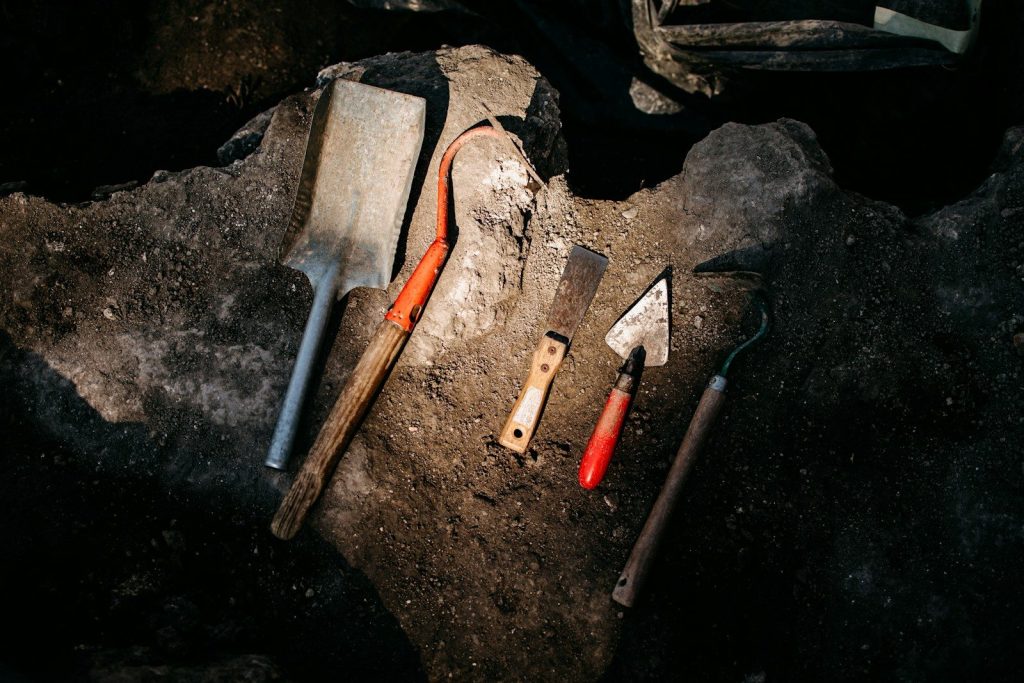
Modern underwater archaeology depends heavily on technology. Sonar systems, underwater drones, and remotely operated vehicles now allow scientists to explore areas that were once impossible to study.
These tools have transformed the search for submerged sites around the world. As technology continues to improve, researchers expect to discover more locations hidden beneath oceans, lakes, and other bodies of water.
Preservation is becoming increasingly important
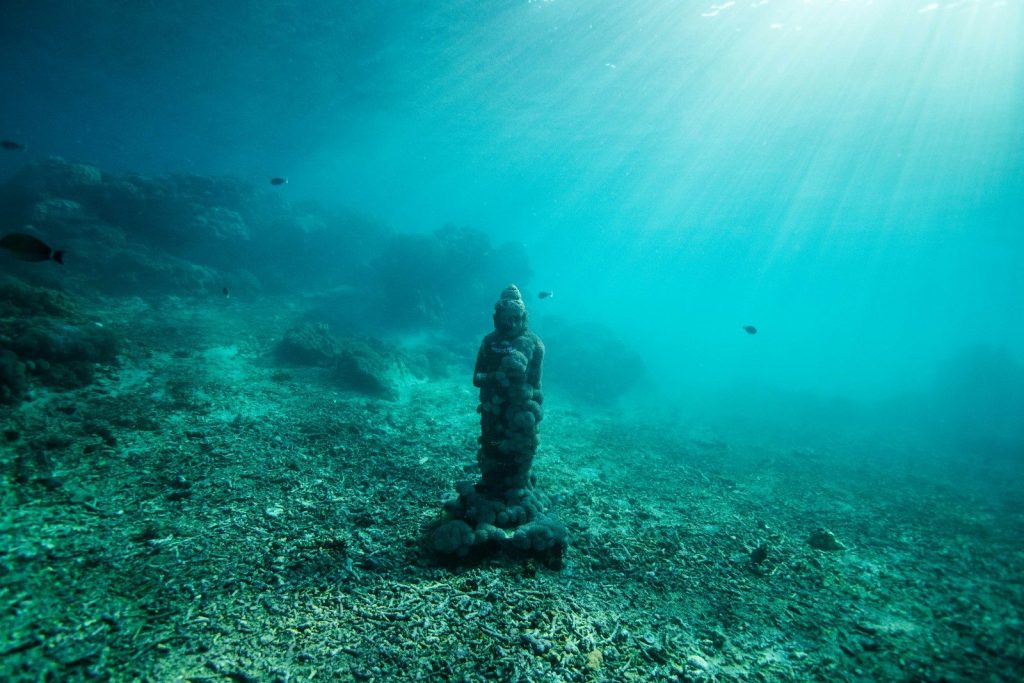
Discoveries like the Cuban underwater site raise important questions about conservation. Archaeologists must balance scientific research with the need to protect historically significant locations.
Preserving underwater sites helps ensure future generations can continue studying them. Careful exploration methods are essential to avoid damaging structures or artifacts that may hold important clues about the past.
Leave a Reply