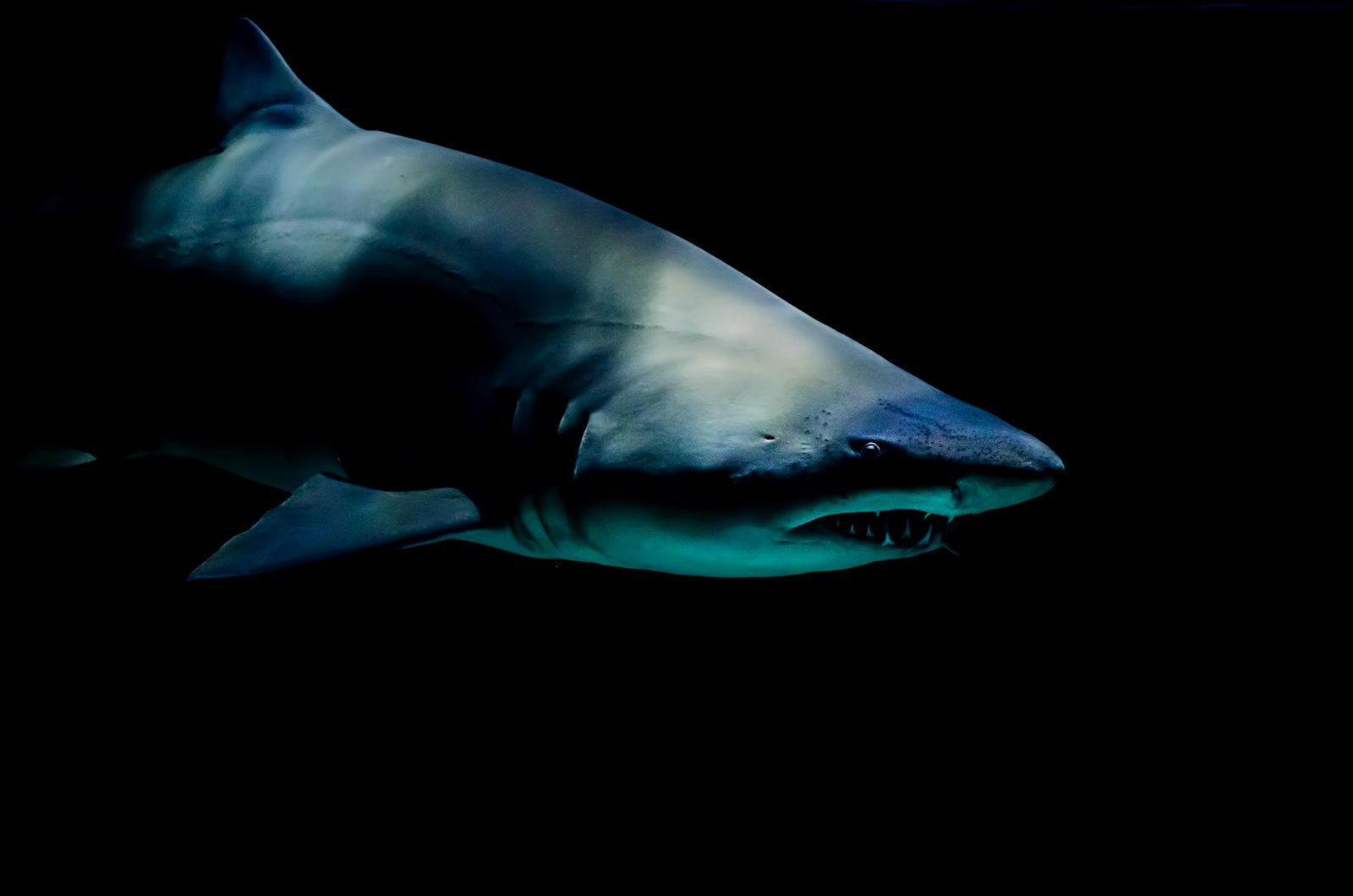
Long before great white sharks ruled the oceans and millions of years before the giant megalodon appeared, another massive predator was already hunting ancient seas. Scientists studying fossilized shark vertebrae found near Darwin, Australia, have identified what may be the earliest known giant shark from the modern shark lineage.
The discovery pushes back the timeline for mega-predatory sharks by about 15 million years and offers a fascinating glimpse into life during the age of dinosaurs. Researchers believe this ancient hunter reached lengths of around 26 feet, making it one of the largest sharks known from its era.
Fossils hidden in a museum revealed a surprise
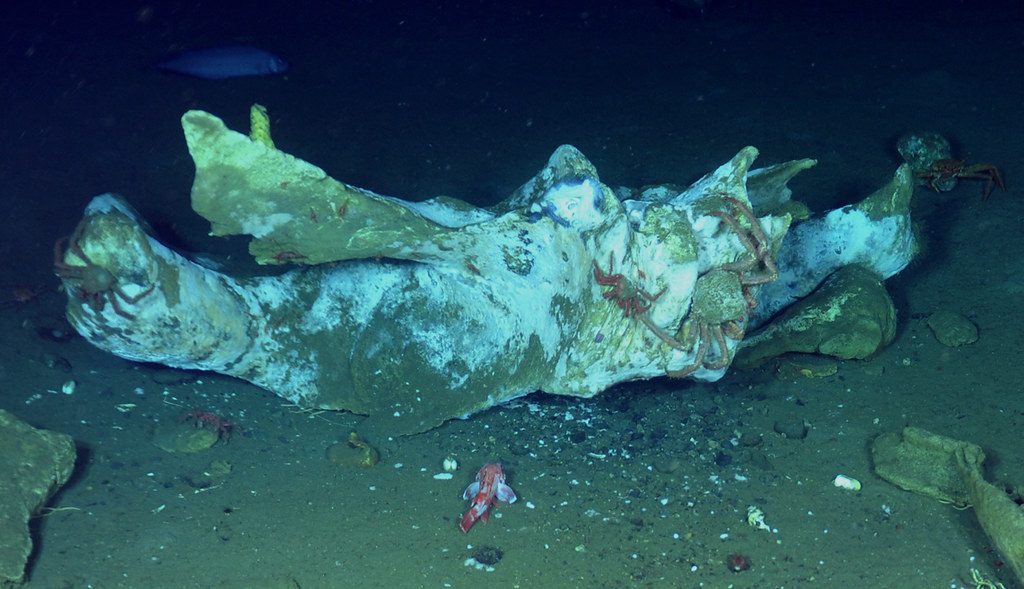
The discovery began with five fossilized vertebrae found near Darwin in northern Australia. Although the fossils were unearthed during the late 1980s and 1990s, they remained largely overlooked in a museum collection for years.
When researchers reexamined the specimens, they realized the vertebrae were unusually large. Measuring about 12 centimeters across, they hinted that the shark they belonged to was far bigger than scientists had previously expected for that time period.
An ancient ocean once covered the region
Today, Darwin sits on Australia’s northern coastline, but more than 100 million years ago, the area was covered by a vast ocean. This ancient marine environment connected parts of the supercontinents Gondwana and Laurasia.
The region has produced many important fossils, including plesiosaurs and ichthyosaurs. These discoveries show that the waters once hosted a rich ecosystem of large marine predators and prey.
The shark lived during the age of dinosaurs

The newly studied shark belonged to the group Cardabiodontidae. These ancient predators lived during the Cretaceous Period, when dinosaurs still dominated life on land.
Researchers estimate the shark lived around 115 million years ago. That makes it roughly 15 million years older than previously known giant members of the same lineage, pushing the history of massive sharks much further back in time.
Scientists used technology to estimate its size

Because shark skeletons are made mostly of cartilage, complete fossils are extremely rare. Most shark fossils consist of teeth, which can make size estimates difficult.
To better understand the animal, researchers used fisheries data, CT scans, mathematical models, and comparisons with modern sharks. Their analysis suggested the predator reached about 26 feet in length, making it one of the largest sharks of its era.
It may have looked surprisingly familiar

Despite living more than 100 million years ago, the ancient shark may have looked similar to large sharks alive today. Researchers believe it likely had a streamlined body built for speed and efficient hunting.
Scientists described its body design as an evolutionary success story. The same general shark shape has remained effective for more than 115 million years, helping sharks survive major changes in Earth’s history.
The discovery may lead to more giant shark finds
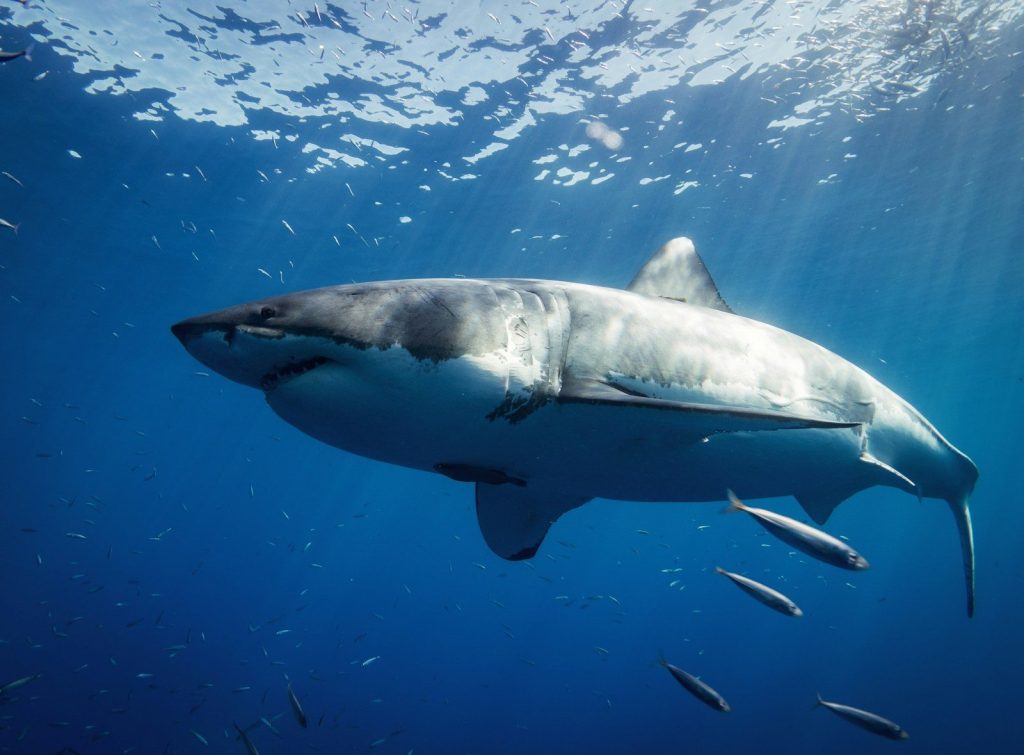
Researchers believe this giant predator did not appear suddenly. Like all animals, it must have evolved from earlier ancestors that have yet to be discovered.
The finding encourages scientists to search similar fossil-rich environments around the world. Additional discoveries could reveal even older giant sharks and help explain how these predators became top hunters in ancient oceans.
Leave a Reply