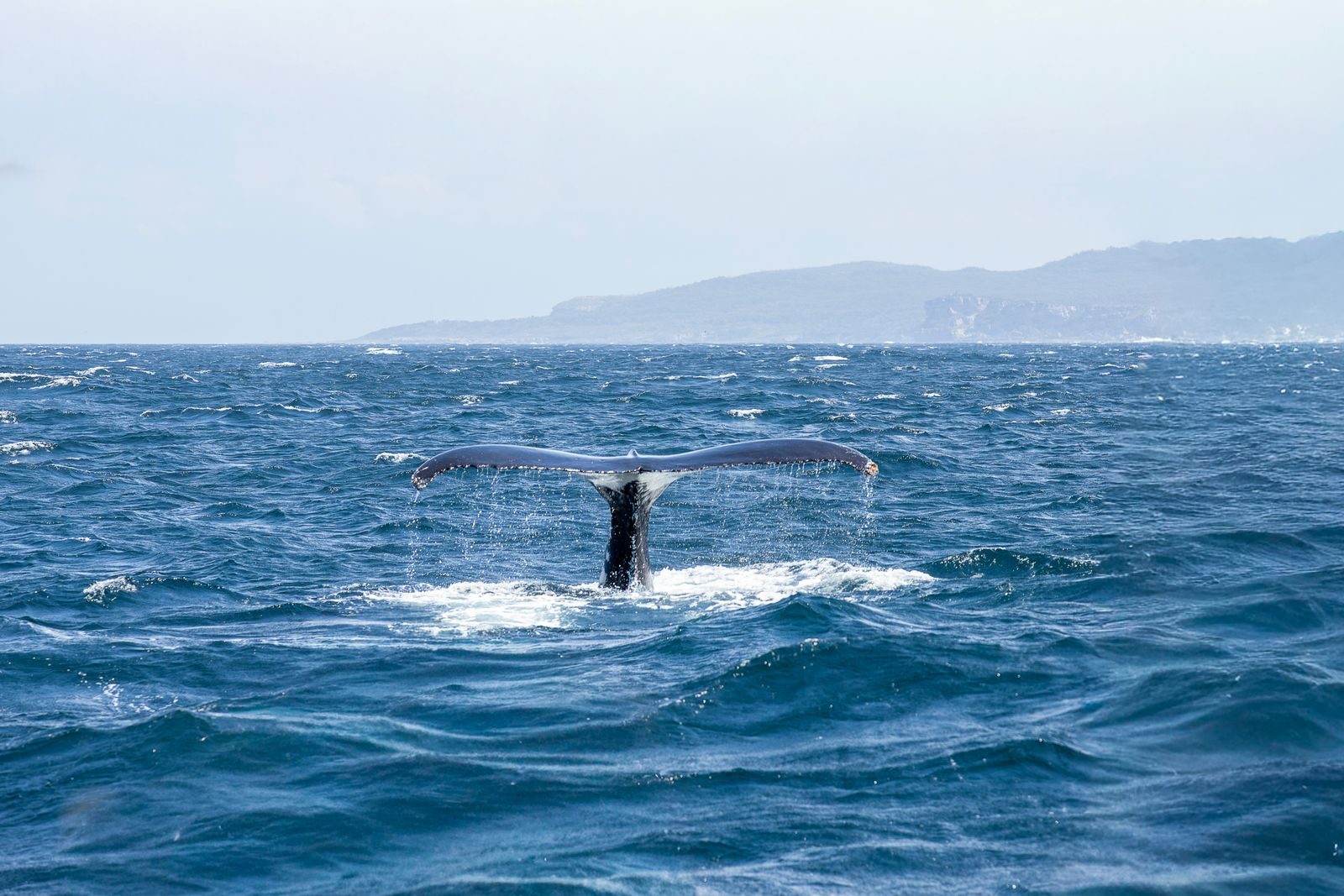
The ocean hides places so dark and deep that humans have barely explored them. That is why scientists were amazed when a camera on a giant whale captured never-before-seen scenes from far beneath the waves. By attaching a small homemade camera tag to a sperm whale, researchers gained a rare look into a world that is usually out of reach.
This incredible experiment showed much more than scientists expected. The footage revealed how sperm whales dive, hunt for food, communicate, and survive in complete darkness more than a mile below the ocean’s surface. In this article, you will discover how the expedition happened, what the camera recorded, and why these findings are helping scientists understand one of the largest predators on Earth like never before.
The mission to explore the unknown

The journey began when engineer and ocean explorer Eric Stackpole joined a scientific expedition to study sperm whales in their natural habitat. The team worked aboard an advanced research ship equipped with modern technology, but their most important tool was surprisingly simple. They created a homemade camera tag that could safely attach to a whale using suction cups. The goal was to see the ocean from the whale’s point of view and learn what happens during its deep dives.
Scientists have studied sperm whales for many years, but observing them underwater has always been difficult. These whales spend most of their lives beneath the surface, often diving to depths where sunlight cannot reach. Traditional cameras and underwater robots can only do so much because they cannot easily follow whales as they move through the vast ocean. By letting the whale carry the camera itself, researchers hoped to unlock secrets that had remained hidden for centuries.
How the camera tag worked
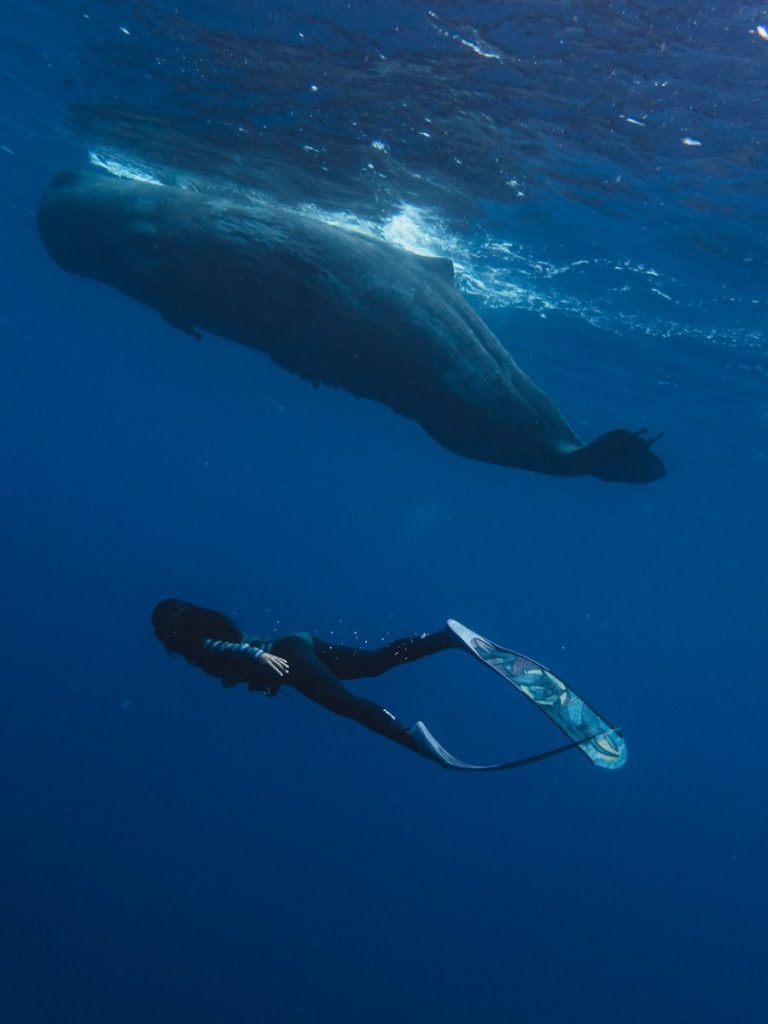
The camera tag was designed to be lightweight and harmless. It used suction cups to stick gently to the whale’s skin without causing pain or injury. The device contained a camera, sensors, and batteries capable of recording for hours at a time. It also measured important details such as depth, movement, and speed, giving scientists a complete picture of the whale’s behavior during its dives.
Attaching the tag required patience and skill. Researchers approached the whale carefully in a small boat and placed the tag when the animal surfaced to breathe. Once attached, the whale continued its normal activities while the camera recorded everything around it. After several hours, the suction cups naturally released, allowing the tag to float to the surface where the team could retrieve it and examine the footage. This method has become an important tool in marine science because it allows researchers to study large animals without disturbing their natural behavior.
The astonishing world beneath a mile of water
The footage revealed a world unlike anything most people imagine. As the whale descended deeper and deeper, sunlight slowly disappeared until the surroundings became completely dark. More than a mile below the surface, the ocean was cold, quiet, and mysterious. Yet despite these harsh conditions, life was everywhere. Strange creatures drifted through the darkness, glowing faintly or moving quickly to avoid predators.
The sperm whale moved through this hidden environment with incredible ease. Scientists observed how it adjusted its speed, changed direction, and searched for prey even when visibility was almost zero. The whale’s body is perfectly adapted for these extreme depths. It has a large supply of oxygen stored in its muscles and blood, allowing it to remain underwater for long periods. Researchers have recorded sperm whales diving deeper than 7,000 feet and staying underwater for more than an hour, making them some of the deepest-diving mammals on Earth.
How sperm whales hunt in total darkness
One of the most exciting discoveries involved the whale’s hunting behavior. Since there is no sunlight at such depths, sperm whales cannot rely on vision alone to find food. Instead, they use a remarkable ability called echolocation. The whale produces powerful clicking sounds that travel through the water and bounce off nearby objects. By listening to the returning echoes, it creates a mental map of its surroundings.
The camera footage showed how effective this system really is. As the whale searched for prey, its clicking patterns changed rapidly, becoming faster as it approached a target. Scientists believe these rapid clicks help the whale track fast-moving animals such as squid. Giant squid and large deep-sea squid are among the sperm whale’s favorite foods, and evidence of their battles can sometimes be seen in scars on the whales’ skin. The recordings offered a rare chance to observe this hunting process in action and confirmed just how skilled these animals are in one of the most difficult environments on the planet.
The hidden language of giant whales
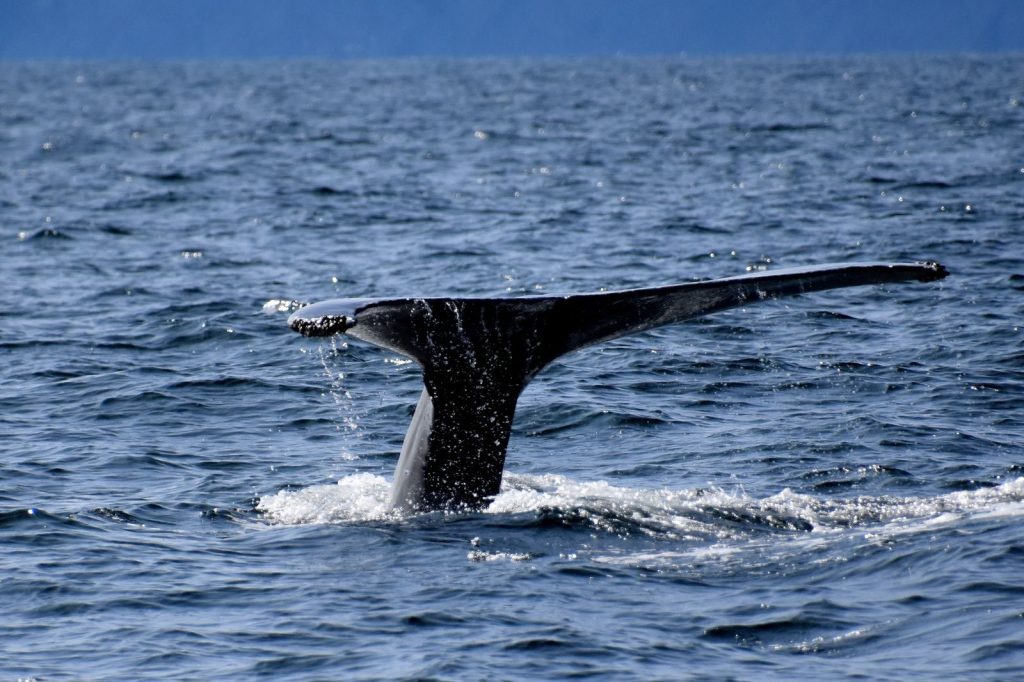
The expedition also shed light on how sperm whales communicate with one another. These whales are highly social animals that live in family groups called pods. They use patterns of clicks known as codas to exchange information. Scientists have long known that sperm whales produce different click sequences, but seeing their behavior alongside these sounds gave researchers new clues about what the calls might mean.
The recordings suggested that communication is an important part of daily life for sperm whales. Family members appear to coordinate movements, maintain social bonds, and possibly share information through sound. Researchers have discovered that different whale groups use unique patterns of clicks, almost like regional accents or dialects. This finding has led some scientists to believe that sperm whales possess a form of culture, where behaviors and communication styles are passed from one generation to the next. The camera footage helped support this idea by showing how closely linked sound and social behavior are in these giant mammals.
Why this discovery matters for the future

The success of this expedition is important for more than just scientific curiosity. Oceans cover more than 70 percent of Earth’s surface, yet much of the deep sea remains unexplored. By placing cameras on animals that naturally travel to these extreme environments, scientists can gather information that would otherwise be impossible to obtain. Every new discovery helps researchers understand how marine ecosystems function and how they may be changing over time.
This knowledge is becoming increasingly valuable as oceans face threats from climate change, pollution, and human activity. Sperm whales play an important role in ocean ecosystems, and learning more about their behavior can help guide conservation efforts. The footage captured by a simple homemade camera proved that innovation does not always require expensive equipment. Sometimes, a creative idea and a willingness to explore can reveal an entirely new world. The images from the whale’s journey reminded scientists and the public alike that our planet still holds countless mysteries waiting to be discovered beneath the waves.
Leave a Reply