
Imagine discovering a giant shark that ruled the oceans long before the mighty megalodon even existed. That is exactly what researchers uncovered in northern Australia after taking a fresh look at a group of forgotten fossils. The ancient predator lived about 115 million years ago during the age of dinosaurs and may have grown to around 26 feet long.
Scientists now believe it is the earliest known mega-predator from the same broad shark lineage that later gave rise to species like the great white. The discovery is changing what experts know about shark evolution and proving that giant ocean hunters appeared much earlier than anyone expected. Here is how the fossils were found and why this ancient shark matters so much.
A forgotten fossil sparked a new mystery
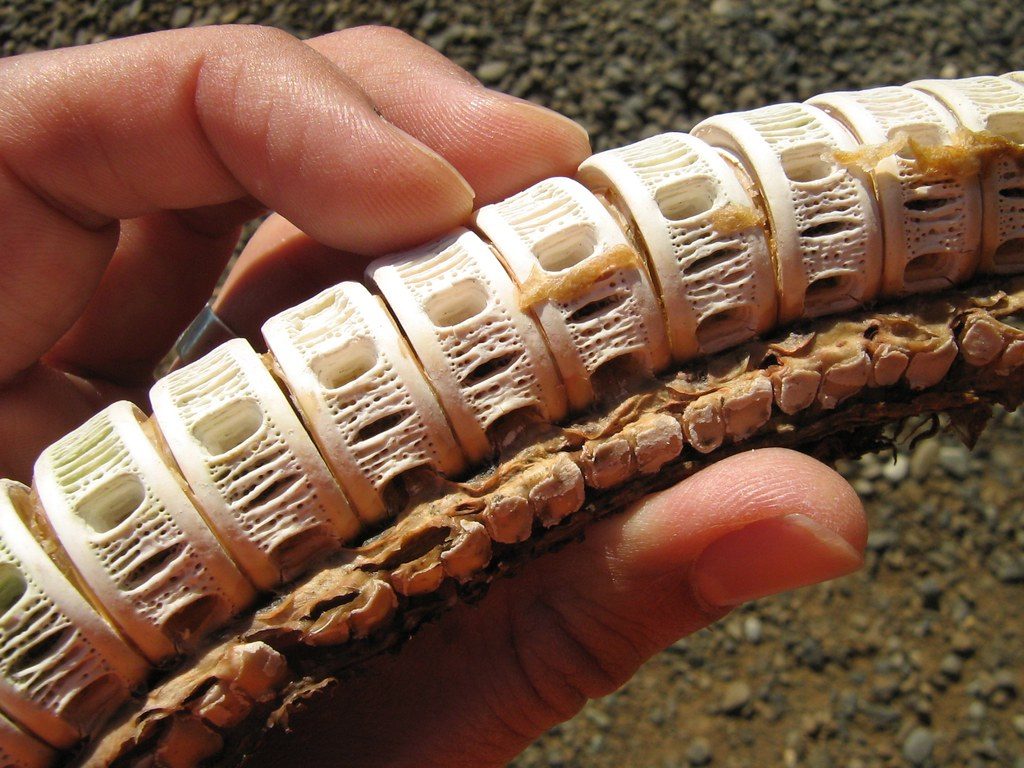
The story began with five large vertebrae discovered near Darwin in northern Australia. The fossils were unearthed during the late 1980s and 1990s from rocks that once formed the floor of an ancient ocean. After they were collected, the specimens spent years in a museum collection and attracted little attention from scientists.
That changed when researchers took another look at the fossils. The vertebrae measured about 4.7 inches across, which is unusually large for sharks from that time period. Scientists quickly realized they might belong to an animal far bigger than expected. The rediscovery launched years of research aimed at figuring out the size and identity of the mysterious predator.
The shark lived during the age of dinosaurs

This giant shark swam through Earth’s oceans around 115 million years ago during the Early Cretaceous period. At that time, dinosaurs ruled the land, while enormous marine reptiles dominated the seas. Long-necked plesiosaurs, swift ichthyosaurs, and other fearsome predators shared the waters with this ancient shark.
The region around present-day Darwin looked very different back then. It was covered by a vast inland sea connected to ancient continents that would later become Australia and Europe. The warm waters supported a rich ecosystem filled with fish, reptiles, and other marine animals. It was the perfect place for a giant predator to thrive.
Scientists identified an early mega-predator
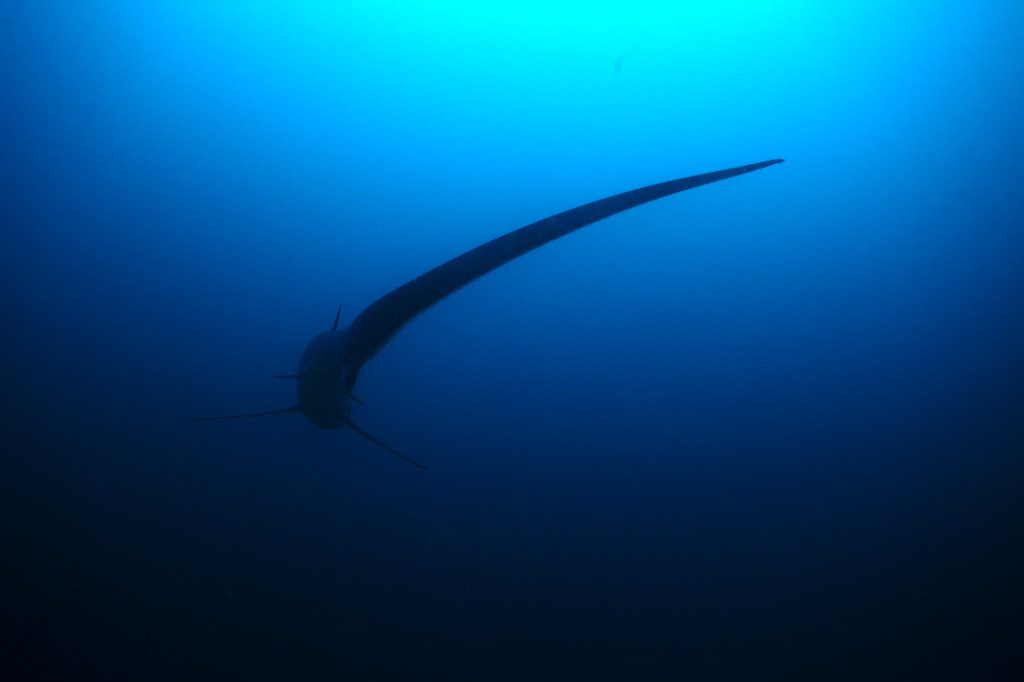
Researchers believe the shark belonged to an extinct group called the cardabiodontids. These sharks are relatives of modern lamniform sharks, a group that includes great whites, makos, and thresher sharks. Until now, scientists thought giant members of this family did not appear until much later in history.
The new discovery pushed that timeline back by about 15 million years. That makes the Darwin shark the earliest known mega-predator from the modern shark lineage. It also suggests that sharks evolved into large hunters much faster than researchers once believed. The findings show that giant predators were already patrolling the oceans while dinosaurs still dominated the planet.
Estimating the shark’s true size was difficult

Determining the size of extinct sharks is not easy. Unlike most animals, sharks have skeletons made mostly of cartilage rather than bone. Cartilage does not fossilize very well, so scientists often have to rely on teeth to estimate body size. The problem is that teeth can vary greatly between species, making those estimates uncertain.
The Darwin fossils offered a rare advantage because they included vertebrae. Researchers used CT scans, fisheries data, and mathematical models to compare the fossils with living sharks and extinct species. After years of testing different methods, they concluded the animal was likely about 8 meters, or 26 feet, long. That would make it larger than today’s great white sharks and one of the biggest predators of its era.
The ancient shark may have looked familiar
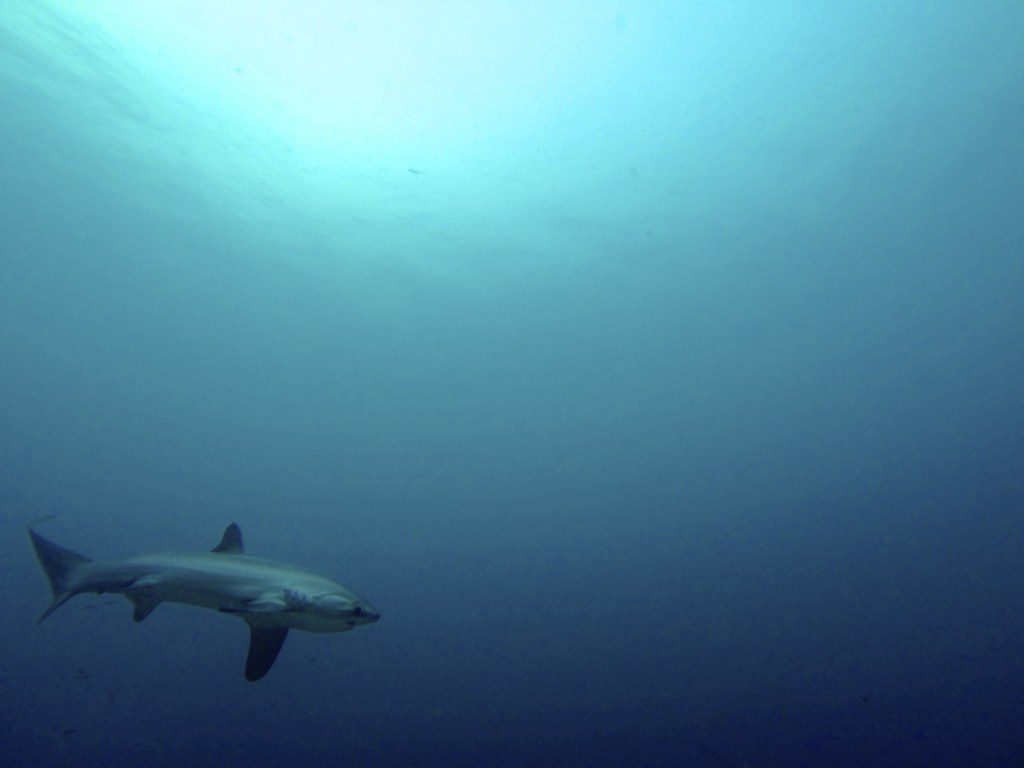
Even though this shark lived millions of years before megalodon, scientists believe it probably looked surprisingly modern. Its body shape was likely streamlined, with a powerful tail and a pointed snout designed for speed and hunting. In many ways, it may have resembled an oversized version of today’s great white shark.
Researchers say this body plan has been remarkably successful throughout shark history. The basic design allows sharks to swim efficiently, chase prey, and survive in changing environments. The Darwin predator proves that this winning formula was already in place more than 100 million years ago. It is one reason sharks have survived multiple mass extinctions and continue to thrive today.
The discovery could reveal even older giants

Scientists think this giant shark was probably not the first of its kind. If a mega-predator existed 115 million years ago, then older ancestors must have lived even earlier. Researchers now hope to search similar fossil sites around the world to uncover more clues about when giant sharks first appeared.
The discovery also offers important lessons for the future. By studying ancient ecosystems, scientists can learn how marine life responded to changes in climate and biodiversity over millions of years. Understanding those past changes may help researchers predict how today’s sharks and ocean species will cope with environmental challenges in the years ahead.
Leave a Reply