
Have you ever wondered why one of the ocean’s most feared predators can suddenly flee when orcas arrive? The answer lies in a fascinating battle between two apex predators. Great white sharks are powerful hunters with sharp senses, strong jaws, and incredible speed. Yet in many documented encounters, they avoid areas where orcas are present and sometimes leave for weeks or even months.
Understanding what makes orcas powerful enough to scare great whites reveals just how remarkable these marine mammals are. From intelligence and teamwork to specialized hunting skills, orcas possess advantages that few ocean animals can match. This article explores the key reasons why orcas often dominate encounters with great white sharks and why these sharks treat them as a serious threat.
Orcas combine size, strength, and speed

Orcas are the largest members of the dolphin family and can grow much larger than many shark species. Adult males may reach lengths of more than 25 feet and weigh several tons. Their muscular bodies allow them to swim at high speeds and generate tremendous power in the water. This strength helps them chase prey, deliver forceful blows, and control large animals during hunts.
Great white sharks are also powerful predators, but physical strength alone does not explain why they often avoid orcas. Orcas are warm-blooded mammals with highly efficient bodies that support long-distance travel and active hunting. Their combination of endurance, power, and agility allows them to pursue prey in ways that many sharks cannot match.
Intelligence gives orcas a major advantage
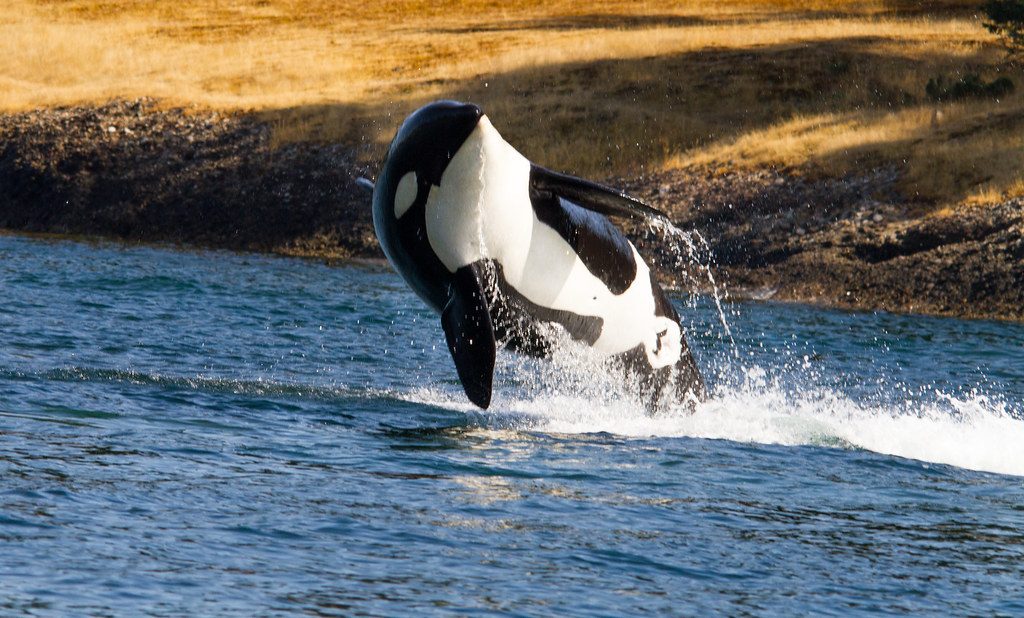
One of the greatest strengths of orcas is their intelligence. Scientists consider them among the smartest animals on Earth. They can learn complex behaviors, solve problems, communicate with pod members, and pass hunting techniques from one generation to another. This ability allows different groups of orcas to develop specialized hunting strategies based on the prey available in their region.
Great white sharks rely heavily on instinct and powerful senses, but orcas can adapt their behavior and create new solutions. Researchers have documented orcas using carefully coordinated methods to hunt sharks, including techniques that appear to be taught within family groups. This ability to learn and share knowledge gives orcas a major advantage over predators that depend mostly on instinctive behavior.
Teamwork makes orcas incredibly effective

Unlike great white sharks, which usually hunt alone, orcas often work together in family groups called pods. Members of a pod cooperate during hunts, communicate with one another, and coordinate their movements. This teamwork allows them to surround prey, tire it out, and attack from multiple directions.
When facing a large shark, teamwork can completely change the outcome. Several orcas working together can overwhelm even a strong predator. Each animal plays a role, creating a level of coordination that a solitary shark cannot easily counter. This social hunting style helps explain why great whites often choose to avoid encounters rather than risk a confrontation with a pod of orcas.
Orcas know how to exploit shark weaknesses

Orcas do not simply rely on strength. They understand how to target vulnerabilities in sharks. One of the most remarkable techniques involves flipping a shark upside down. This causes a condition called tonic immobility, a temporary state in which the shark becomes largely helpless and unable to defend itself effectively.
Researchers have observed orcas using this technique on great white sharks and other shark species. Once the shark is immobilized, the orcas can maintain control and access nutrient-rich organs. This behavior shows that orcas are not just powerful hunters. They are strategic hunters that know how to use a shark’s own biology against it.
Shark livers are a valuable reward

Many documented attacks suggest that orcas are especially interested in a shark’s liver. Shark livers are extremely rich in fats and nutrients, making them a valuable source of energy. In several observed cases, orcas removed and consumed the liver while leaving much of the rest of the shark behind.
This selective feeding behavior demonstrates how efficient orcas can be. Rather than consuming an entire shark, they often focus on the most nutritious part. Researchers have recorded multiple incidents in different parts of the world where great white sharks were found with their livers removed. These observations suggest that some orca populations have become highly skilled shark hunters with a preference for this energy-rich organ.
Great whites recognize orcas as a serious threat
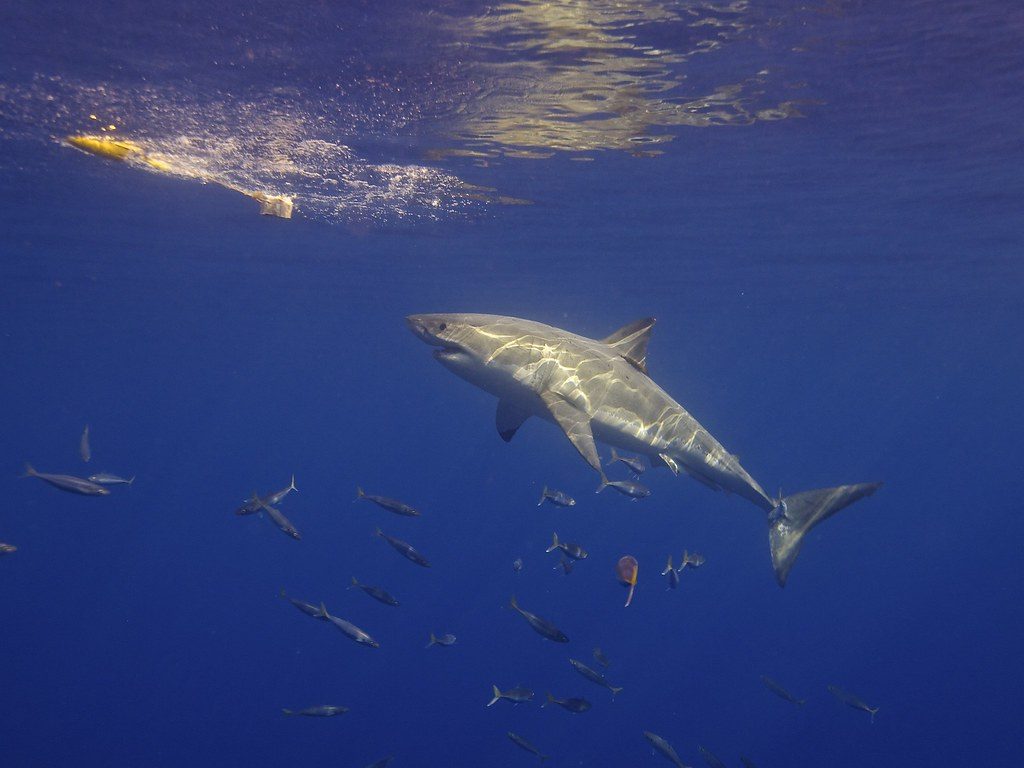
Perhaps the strongest evidence of orca dominance is the behavior of great white sharks themselves. Studies have shown that white sharks often leave areas shortly after orcas appear. In some regions, sharks abandoned important feeding grounds and stayed away for extended periods following encounters with killer whales.
This response is significant because great whites are not known for being easily frightened. As apex predators, they rarely face threats from other animals. Yet the presence of orcas can change their movement patterns dramatically. Scientists believe sharks may recognize the danger through direct encounters, environmental cues, or learned behavior. Whatever the reason, the result is clear: many great whites choose avoidance over conflict when orcas are nearby.
Leave a Reply