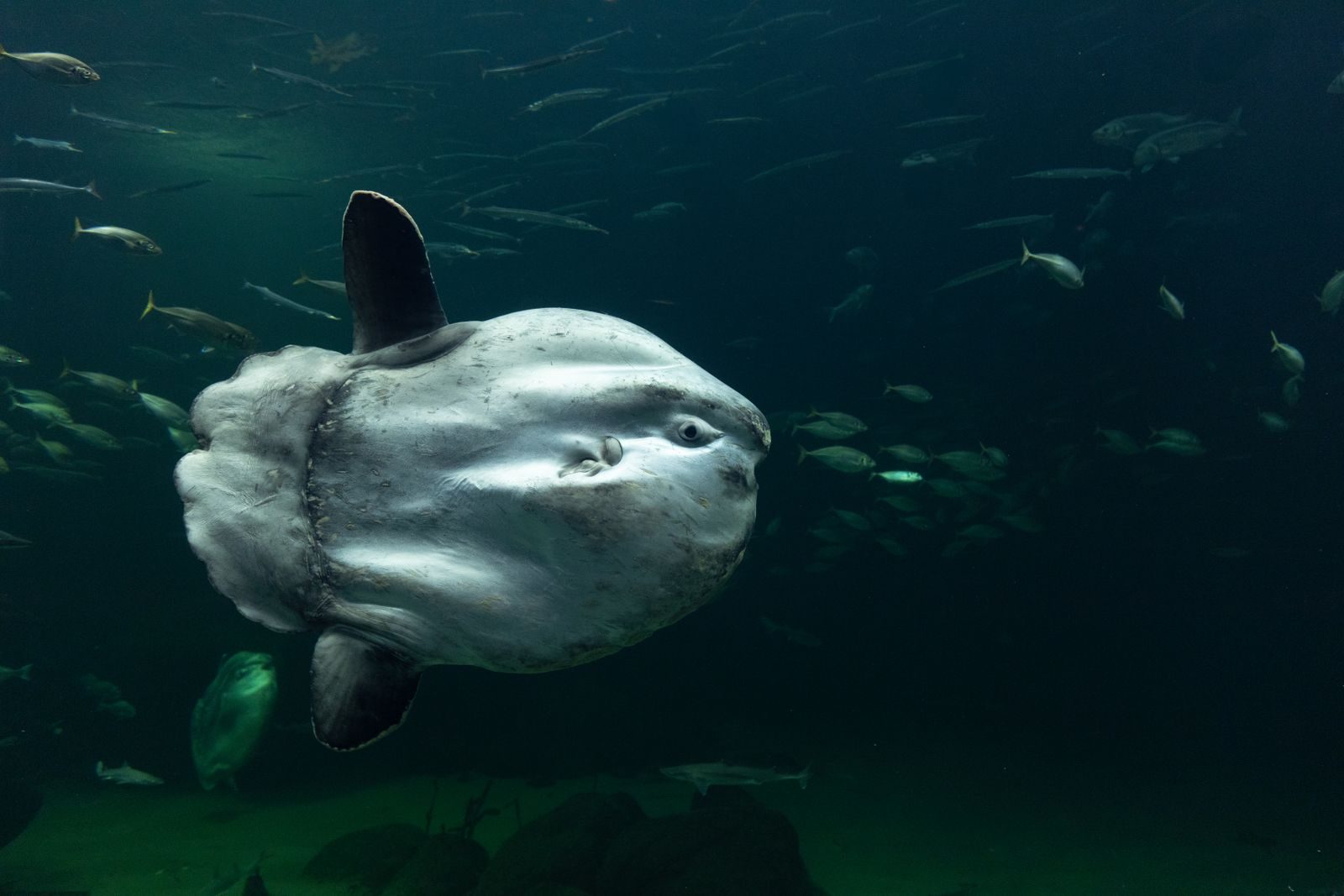
The ocean sunfish is famous for its huge size, but one fact is even more surprising. A female ocean sunfish can produce up to 300 million eggs at one time, more than any other known vertebrate. That number sounds impossible until you learn why nature gave this fish such an unusual strategy.
Most of those tiny eggs never become adults because life in the open ocean is full of danger. In this article, you’ll discover why the ocean sunfish produces so many eggs, how its young survive, and what makes this giant fish one of the ocean’s most fascinating animals.
The ocean sunfish is a true giant
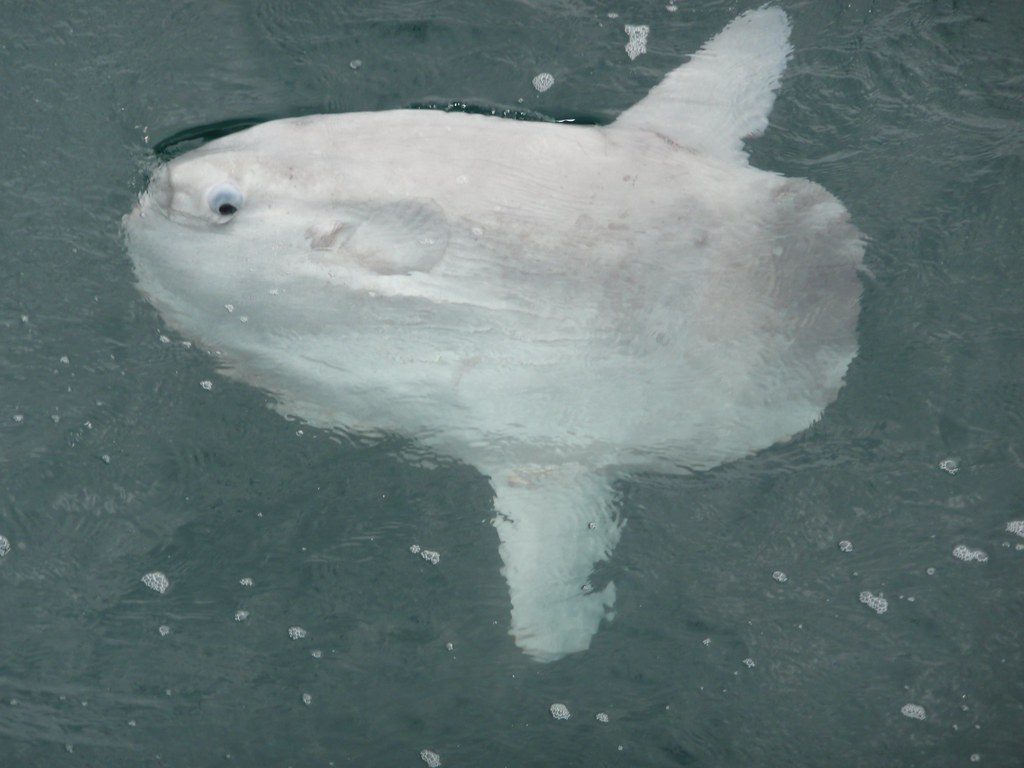
The ocean sunfish, also called Mola mola, is one of the world’s largest bony fish. Adults can grow over 10 feet long and weigh more than 2,000 pounds. Its flat, round body and short tail make it easy to recognize.
Even though adults are huge, they begin life as tiny eggs that measure about 1.3 millimeters across. Newly hatched larvae are only a few millimeters long, showing just how incredible the fish’s growth is during its lifetime.
Why does it produce 300 million eggs

The biggest reason the ocean sunfish produces so many eggs is that very few young survive. Eggs and tiny larvae drift through open water where they are easy meals for fish, jellyfish, and other predators.
By releasing hundreds of millions of eggs, the female increases the chances that at least a small number will survive long enough to grow. This strategy helps keep the species alive even though the loss of young is extremely high.
Life starts with broadcast spawning
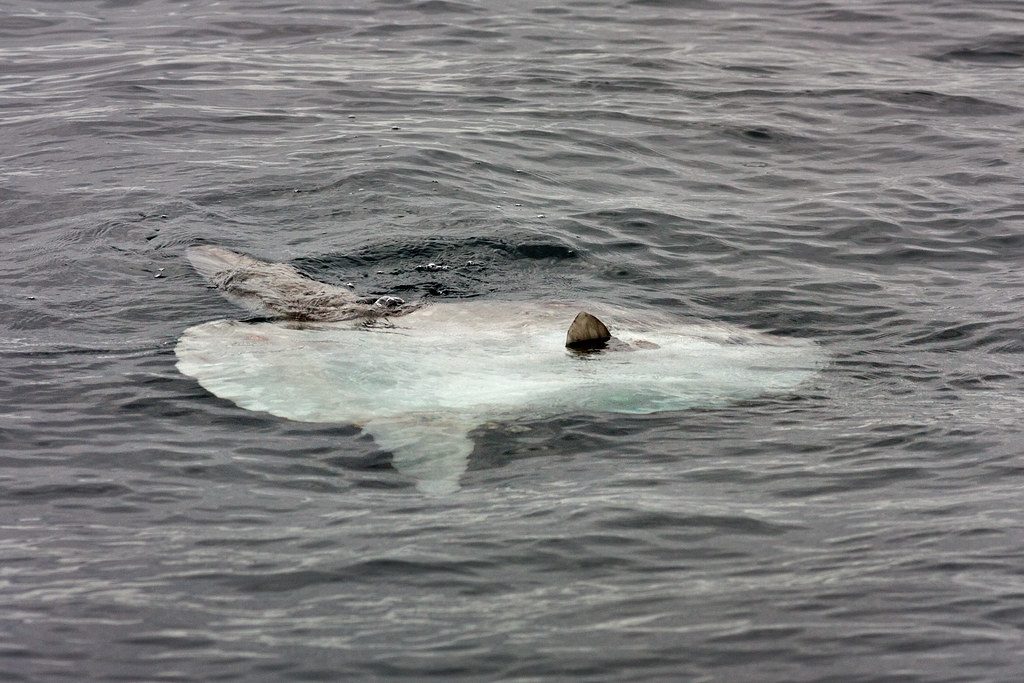
Ocean sunfish reproduce through a process called broadcast spawning. The female releases her eggs into the water, while nearby males release sperm at the same time. Fertilization happens outside the body.
Scientists still know surprisingly little about where and when ocean sunfish gather to spawn. Much of their breeding behavior remains a mystery because these giant fish spend much of their lives far out at sea.
Growing from tiny to enormous
After hatching, young sunfish look very different from adults. They have body spines and resemble tiny pufferfish, which are close relatives. As they grow, the spines disappear and the body takes on its familiar round shape.
The fish grows at an amazing rate. Some scientists estimate that an adult ocean sunfish can become about 60 million times heavier than it was when it first hatched, making it one of the most dramatic growth stories among vertebrates.
Surviving in the open ocean
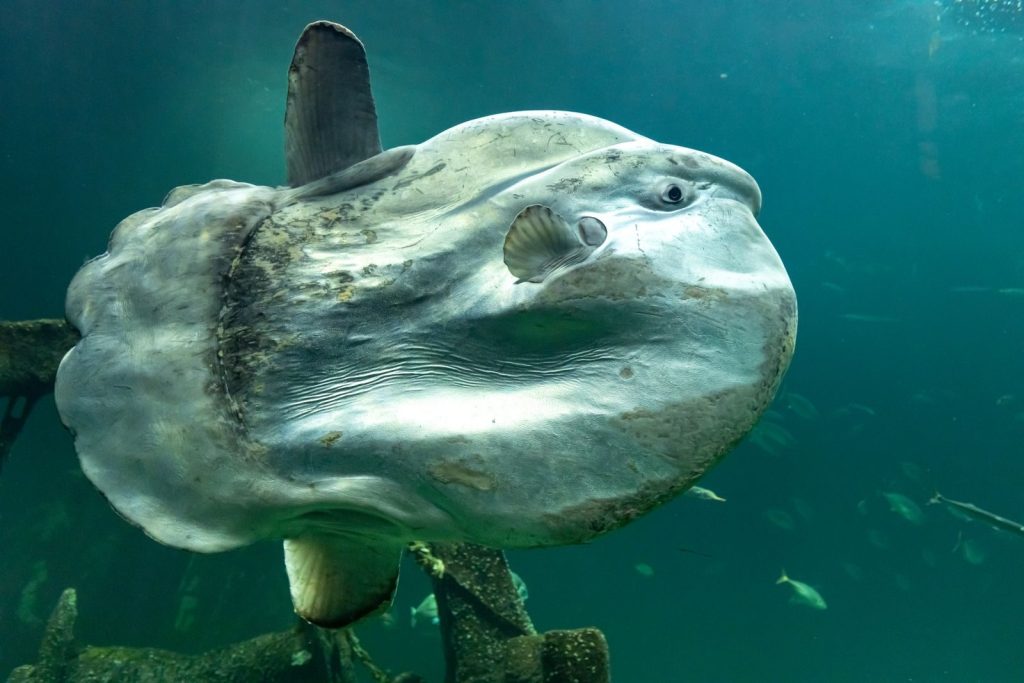
Young sunfish face constant danger. Many are eaten before they reach adulthood, while adults have far fewer natural predators because of their large size and thick skin. Sharks, sea lions, and orcas are among the few animals that can hunt full-grown sunfish.
Ocean sunfish also spend time near the surface, where they may appear to be sunbathing. Researchers believe this behavior may help them warm up after deep dives and allow seabirds to remove parasites from their skin.
Why this strategy works
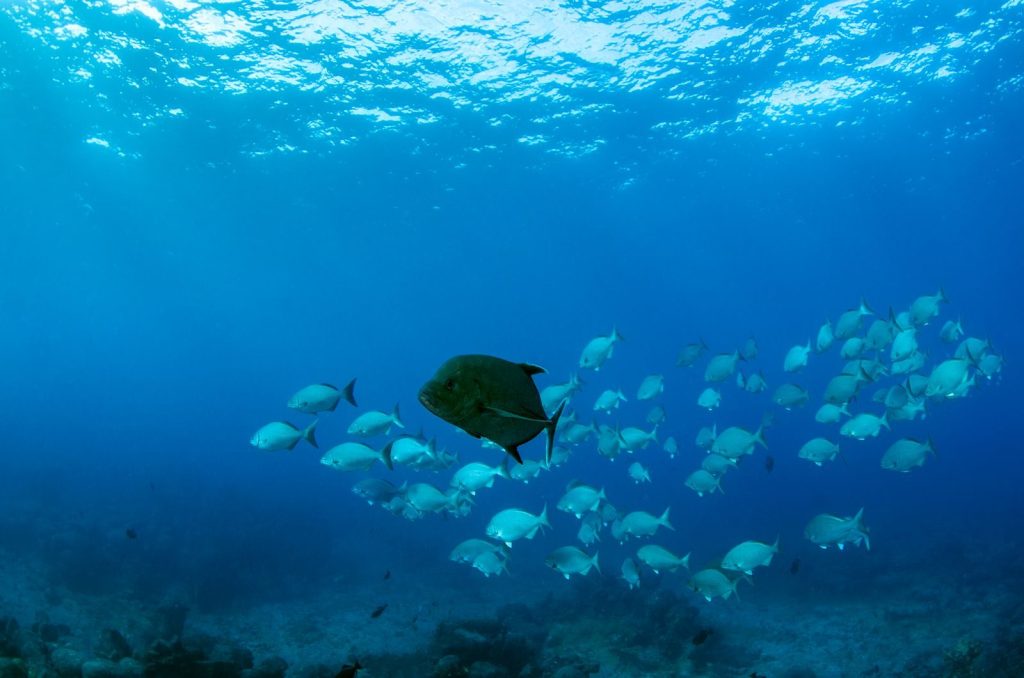
Producing 300 million eggs may seem wasteful, but it is an effective survival strategy. Since only a tiny fraction of the eggs will become adults, creating an enormous number gives the species the best chance of continuing from one generation to the next.
The ocean sunfish proves that survival in nature is not always about protecting every offspring. Sometimes success comes from producing many young and letting natural selection decide which ones are strong enough to survive.
Leave a Reply