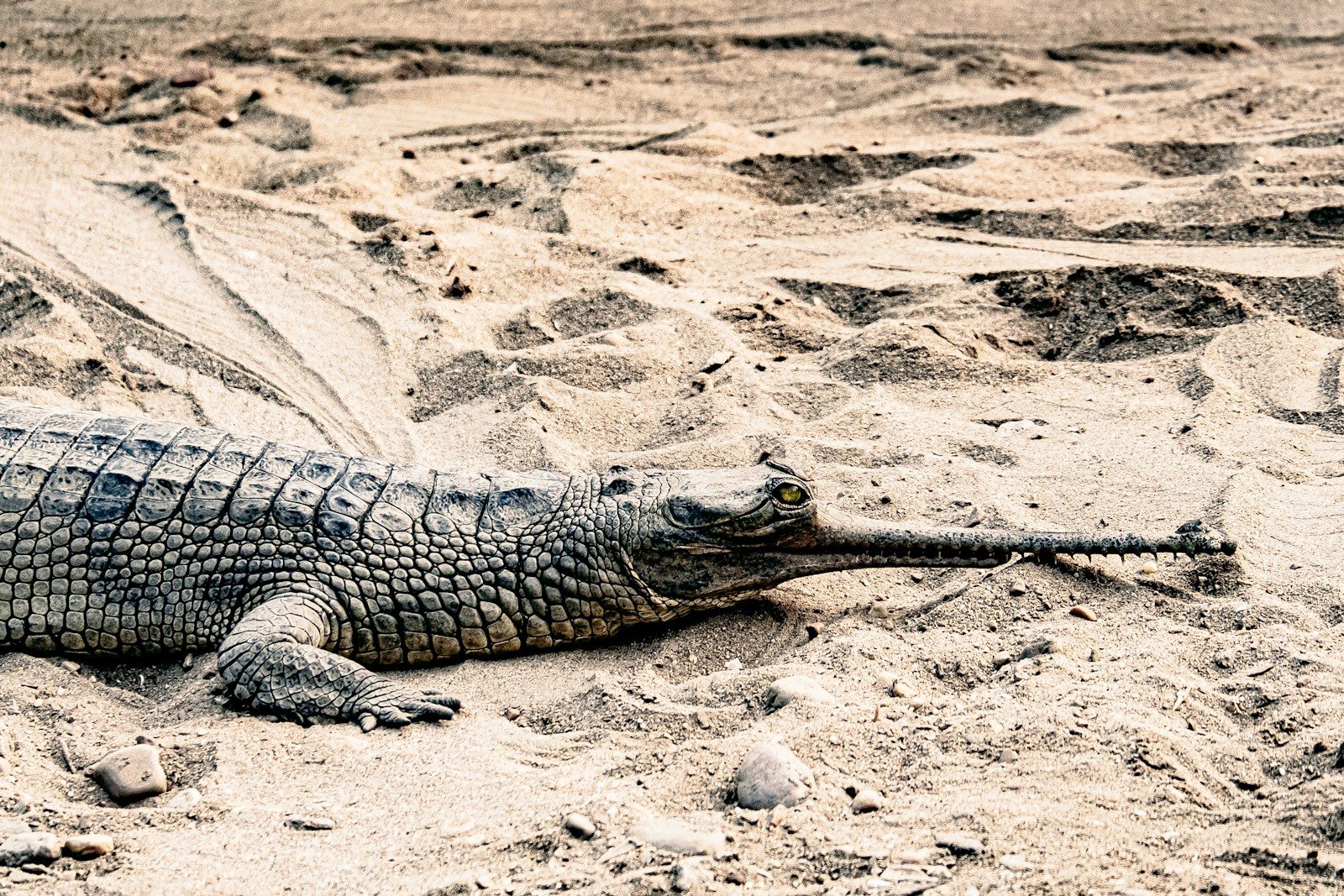
Most people can recognize a crocodile, but far fewer have ever heard of the gharial. This ancient reptile looks unlike any other crocodilian alive today. Its long, needle-thin snout and rows of sharp teeth make it perfectly suited to catching fish rather than large animals.
Once found across much of South Asia, the gharial is now one of the world’s most endangered reptiles. This article explores what makes the gharial so unique, why it almost disappeared, and how conservation efforts are helping protect the few that remain in the wild.
A crocodile unlike any other
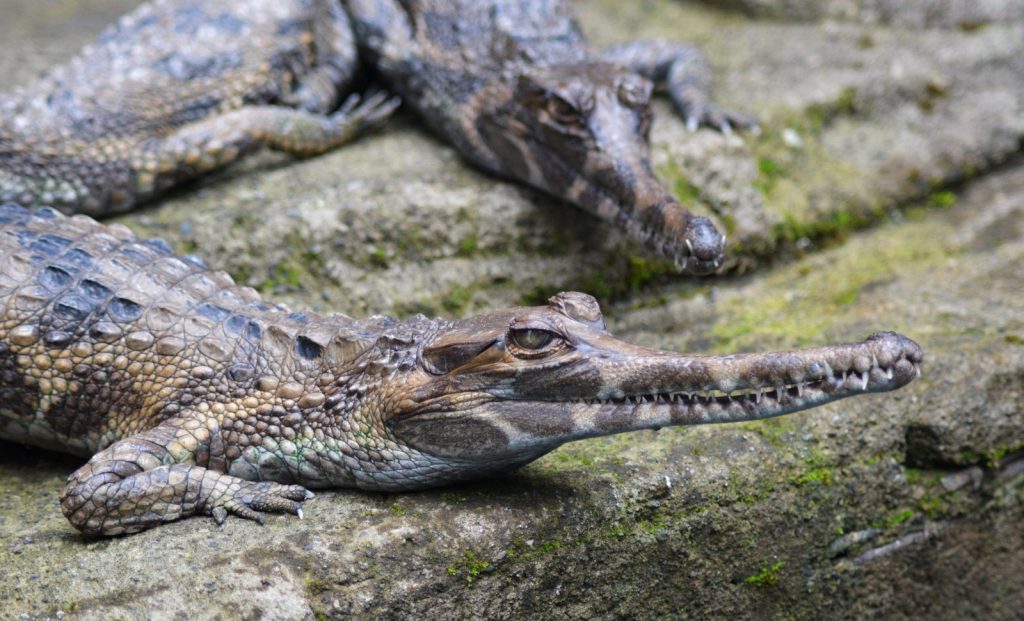
The gharial is easy to recognize because of its extremely long, narrow snout. Unlike the broad jaws of most crocodiles, its slender snout creates very little resistance in the water, allowing it to snap quickly at fast-moving fish.
Its mouth contains more than 100 sharp, interlocking teeth that help grip slippery prey. Adult males also develop a rounded growth on the tip of the snout called a “ghara,” which is used during communication and courtship.
Built almost entirely for catching fish
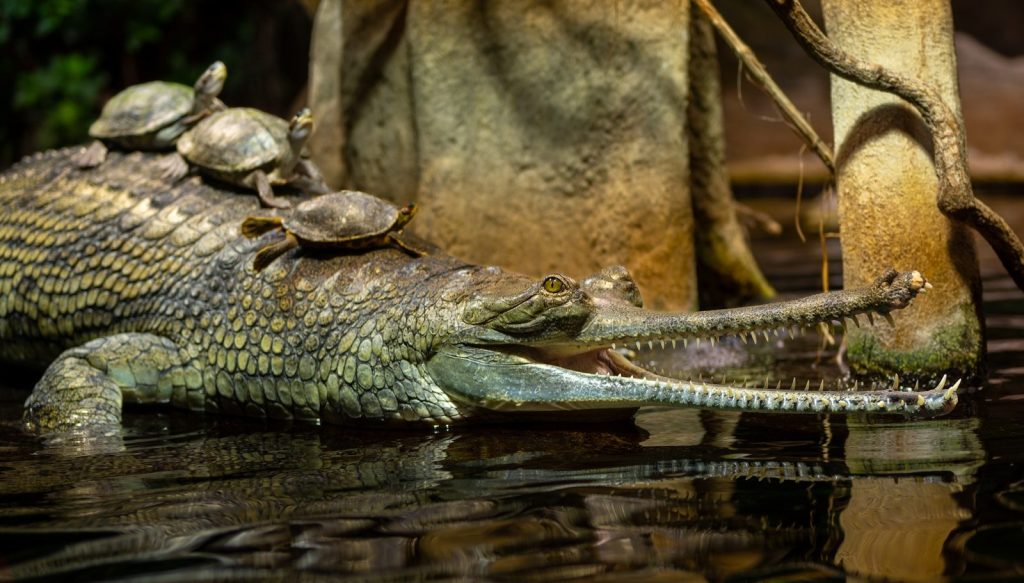
Unlike many crocodiles that hunt mammals, birds, and reptiles, adult gharials feed almost entirely on fish. Their long jaws allow them to move rapidly through the water while chasing prey.
Young gharials eat insects, frogs, and small aquatic animals before switching to a mostly fish-based diet as they mature. This specialized feeding strategy has shaped nearly every part of their body over millions of years.
Life depends on healthy rivers
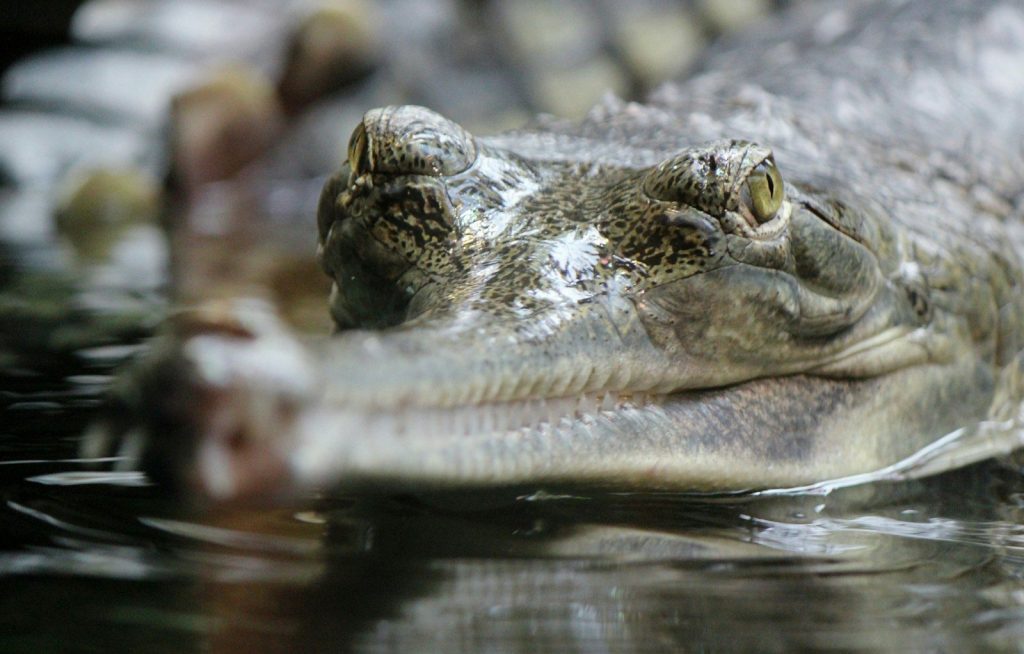
Gharials spend nearly all of their lives in large freshwater rivers with sandy banks. They are less capable of moving on land than many other crocodilians and depend on clean, flowing rivers for hunting, nesting, and raising their young.
As rivers have been altered by dams, sand mining, pollution, and water extraction, suitable habitat has become much harder to find. Many populations have disappeared as their river ecosystems changed.
A species pushed toward extinction
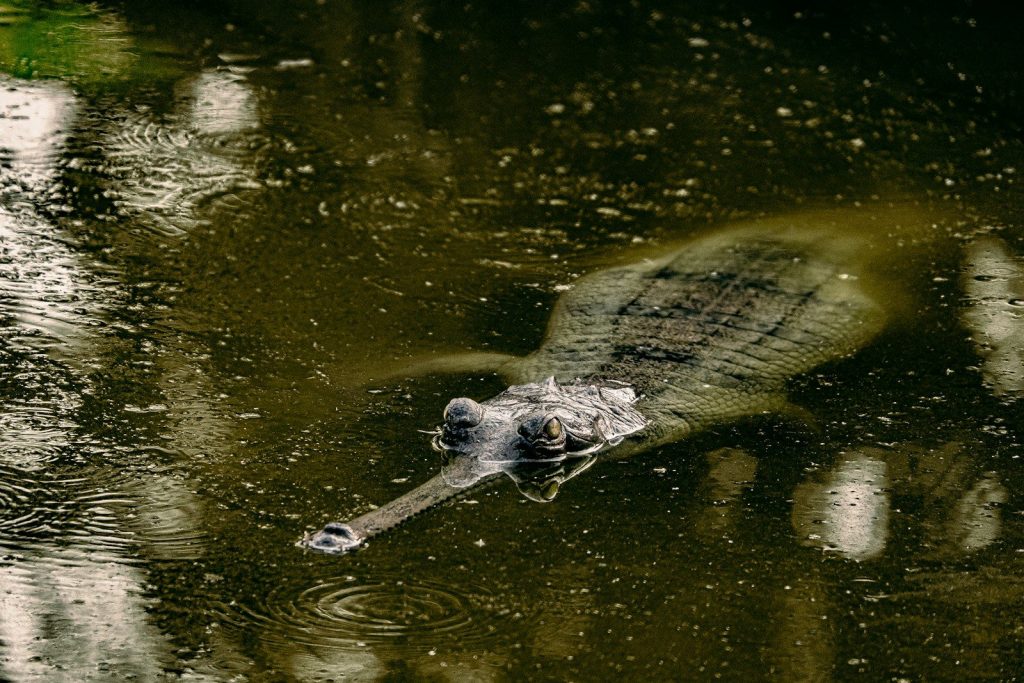
The gharial is now listed as Critically Endangered after suffering one of the steepest population declines among crocodilians. Today, it survives in only a small part of its former range across India and Nepal.
Fishing nets also pose a serious threat, as the gharial’s long snout can easily become entangled underwater. Many animals drown before they are able to escape.
Scientists are helping the species recover
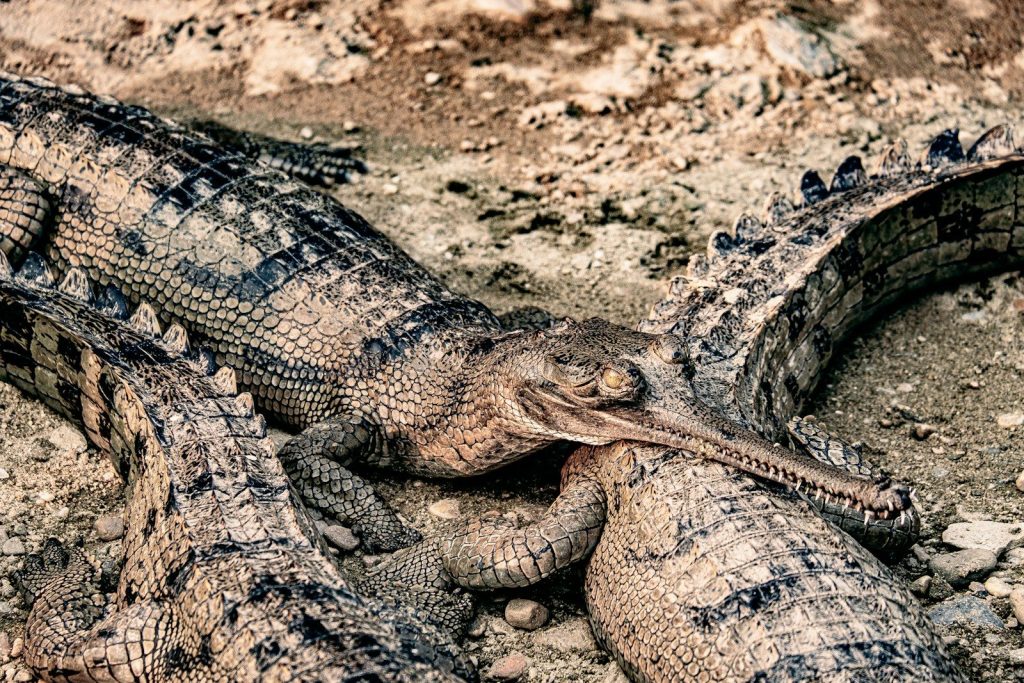
Conservation groups and wildlife agencies are working to protect nesting beaches, restore river habitats, and breed gharials for release into the wild. These programs have helped increase populations in several protected river systems.
Researchers continue monitoring wild populations to better understand how the animals use rivers and what additional protection they need. Long-term success depends on keeping rivers healthy and reducing human impacts.
A remarkable survivor from another age
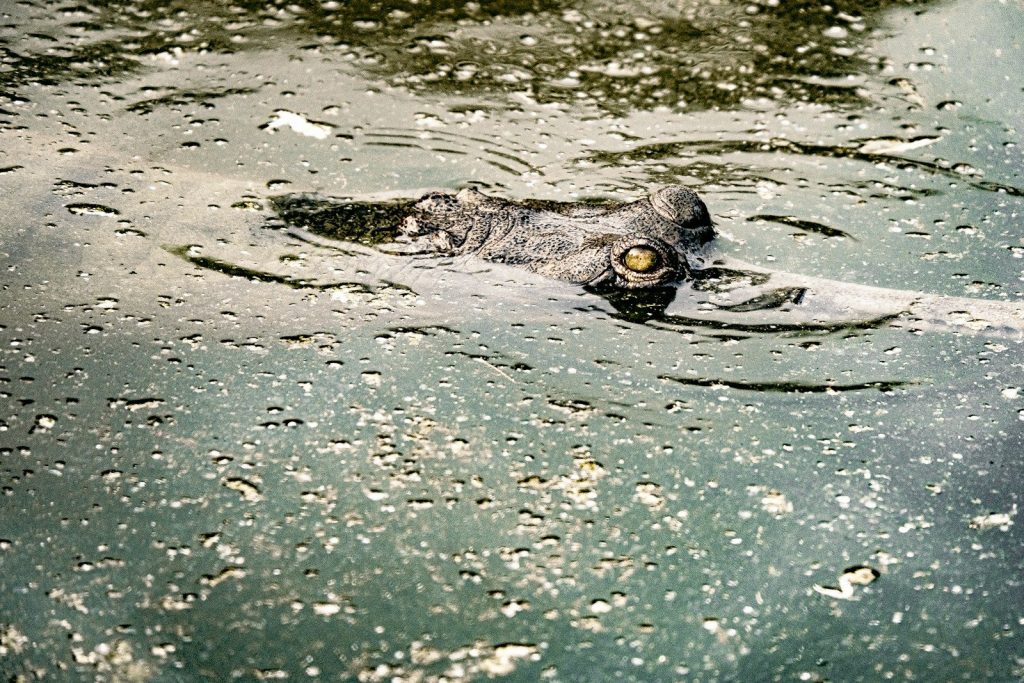
The gharial has survived for millions of years, yet today it faces challenges largely driven by environmental changes. Its unusual appearance reflects a long evolutionary history that produced one of the world’s most specialized crocodilians.
Protecting the gharial means protecting the rivers where it lives. Every successful conservation effort helps ensure that future generations will still have the chance to see one of Earth’s most extraordinary reptiles in the wild.
Leave a Reply