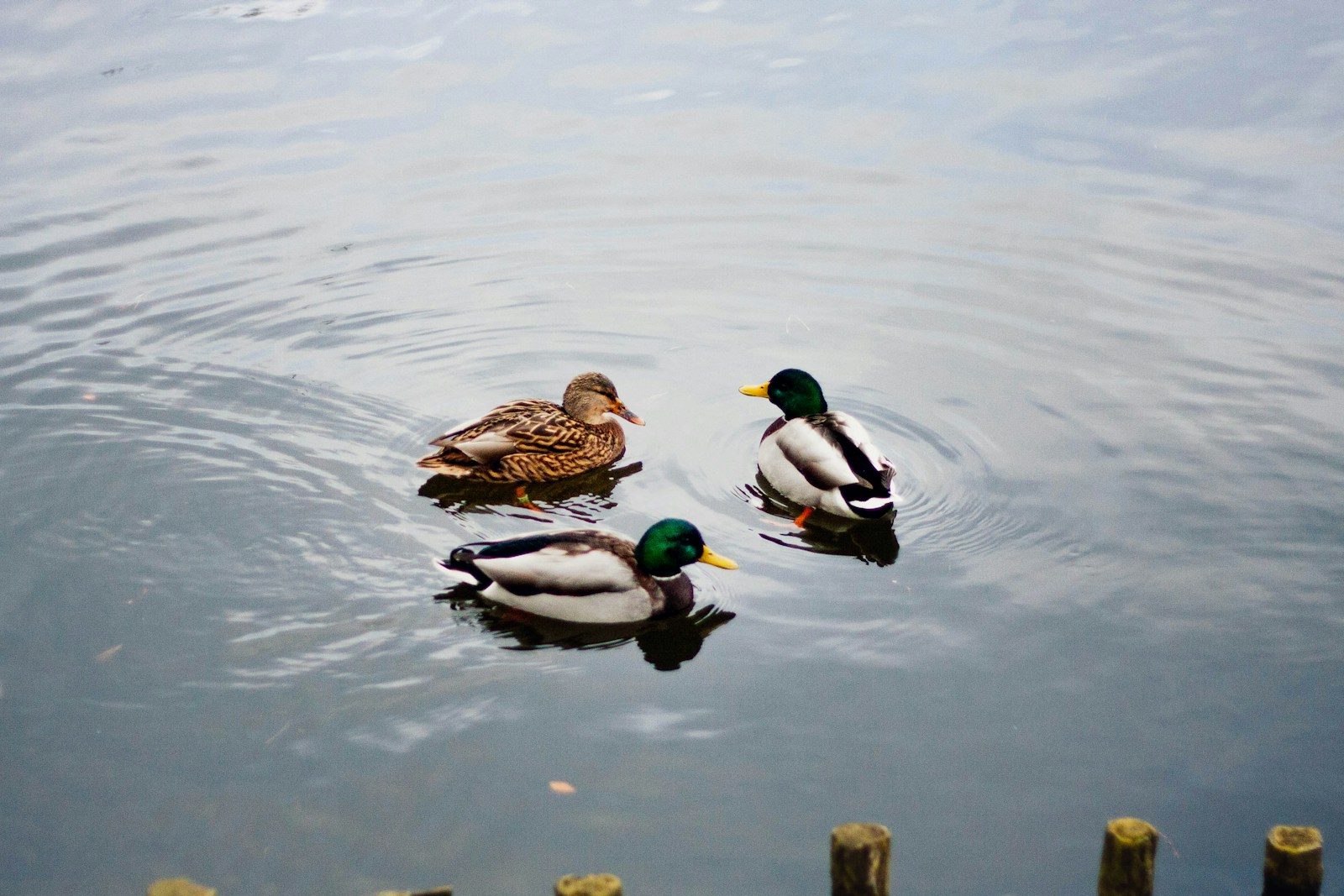
The recent discovery of three dead ducks near the Lincoln Memorial Reflecting Pool has raised new questions about the ongoing renovation of the pool. While some people have suggested algae or water treatment chemicals could be involved, no official cause has been confirmed.
Wildlife experts are now examining the birds to learn what happened. This article explains why the duck deaths are receiving attention, what scientists know so far, how the Reflecting Pool renovation has faced repeated challenges, and why experts say it is too early to reach conclusions.
Three ducks were found near the Reflecting Pool
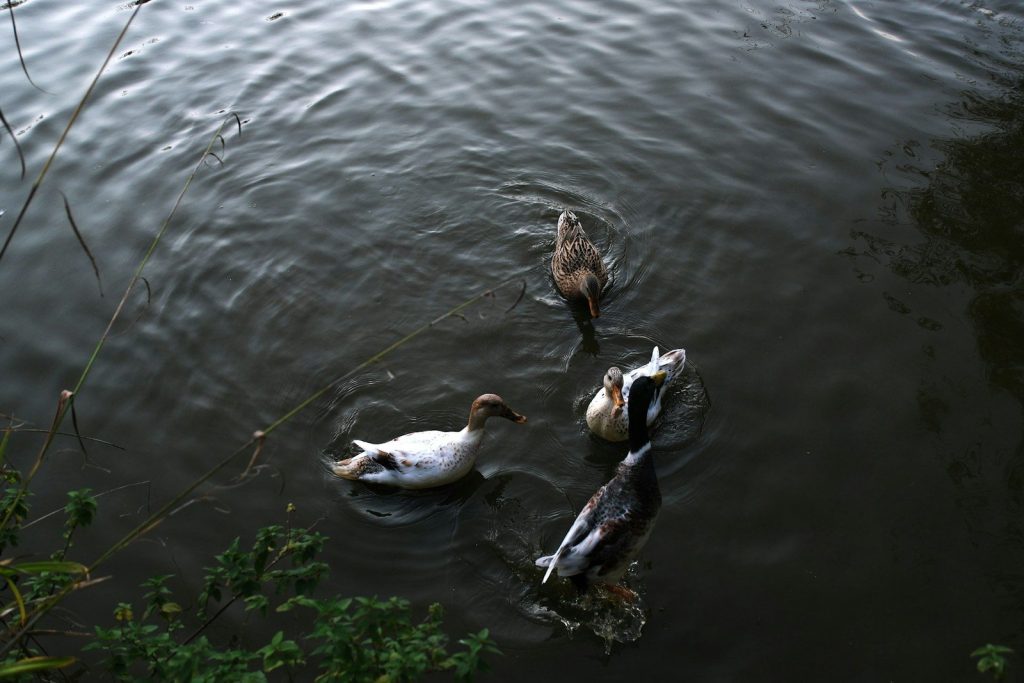
Concern grew after two dead ducks were collected from a nearby pond by City Wildlife, a Washington, D.C., wildlife rehabilitation organization. On the same day, another young duck was seen floating in the Lincoln Memorial Reflecting Pool.
The discoveries quickly raised questions because the pool has recently experienced algae growth and other problems following a major renovation. However, wildlife officials have stressed that the cause of death remains unknown until testing is complete.
Wildlife experts are investigating
City Wildlife announced that it plans to perform necropsies on the recovered ducks. The examinations are expected to help determine whether the birds died from disease, injuries, environmental conditions, or another cause.
The organization has also continued its daily monitoring of ducks around the Reflecting Pool. Until laboratory results are available, it says it cannot comment on the cause of the deaths.
Questions about algae and water treatment
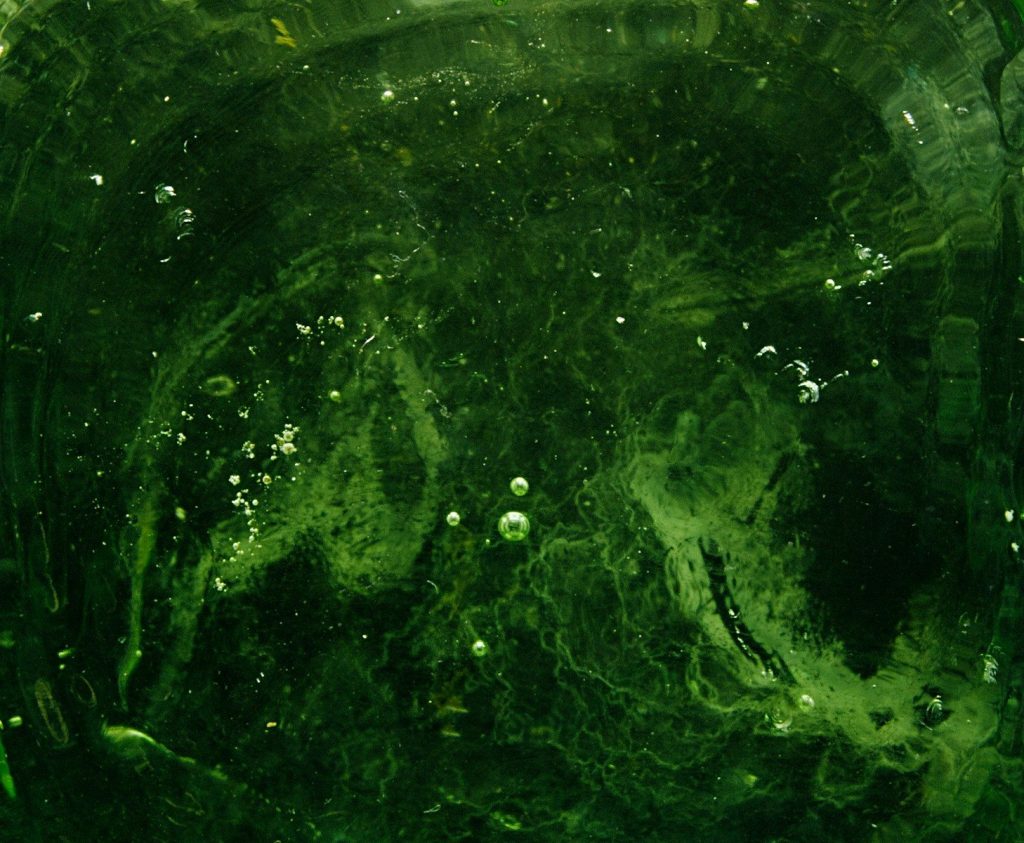
Some observers have wondered whether harmful blue-green algae, known as cyanobacteria, could be present in the green water. Others have questioned whether recent algae treatment methods played any role in the incident.
Federal officials have previously said the hydrogen peroxide used to control algae is a standard treatment and does not pose harmful side effects to wildlife when used correctly. Former U.S. Fish and Wildlife Service official Brad Bortner also said that hydrogen peroxide at algae-control levels is unlikely to have caused the duck deaths.
The renovation has faced several problems
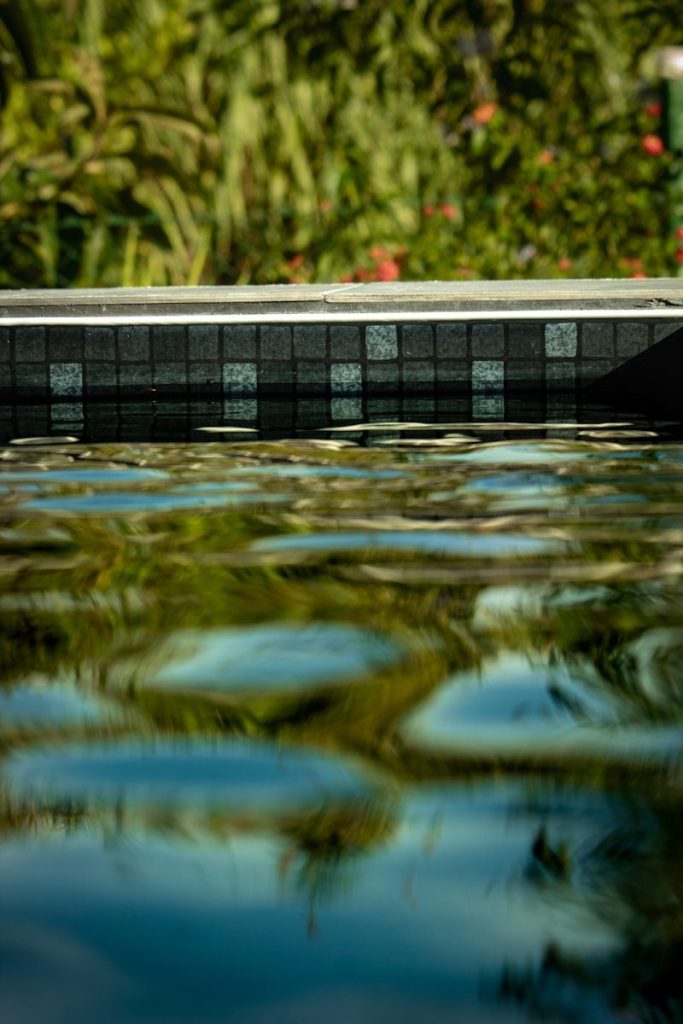
The Reflecting Pool renovation was intended to prepare the landmark for upcoming national celebrations. Soon after the pool was refilled, algae spread across the water, and workers also discovered areas where the new liner had begun peeling.
Officials have treated the algae with peroxide and ozone, and used cleaning equipment, while continuing to investigate the liner problems. The National Park Service has also reported suspected vandalism involving damage to the liner, although investigations remain ongoing.
Many possible causes remain
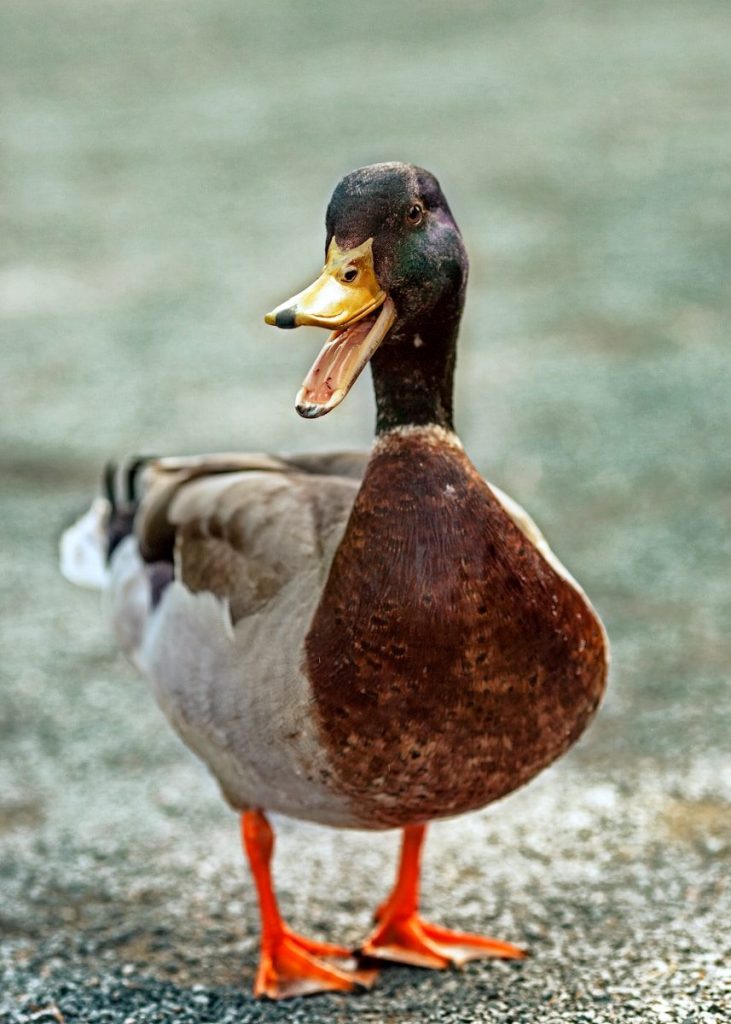
Wildlife experts caution that ducks can die for many different reasons. In urban areas, young ducks often fall victim to predators, injuries, disease, drowning, or other natural hazards.
Experts say it would be wrong to assume the renovation caused these deaths without scientific evidence. Water testing and necropsy results will be needed before investigators can determine whether the ducks were exposed to harmful algae or any other environmental factor.
Waiting for scientific answers
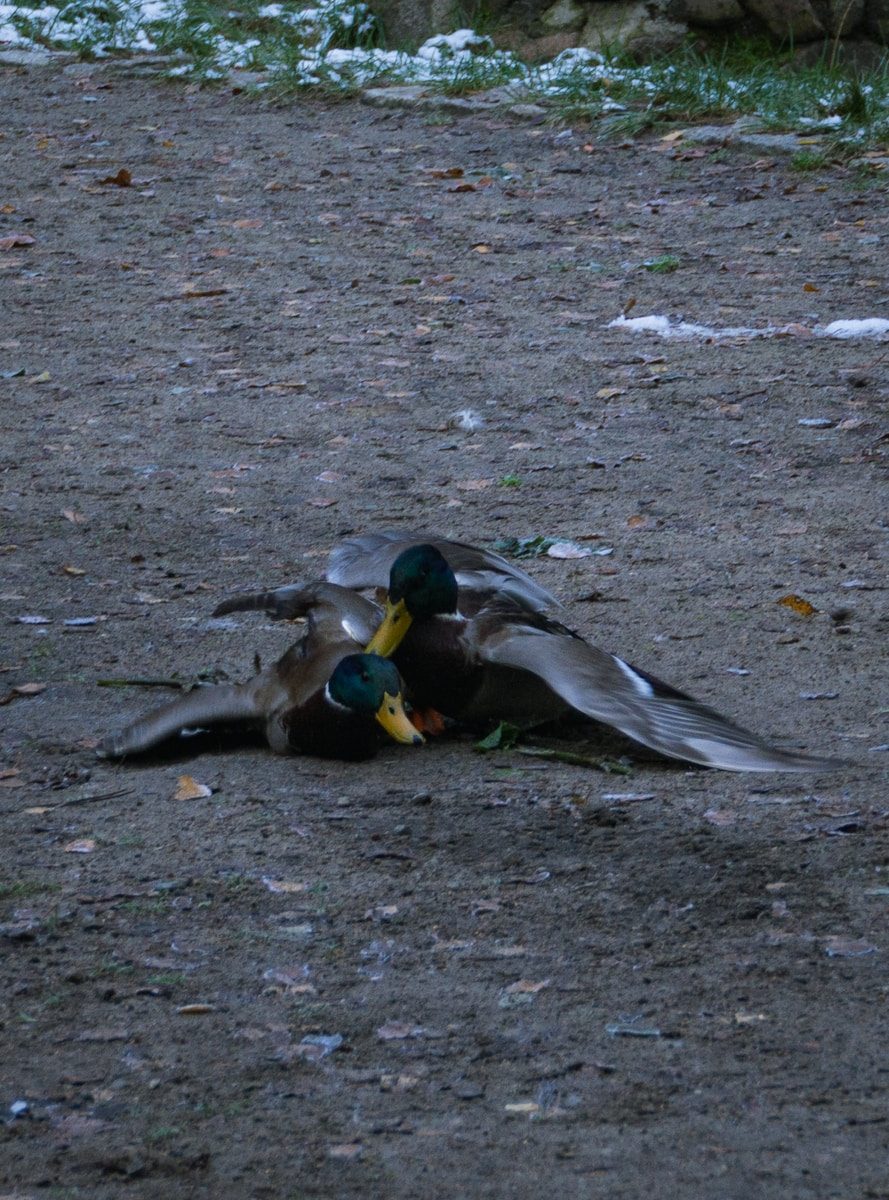
For now, the duck deaths remain under investigation. Conservation groups continue to monitor the area while scientists work to identify what happened.
The situation highlights why evidence is important before reaching conclusions. Whether the cause turns out to be natural, environmental, or unrelated to the renovation, the ongoing investigation will help guide future decisions about protecting wildlife at one of Washington’s best-known landmarks.
Leave a Reply