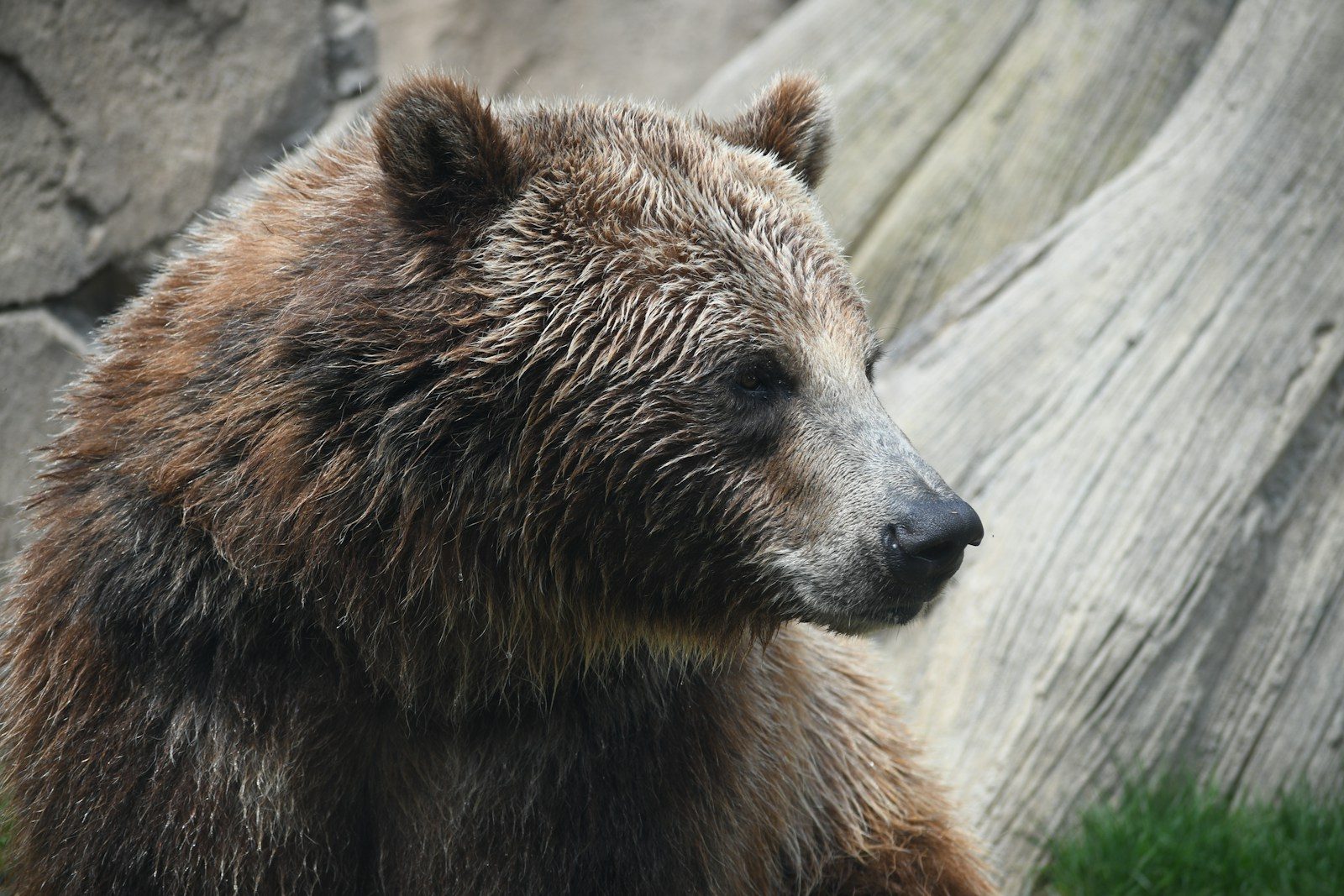
Yellowstone National Park is famous for its incredible wildlife, but few animals capture people’s attention like the grizzly bear. These powerful predators roam mountains, forests, and river valleys, standing at the top of the food chain. Every year, visitors hope to catch a glimpse of one of these iconic animals in the wild.
Among Yellowstone’s many grizzlies, a few have become legendary because of their enormous size. Researchers have documented some truly massive bears over the decades, including one record-setting male that remains the heaviest grizzly ever officially recorded in the Greater Yellowstone Ecosystem. These giants show just how impressive grizzly bears can become when they have access to abundant food and healthy habitat.
The record-setting Yellowstone giant
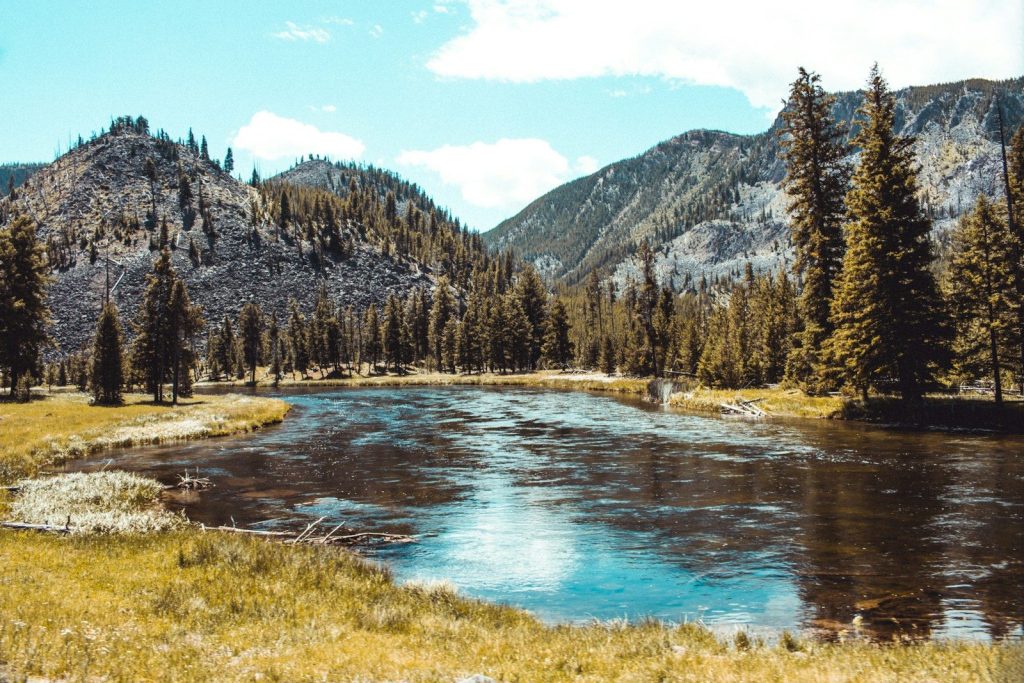
The largest grizzly bear ever officially recorded in the Greater Yellowstone Ecosystem weighed an astonishing 715 pounds. Researchers documented the massive male in 1977, and his record has stood for nearly five decades. Even today, very few Yellowstone grizzlies come close to matching that incredible weight.
A bear reaching this size is extremely rare. Most adult male grizzlies are much smaller, making the 715-pound giant a remarkable example of what Yellowstone’s ecosystem can support when conditions are favorable. His record remains one of the most impressive measurements ever taken from a Yellowstone-area grizzly.
Why do some grizzlies grow so large?
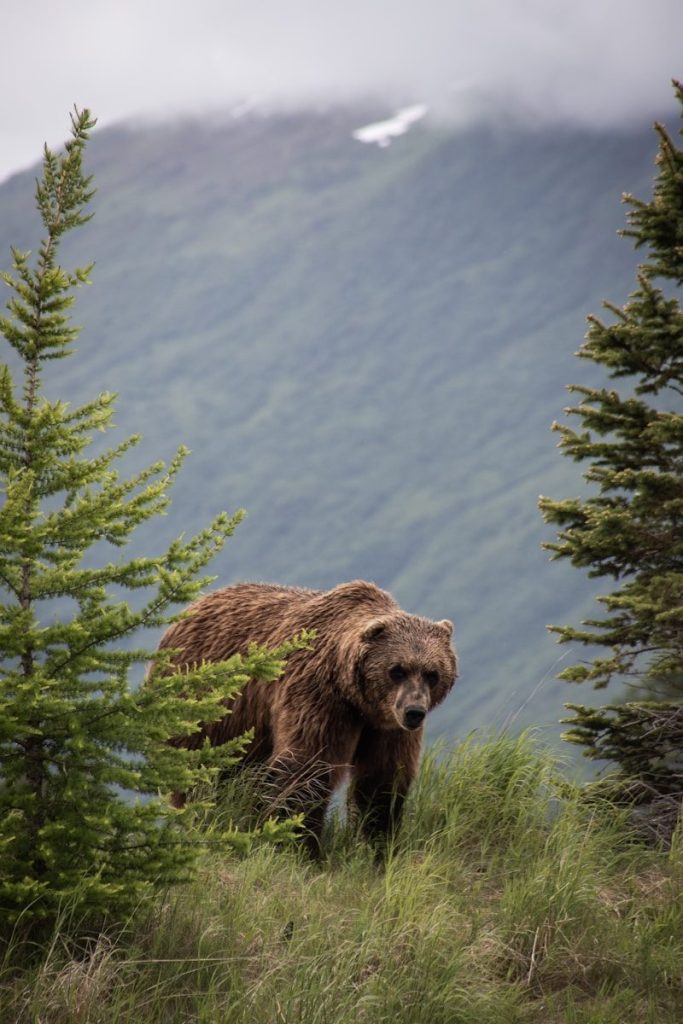
Size in grizzly bears depends on several factors, including age, genetics, habitat quality, and food availability. Adult males continue growing for many years and often reach their largest size during middle age when they are strongest and most experienced.
Yellowstone provides access to a wide range of food sources that help bears build fat reserves and muscle. During productive years, some males can gain extraordinary amounts of weight before winter hibernation, allowing them to reach sizes rarely seen elsewhere.
Grizzly 566 nearly broke the record
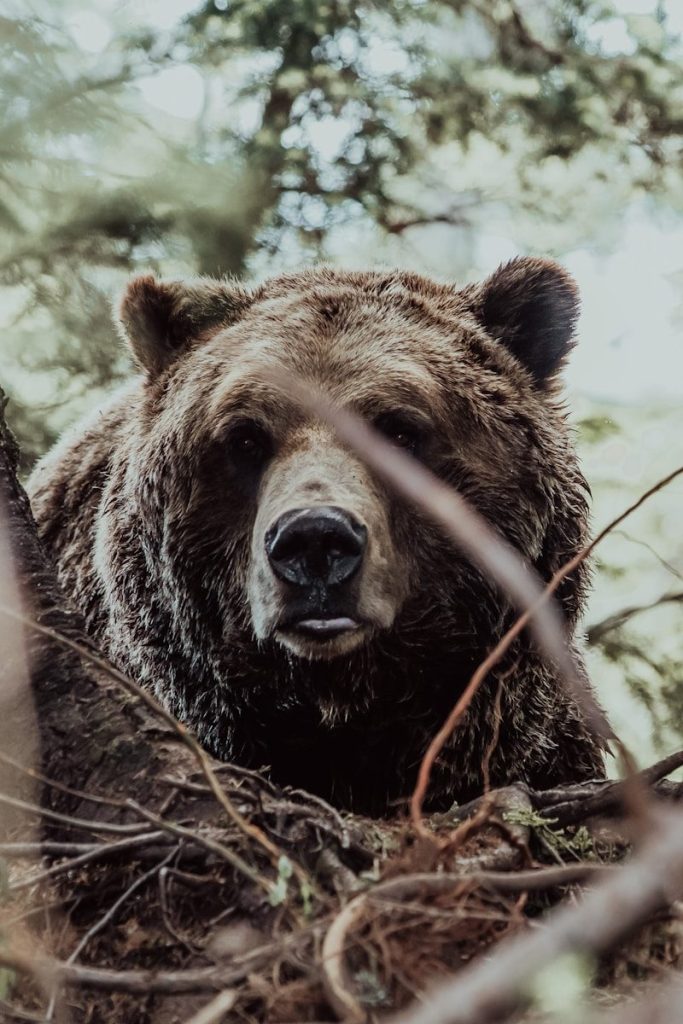
One of the closest challengers to the long-standing record appeared in 2023. Researchers captured and examined Grizzly 566, a massive 19-year-old male that weighed 712 pounds, only three pounds lighter than the record holder from 1977.
Wildlife experts described the bear as exceptionally large, noting that animals of this size are rarely encountered. Although he narrowly missed becoming the heaviest grizzly on record, Grizzly 566 demonstrated that Yellowstone still produces some of the largest grizzly bears in North America.
The legend of Grizzly 791
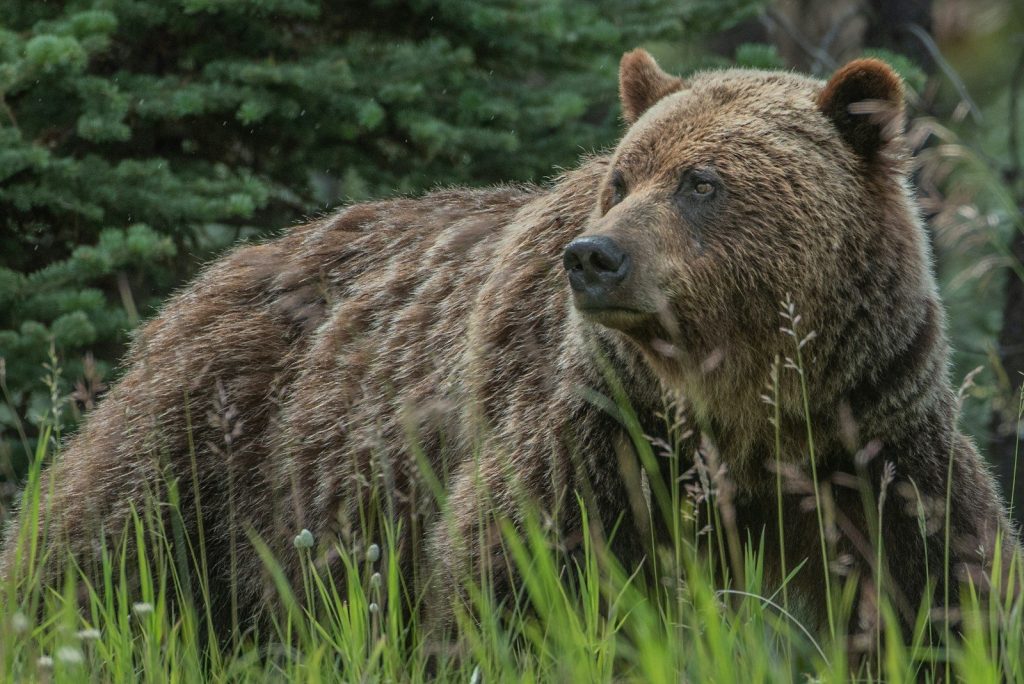
Another famous giant is Grizzly 791, a powerful male that many wildlife photographers consider one of the largest bears currently living in the Yellowstone region. Estimates place his weight somewhere between 600 and 700 pounds.
Grizzly 791 gained attention after being filmed taking down a large bull elk, showcasing the immense strength that mature male grizzlies possess. While he has never officially surpassed the Yellowstone weight record, he remains one of the most impressive bears regularly seen by visitors and photographers.
Strength beyond size
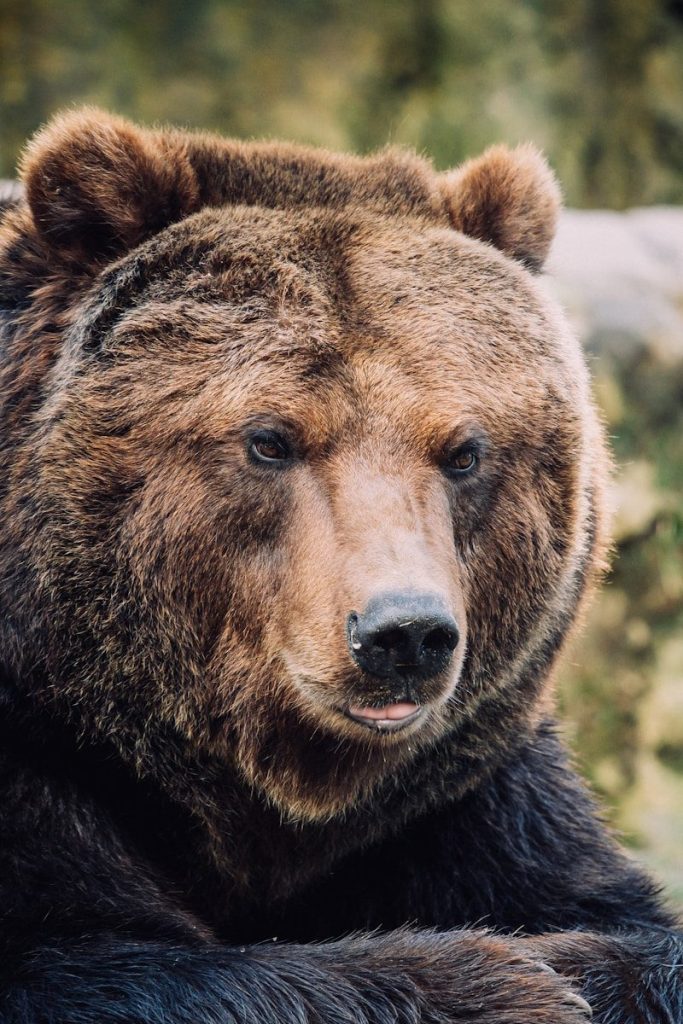
A grizzly’s size is only part of the story. These bears possess incredible power, capable of digging, overturning heavy objects, and defending themselves against other predators. Their muscular shoulders and powerful forelimbs make them among North America’s strongest land animals.
Even bears that weigh significantly less than the record holders remain formidable animals. Their combination of strength, speed, and intelligence allows them to thrive across Yellowstone’s diverse landscape, where survival often depends on adaptability as much as raw power.
Yellowstone’s grizzly legacy
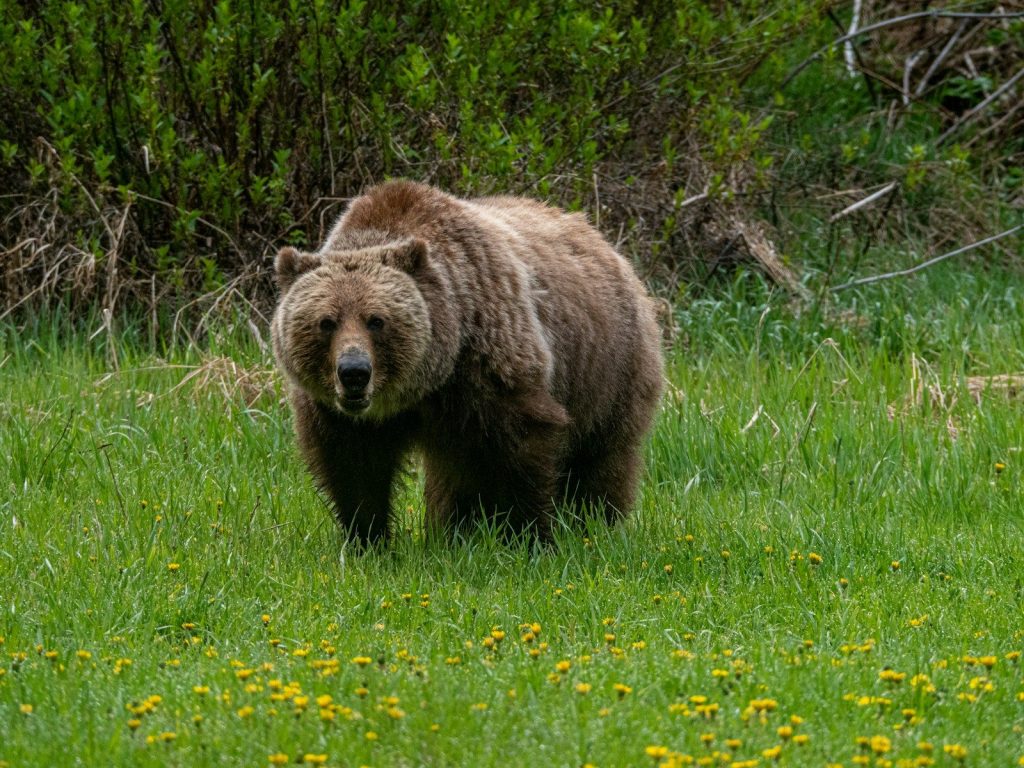
The Greater Yellowstone Ecosystem has become one of the world’s most important strongholds for grizzly bears. Decades of conservation efforts have helped the population recover, allowing these iconic animals to remain a defining part of the region’s wildlife.
Record-breaking bears like the 715-pound giant, Grizzly 566, and Grizzly 791 capture public attention, but they also represent the success of a healthy ecosystem. Their presence reminds visitors why Yellowstone remains one of the best places on Earth to witness truly wild grizzly bears.
Leave a Reply