The Mariana Trench is the deepest known place in Earth’s oceans. Hidden beneath the western Pacific Ocean, it plunges nearly 36,000 feet into a world of crushing pressure, total darkness, and near-freezing temperatures.
In 1960, two explorers decided to travel to the bottom of this underwater abyss. What followed became one of the greatest exploration achievements in history. Along the way, they heard a terrifying crack from their vessel — a sound that could have ended the mission instantly. Instead of turning back, they continued deeper into the unknown.
A mission to the deepest place on Earth
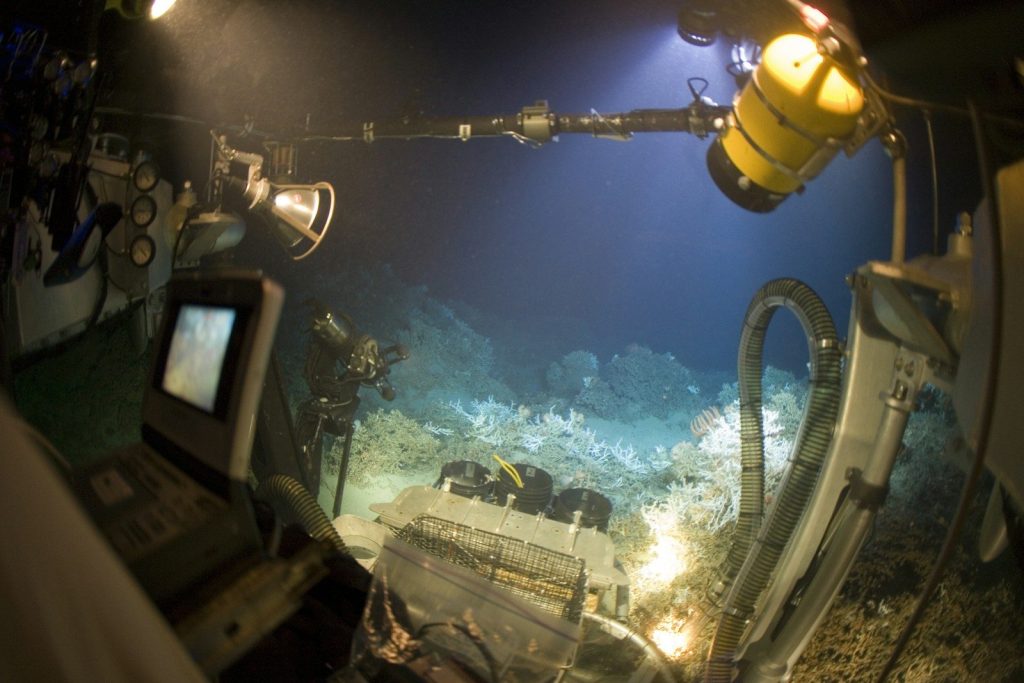
The expedition was led by U.S. Navy Lieutenant Don Walsh and Swiss oceanographer Jacques Piccard. Their vessel, called the Trieste, was unlike a traditional submarine.
The craft consisted of a small pressure sphere suspended beneath a large gasoline-filled float. The sphere was designed to withstand immense pressure as it carried the two men toward Challenger Deep, the deepest point of the Mariana Trench.
The pressure becomes unimaginable
As the Trieste descended, the pressure outside increased dramatically. Every few feet brought greater force from the surrounding water.
At Challenger Deep, pressure reaches more than 16,000 pounds per square inch — over 1,000 times the atmospheric pressure at sea level. Under such conditions, even the smallest structural failure could have catastrophic consequences.
A terrifying crack in the darkness
At roughly 29,500 feet below the surface, the explorers heard a loud bang echo through the vessel. The noise immediately raised concerns that something critical had failed. After checking their systems, they discovered that one of the outer Plexiglas window blocks had cracked under the extreme pressure.
Fortunately, the damaged section was not the main pressure-bearing window. The inner window remained intact, and the vessel was still safe to continue. Even so, hearing a crack nearly six miles beneath the ocean surface was enough to test anyone’s nerves.
Reaching Challenger Deep
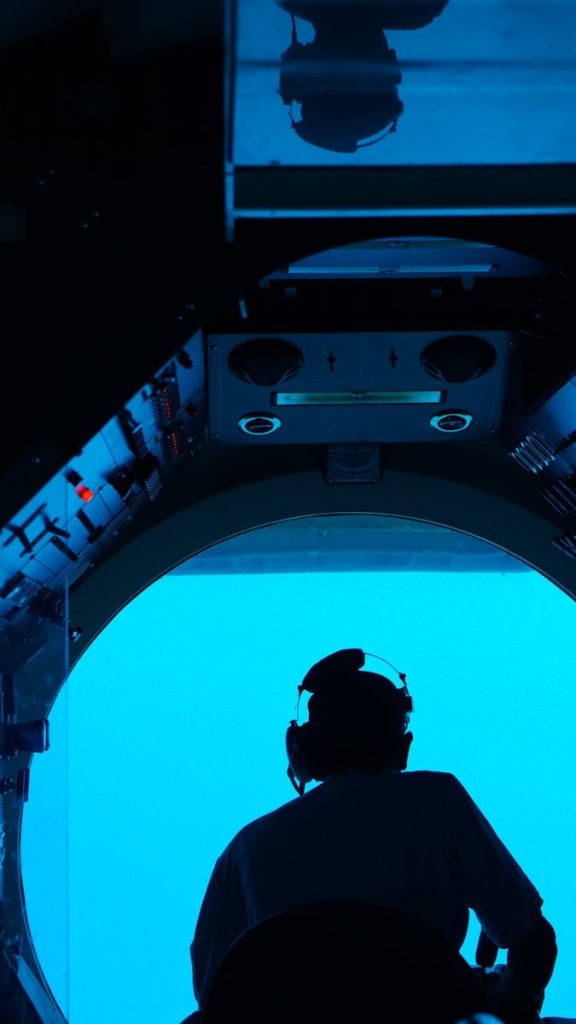
Despite the frightening incident, Walsh and Piccard continued descending. After nearly five hours, they reached the bottom of Challenger Deep on January 23, 1960. For the first time in history, humans had arrived at the deepest known point on Earth.
The seafloor appeared surprisingly flat and covered with fine sediment. Visibility was limited because the descent stirred up mud, creating a cloud around the vessel. Still, the achievement marked a historic milestone in ocean exploration.
Life where none was expected
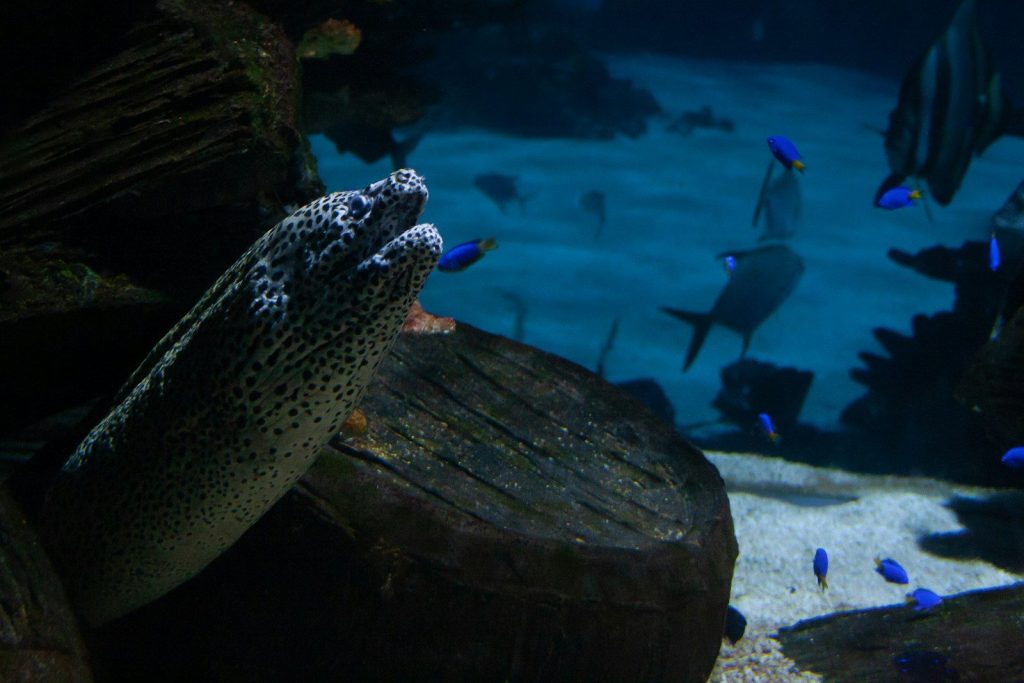
One of the most surprising discoveries came when the explorers reported seeing signs of life on the ocean floor.
At the time, many scientists believed such extreme depths might be too hostile to support complex organisms. The immense pressure, lack of sunlight, and scarcity of food made survival seem unlikely.
Yet the observations suggested that life could exist even in one of the harshest environments on the planet. Later research would confirm that deep-sea ecosystems thrive throughout the trench, supported by remarkable biological adaptations.
A legacy that changed ocean science
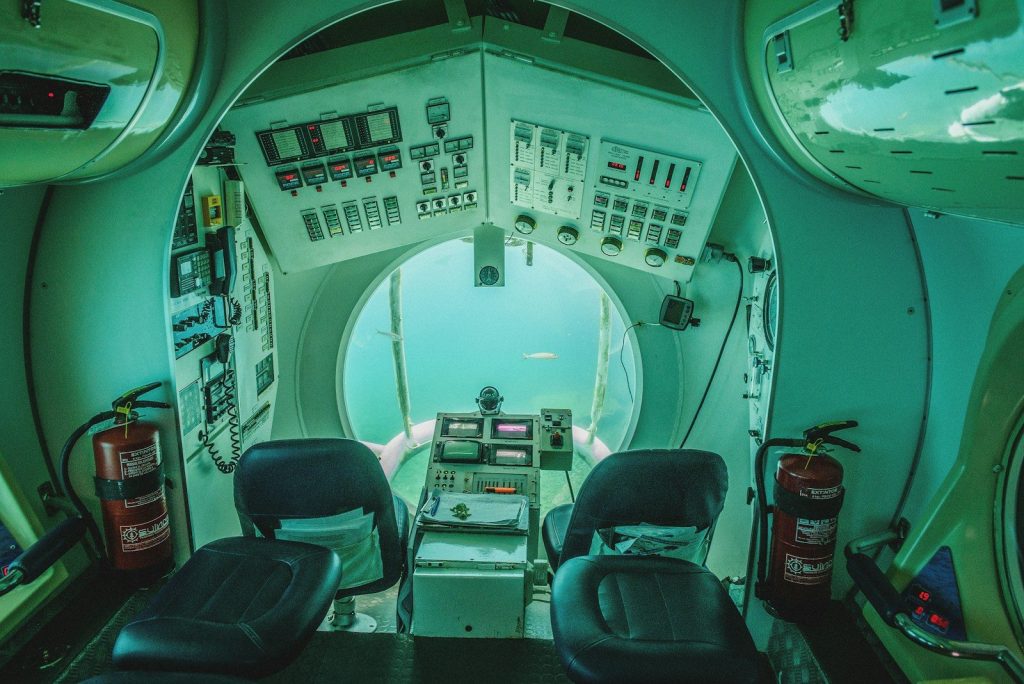
The Trieste mission proved that humans could safely reach the deepest parts of the ocean and return. It also transformed scientific understanding of life in extreme environments.
More than six decades later, the Mariana Trench remains one of Earth’s most mysterious places. While technology has improved dramatically since 1960, only a handful of people have visited Challenger Deep.
Leave a Reply