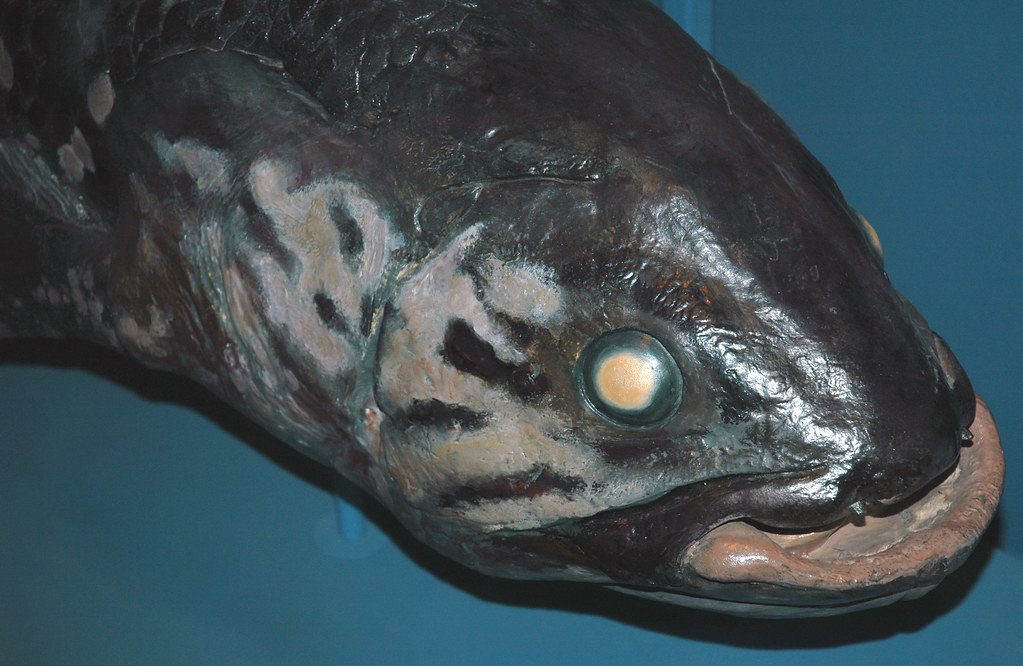
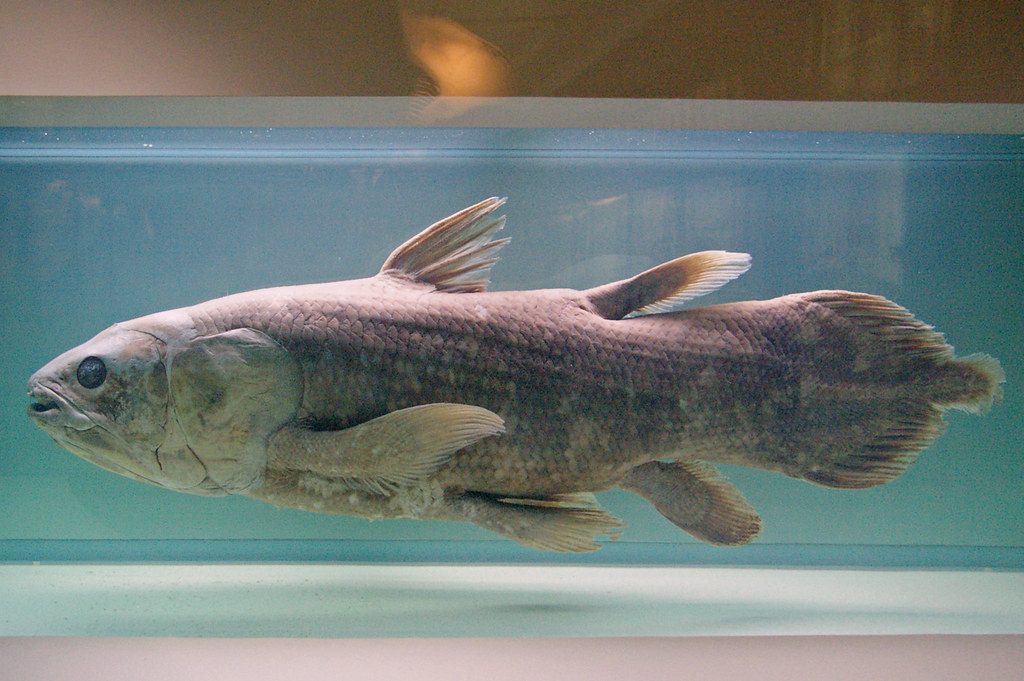
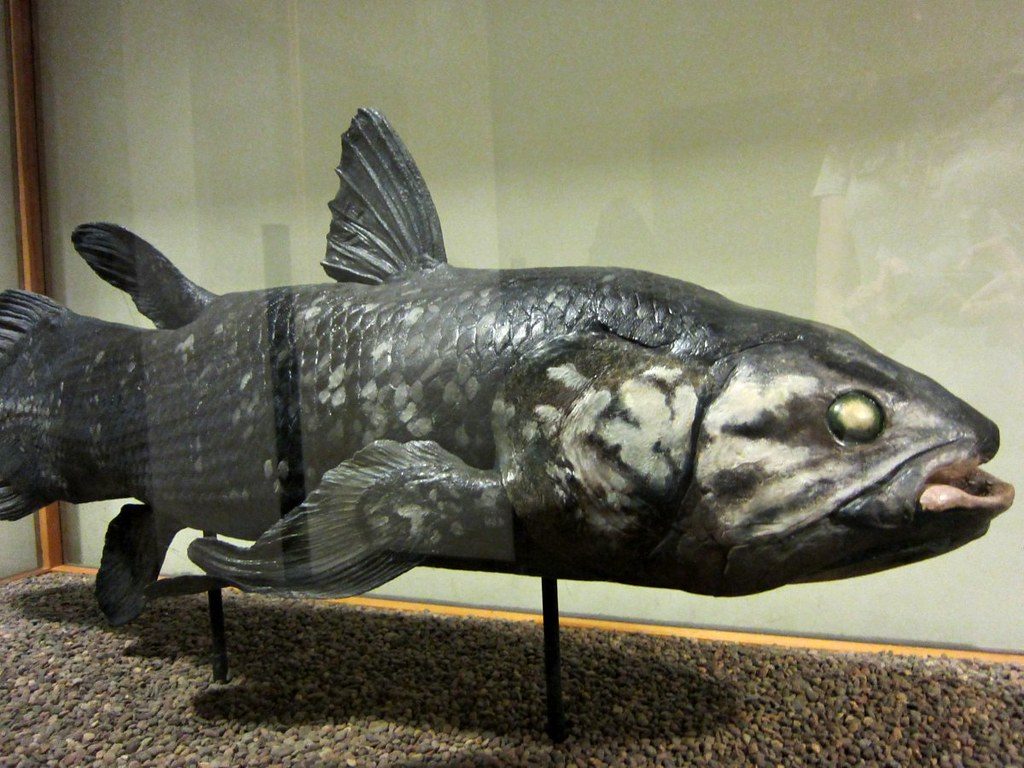
Few scientific discoveries have been as surprising as the rediscovery of the coelacanth. For decades, scientists believed this ancient fish had disappeared with the dinosaurs about 66 million years ago. Then, in 1938, a living coelacanth was caught off the coast of South Africa, proving the species had survived unnoticed in the deep ocean.
Its discovery changed the way scientists think about extinction and inspired the search for other so-called Lazarus species. This article explores the remarkable story of the coelacanth, why it remained hidden for so long, and how other “lost” animals have also been rediscovered.
The fish that surprised the scientific world
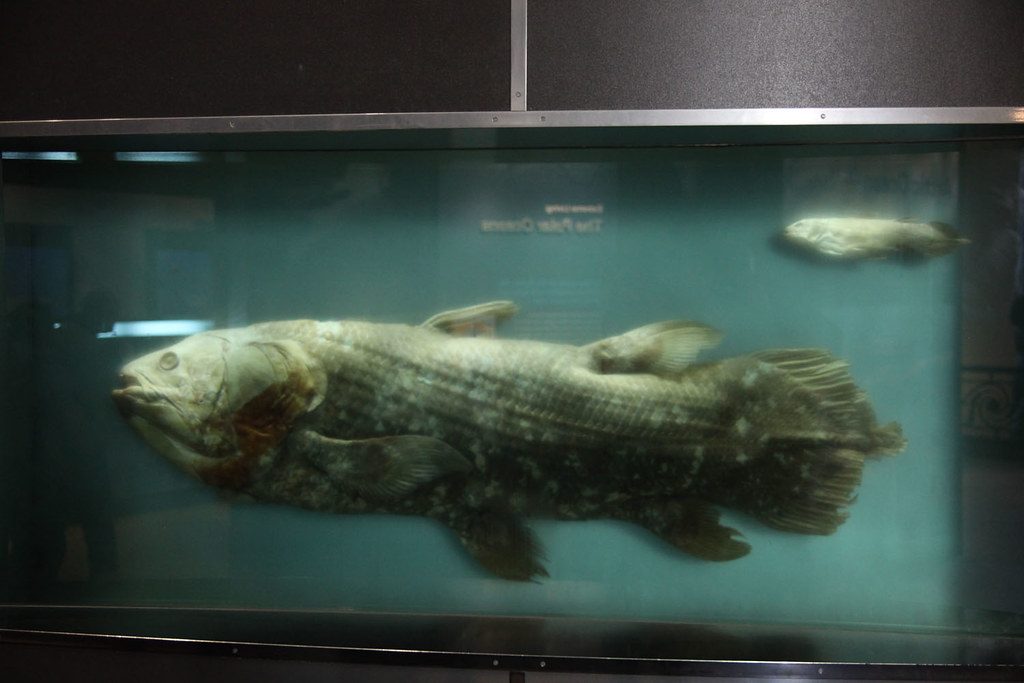
Before 1938, coelacanths were known only from fossils. Because the fossil record showed no recent examples, scientists believed they had become extinct during the mass extinction that ended the age of the dinosaurs about 66 million years ago.
Everything changed when a living coelacanth was discovered off the coast of South Africa. The unexpected find became one of the greatest zoological discoveries of the twentieth century and proved that the ancient fish had survived in deep ocean habitats.
Life hidden in the deep ocean
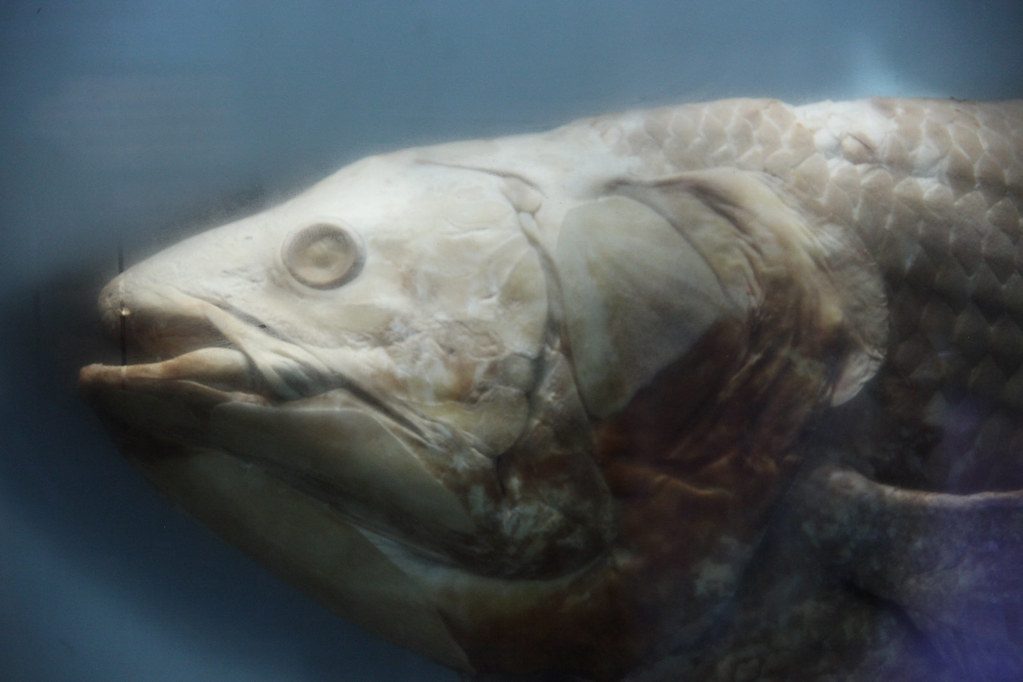
Coelacanths live hundreds of feet below the ocean surface, often sheltering in underwater caves during the day. Their remote habitat made encounters with people extremely rare, helping explain why they remained unknown for so long.
Today, scientists recognize two living species of coelacanth. One lives near islands off eastern Africa, while the other is found in Indonesian waters. Even now, sightings remain uncommon because of the fish’s deep-water lifestyle.
What are the Lazarus species?
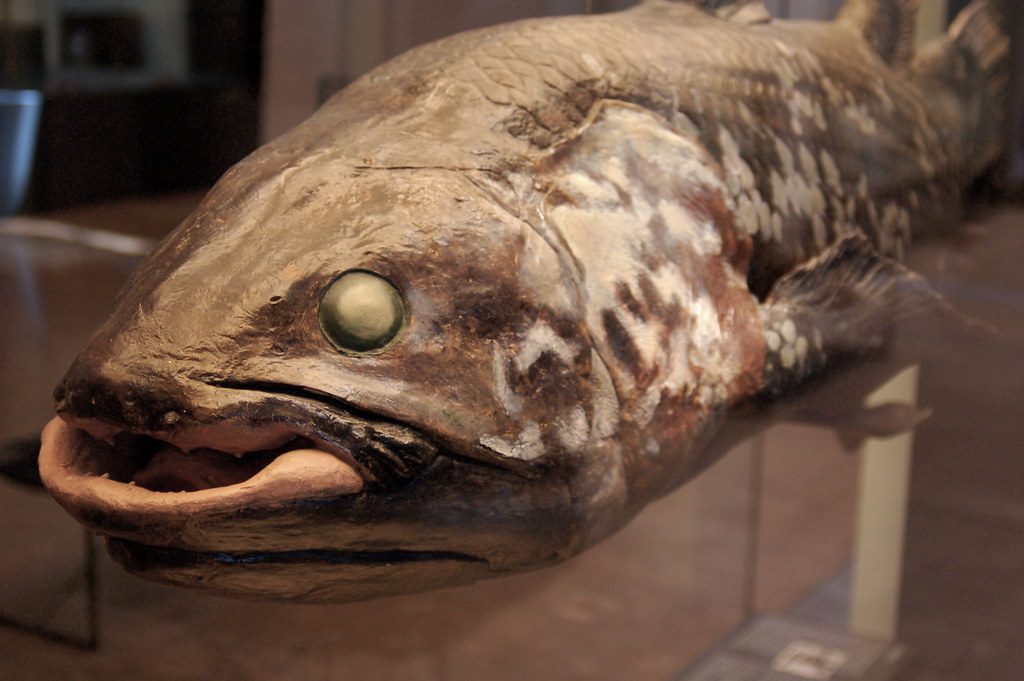
The coelacanth is one of the best-known examples of a Lazarus species. This term describes animals or plants that were believed extinct but were later rediscovered alive after disappearing from scientific records for many years.
Other Lazarus species include frogs, birds, mammals, reptiles, insects, and plants that survived in isolated habitats where scientists had not looked or had very limited access. These rediscoveries continue to reshape our understanding of biodiversity.
Why some species remain hidden
Many rediscovered species survive in remote mountains, dense forests, deep oceans, or isolated islands that receive little scientific attention. Local communities sometimes know these animals still exist long before researchers formally document them.
Small populations, secretive behavior, and difficult environments make some species extremely challenging to study. Even with modern technology, scientists continue to discover animals that were previously unknown or thought to be extinct.
Why these discoveries matter
Rediscovering a species gives conservationists a second chance to protect it. Once scientists know a species still exists, they can begin studying its habitat, population size, and the threats it faces.
These discoveries also remind us that Earth’s biodiversity remains poorly understood. Every rediscovered species highlights how much remains to be explored in remote ecosystems around the world.
The search continues

Scientists continue exploring deep oceans, isolated forests, mountain ranges, and other difficult environments in search of species that may still survive unnoticed. Every expedition has the potential to reveal another remarkable discovery.
The coelacanth remains a powerful symbol of scientific curiosity. Its rediscovery showed that even long-accepted ideas can change when new evidence appears, encouraging researchers to keep searching for life in Earth’s most unexplored places.
Leave a Reply