When rescuers spotted a seal with something unusual wrapped around its neck, they expected to find the kind of marine debris they often remove from animals. Instead, what they discovered surprised even experienced wildlife rescuers. The object was linked to a larger story unfolding along Namibia’s coastline, where thousands of seals had recently died from starvation. As surviving seals searched desperately for food, they began hunting prey they would not normally target, leading to unexpected and sometimes dangerous encounters.
This article explores the remarkable rescue, the severe seal die-off that preceded it, the strange fish involved, and what rescuers learned from the discovery. By understanding what happened, readers can gain a deeper appreciation for how environmental changes can affect wildlife behavior and create surprising challenges for marine animals.
A devastating seal crisis along Namibia’s coast
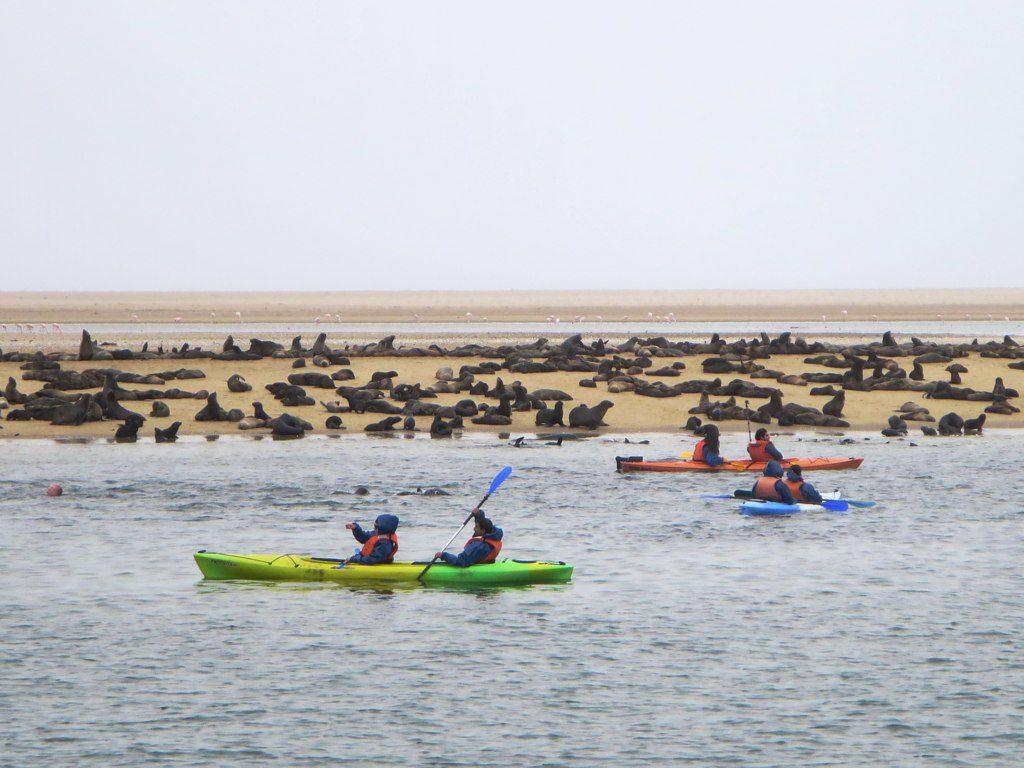
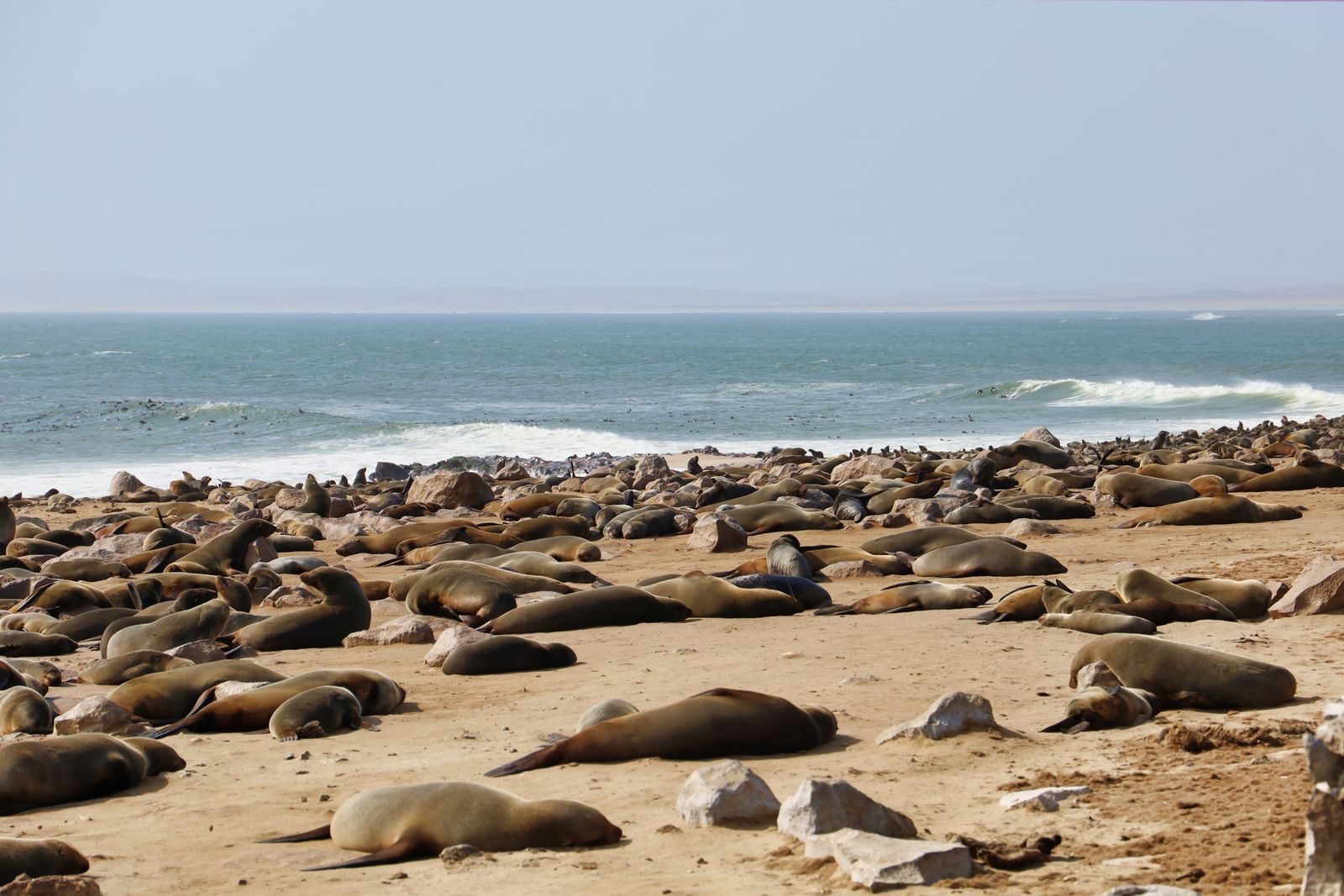
Before rescuers found the seal with the strange object around its neck, Namibia’s coastline was already facing a major wildlife crisis. Thousands of seal pups and many adult seals had been dying over a period of weeks. Observers reported that the animals appeared extremely thin, showing clear signs of starvation. Many pups died before they had a chance to grow strong enough to survive on their own.
Starvation affects more than just an animal’s health. When food becomes scarce, wildlife often changes its behavior in an attempt to survive. Animals may travel farther, take greater risks, or hunt prey they would normally avoid. For Namibia’s seals, the lack of food created a desperate situation that pushed them toward unfamiliar hunting opportunities in nearby waters.
Hungry seals began targeting unusual prey
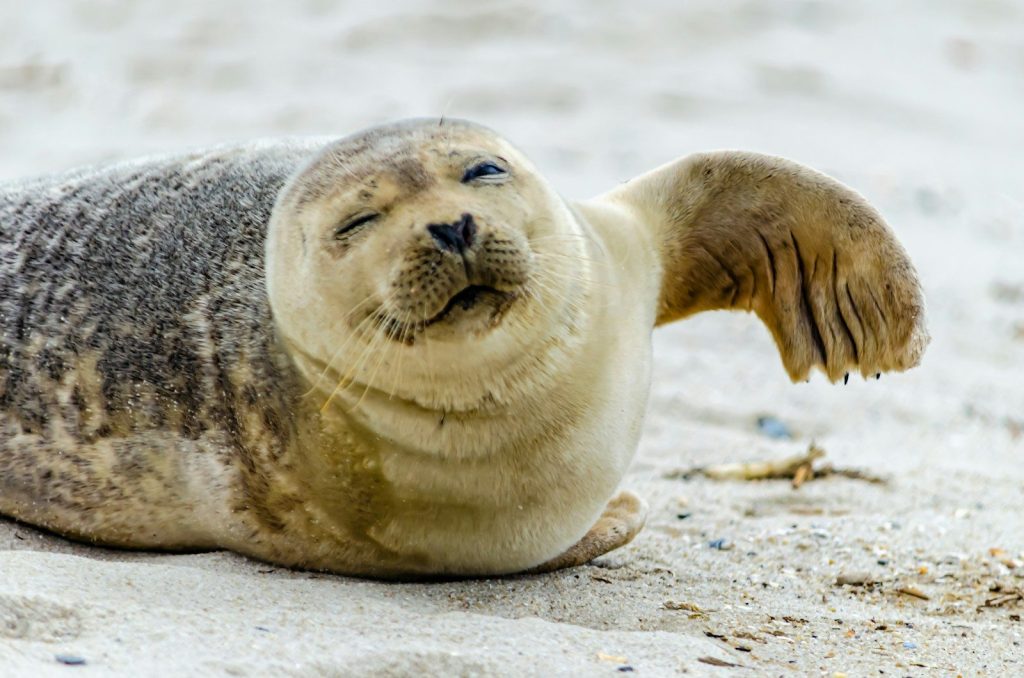
Seals are skilled hunters that normally feed on fish, squid, and other marine creatures they can safely catch and swallow. During periods of food abundance, they tend to focus on prey that provides the most energy with the least risk. However, when food becomes difficult to find, survival often becomes more important than caution.
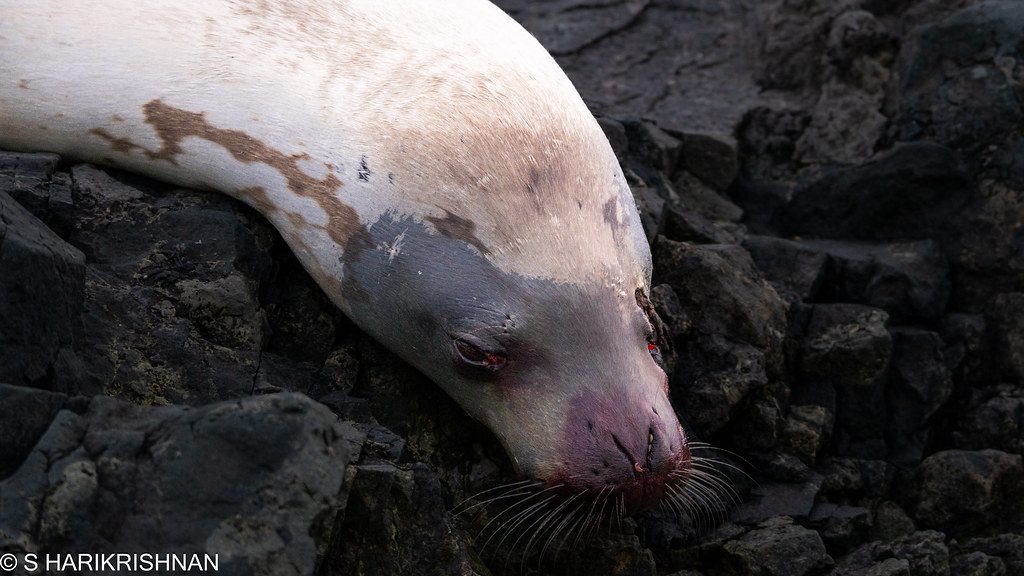
Rescuers and researchers began noticing something unusual in several seals they examined. Some animals had sharp objects stuck in their bodies, especially around the throat and neck area. At first, these objects appeared to resemble stingray barbs. Since stingrays possess dangerous spines capable of causing injuries, this seemed like a reasonable explanation. Yet the mystery remained unsolved because no one had direct proof of where the sharp objects were coming from.
The surprising discovery that solved the mystery
The answer finally became clear when rescuers encountered another seal carrying evidence that could not be ignored. This animal still had part of a fish associated with the injury. The discovery allowed rescuers to identify the true source of the mysterious spikes that had been appearing in seals over the previous weeks.
The fish was identified as a St. Joseph shark, a species known for having a long, sharp spine near the front of its body. This spine can appear very similar to the barbs found on stingrays, which explains why rescuers originally believed stingrays were responsible. Finding the fish attached to the injury provided the missing piece of the puzzle and revealed that hungry seals had been attempting to eat a prey species that carried its own natural defense weapon.
What rescuers found around the seal’s neck
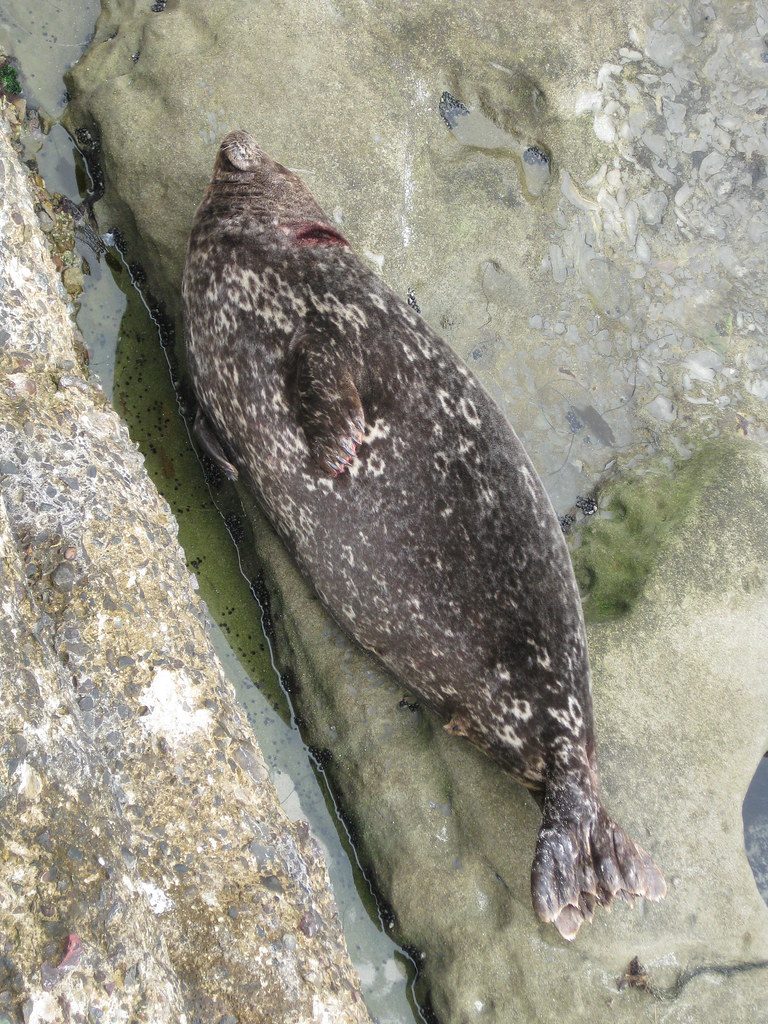
When the rescue team approached the seal, they quickly realized something unusual was wrapped around its neck. Upon closer inspection, they found fishing line and hooks embedded around the animal. Entanglement in fishing gear is a common problem for marine wildlife around the world. Seals are especially vulnerable because they are curious animals and often investigate objects floating in the water.
The rescuers carefully worked to remove the fishing line and hooks without causing additional harm. During the process, they also observed a significant cut on the seal’s chest. Such injuries can become serious if left untreated because open wounds may become infected or make it harder for an animal to move normally. Fortunately, the team was able to free the seal and give it a better chance of survival.
How the St. Joseph shark injured the seals
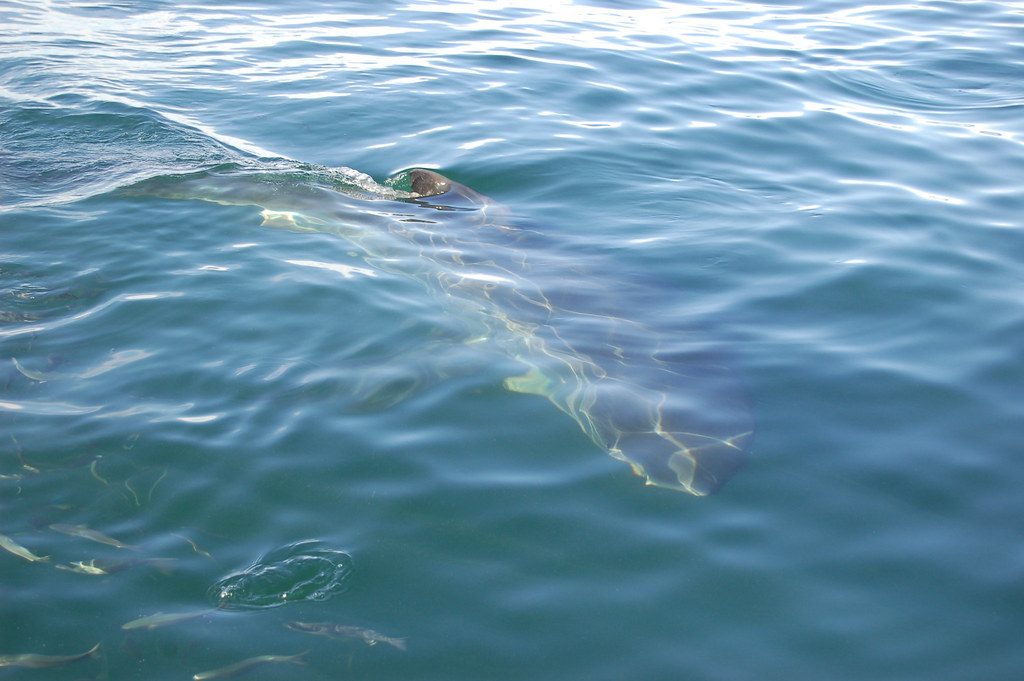
The discovery of the St. Joseph shark helped explain the injuries rescuers had been seeing. According to observations from the rescue team, seals likely caught the fish in their mouths and then shook it violently, which is a common feeding behavior. Shaking prey helps seals tear food apart and position it for swallowing.
However, this behavior may have worked against them when hunting the St. Joseph shark. As the fish was shaken, its sharp spine could become lodged in the seal’s throat or neck. Bite marks found on some of the fish supported this explanation. The seals were trying to eat an unfamiliar food source, but the fish’s defensive spine created a dangerous obstacle. While the spine could cause painful injuries, rescuers noted that its venom is generally believed to be less severe than the venom associated with many stingray species.
What this event teaches us about wildlife survival
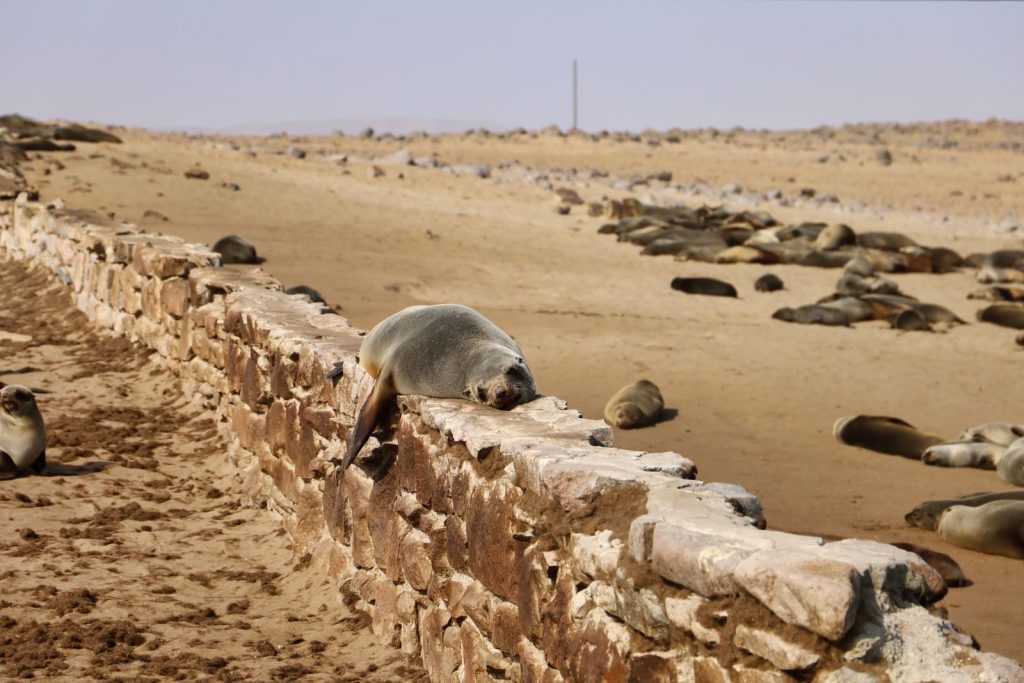
The rescue highlights how closely wildlife health is connected to environmental conditions. When food sources decline, animals often change their behavior in ways that increase risk. The starving seals of Namibia were not hunting St. Joseph sharks because they preferred them. Instead, they were likely taking advantage of whatever prey they could find in order to survive.
This event also demonstrates the importance of wildlife rescue organizations. Without careful observation and intervention, the true cause of the injuries might have remained unknown. The rescue team not only freed an entangled seal but also uncovered valuable information about how starvation was affecting seal behavior. Their work provided insight into a larger ecological problem and helped improve understanding of the challenges these animals were facing.
Leave a Reply