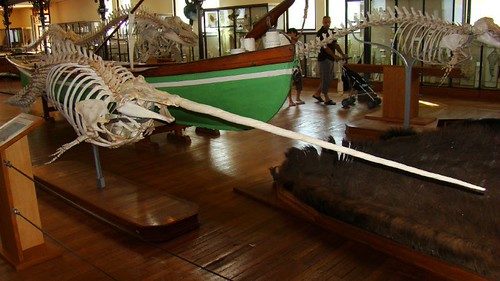
Narwhals are among the most mysterious animals in the ocean. With their long, spiral tusks and life in the icy Arctic, they often seem more like mythical creatures than real animals. Many people dream of seeing these “unicorns of the sea” up close, but there is one place where they are almost never found: aquariums.
The reason is both surprising and tragic. Only two major attempts have been made to keep narwhals in captivity, and both ended in failure. These experiences changed how scientists and aquariums view the species. Today, the story of narwhals in captivity serves as an important lesson about the challenges of caring for some of the ocean’s most sensitive animals.
Narwhals are unlike most marine mammals
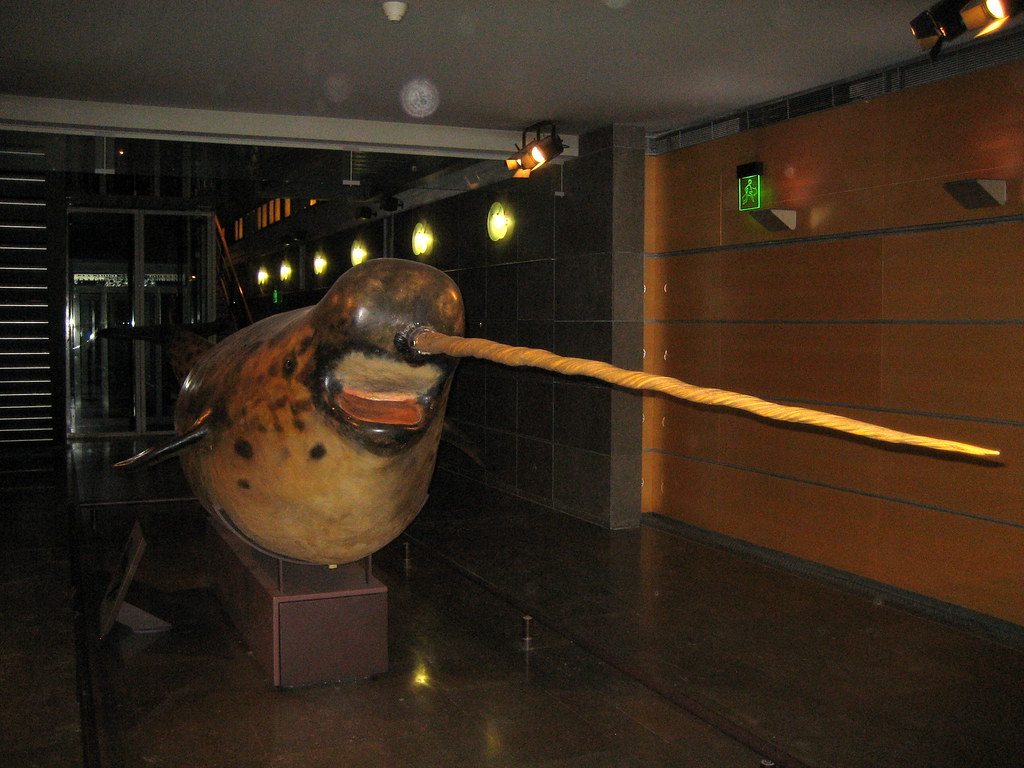
Narwhals are toothed whales that are closely related to belugas and orcas. They live in Arctic coastal waters and rivers, where they spend much of their lives in cold and remote environments. Their most famous feature is the long tusks, which are mainly seen in males.
The tusk is actually a tooth that can grow up to 10 feet long. Narwhals often travel in large groups and have adapted to some of the harshest conditions on Earth. Their remote habitat has helped make them one of the ocean’s most elusive animals.
The first captive narwhal arrived in New York
In 1969, the New York Aquarium at Coney Island became the first facility to display a narwhal. The young calf was named Umiak, after the traditional Arctic canoe used to hunt the species.
According to reports, Umiak was orphaned after Inuit hunters killed its mother for meat. The calf followed its canoe back to camp and was eventually brought to the aquarium. Staff tried to care for the young narwhal by feeding it milk mixed with chopped clams, while a female beluga reportedly acted as a surrogate mother.
Umiak’s story ended in tragedy
Despite the aquarium staff’s efforts, Umiak struggled to adapt to captivity. Keeping the young whale healthy proved far more difficult than expected. The unusual environment may have placed significant stress on the animal.
Less than a year after arriving at the aquarium, Umiak died from pneumonia. The loss highlighted the challenges of caring for a species that had never before been successfully maintained in captivity. Unfortunately, the lesson was not enough to stop another aquarium from trying again.
Vancouver Aquarium made a second attempt
In 1970, Vancouver Aquarium brought a young male narwhal named Keela Luguk to its facility. The aquarium’s leadership hoped that displaying narwhals would increase public interest in the species and encourage conservation efforts.
Within days of Keela Luguk’s arrival, the aquarium added two female narwhals and three calves to the exhibit. However, problems quickly emerged. The three calves died within a month, and the two adult females died by November. Public concern grew as more animals died.
Public pressure grew as losses mounted
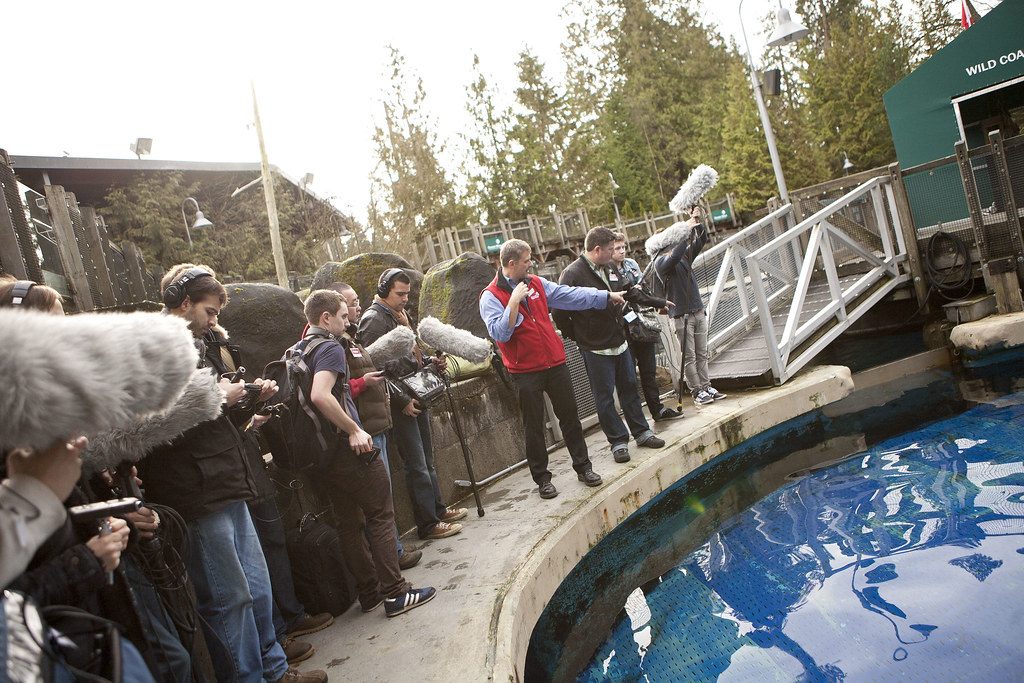
As the deaths continued, many people questioned whether narwhals should be kept in captivity at all. Concern became so widespread that Vancouver’s mayor reportedly called for Keela Luguk to be released back into the wild.
The aquarium refused to return the animal, but the debate continued. Then, on December 26, 1970, Keela Luguk also died. With the deaths of every captive narwhal involved in the project, public opinion increasingly shifted against future attempts to keep the species in aquariums.
Scientists still do not know all the answers
Researchers do not fully understand why narwhals performed so poorly in captivity. This is especially puzzling because belugas, their close relatives, can survive for years or even decades in managed facilities.
Scientists know that narwhals are highly sensitive animals. Research suggests that even human-made noise, including nearby ships, can significantly affect their behavior. These findings have strengthened the belief that narwhals are not suited to life in aquariums. As a result, modern aquariums have largely abandoned efforts to keep them, allowing these remarkable animals to remain in their natural Arctic home.
Leave a Reply