Imagine discovering an animal that scientists believed had vanished with the dinosaurs. It sounds like something from a movie, but it really happened. In 1938, a strange fish pulled from the waters off South Africa shocked the scientific world because it belonged to a group thought to have been extinct for about 66 million years.
That fish was the coelacanth. Often called a “living fossil,” it became one of the most important animal discoveries of the 20th century. Its rediscovery changed how scientists think about extinction, evolution, and the hidden life that still exists in Earth’s oceans. Today, the coelacanth remains one of the most fascinating fish ever found.
Scientists thought the coelacanth had vanished forever
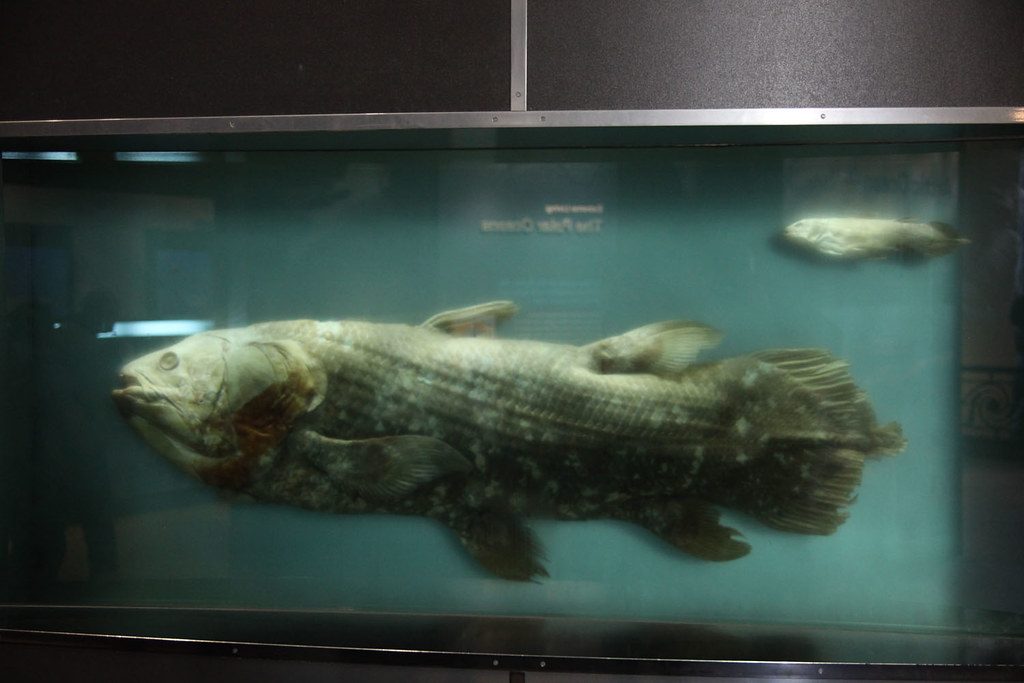
For decades, coelacanths were known only from fossils. Scientists believed these ancient fish had disappeared around the same time as the dinosaurs at the end of the Cretaceous Period. Fossils showed that coelacanths had existed for hundreds of millions of years, but there was no evidence that any were still alive.
Everything changed in December 1938 when a museum curator in South Africa noticed an unusual fish among a fisherman’s catch. The fish looked unlike anything scientists had seen in modern oceans. After experts examined it, they realized it was a living coelacanth, a discovery that stunned researchers around the world.
The rediscovery became a scientific sensation
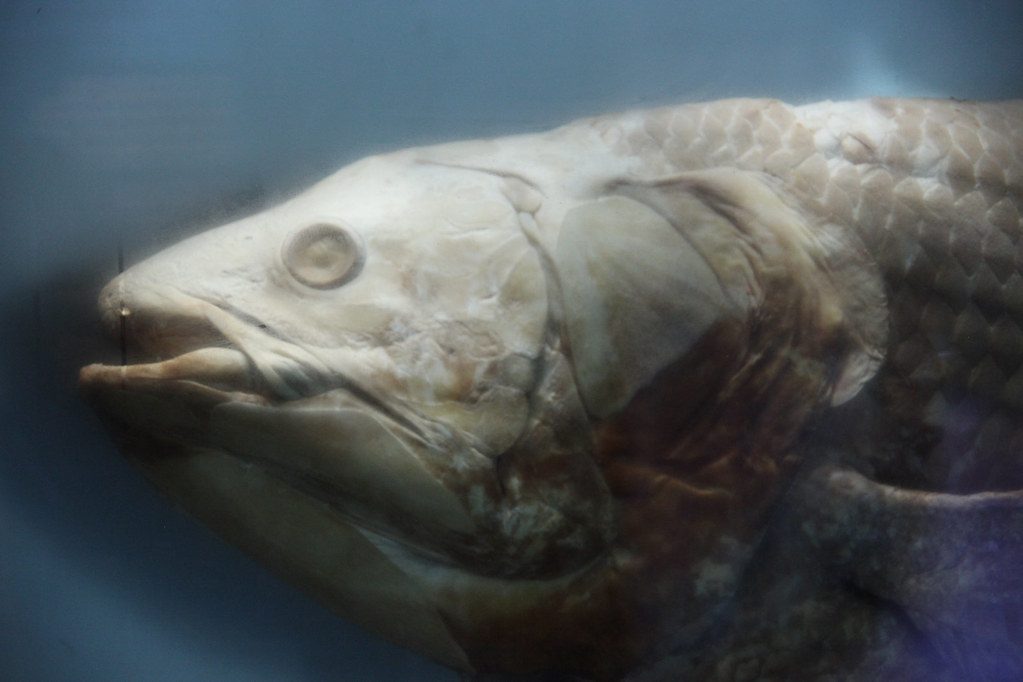
The discovery quickly became one of the century’s biggest zoological stories. Scientists had believed the entire group was extinct, yet a living example had been swimming in the ocean all along. The event transformed the coelacanth into one of the world’s most famous animals.
Because it seemed to return from extinction, the coelacanth became known as a “Lazarus species.” This term is used for organisms that disappear from the fossil record or scientific observation for long periods before being found alive again. The coelacanth became the most famous example of this phenomenon.
An ancient fish with unusual features
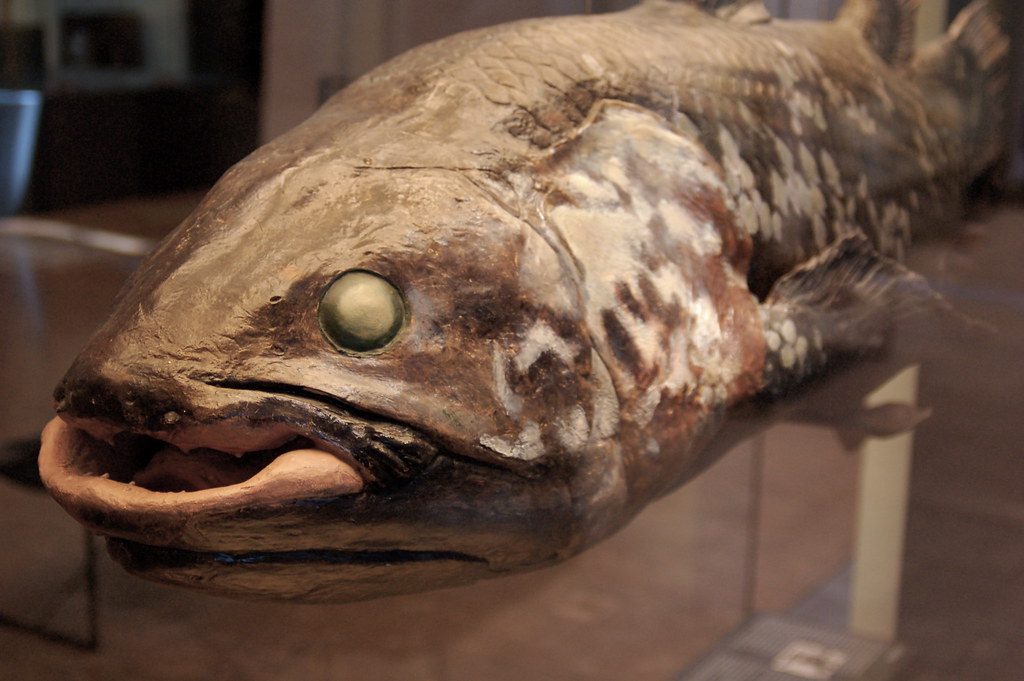
The coelacanth belongs to a group of lobe-finned fishes. Unlike most fish, its fins are supported by fleshy, limb-like structures that move in unique ways. These unusual fins attracted enormous scientific interest because they offered clues about ancient vertebrate evolution.
Scientists once believed the coelacanth might be the closest living relative of animals that eventually moved onto land. Later genetic studies showed that lungfish are more closely related, but the coelacanth still provides valuable insights into a very ancient branch of vertebrate evolution.
The species survived hidden in deep waters
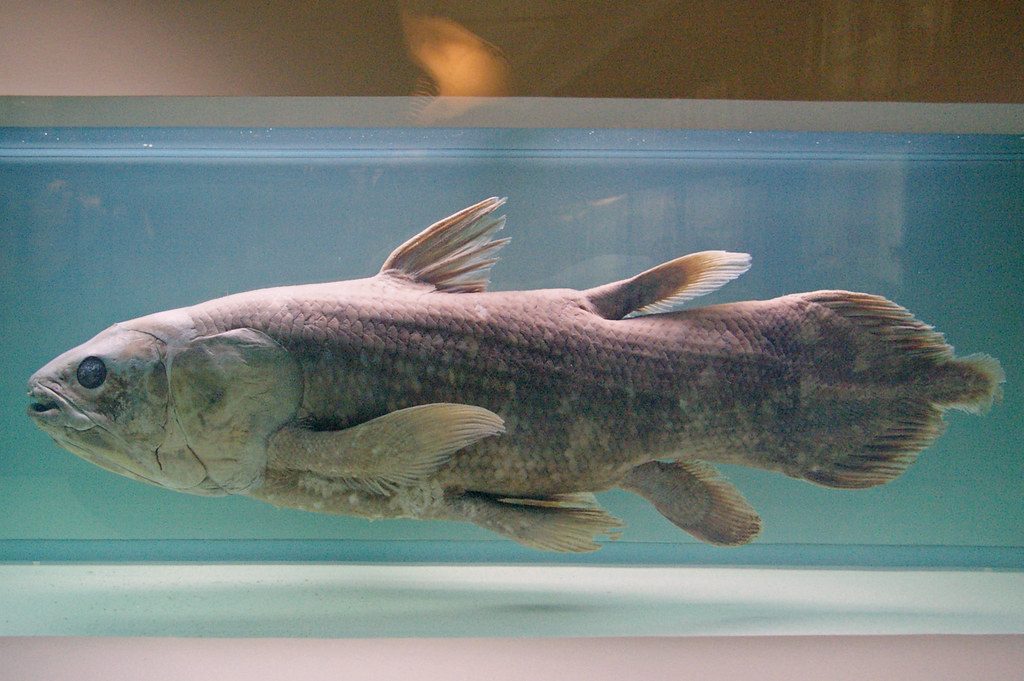
One reason the coelacanth remained undiscovered for so long is its habitat. These fish live in deep ocean environments, often around underwater caves and steep volcanic slopes. Such locations are difficult for humans to explore, allowing the species to remain largely hidden from science.
Researchers eventually discovered that the fish was not confined to a single area. Today, two living species are known. One lives in the western Indian Ocean near eastern Africa, while another species was discovered in Indonesia during the late 1990s.
The coelacanth is still evolving
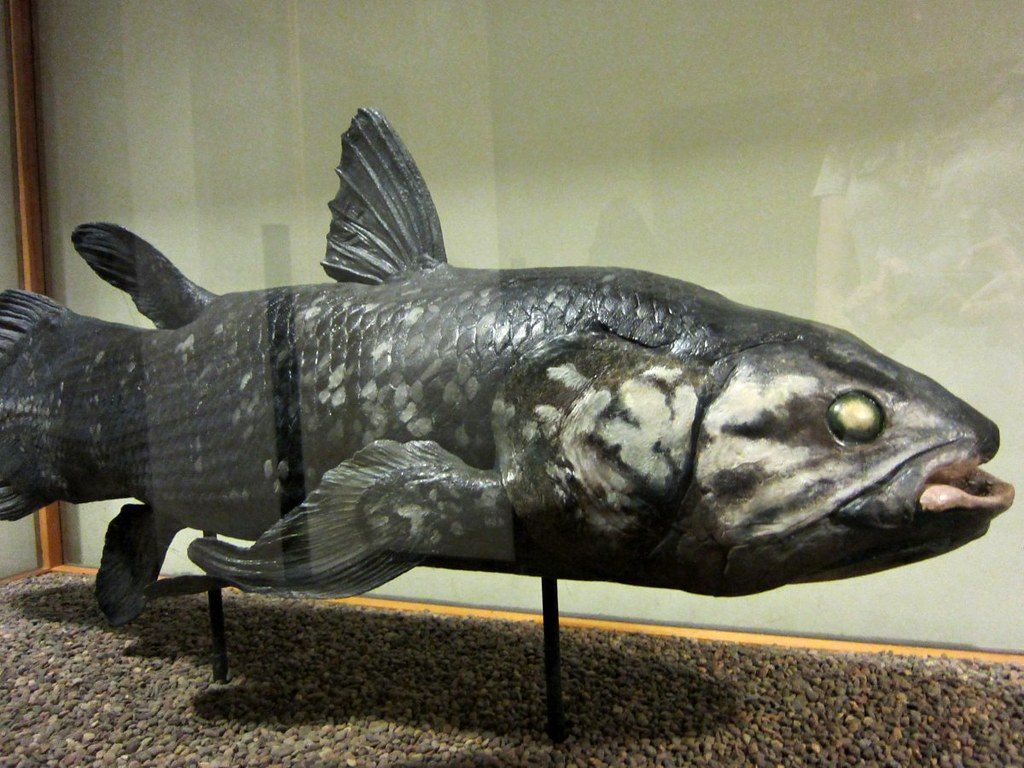
The phrase “living fossil” can give the impression that the coelacanth has remained unchanged for millions of years. Scientists now know that this is not entirely true. Genetic research shows that coelacanths continue to evolve, even if their overall appearance remains similar to ancient fossil forms.
Genome studies have revealed important information about the fish’s evolutionary history. These findings help researchers understand how different groups of vertebrates are related and how major evolutionary changes occurred over hundreds of millions of years.
The rediscovery changed how scientists view extinction
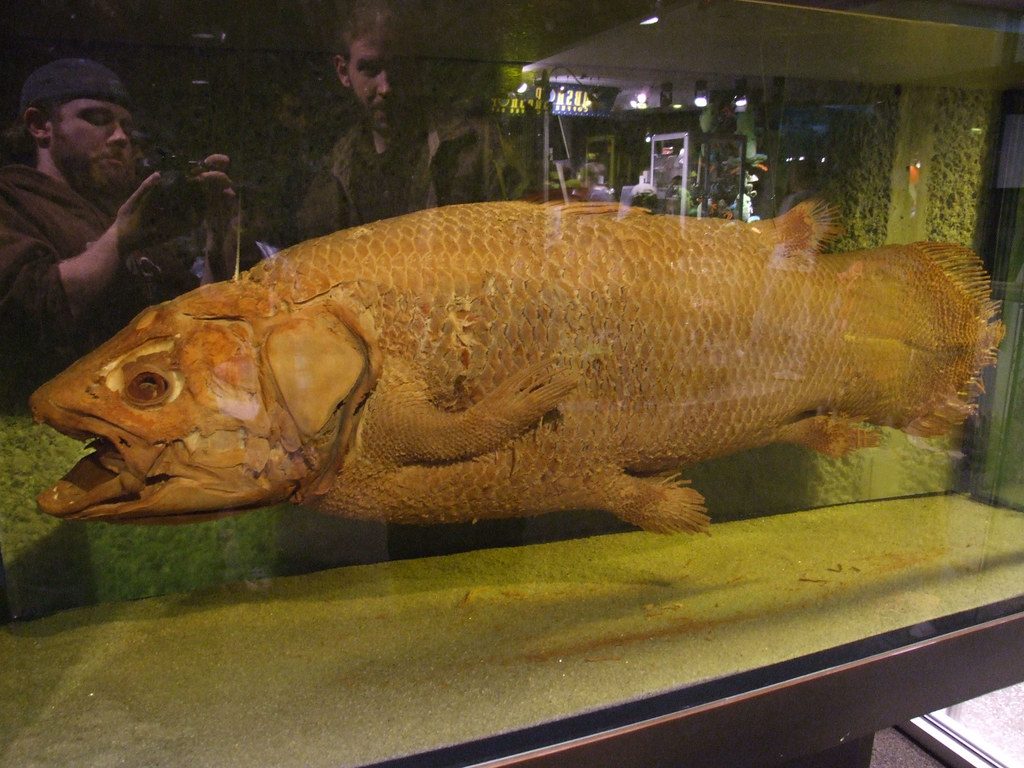
The coelacanth’s reappearance serves as a reminder that the natural world still contains mysteries. Scientists once considered the species completely gone, yet it survived in remote habitats where few people ever looked. Its discovery highlighted how much remains unknown about life in the oceans.
Today, researchers continue searching for other species that may have escaped scientific notice. The coelacanth stands as proof that animals can survive in isolated environments for extremely long periods, challenging assumptions about extinction and biodiversity.
Leave a Reply