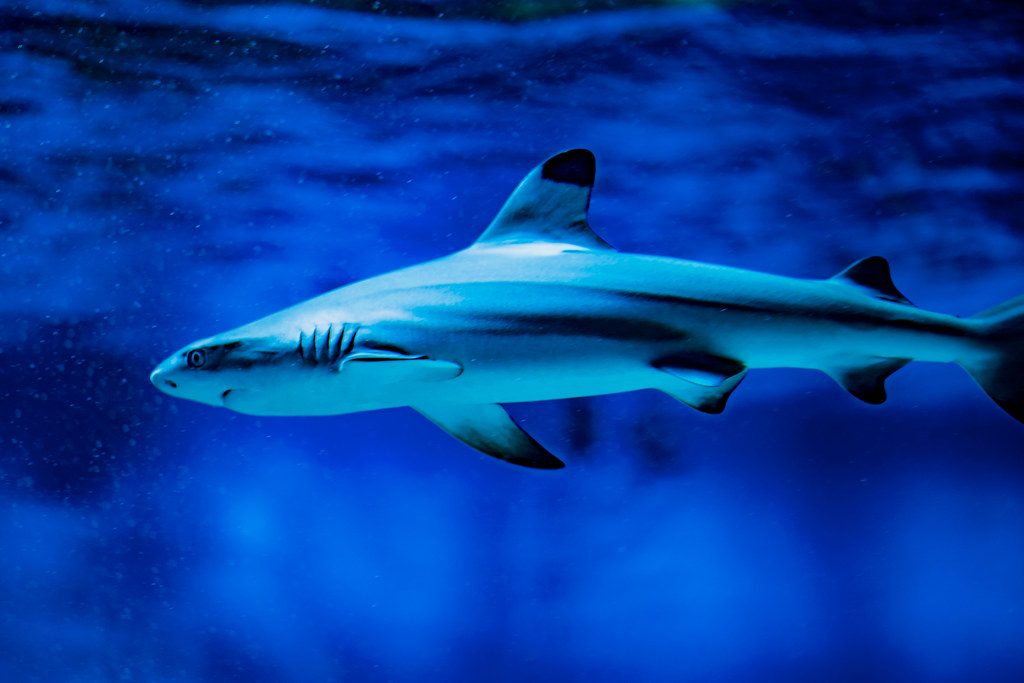
Many tourists dream of swimming in clear tropical water, but that excitement can quickly turn into fear when a shark suddenly appears nearby. The blacktip reef shark is one of the most commonly seen sharks around coral reefs, beaches, and lagoons. Although it is relatively small compared to many other shark species, it often causes alarm among swimmers and snorkelers. The surprising reason tourists fear the blacktip reef shark is not because it is especially dangerous, but because it appears so close to people in shallow water. Its classic shark shape, dark-tipped fins, and sudden appearances can make even experienced beachgoers nervous.
In reality, the blacktip reef shark is known for being shy and cautious around humans. Most encounters end with the shark swimming away. Understanding why people fear this species and learning the facts behind its behavior can help separate myth from reality. This article explores what makes the blacktip reef shark so intimidating to tourists despite its reputation as one of the less dangerous sharks found in tropical waters.
Tourists often see this shark up close
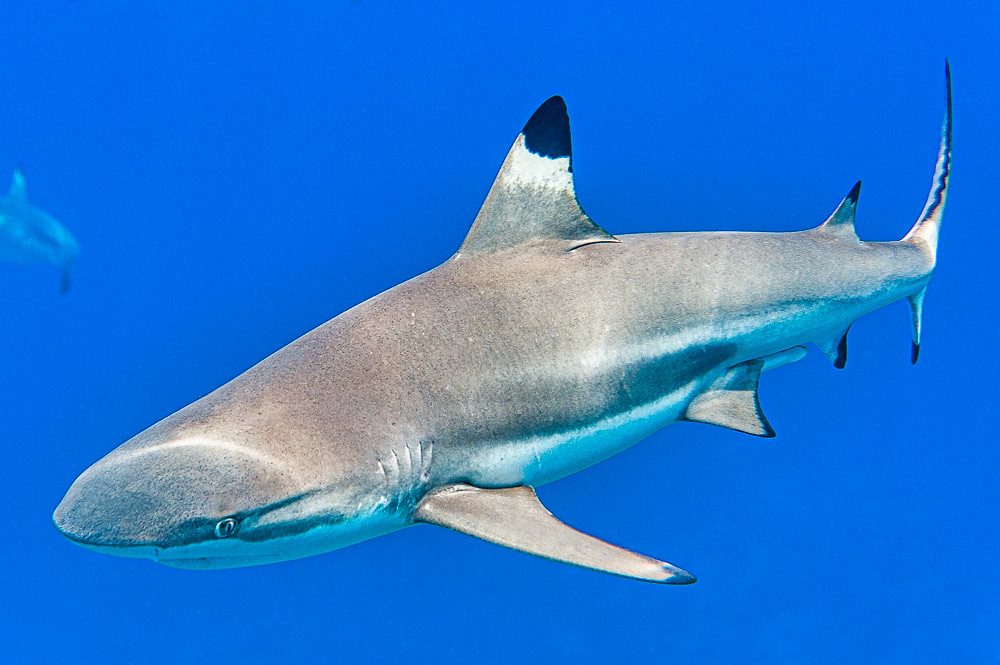
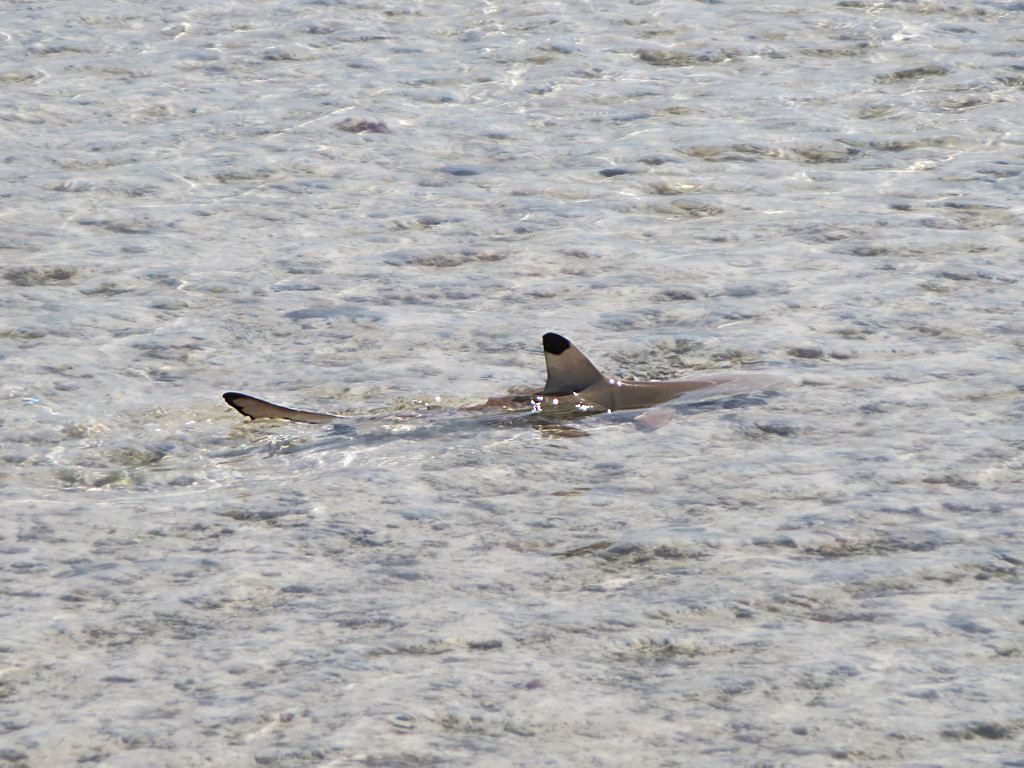
One reason tourists fear the blacktip reef shark is that it lives exactly where people like to swim. Unlike many larger sharks that spend much of their time in deeper water, blacktip reef sharks prefer shallow coastal areas, sandy flats, lagoons, and coral reefs. In some locations, they can even be seen swimming in water only a few feet deep with their dorsal fins visible above the surface.
For someone enjoying a beach vacation, seeing a shark so close can be startling. Many people expect sharks to stay far offshore. When a blacktip reef shark suddenly glides past in clear water, fear often takes over before logic has a chance to catch up. The shark’s presence feels personal because it shares the same space as swimmers, even though it is usually focused on finding fish and other small prey.
Its appearance looks more dangerous than it is
The blacktip reef shark has the classic appearance most people imagine when they think about sharks. It has a streamlined body, a pointed snout, and distinctive black markings on its fins. Even though it typically grows to around five or six feet long, its shape makes it look like a much larger predator.
Because of movies, television shows, and dramatic news reports, many people associate this body shape with danger. When tourists spot a blacktip reef shark, they often assume it poses the same threat as much larger species. However, appearance alone does not tell the whole story. Marine experts consistently describe this shark as timid and skittish around humans. It usually avoids close contact whenever possible.
Movies and media have shaped public fear

Fear of sharks often begins long before a tourist enters the water. Popular culture has spent decades portraying sharks as ruthless hunters that actively target humans. As a result, many people develop a strong fear of sharks despite never having encountered one in real life.
This fear follows travelers to tropical destinations. When they finally see a blacktip reef shark, their minds often recall dramatic scenes from movies rather than scientific facts. The shark may simply be passing through its habitat, but the emotional reaction can be intense. In many cases, tourists are responding more to the idea of a shark than to the actual behavior of the animal in front of them.
The species rarely poses a serious threat
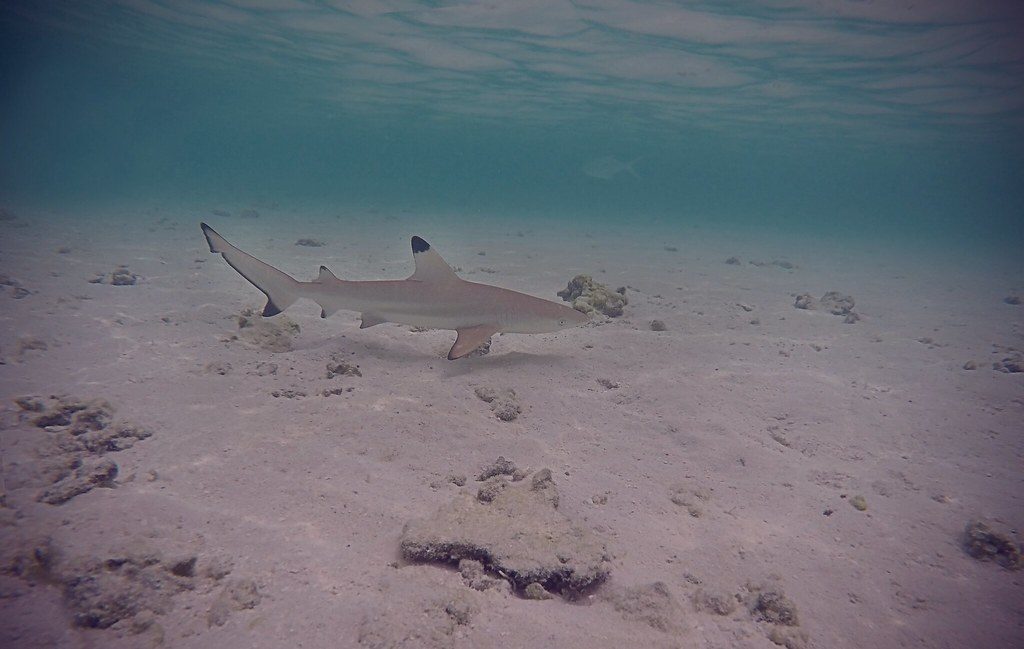
Despite widespread fear, blacktip reef sharks have a long history of peaceful interactions with people. Records show that unprovoked bites are uncommon, especially considering how often humans share the water with this species. Most incidents that do occur are minor and often involve cases of mistaken identity in shallow water.
Experts note that these sharks seldom pose a serious danger to humans. They are naturally cautious and typically flee when approached. While they are still wild animals that deserve respect, their behavior is very different from the image many tourists have in mind. Millions of people snorkel and dive alongside reef sharks every year without any problems.
Social media has increased shark anxiety

Videos of sharks often spread rapidly across social media platforms. A short clip showing a blacktip reef shark swimming near a tourist can attract millions of views. Unfortunately, these videos sometimes focus on fear and drama rather than education. The result is that viewers may come away believing shark encounters are much more dangerous than they actually are.
Social media has also encouraged some people to get unusually close to sharks for photos and videos. Researchers have found that certain shark bites are actually defensive reactions to humans disturbing or touching the animals. In these situations, the shark is not acting as a predator. Instead, it is reacting to unwanted contact. These incidents can further increase public fear when shared online without proper context.
The shark is simply doing its job in the reef
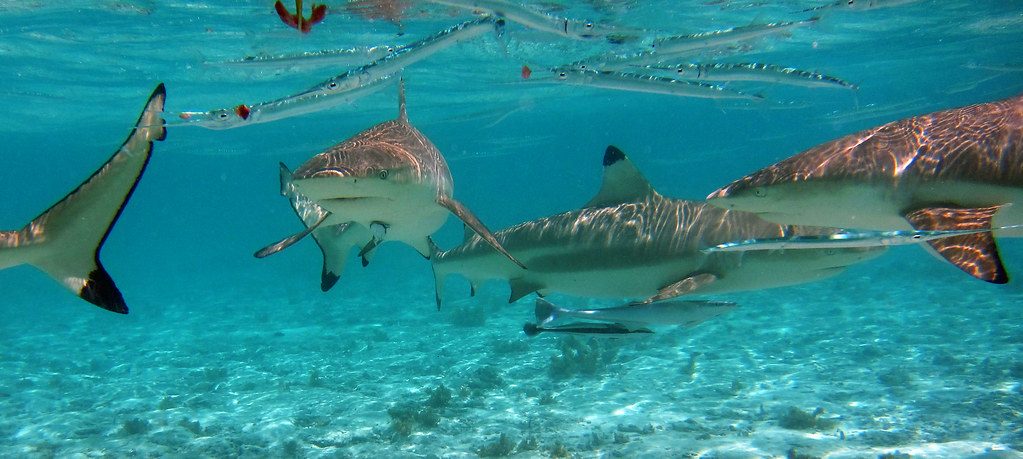
Blacktip reef sharks play an important role in maintaining healthy reef ecosystems. They feed mainly on small fish, squid, octopuses, and crustaceans. By hunting weaker or more vulnerable prey, they help maintain balance within the marine environment. Humans are not part of their normal diet.
Most of the time, these sharks are focused entirely on survival. They patrol reef edges, search for food, and avoid larger predators. Their lives revolve around the reef ecosystem rather than interactions with people. When tourists understand this behavior, many begin to see blacktip reef sharks as fascinating wildlife rather than frightening monsters.
Leave a Reply