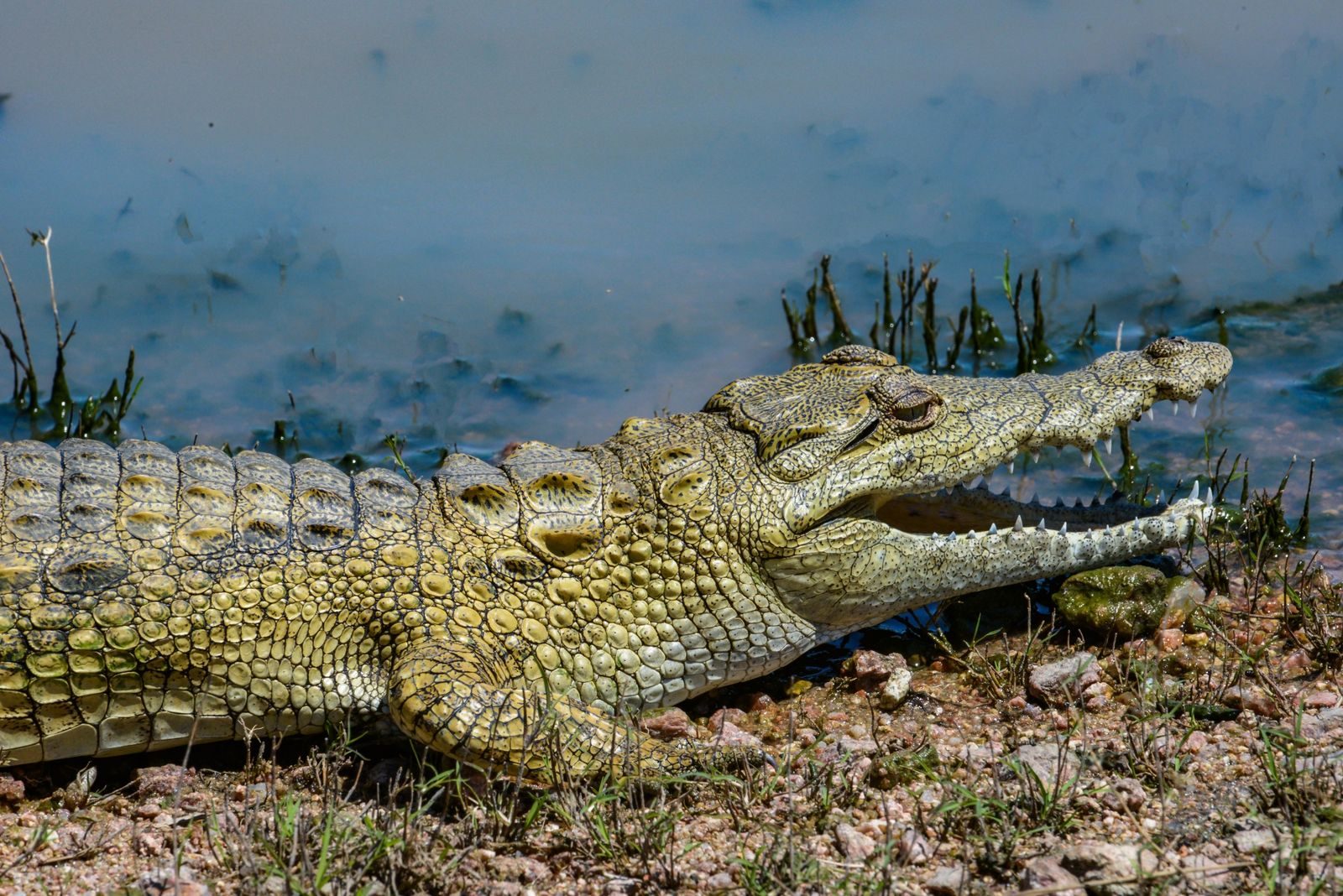
Have you ever wondered if one crocodile could terrorize an entire region for decades? The crocodile blamed for hundreds of attacks is known as Gustave, a giant Nile crocodile that has become one of Africa’s most famous wildlife legends.
While stories about him have spread around the world, not every claim has been proven. In this article, you’ll learn who Gustave is, where he lives, why people fear him, what experts know for sure, and how fact and legend have mixed together over the years.
Who is Gustave the crocodile?
Gustave is a large male Nile crocodile believed to live in Burundi, East Africa, mainly in the Ruzizi River and along the northern shores of Lake Tanganyika. He was named by French naturalist Patrice Faye, who studied the crocodile for years and tried to capture him for research.
Experts estimate Gustave may be over 20 feet long and weigh close to one ton, although no one has ever measured him directly. He is easy to recognize because of several scars on his body that likely came from failed attempts to kill him.
Why is he linked to so many attacks?
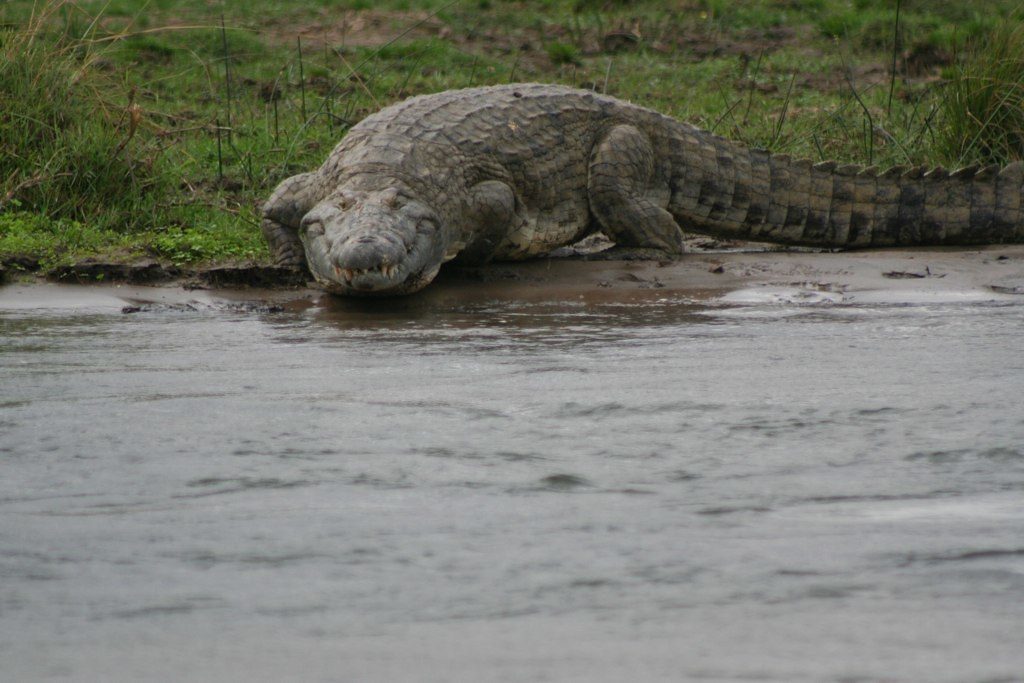
Gustave is often blamed for killing as many as 200 to 300 people since the late 1980s. However, wildlife experts say those numbers cannot be fully verified because many attacks in remote parts of Burundi were never officially recorded.
Some researchers believe the true number of victims may be much lower, possibly around 60 or fewer. Even so, Gustave has earned a frightening reputation because witnesses have connected him to multiple deadly attacks over many years.
Why are Nile crocodiles so dangerous?
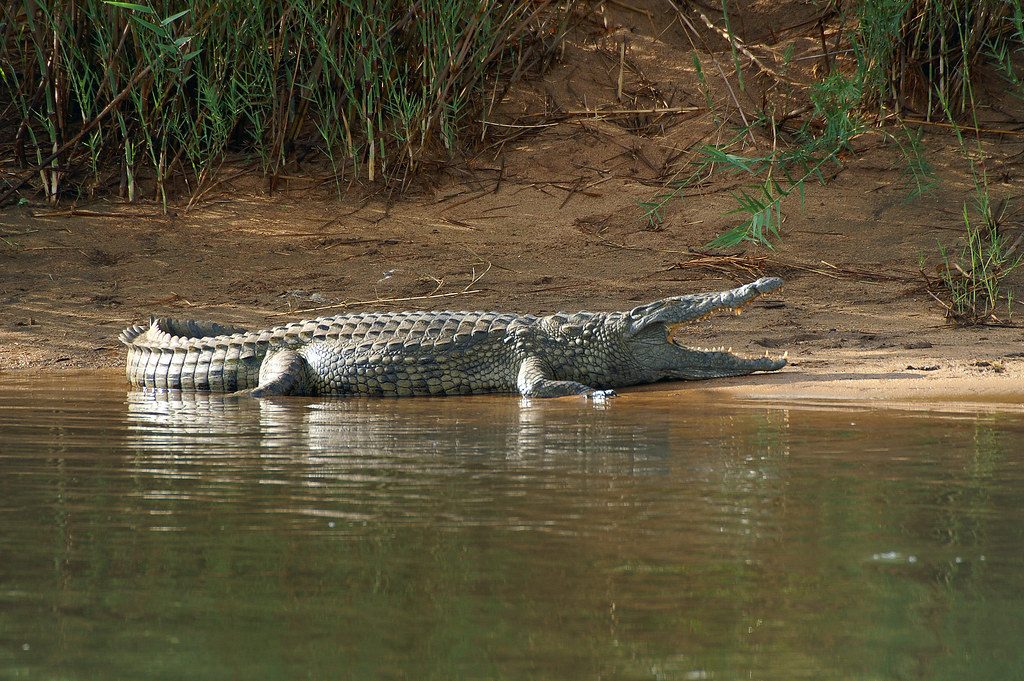
The Nile crocodile is one of the world’s most dangerous reptiles. It lives close to rivers and lakes where people fish, collect water, wash clothes, or travel by boat. This close contact increases the chance of attacks.
Unlike many predators, Nile crocodiles are patient ambush hunters. They wait quietly beneath the water before striking with incredible speed. Large adults are strong enough to overpower people and many large animals, making them responsible for more fatal crocodile attacks than any other crocodile species.
Why has Gustave never been captured?

Several attempts have been made to catch Gustave, including the use of large traps and heavy cages. None have succeeded, and the crocodile has continued to avoid capture.
His survival is not necessarily because he is unusually intelligent. Experts say capturing an enormous wild crocodile is extremely difficult. These animals may eat only occasionally, making baited traps less effective, and they can easily disappear into large river systems.
Fact versus legend
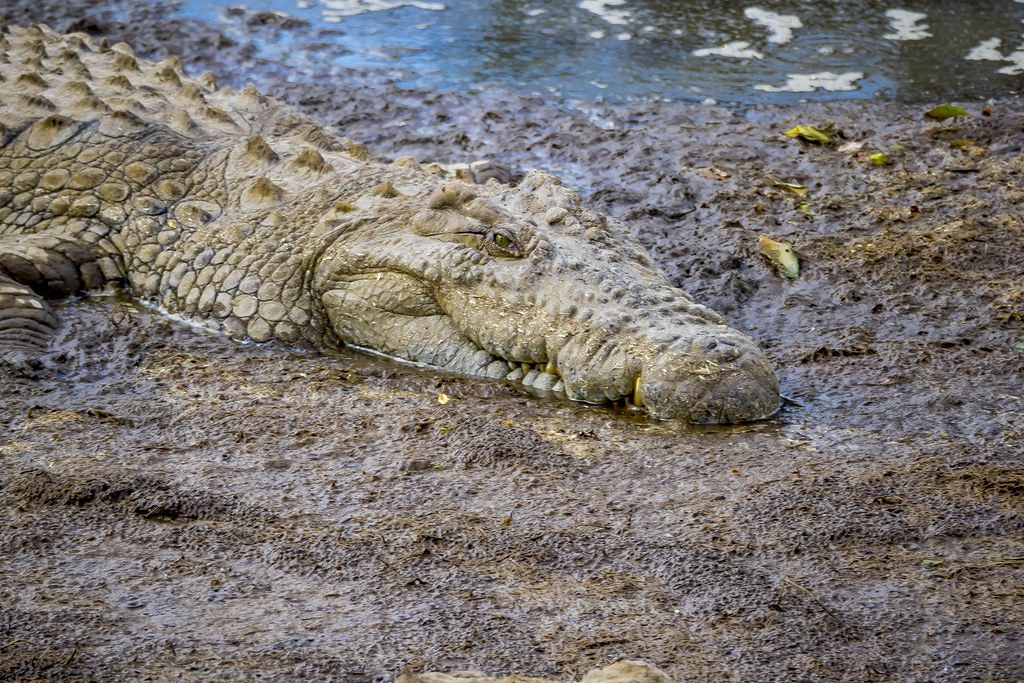
Many stories claim Gustave kills people without eating them or hunts simply for sport. Scientists have found no strong evidence to prove these claims, and many details have likely grown through local storytelling over time.
What is supported by evidence is that a very large scarred Nile crocodile has lived in Burundi and has been photographed. Researchers also agree that he has become a symbol of the danger crocodiles can pose where people and wildlife share the same waterways.
What can people learn from Gustave?
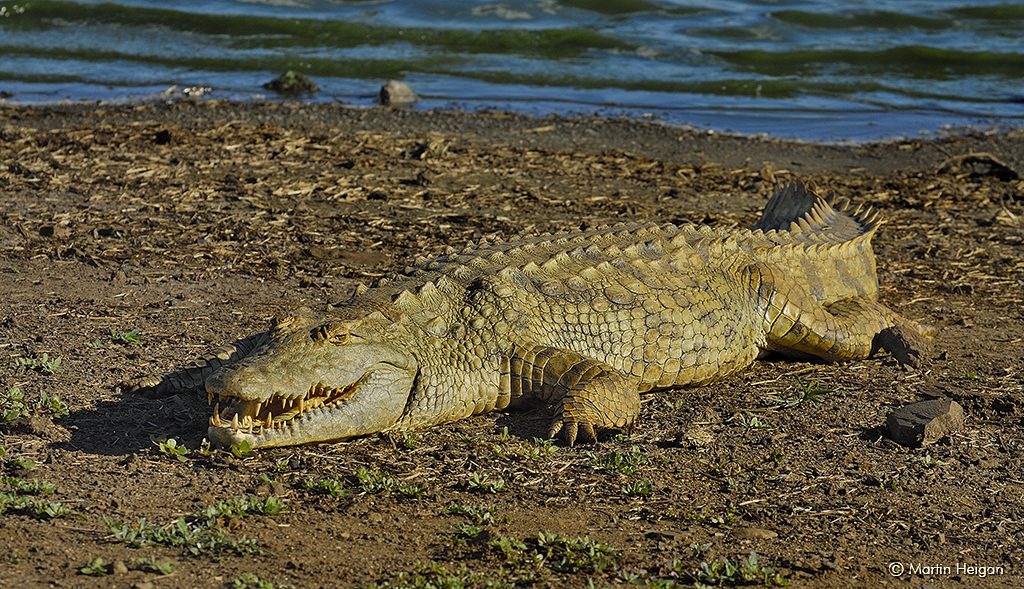
Gustave’s story reminds us that wild animals deserve both respect and caution. People living near crocodile habitats can reduce risk by avoiding riverbanks at dawn and dusk, staying away from known crocodile areas, and using safe places to collect water whenever possible.
The story also shows why it is important to separate proven facts from rumors. While Gustave’s exact number of victims remains uncertain, his legend has helped raise awareness about crocodile safety and the challenges of living alongside one of Africa’s top predators.
Leave a Reply