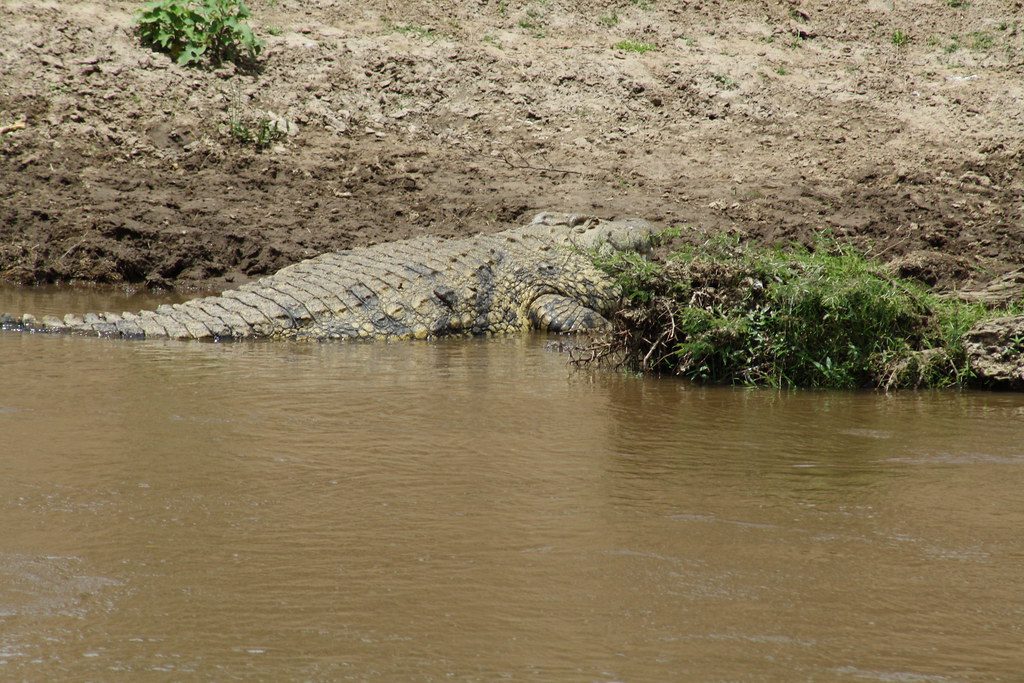
A search for a missing businessman along South Africa’s Komati River turned into an extraordinary wildlife investigation. After days of searching flood-damaged riverbanks, rescuers noticed a giant crocodile resting unusually close to where the man had disappeared.
What followed was a complex recovery operation involving helicopters, forensic experts, and DNA testing. The investigation confirmed a tragic outcome while raising new questions about the crocodile’s past. This article explains how the search unfolded, why investigators focused on the reptile, and what experts know so far.
A flood turned into a tragedy
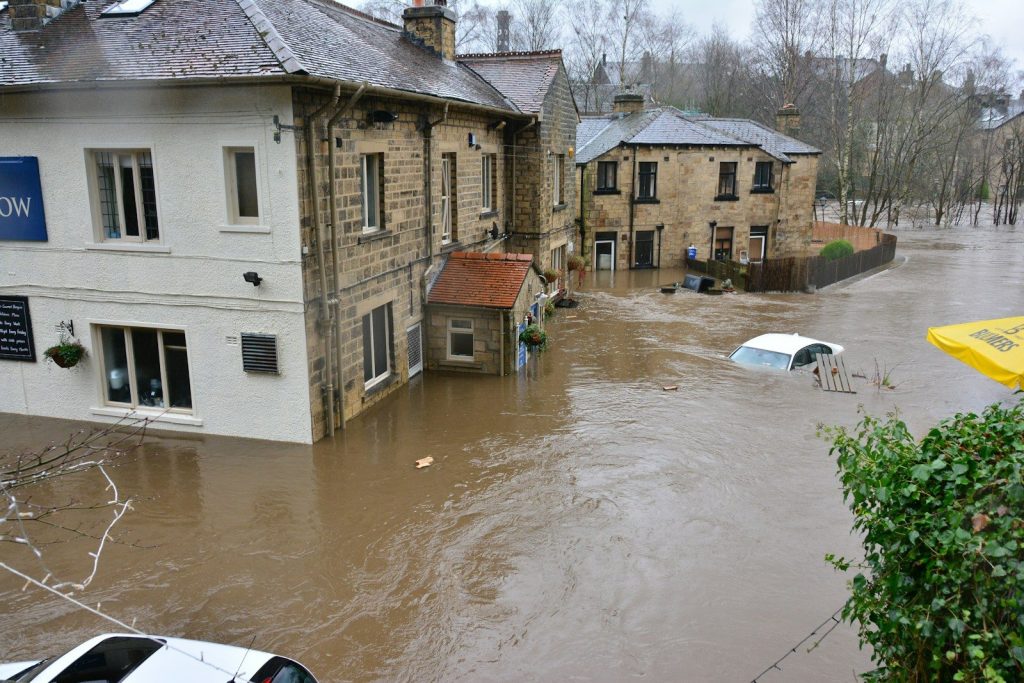
Gabriel Batista, a 59-year-old hotel owner, disappeared after his vehicle became trapped in rising floodwaters near the Komati River. Rescue teams searched the dangerous river for about a week but found no sign of him.
The Komati River is known for strong seasonal flooding and a healthy population of Nile crocodiles. These conditions made the search especially difficult for emergency crews working in the area.
A crocodile attracted the investigators’ attention
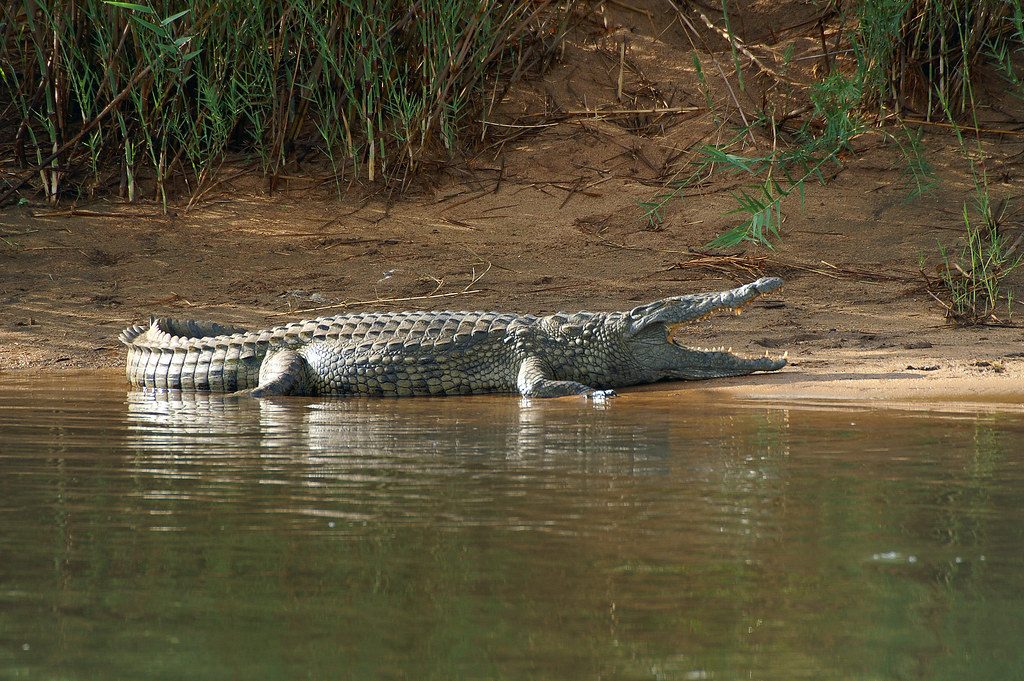
Search teams eventually noticed a very large crocodile resting on a riverbank about 150 meters from where Batista was last seen. The animal remained unusually still and showed signs that it had recently eaten, leading investigators to examine it more closely.
Because crocodiles often bask in the sun after feeding to help digestion, investigators considered the possibility that the reptile could be connected to the missing person case. This observation guided the next stage of the investigation.
A complex recovery operation followed
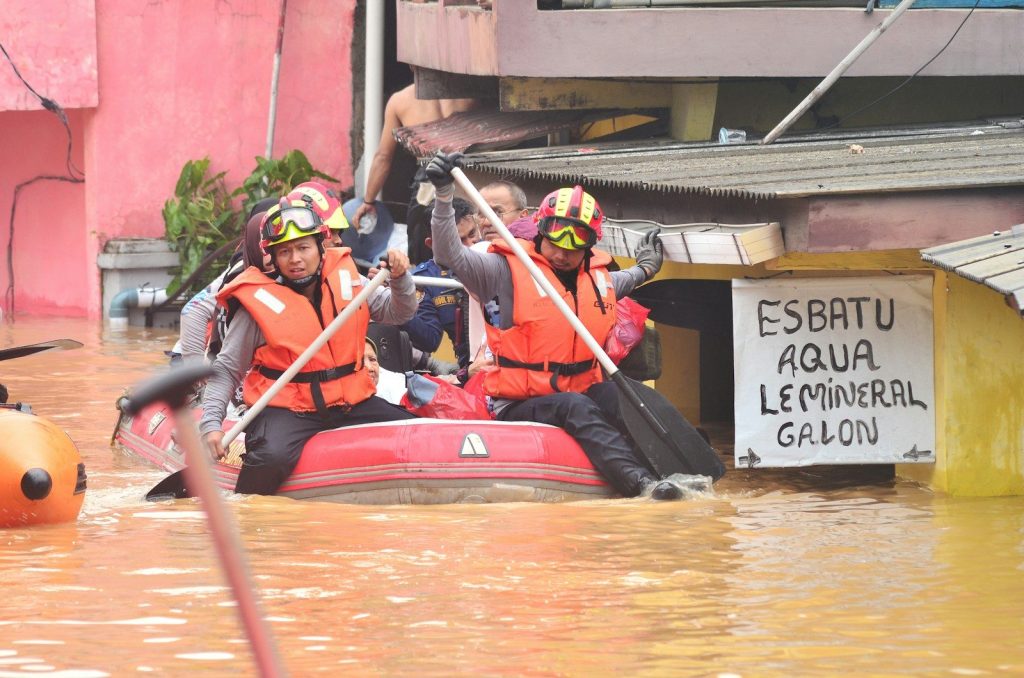
Authorities first euthanized the crocodile before carrying out a difficult recovery operation. A police officer was lowered by helicopter into the crocodile-inhabited river to secure the animal so it could be safely airlifted for forensic examination.
The operation required careful coordination because other large crocodiles remained nearby. Once transported to a secure location, forensic specialists began examining the animal.
DNA confirmed the victim’s identity

During the examination, investigators recovered human remains, including body parts and a ring believed to belong to Batista. DNA testing later confirmed that the remains belonged to the missing businessman.
Investigators also discovered several pairs of shoes inside the crocodile. However, police have not confirmed whether those shoes are connected to any other missing person cases, and that part of the investigation remains unresolved.
Floods increase risks near crocodile habitats
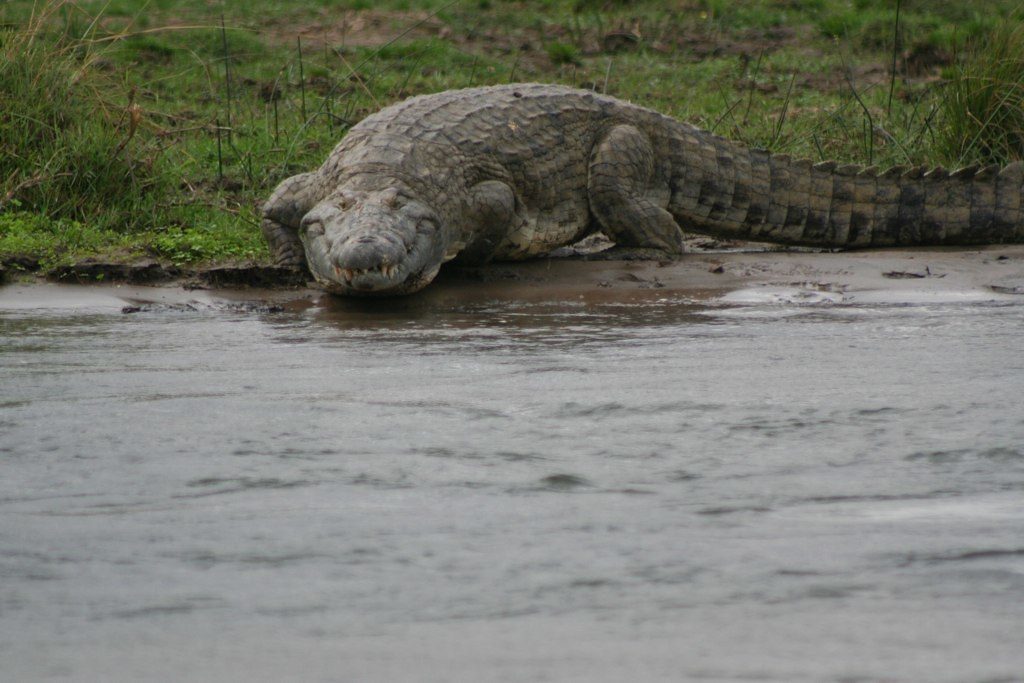
Nile crocodiles naturally live in many rivers across southern Africa. Heavy rainfall and flooding can expand waterways, increasing the chances that people and crocodiles may come into contact.
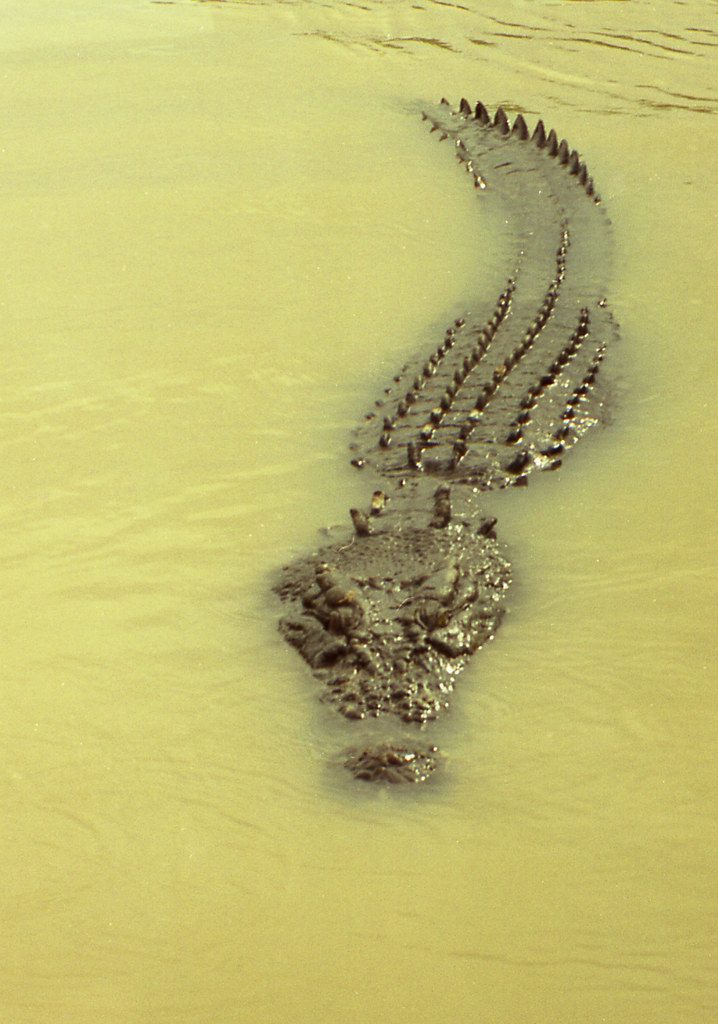
Wildlife experts recommend avoiding flooded rivers and remaining alert in known crocodile habitats, particularly after storms when water levels and animal movements become less predictable. Crocodiles are powerful ambush predators that should always be treated with caution.
A reminder about living alongside wildlife
The investigation demonstrated how natural hazards and wildlife can combine during extreme weather events. Although tragic, the case also highlighted the professionalism of rescue teams and forensic specialists working under difficult conditions.
As authorities continue investigating the unexplained shoes, the incident serves as a reminder that respecting wildlife habitats and avoiding dangerous waterways can reduce the risk of similar tragedies in the future.
Leave a Reply