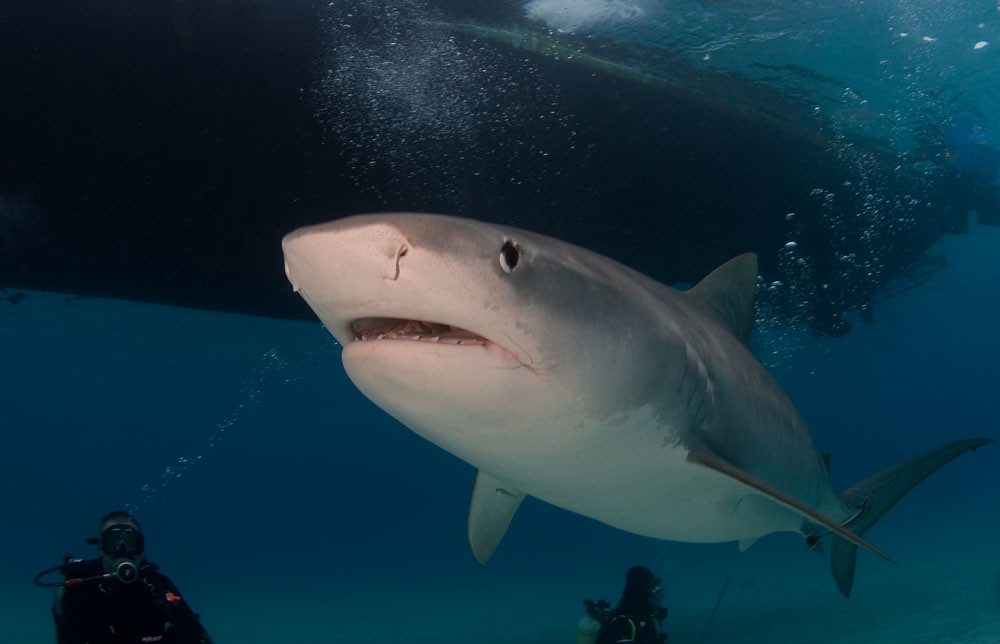
Tiger sharks are already among the ocean’s largest predators, but those living around Norfolk Island in the South Pacific often grow even bigger. Some regularly reach nearly 15 feet in length, making them much larger than the average tiger shark found in many other parts of the world.
For years, local residents believed discarded cattle carcasses explained the unusual growth. However, scientific research uncovered a far more surprising answer. This article explores why Norfolk Island supports such impressive tiger sharks, what scientists discovered about their diet, and why the findings changed how researchers view this unique marine ecosystem.
A remote island with giant sharks
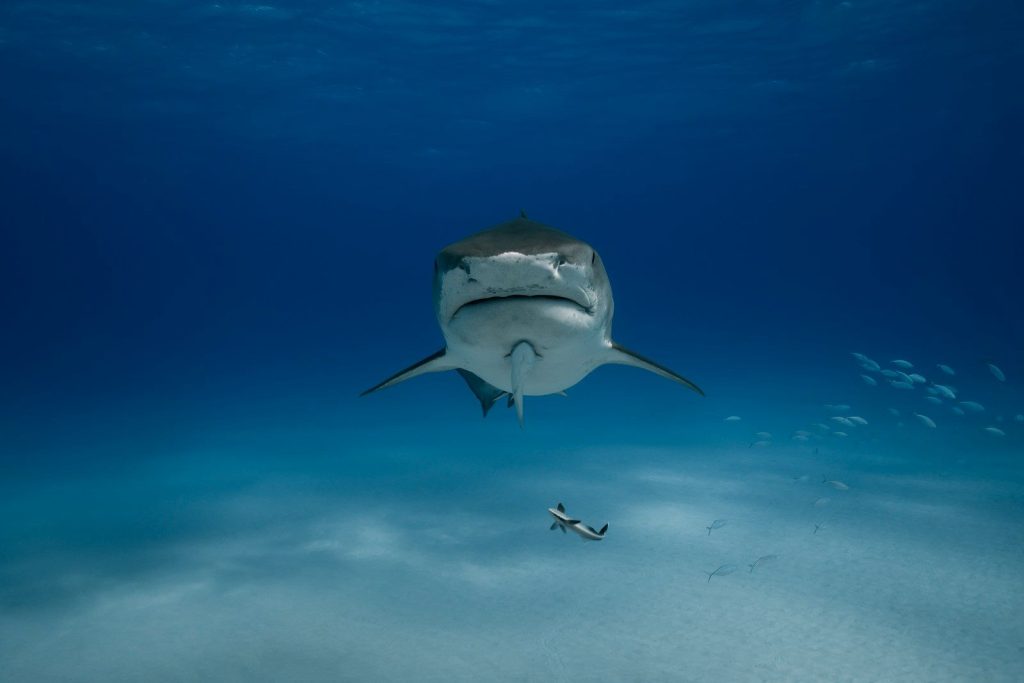
Norfolk Island lies in the South Pacific about 900 miles east of mainland Australia. Despite its small size, the island has become famous for hosting an unusually high number of large tiger sharks.
Researchers noticed that many sharks around the island were significantly larger than tiger sharks commonly recorded in nearby regions. This unusual pattern prompted scientists to investigate what was supporting such a healthy population of large predators.
The first theory blamed cattle
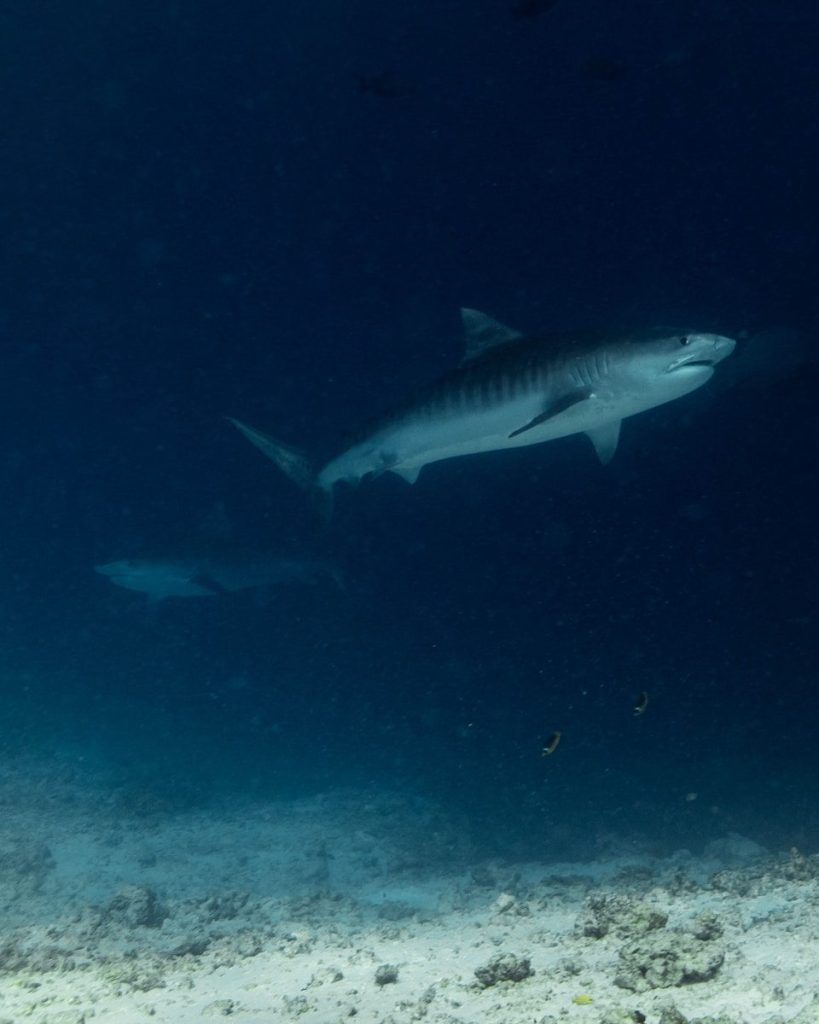
For decades, cattle farming on Norfolk Island produced animal remains that were traditionally discarded into the ocean. Many people believed this steady supply of food explained why so many tiger sharks gathered near the island.
Scientists tested this idea by analyzing blood and muscle samples from tiger sharks using stable isotope analysis. The results showed that cattle contributed only about 10% of the sharks’ diet, far less than expected.
The real food source came from above

The research revealed that seabirds made up roughly 52% of the sharks’ diet. Thousands of wedge-tailed shearwaters nest on Norfolk Island, and at dusk, many gather in large floating groups on the ocean surface.
These floating seabirds create an easy feeding opportunity for tiger sharks. Scientists believe the predictable supply of high-energy prey helps support the island’s unusually large shark population.
Why seabirds are such valuable prey

Tiger sharks are opportunistic predators that eat a wide variety of animals, including fish, sea turtles, seabirds, and marine mammals. They take advantage of food sources that require less energy to capture.
When thousands of seabirds rest together on the water each evening, sharks can approach from below and capture them efficiently. This dependable food source may allow more energy to be invested in growth instead of constantly searching for prey.
Norfolk Island supports a unique ecosystem

The relationship between tiger sharks and seabirds shows how closely connected island ecosystems can become. A healthy seabird population helps sustain large marine predators, while the surrounding ocean provides habitat for both groups.
Researchers also found that tiger sharks frequently use particular areas around the island, suggesting that both natural food sources and human activities may influence where the sharks spend their time.
A mystery that changed scientific thinking

The Norfolk Island study demonstrated that assumptions about wildlife are not always correct. Although discarded cattle remains attracted attention for many years, careful scientific analysis revealed that seabirds play a much larger role in supporting these impressive predators.
The findings also highlight how detailed ecological research can uncover hidden relationships between species. By understanding these connections, scientists gain a clearer picture of how complex marine ecosystems function and how they can be protected for the future.
Leave a Reply