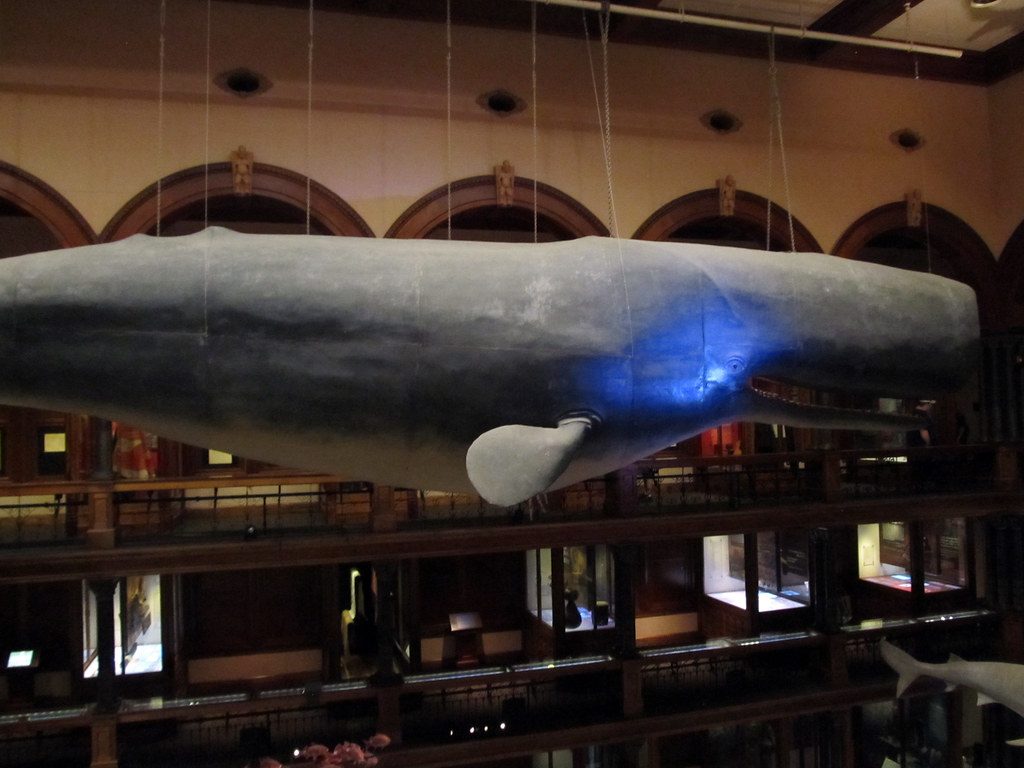
Far below the sunlight, where crushing pressure and darkness make survival nearly impossible, one predator rules the deep. The sperm whale is the largest toothed predator ever known and regularly dives into the abyss to hunt giant squid and other deep-sea animals.
These dives push the limits of mammal biology and reveal adaptations unlike those of almost any other creature on Earth. This article explains how sperm whales survive such extreme conditions, why giant squid are one of their favorite prey, and what scientists have learned about these remarkable hunters.
Sperm whales are masters of deep diving
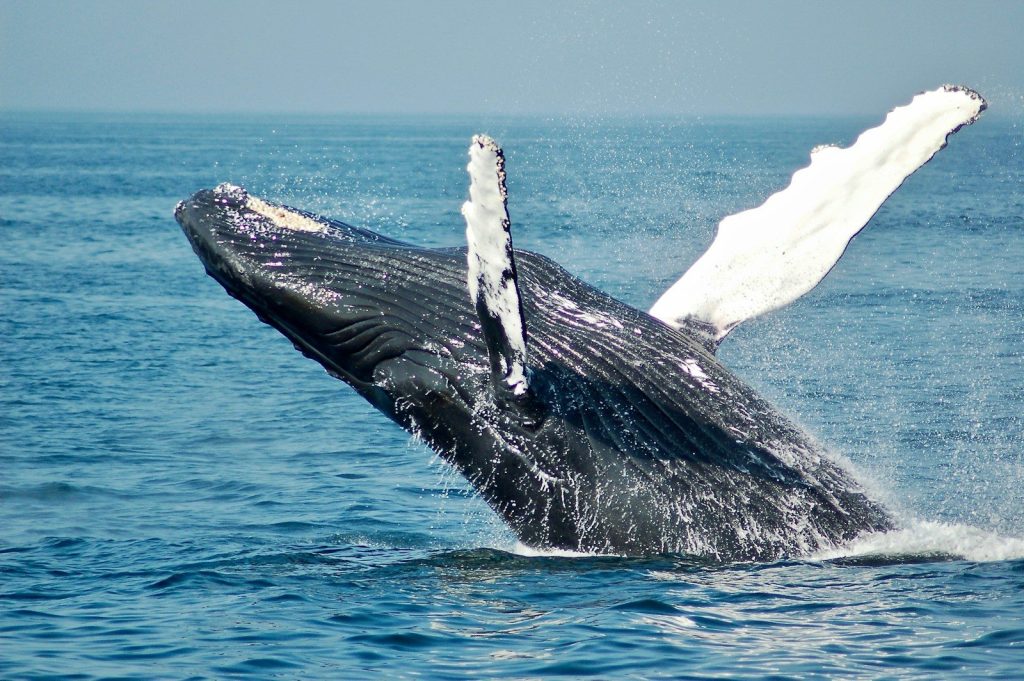
Sperm whales routinely dive more than 1,000 meters below the ocean’s surface while searching for food. Typical hunting dives last about 45 minutes, although some dives can last much longer under certain conditions.
These whales spend much of their lives traveling between the surface and the deep ocean. After each long dive, they return to the surface to breathe and recover before beginning another descent.
Their bodies are built for extreme pressure
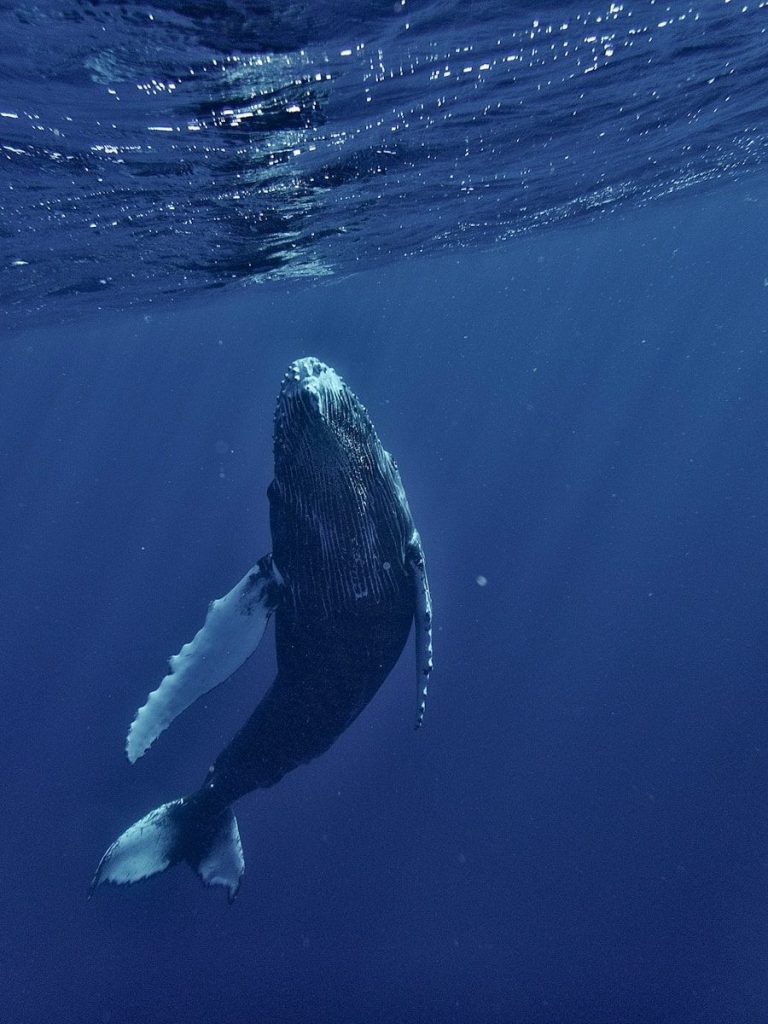
As sperm whales descend, pressure increases dramatically. Their bodies have evolved specialized adaptations that allow their lungs to safely compress while oxygen is stored efficiently in their blood and muscles.
Their heart rate also slows during deep dives, reducing oxygen use and helping them stay underwater longer. These biological changes allow sperm whales to function in an environment that would quickly overwhelm most mammals.
Giant squid are among their favorite prey
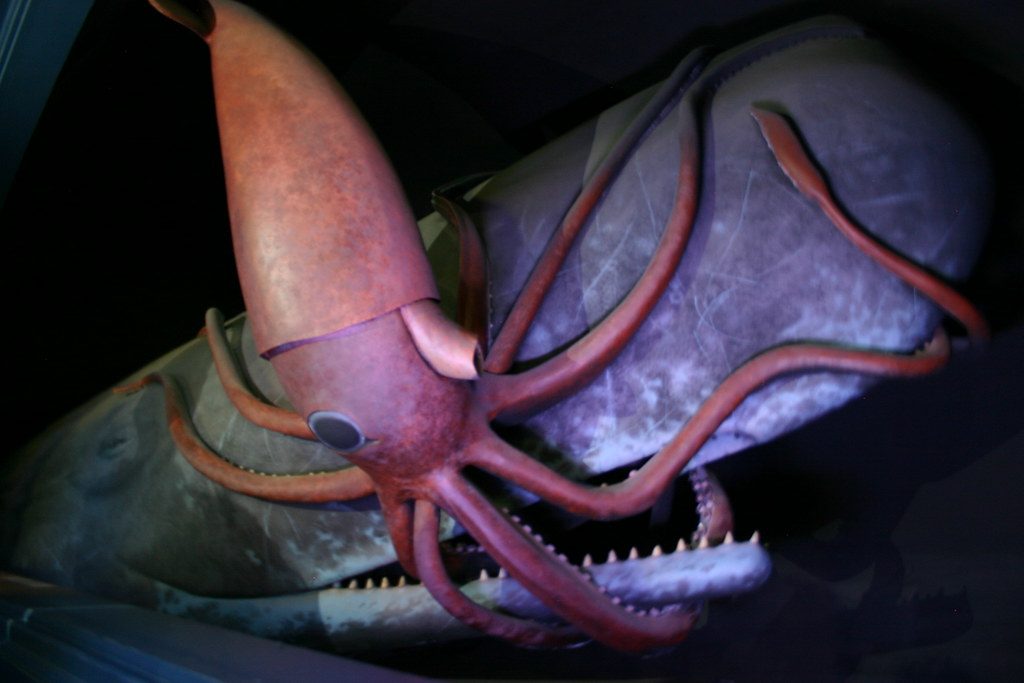
One of the sperm whale’s primary food sources is the giant squid. These elusive animals live deep below the surface, where they are rarely seen by humans but frequently hunted by sperm whales.
Scientists know these encounters happen because giant squid beaks are regularly found inside sperm whale stomachs. Many whales also carry circular scars believed to have been left by the squid’s powerful suction cups during defensive struggles.
Hunting in complete darkness
The deep ocean receives little or no sunlight, making vision almost useless. Instead, sperm whales rely on powerful echolocation clicks that allow them to detect prey and navigate through the darkness.
These clicks are among the loudest biological sounds produced by any animal. By listening for returning echoes, the whales can locate squid and other prey hidden far below the surface.
Scientists are still uncovering their secrets
Although sperm whales have been studied for many years, much of their deep-sea hunting behavior remains hidden because it happens far beyond the reach of sunlight and most research equipment.
Modern satellite tags, underwater microphones, and electronic tracking devices are helping researchers learn more about where sperm whales dive, how they hunt, and how they interact with deep-sea prey.
The deep ocean remains a hidden frontier
The relationship between sperm whales and giant squid is one of the ocean’s most remarkable predator-prey interactions. Even though scientists have gathered strong evidence of these encounters, they have rarely witnessed them directly because they occur so deep beneath the surface.
Every new expedition reveals more about these extraordinary mammals and the mysterious world they inhabit. Their ability to survive crushing pressure, navigate total darkness, and hunt giant squid continues to make sperm whales one of nature’s greatest biological achievements.
Leave a Reply