
For hundreds of years, sailors told frightening stories about a giant sea monster called the Kraken. They described enormous tentacles rising from the ocean to attack ships before disappearing back into the darkness. Many people believed these stories were only myths. Today, scientists think those legends may have been inspired by a real animal: the giant squid.
Although this mysterious creature remained hidden for centuries, modern research has revealed that it truly exists deep beneath the ocean’s surface. This article explores how the giant squid inspired the Kraken legend, why it grows so large, and why it remains one of the least understood animals on Earth.
The Kraken legend began centuries ago

Stories about the Kraken first appeared in Norse legends during the 13th century. Sailors described an enormous sea creature living off the coasts of Norway and Greenland that could threaten ships with its massive tentacles.
In 1857, Danish naturalist Japetus Steenstrup formally described the giant squid, Architeuthis dux, giving scientists their first clear scientific explanation for the creature that may have inspired those old stories.
Scientists finally photographed the giant squid

For many years, giant squids were known only from dead specimens that washed ashore or were found inside sperm whales. No one had successfully photographed one alive in its natural habitat.
That changed in 2004 when Japanese researchers Tsunemi Kubodera and Kyoichi Mori captured the first photographs of a live giant squid near Japan’s Ogasawara Islands. In 2012, they recorded the first video of a live giant squid swimming in the deep ocean, confirming what scientists had long suspected.
Why giant squids grow so large

The deep ocean is cold, dark, and filled with limited food. Scientists believe these harsh conditions encourage some animals to evolve much larger bodies because larger animals can store energy more efficiently and survive longer between meals.
Giant squids can reach lengths of around 13 meters, making them among the longest invertebrates on Earth. Their enormous eyes, the largest in the animal kingdom, help them detect faint light deep below the surface.
Life in the deep remains mysterious

Despite decades of research, scientists still know surprisingly little about giant squid behavior. Questions about how they reproduce, migrate, and spend most of their lives remain unanswered because they live in environments that are extremely difficult to study.
Most observations come from stranded animals, accidental catches, or rare deep-sea expeditions. Every new sighting helps researchers better understand one of the ocean’s most elusive species.
Giant squids face powerful predators
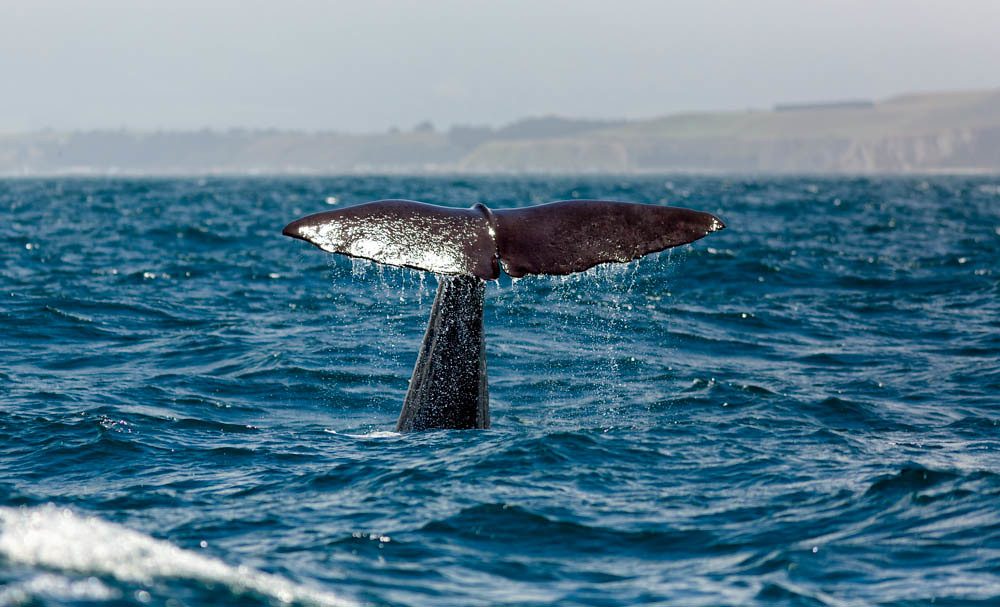
Although giant squids are enormous, they are not the top predators of the deep sea. Sperm whales regularly hunt them, and scientists have found squid beaks inside whale stomachs along with circular scars left by squid suckers on whale skin.
These battles likely occur far below the surface, where humans rarely observe them. They remain among the most dramatic predator-prey relationships known in the deep ocean.
Science continues replacing myth with discovery

The story of the Kraken shows how myths can sometimes contain elements of truth. Sailors who reported enormous tentacled creatures may have encountered giant squids long before science could explain what they had seen.
As deep-sea technology improves, researchers continue discovering animals that were once considered impossible or legendary. The giant squid remains one of the strongest reminders that much of Earth’s ocean is still waiting to be explored.
Leave a Reply