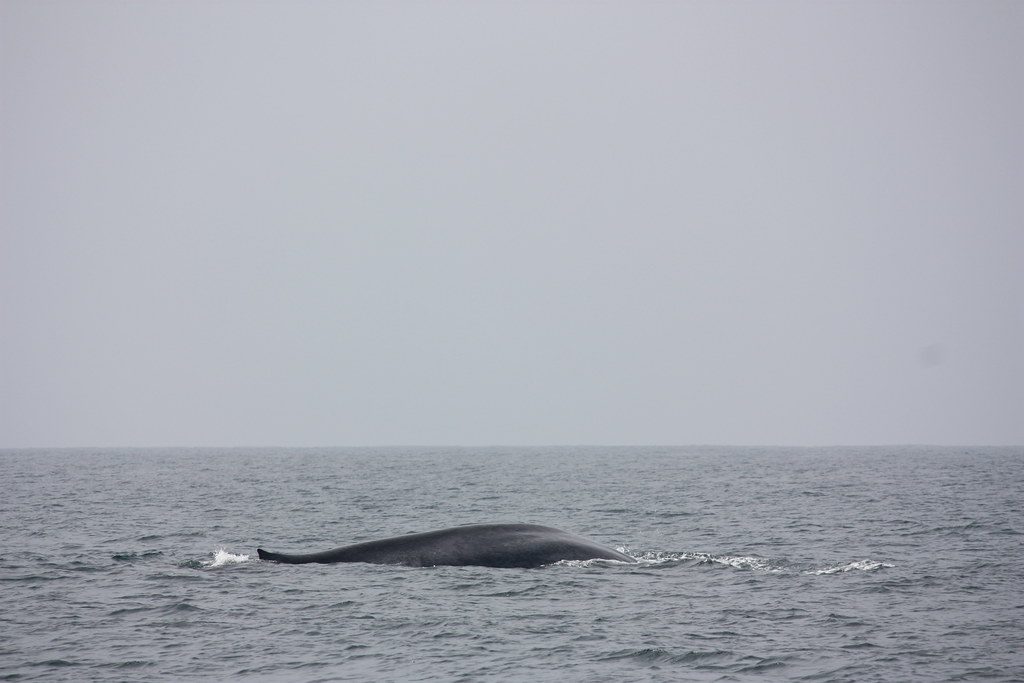
Great white sharks are famous for their size, power, and hunting skills. Movies and television have made them one of the most feared animals in the ocean. Yet the sea is home to creatures that are much larger than a great white shark.
Some are living animals that peacefully filter tiny food from the water, while others were prehistoric predators that ruled ancient oceans millions of years ago. This article explores several remarkable sea giants that surpassed the great white shark in size and reveals why the ocean has always been home to truly enormous animals.
Great white sharks are impressive predators
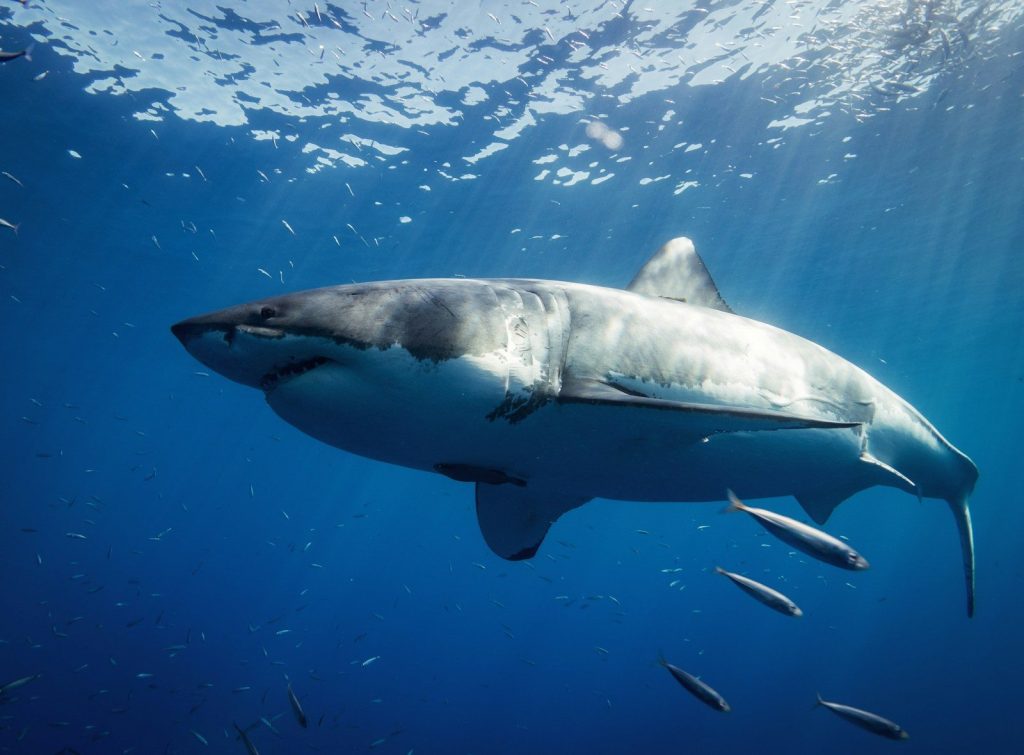
Great white sharks are among the largest predatory fish alive today. They have powerful jaws filled with rows of serrated teeth that are continuously replaced throughout their lives.
Although they are impressive hunters, great white sharks are not the largest sharks or even the largest animals living in today’s oceans. Several species greatly exceed them in length, weight, or both.
Megalodon was the largest known predatory shark
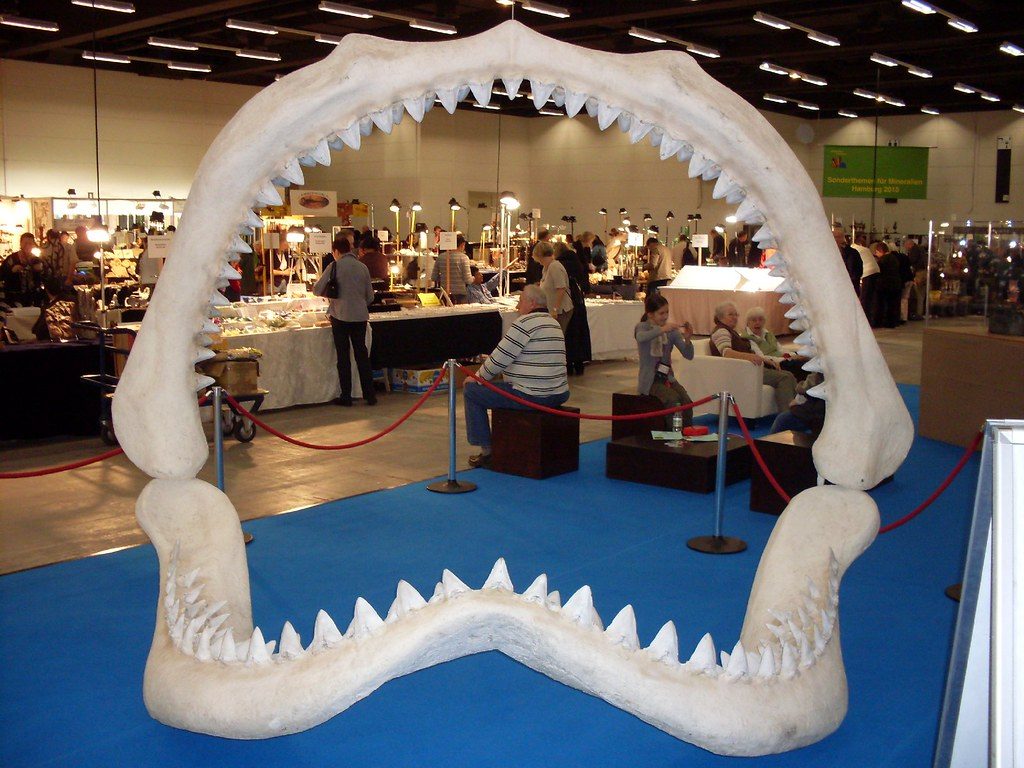
Megalodon lived from about 23 million to 3.6 million years ago and was one of the most powerful marine predators ever discovered. Modern scientific studies estimate that the largest individuals probably reached lengths of 16 to 20 meters, making them far larger than any living shark.
Its enormous teeth, some measuring more than 17 centimeters, were built to seize large marine mammals. Fossil evidence suggests that megalodon hunted whales, seals, and other large ocean animals before eventually becoming extinct.
Mosasaurus ruled ancient seas
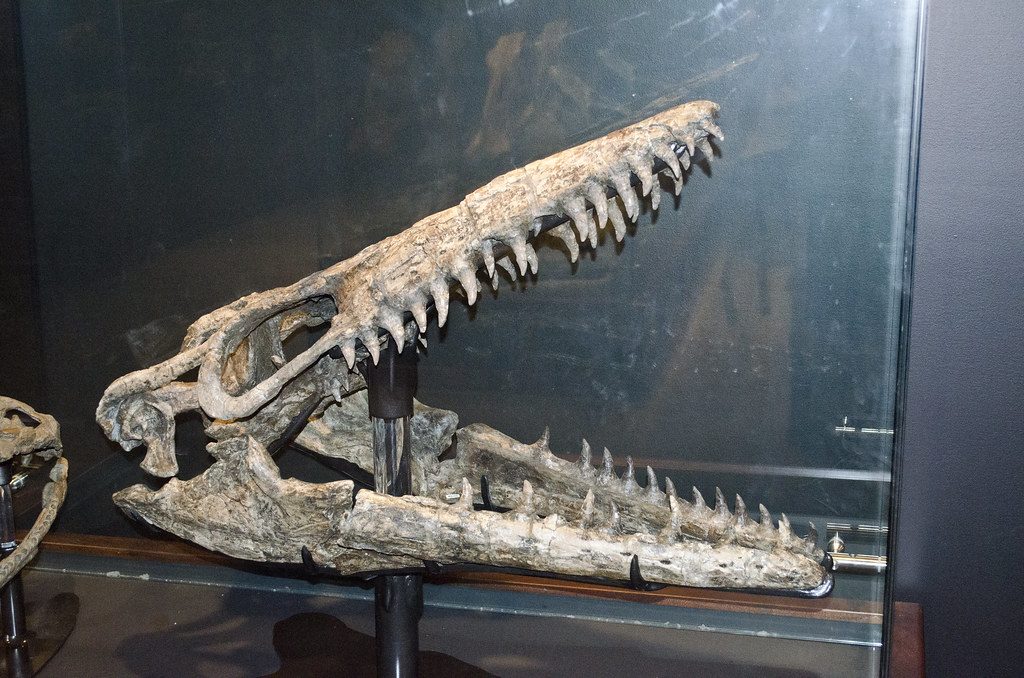
Mosasaurus was not a dinosaur or a whale. It was a giant marine reptile that lived during the Late Cretaceous period, roughly 70 to 66 million years ago. Adults are estimated to have reached about 14 to 17 meters in length.
Its streamlined body, paddle-shaped limbs, and powerful tail allowed it to move efficiently through the water. Double-hinged jaws helped it swallow large prey, making it one of the top predators of its time.
Livyatan was a giant prehistoric whale
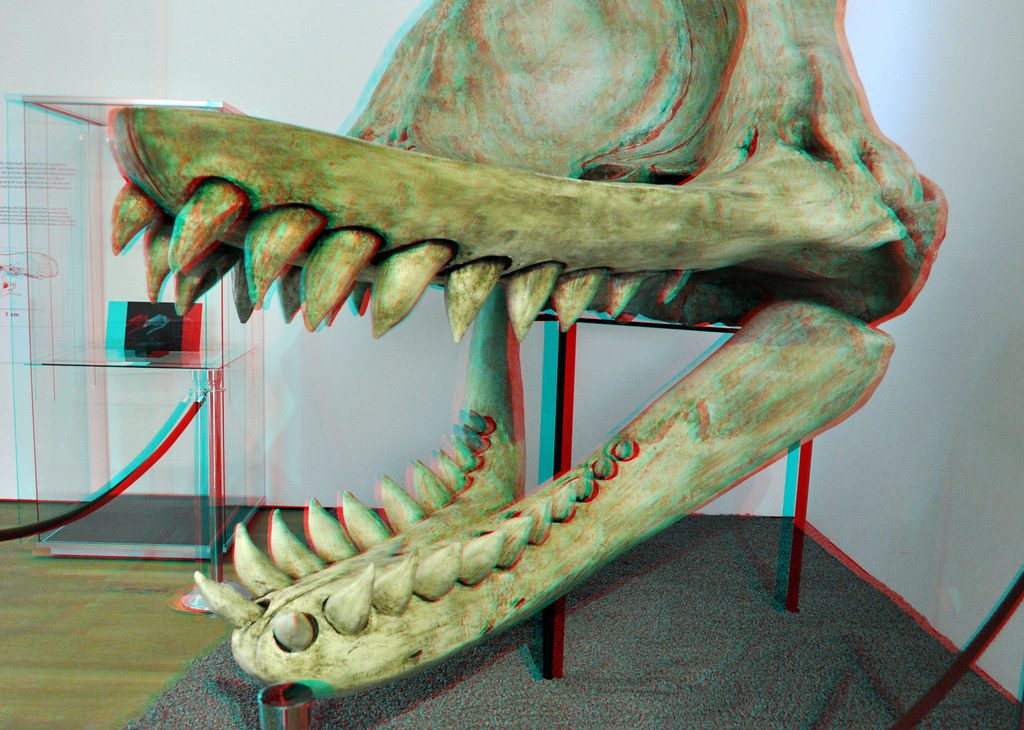
Livyatan was an ancient relative of today’s sperm whale that lived during the Miocene Epoch. Although scientists have only discovered limited fossils, estimates suggest it grew between 13 and 17 meters long and weighed tens of thousands of kilograms.
Unlike modern sperm whales that mainly eat squid, Livyatan possessed massive interlocking teeth nearly 30 centimeters long. These powerful jaws were adapted for hunting large marine mammals.
The blue whale is the true ocean giant
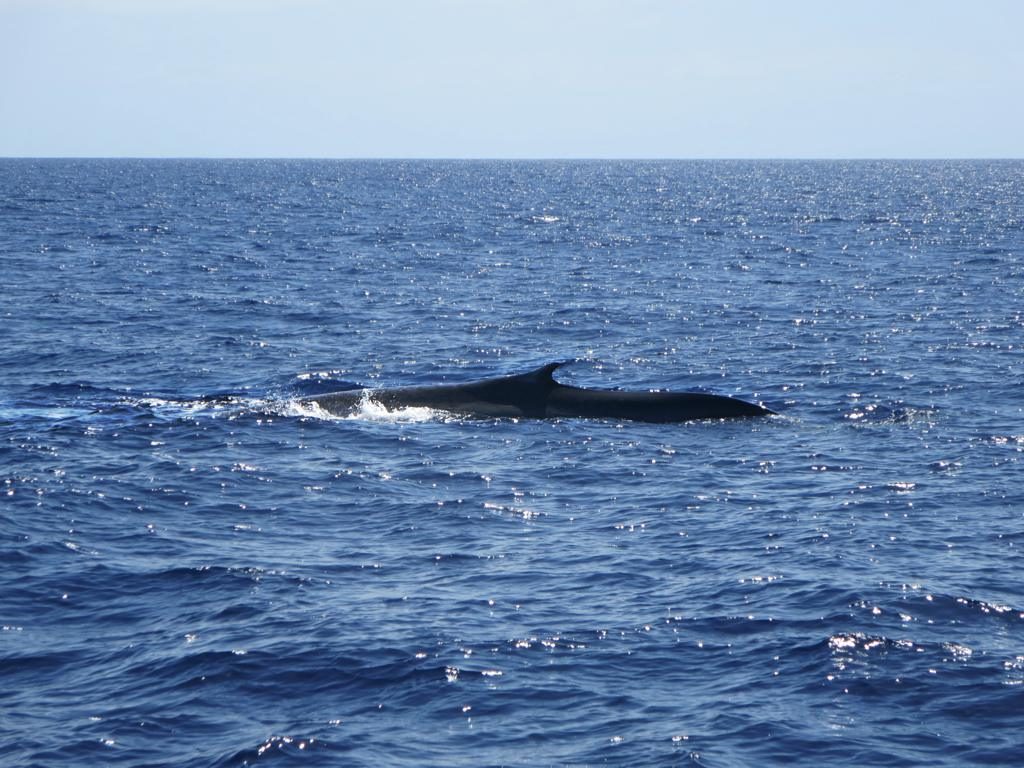
The blue whale is the largest animal known to have ever lived. Adults commonly reach about 30 meters in length and can weigh up to 200 tons, making them much larger than any living or extinct shark.
Despite their enormous size, blue whales feed mainly on tiny krill. Using hundreds of baleen plates instead of teeth, they filter vast amounts of seawater to capture millions of small crustaceans each day.
The ocean still holds incredible giants
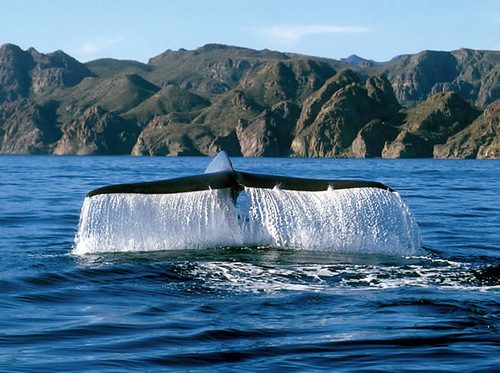
The ocean contains an astonishing range of giant animals, from prehistoric predators to peaceful filter feeders. Comparing these species shows that size alone does not determine whether an animal is dangerous.
Scientists continue studying both living and extinct marine giants to better understand how they evolved, hunted, and survived. Every new fossil and every modern observation helps reveal more about Earth’s extraordinary ocean history.
Leave a Reply