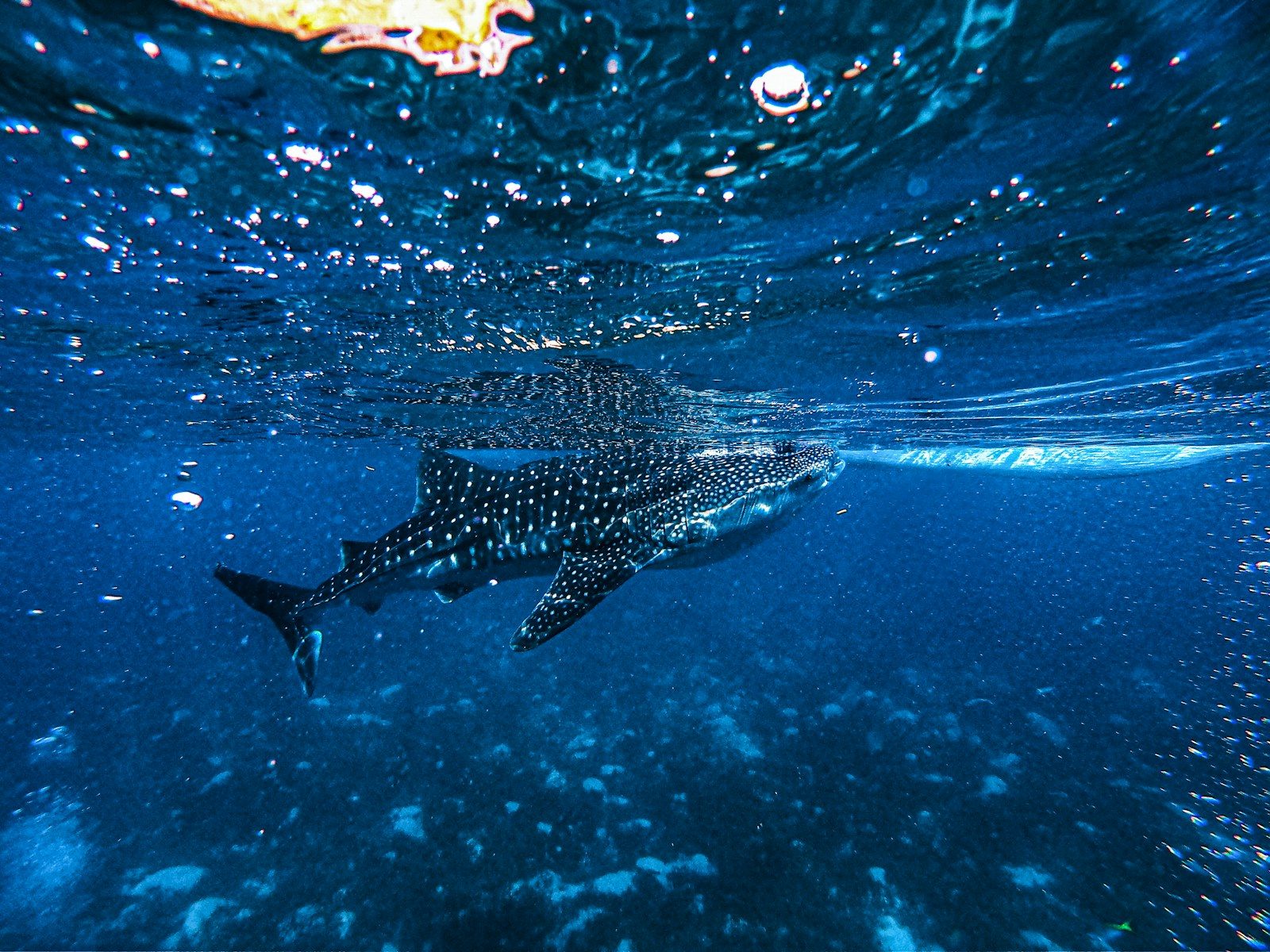
A routine dive in the Maldives turned into an extraordinary wildlife rescue when divers spotted a whale shark struggling with a thick rope wrapped tightly around its body. The enormous fish continued swimming despite the dangerous entanglement, but the rope threatened to cause serious injury over time.
Without hesitation, experienced dive guides entered the water and carefully worked together to remove the rope. The remarkable rescue not only saved one of the world’s largest fish but also highlighted the growing threat posed by discarded fishing gear to marine life.
Divers spotted the whale shark in trouble
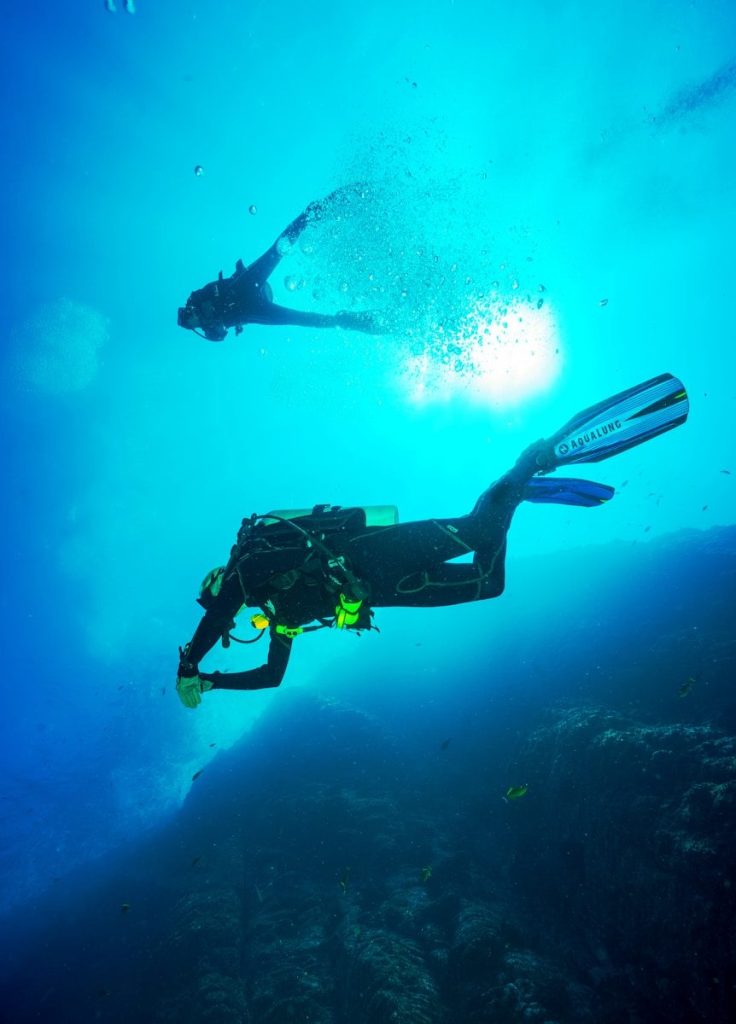
In December 2019, dive guides Simone Musumeci and Antonio Di Franca were leading a group near Fuvahmulah Island in the Maldives when they noticed a whale shark swimming close to their boat. As it approached, they saw a thick rope tightly wrapped around its body between the head and pectoral fins.
The rope had already left visible indentations in the shark’s skin, raising concerns that it could eventually restrict movement or cause severe injuries if left in place.
The rescue required careful teamwork
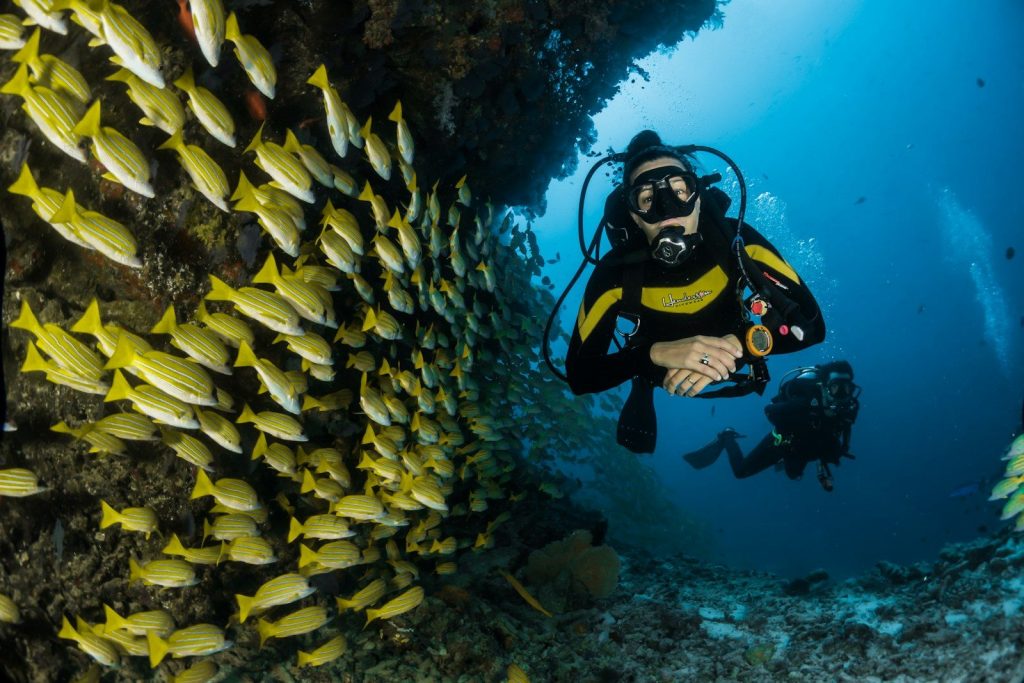
The two divers immediately re-entered the water carrying dive knives. Working beside the moving whale shark, they carefully cut through the thick rope while avoiding injury to the animal.
The rescue lasted about 10 minutes as the whale shark continued swimming, pulling the divers with it to depths of roughly 14 meters before the rope was finally removed.
The whale shark stayed remarkably calm
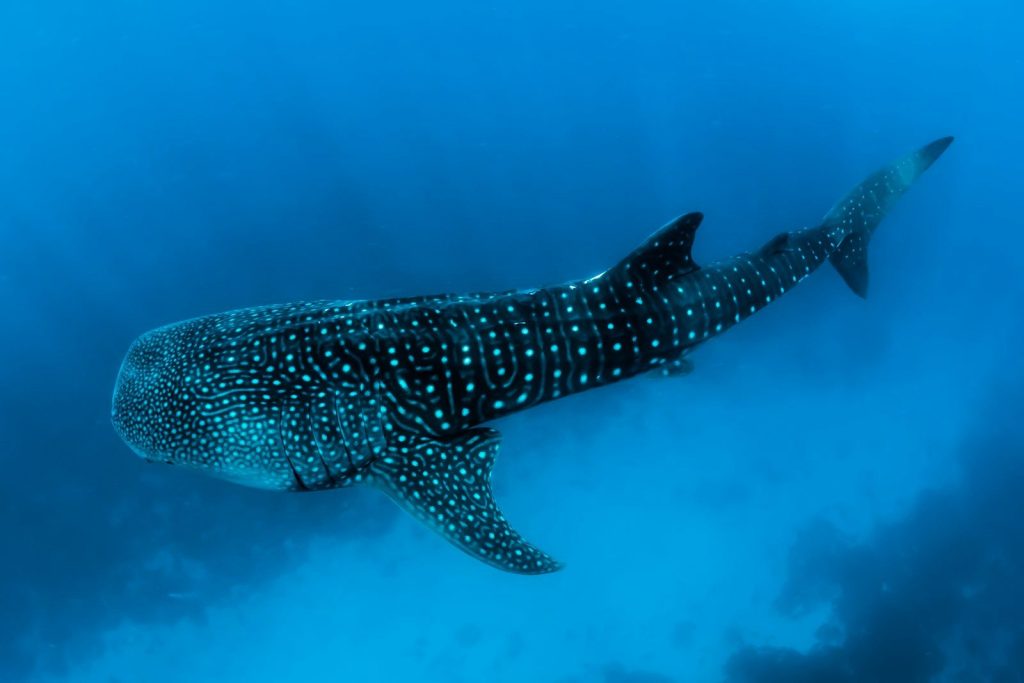
Despite the unusual situation, the whale shark remained calm throughout the rescue. Once the final section of rope was cut away, the giant fish paused briefly before swimming toward deeper water.
One of the divers later recalled that the shark returned for a short moment after being freed, creating what they described as an unforgettable encounter before it disappeared into the blue.
Whale sharks face growing threats
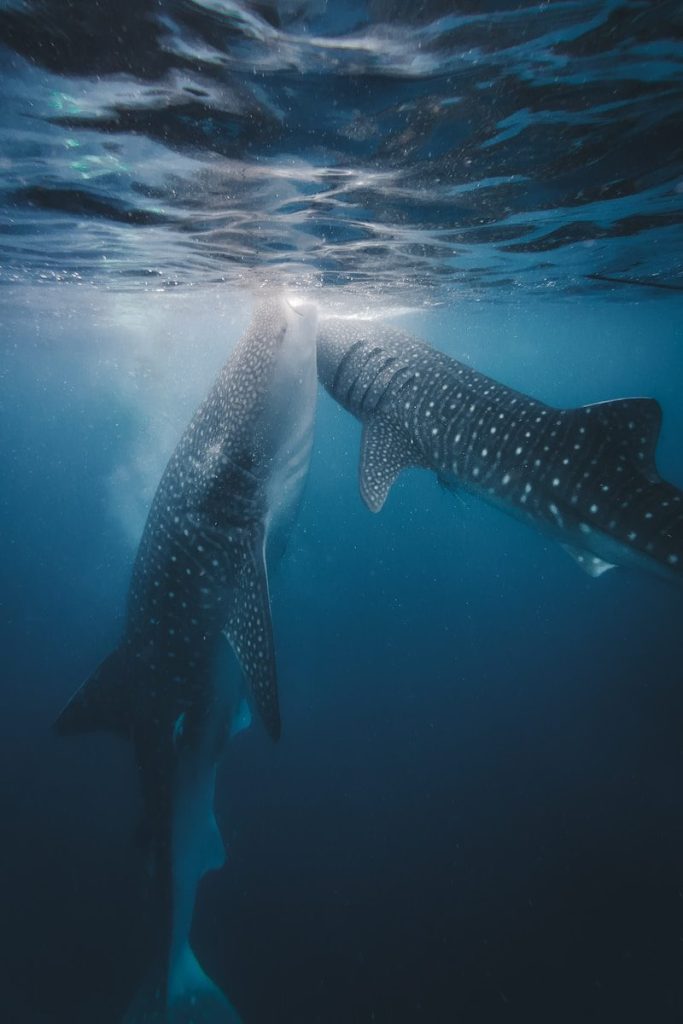
Whale sharks are the largest fish in the world and are gentle filter feeders that consume plankton and small marine animals. They are listed as endangered because of threats including ship strikes, accidental capture, habitat loss, and marine pollution.
Discarded fishing ropes, nets, and other marine debris can entangle whale sharks, making it difficult for them to swim, feed, or breathe normally as they continue to grow.
Marine debris affects countless ocean animals
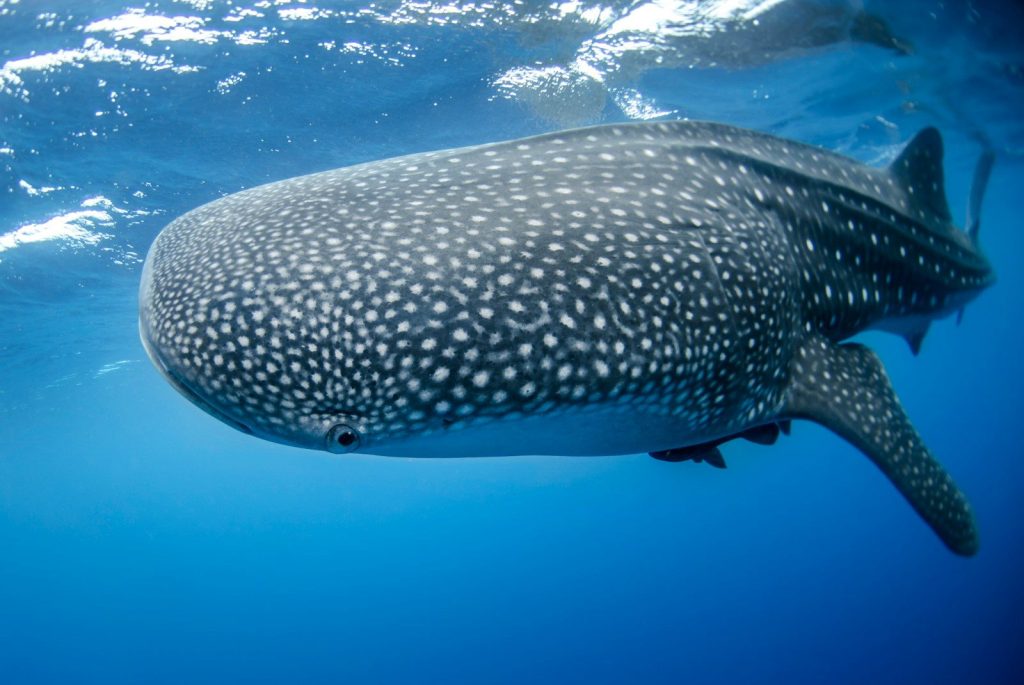
Ghost fishing gear is responsible for injuring or killing thousands of marine animals every year. Sea turtles, whales, dolphins, seals, and sharks can all become trapped in abandoned ropes and nets.
Conservation groups encourage proper disposal and recovery of lost fishing equipment to reduce these preventable injuries and protect vulnerable marine species.
Every successful rescue raises awareness
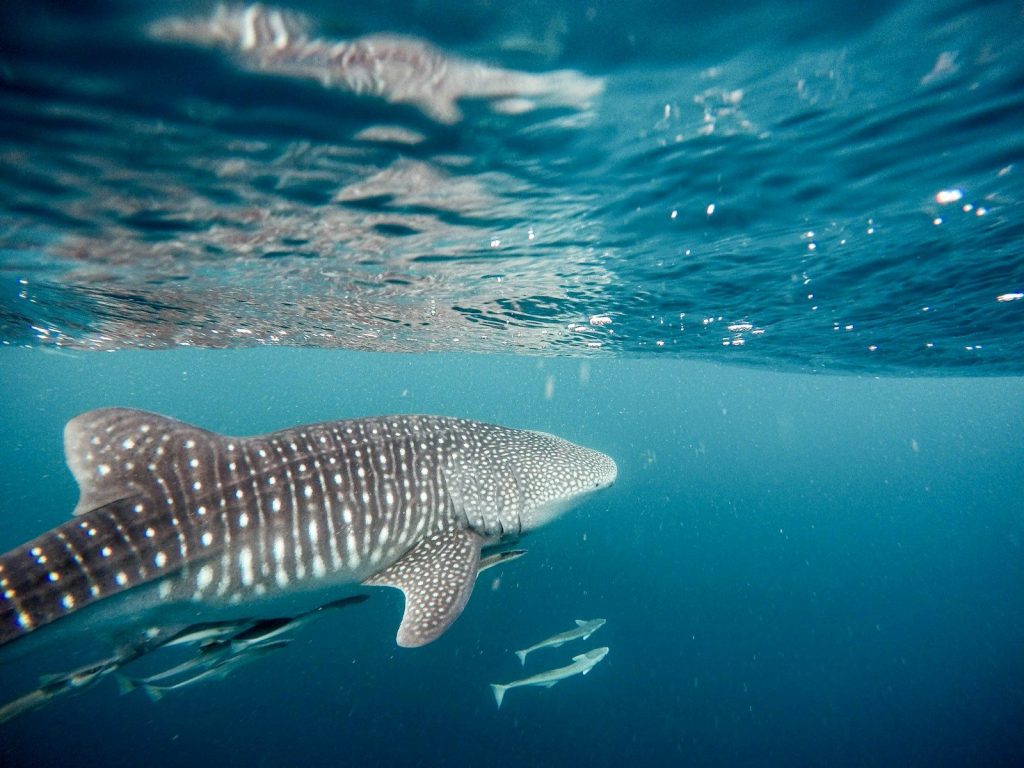
Although rescuing entangled wildlife is not always possible, this successful operation demonstrated how trained professionals can sometimes intervene safely when conditions allow. The video has since inspired many people to learn more about marine conservation.
Scientists hope stories like this will encourage greater efforts to reduce plastic pollution and lost fishing gear, so fewer marine animals are trapped in the future.
Leave a Reply