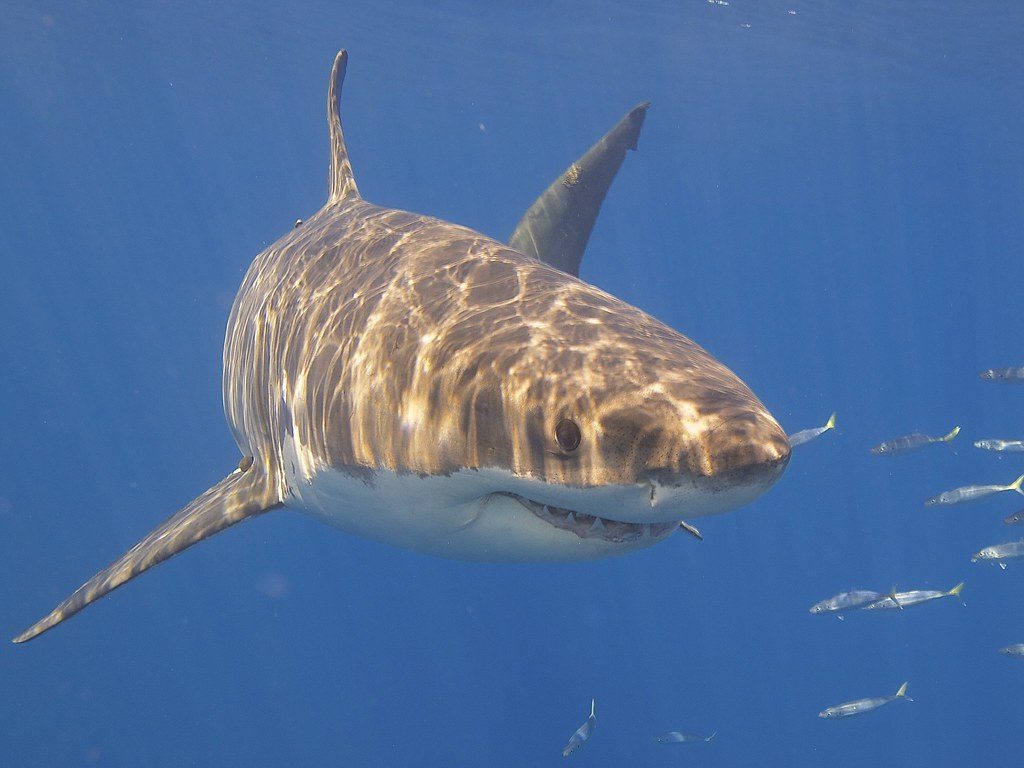
For decades, marine biologists believed dense kelp forests protected seals from great white sharks. The thick underwater plants were thought to be too crowded for these large predators to enter, forcing sharks to wait outside and ambush seals as they emerged into open water. But cameras attached directly to great white sharks have completely changed that view.
The remarkable footage revealed sharks swimming through kelp, maneuvering between the fronds, and even stalking seals within the forest itself. The discovery has transformed scientists’ understanding of one of the ocean’s most important predator-prey relationships.
Scientists watched the hunt from a shark’s perspective
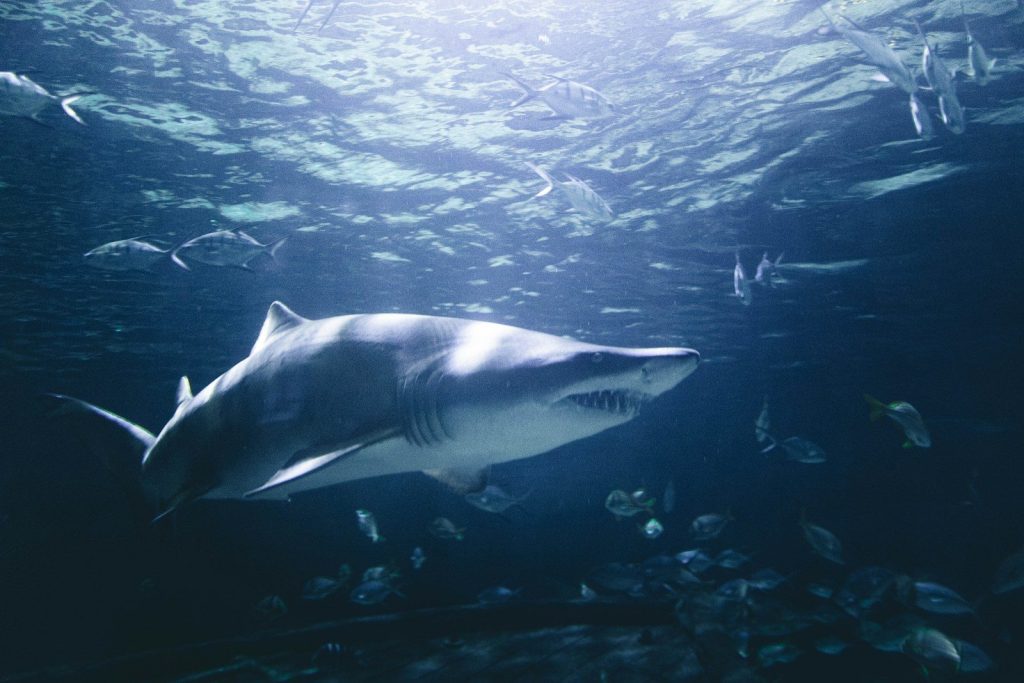
Researchers attached high-definition video cameras and motion sensors to the dorsal fins of great white sharks near South Africa’s Dyer Island. The animal-borne cameras recorded more than 28 hours of footage from the sharks’ own point of view.
The recordings showed white sharks regularly entering kelp forests instead of remaining outside them. This behavior had never been documented so clearly before.
Kelp forests were once considered safe refuges
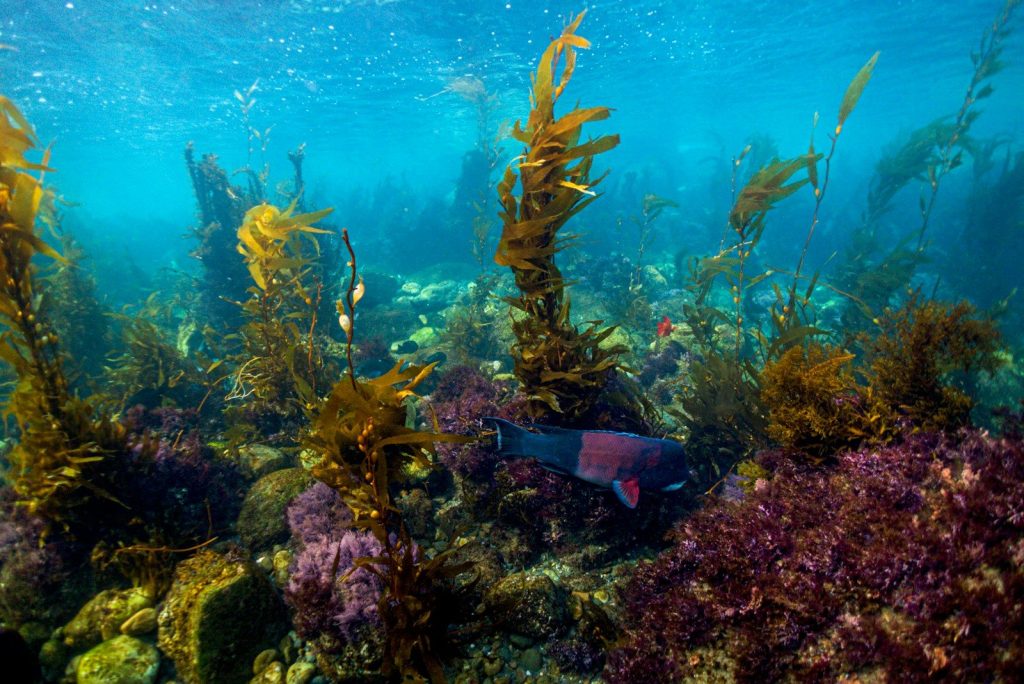
Earlier studies suggested Cape fur seals reduced their risk of attack by staying inside dense kelp. Scientists believed the thick vegetation limited the movement of large sharks and made ambushes difficult.
The new footage demonstrated that this assumption was incomplete. Great white sharks proved capable of weaving through channels in the kelp and even pushing through dense fronds when necessary.
Sharks can navigate through dense kelp
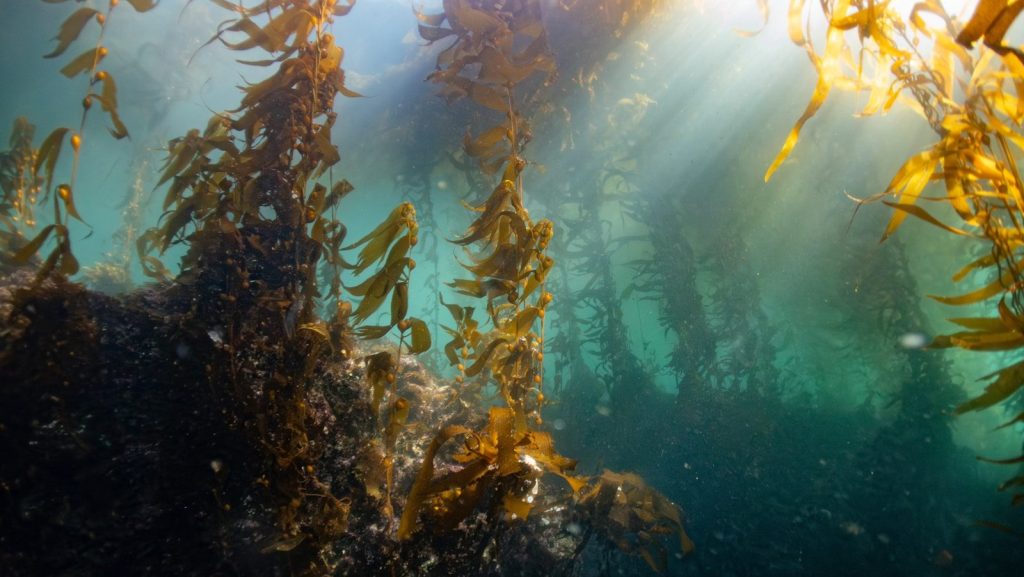
The cameras showed sharks weaving through natural channels, pushing aside kelp fronds, and maneuvering surprisingly well inside the underwater forest. Seven of the eight tagged sharks entered densely covered kelp habitat.
Researchers also recorded encounters between sharks and Cape fur seals within the kelp itself, proving these predators can successfully hunt in places once believed inaccessible.
Moderate kelp may help sharks stay hidden
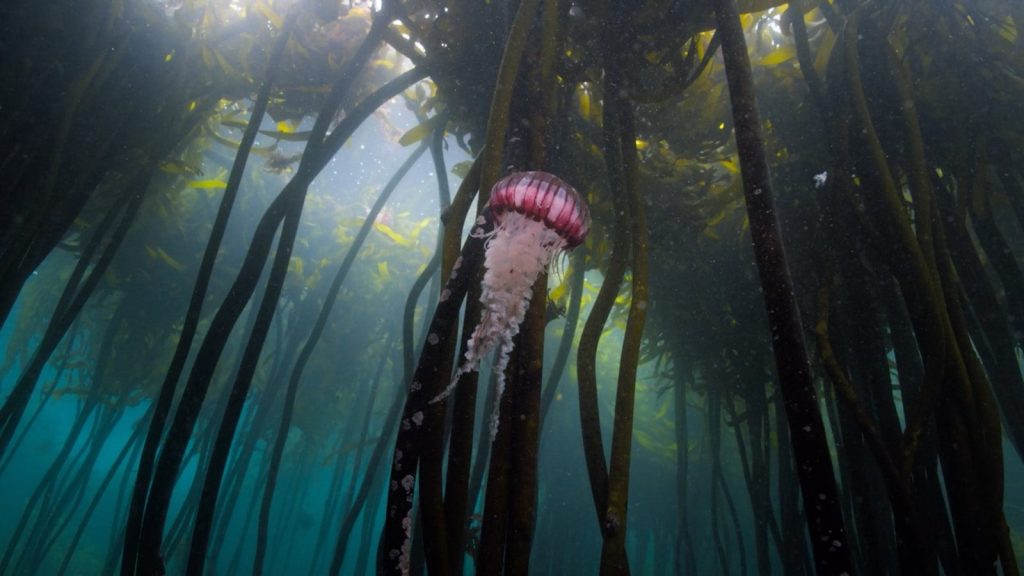
Researchers found that sharks often increased their turning movements and activity while inside kelp forests. Encounters between sharks and Cape fur seals recorded during the study occurred within the kelp habitat itself.
Scientists suggest that patches of moderate kelp may provide enough cover to reduce a shark’s visibility while still allowing it to move efficiently. This could create effective ambush opportunities in some locations.
The footage changed long-held assumptions
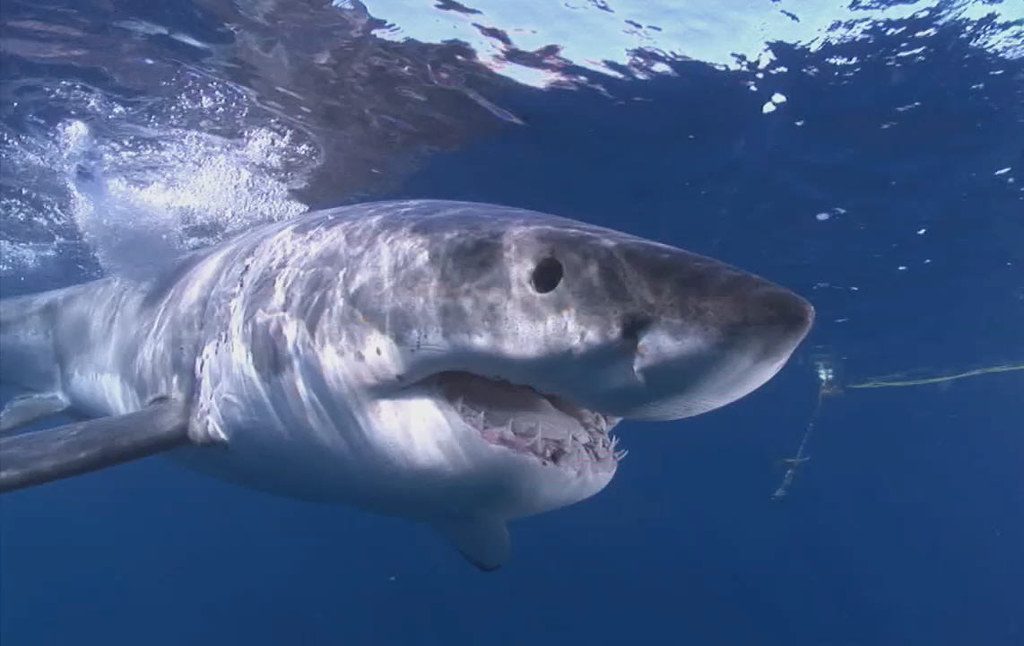
The shark-mounted cameras provided direct evidence that great white sharks use habitats previously believed to be inaccessible. Rather than avoiding kelp, they can exploit it as part of their hunting strategy.
Researchers emphasize that this does not mean every kelp forest is equally dangerous. Hunting success depends on kelp density, water conditions, prey behavior, and local geography.
Technology is revealing hidden shark behavior
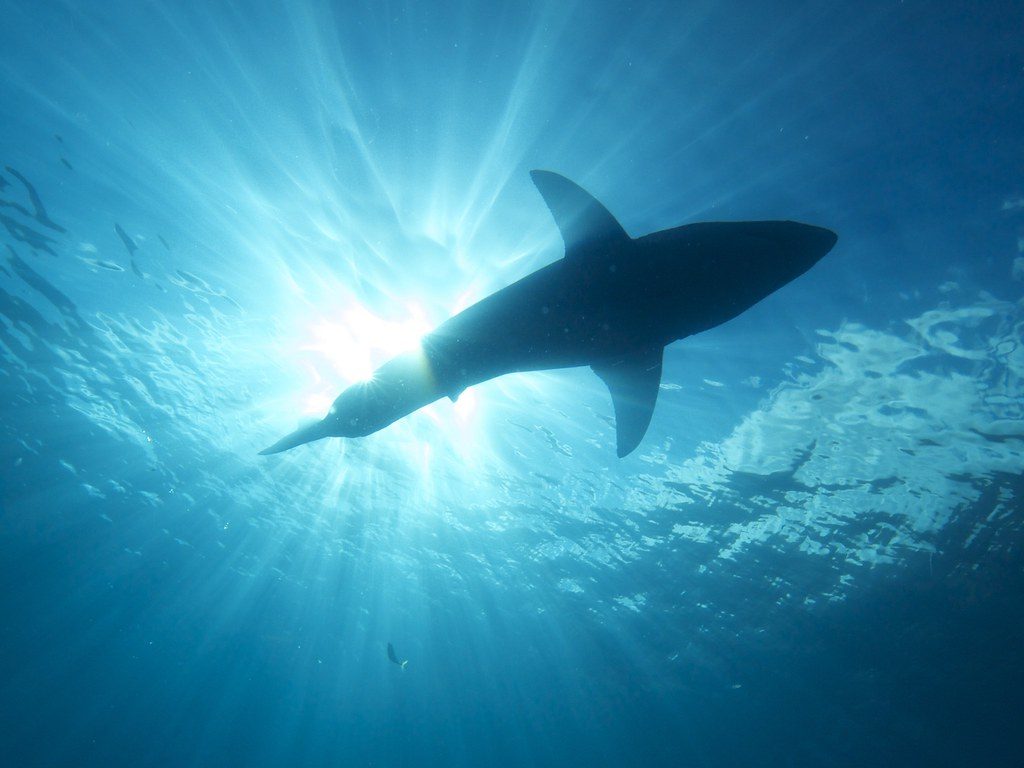
Animal-borne camera systems allow scientists to observe natural behaviors that cannot easily be seen by divers or surface observers. Combined with motion sensors, they provide valuable information about how predators move through complex habitats.
These tools continue to reshape our understanding of great white sharks, replacing assumptions with direct observations from the animals themselves.
Leave a Reply