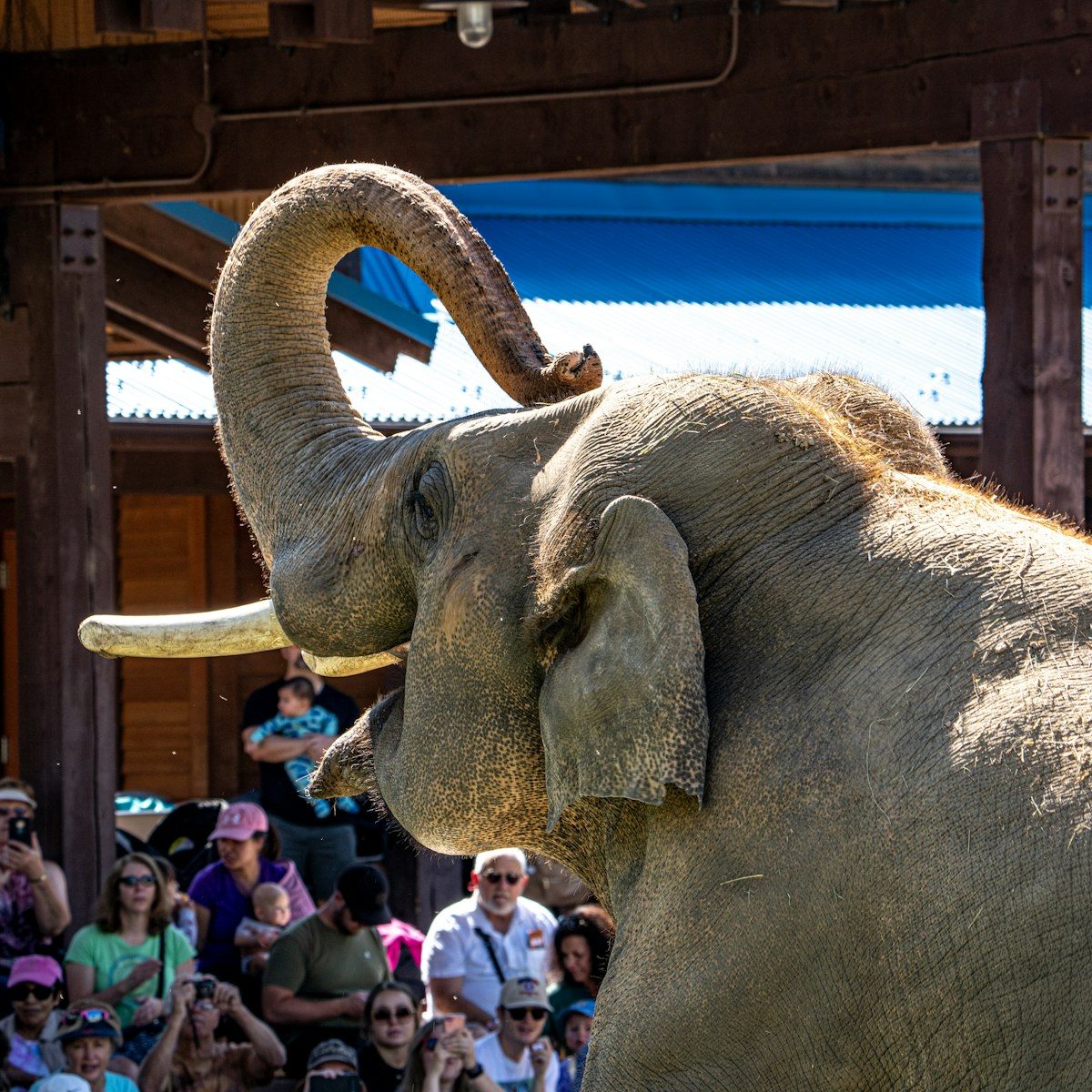
Thousands of spectators were expected to watch an ordinary circus performance in Honolulu on August 20, 1994. Instead, they witnessed one of the most shocking incidents in circus history. An African elephant named Tyke attacked her trainer, escaped the arena, and ran through city streets before police stopped her with gunfire. The tragedy sparked worldwide debate about the welfare of elephants in captivity and changed how many people viewed the use of wild animals in entertainment.
Tyke spent most of her life performing
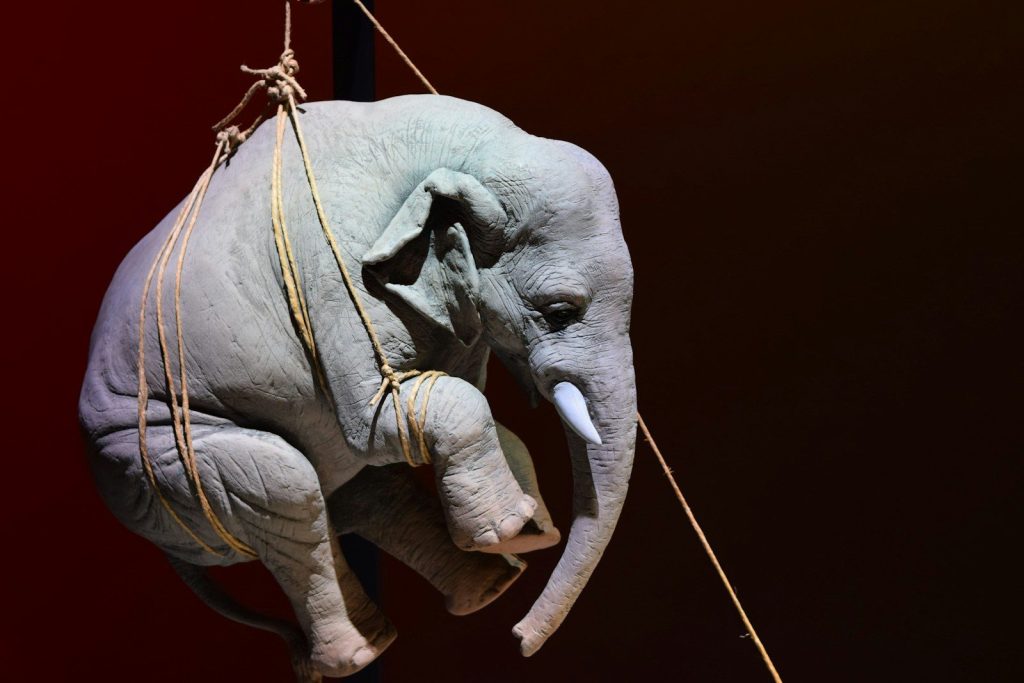
Tyke was a female African elephant born in the early 1970s. She spent much of her life performing in traveling circuses after being taken from the wild at a young age.
Before the Honolulu incident, Tyke had already been involved in several escape or aggressive incidents during circus performances. These earlier events raised concerns about her suitability for performing.
The performance turned into chaos
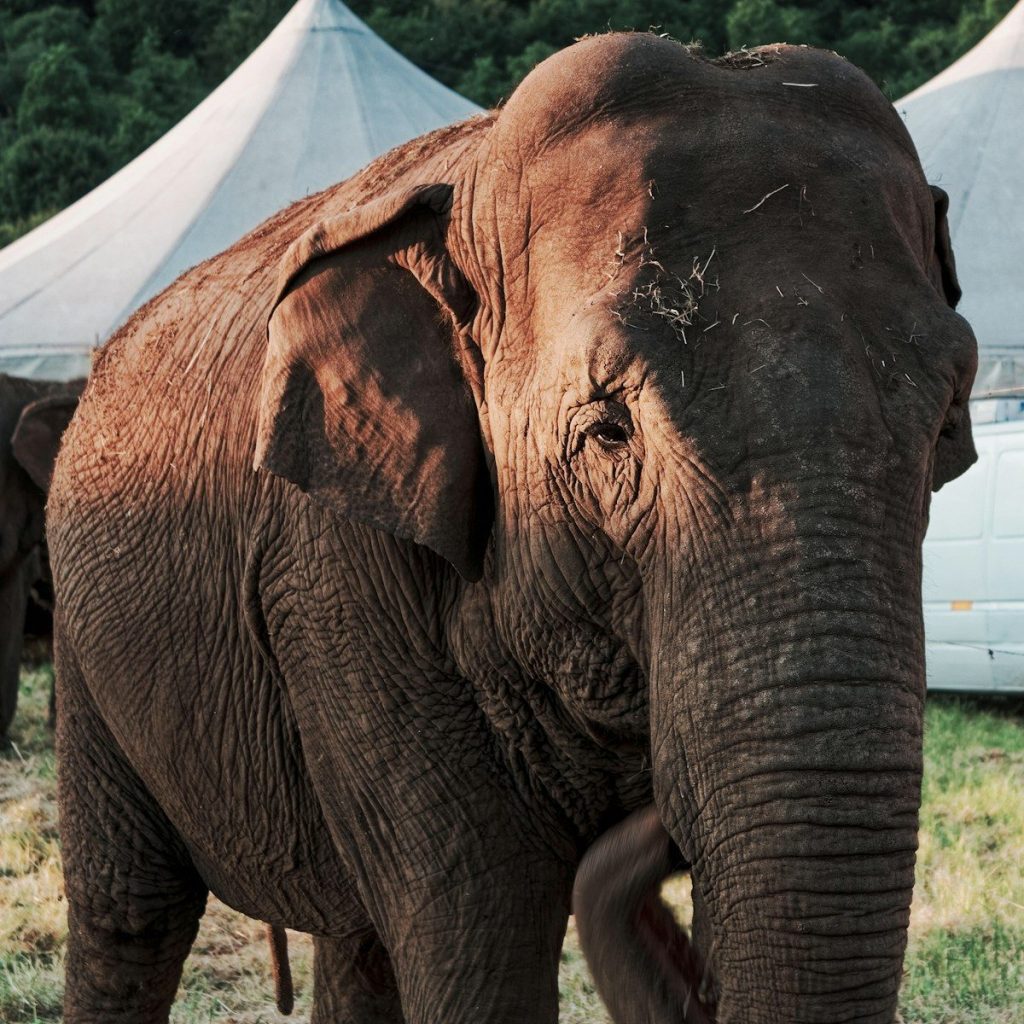
During a Circus International performance at the Neal S. Blaisdell Center, Tyke attacked her trainer, Allen Campbell, who later died from his injuries. She also seriously injured her groomer before breaking free from the arena.
The elephant then ran through the streets of Honolulu for more than 30 minutes, damaging property and frightening people as police attempted to stop her.
Police ended the chase
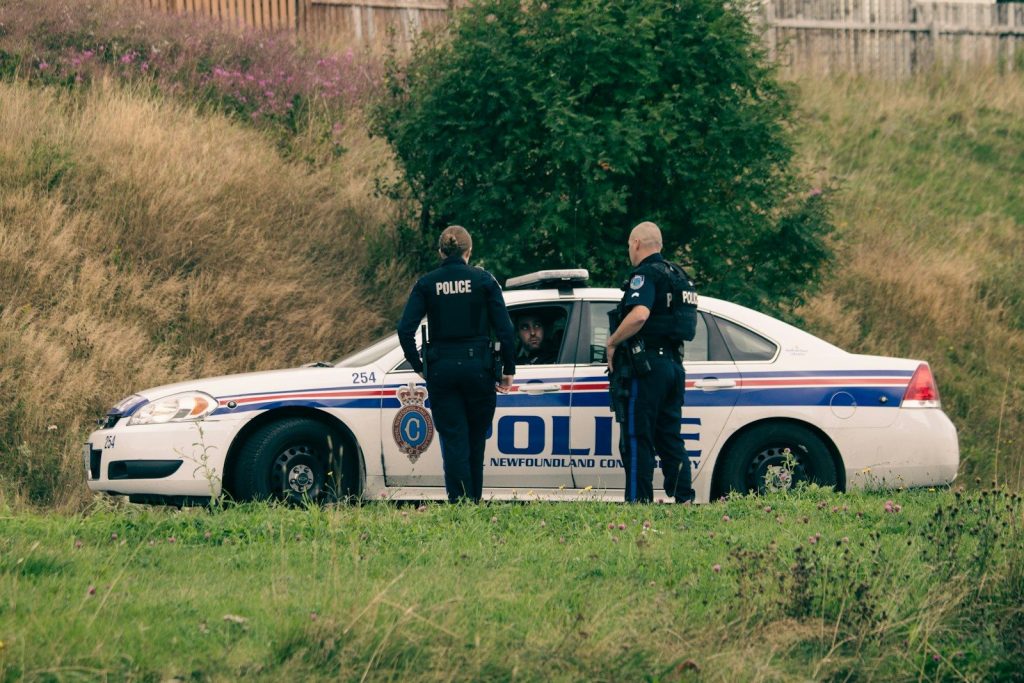
Unable to safely contain the elephant, police officers opened fire after the lengthy pursuit. Reports state Tyke was struck by 86 shots before collapsing from her injuries.
The incident was recorded by spectators and news cameras, making it one of the most widely seen wildlife-related tragedies involving a circus animal.
The tragedy changed public opinion
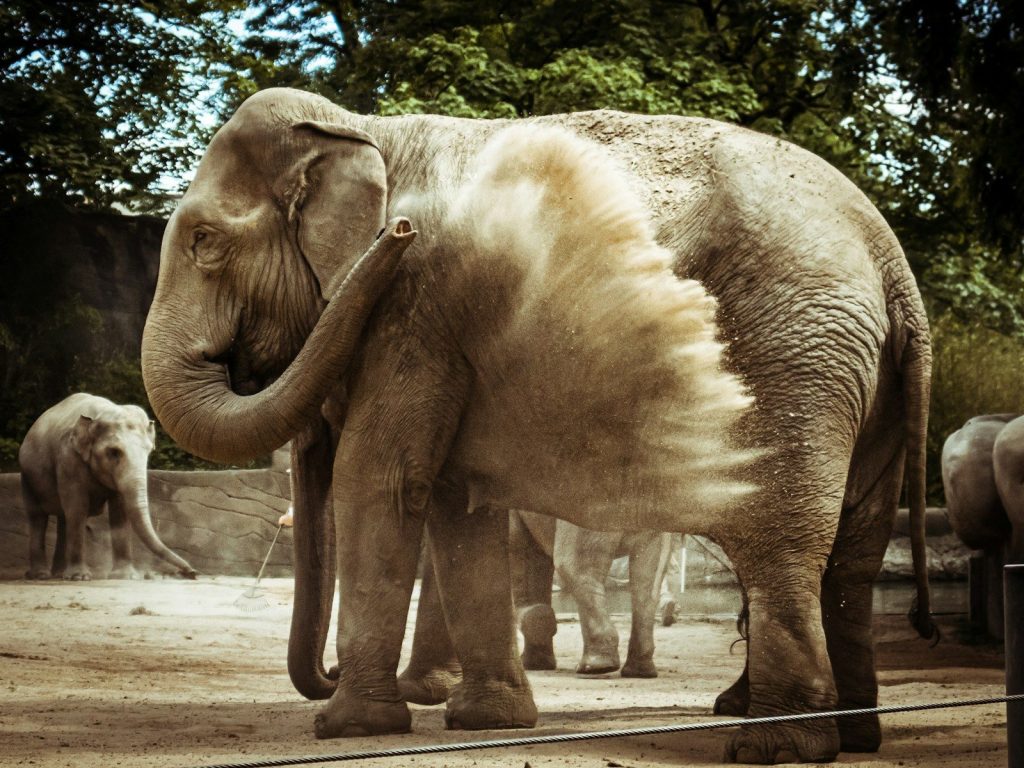
Tyke’s death became a powerful symbol in discussions about keeping elephants in circuses. Animal welfare organizations argued that the incident highlighted the challenges of maintaining large, intelligent wild animals in traveling entertainment.
The event also inspired lawsuits, public campaigns, and later legislative proposals concerning the use of elephants in circuses.
Scientists continue studying elephant welfare
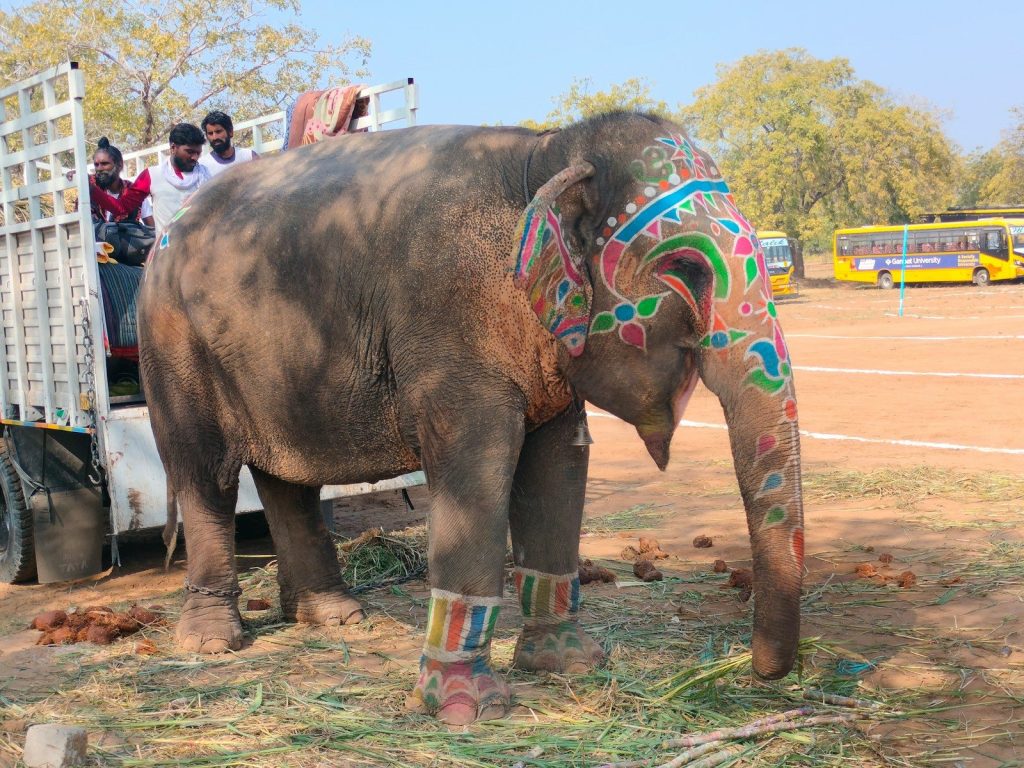
Modern research shows elephants are highly intelligent, social animals that naturally travel long distances, form complex family groups, and display advanced problem-solving abilities. Many experts believe these needs can be difficult to meet in traditional traveling circuses.
Today, many countries and regions have introduced restrictions or bans on the use of wild animals in circus performances, although regulations differ around the world.
Tyke’s legacy continues today
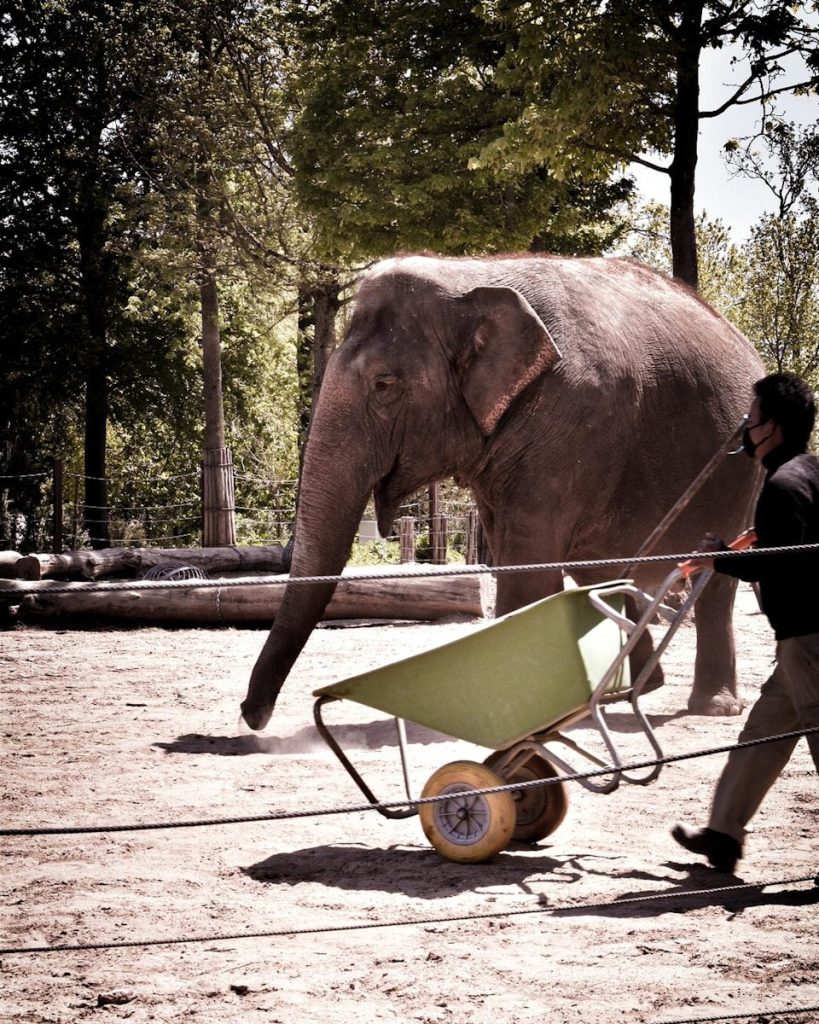
More than three decades later, Tyke’s story is still discussed in documentaries, museums, and animal welfare debates. It remains one of the best-known examples of the complex relationship between humans and captive wild animals.
Although opinions differ about the causes of the tragedy, Tyke’s final day continues to influence conversations about animal welfare, public safety, and the future of wildlife in entertainment.
Leave a Reply