A team of scientists has uncovered one of the most extraordinary ecosystems ever found on Earth. Using the crewed submersible Fendouzhe, researchers descended more than 31,000 feet into the Pacific Ocean’s hadal zone, where sunlight never reaches.
Instead of finding a lifeless seafloor, they discovered thriving communities of animals and microorganisms supported entirely by chemical energy. The expedition revealed thousands of previously unknown microbes and the deepest chemosynthesis-based ecosystem ever documented, reshaping scientists’ understanding of where life can survive.
Scientists explored one of Earth’s deepest places
Researchers used the human-occupied submersible Fendouzhe to investigate the Kuril-Kamchatka and western Aleutian trenches in the northwest Pacific. During the expedition, 17 scientists completed dives reaching depths of up to 9,533 meters (about 31,276 feet).
The hadal zone is one of the least explored environments on Earth. Extreme pressure, near-freezing temperatures, and complete darkness make it one of the planet’s harshest habitats.
Life survives without sunlight
Unlike most ecosystems on Earth, these deep-sea communities do not depend on photosynthesis. Instead, microorganisms obtain energy through chemosynthesis by using chemicals such as hydrogen sulfide and methane that seep from seafloor faults.
These microbes form the foundation of an ecosystem that supports tube worms, clams, and other marine animals despite the complete absence of sunlight.
Thousands of new microorganisms were identified
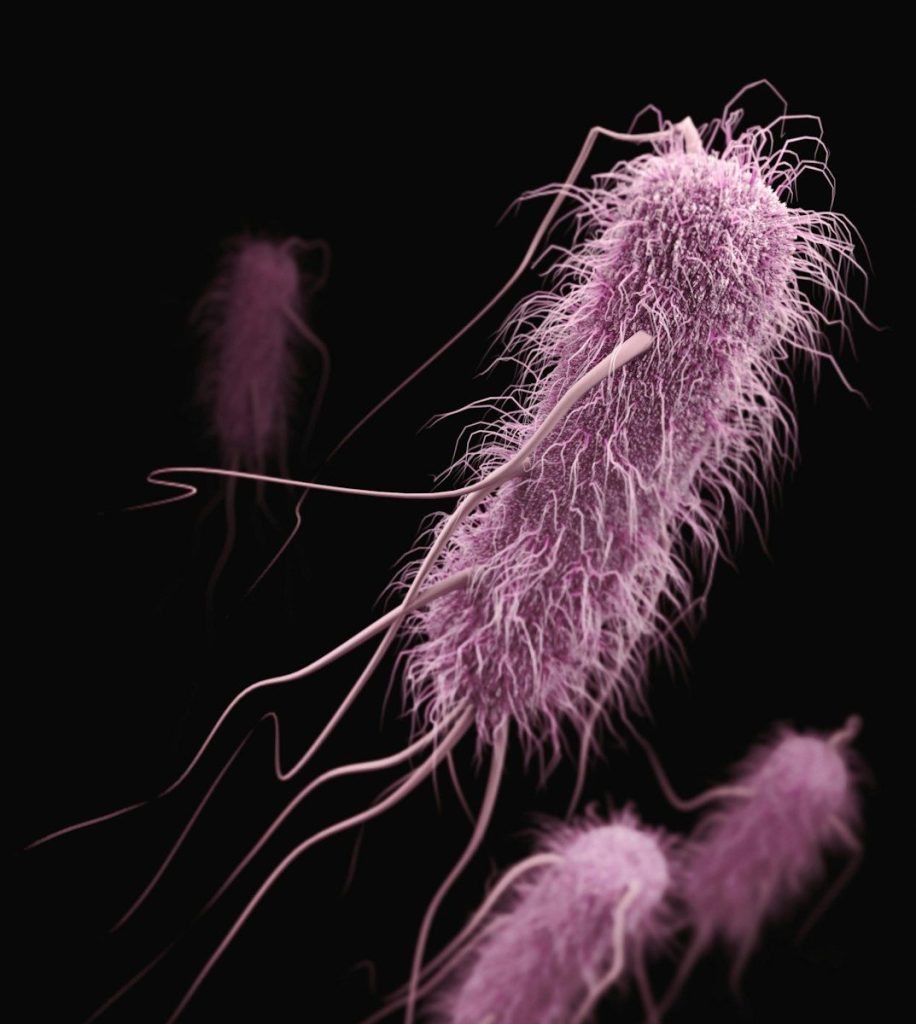
Scientists identified 7,564 species of prokaryotic microorganisms during the expedition. More than 89% of these microbes appear to be previously unknown to science, highlighting how little is known about the deepest parts of the ocean.
Researchers believe these newly discovered microbes may contain unique genes, biological structures, and metabolic processes with potential applications in biotechnology, medicine, and energy research.
The ecosystem stretches for miles
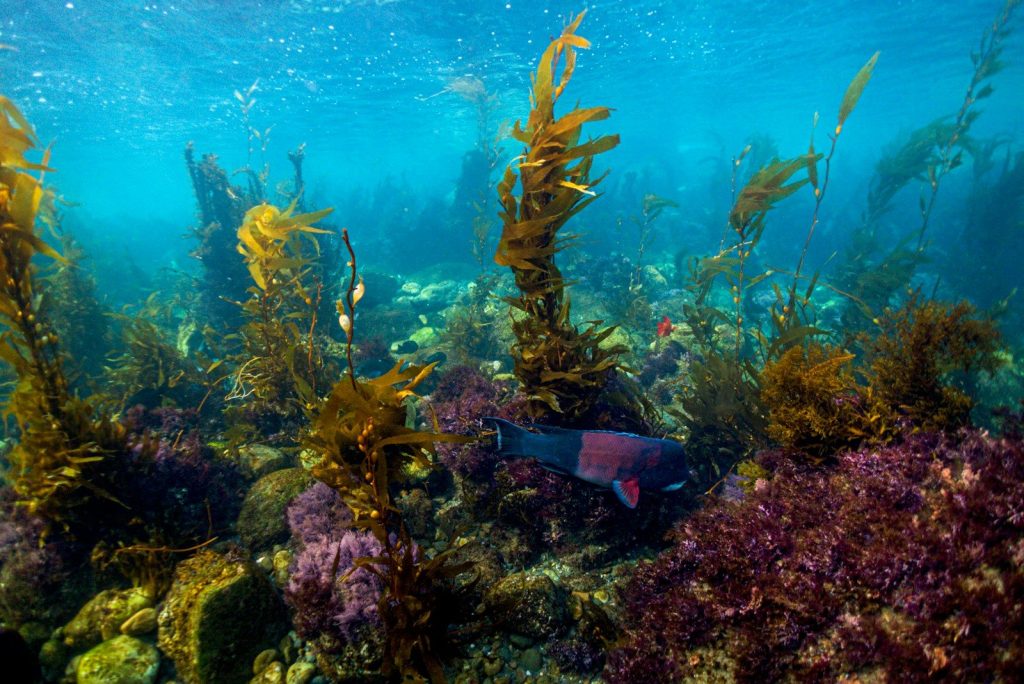
Rather than finding isolated pockets of life, scientists documented extensive chemosynthetic communities spread across a large section of the trench system. They described the ecosystem as a thriving oasis within the otherwise barren deep ocean.
The discovery suggests that similar ecosystems may exist in other hadal trenches worldwide, where geological conditions are comparable.
The discovery changes what scientists believed
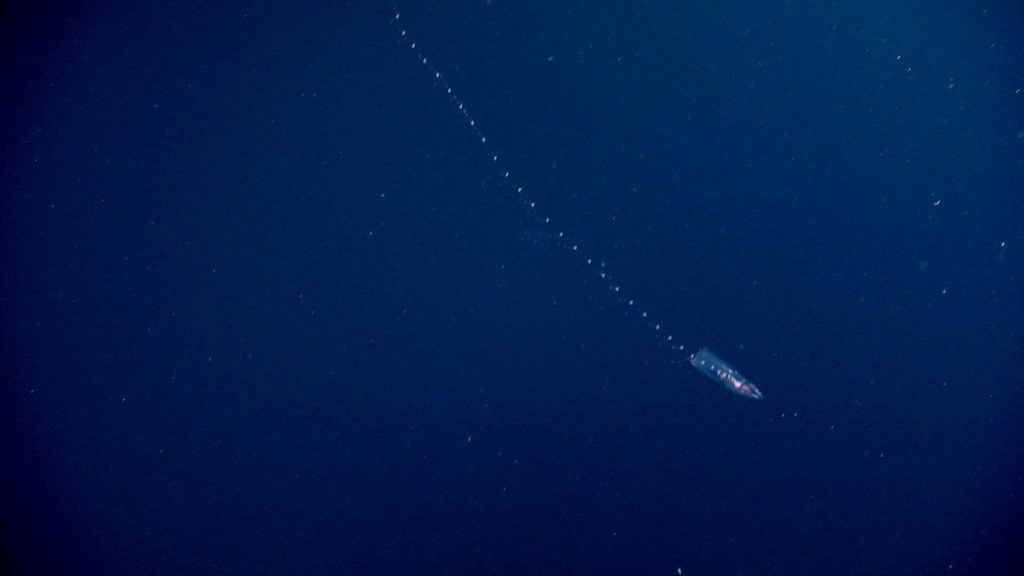
For many years, researchers suspected deep trenches could support chemosynthetic life, but direct evidence was limited. This expedition provided the strongest confirmation yet that complex ecosystems can flourish at the greatest ocean depths.
The findings also improve scientists’ understanding of Earth’s carbon cycle and may help guide the search for life on ocean worlds such as Jupiter’s moon Europa and Saturn’s moon Enceladus.
Earth’s deepest oceans still hold countless mysteries
Only a tiny fraction of the deep seafloor has been explored, meaning many unknown species and ecosystems almost certainly remain undiscovered. Each expedition reveals that Earth’s deepest oceans are far more biologically diverse than previously believed.
Scientists expect future dives to uncover even more remarkable organisms and expand our understanding of how life adapts to some of the most extreme environments on the planet.
Leave a Reply