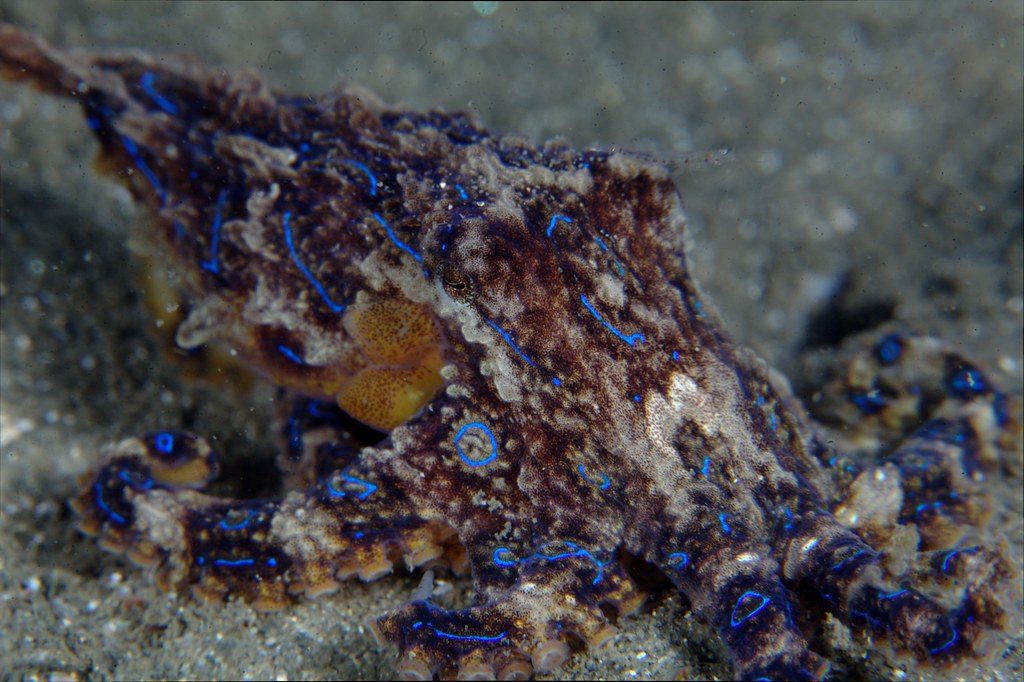
Octopuses are famous for their big eyes, soft bodies, and clever tricks. They often look curious and even friendly, but many people do not know they also have venom. If you have ever wondered whether an octopus can be dangerous, the answer might surprise you.
The truth is that all octopuses are venomous, although almost all species use their venom only to catch food and are not considered dangerous to people. Only the tiny blue-ringed octopus has venom that can be life-threatening to humans. This article explains how octopus venom works, why these animals need it, and how people can stay safe while respecting these amazing sea creatures.
Every octopus has venom
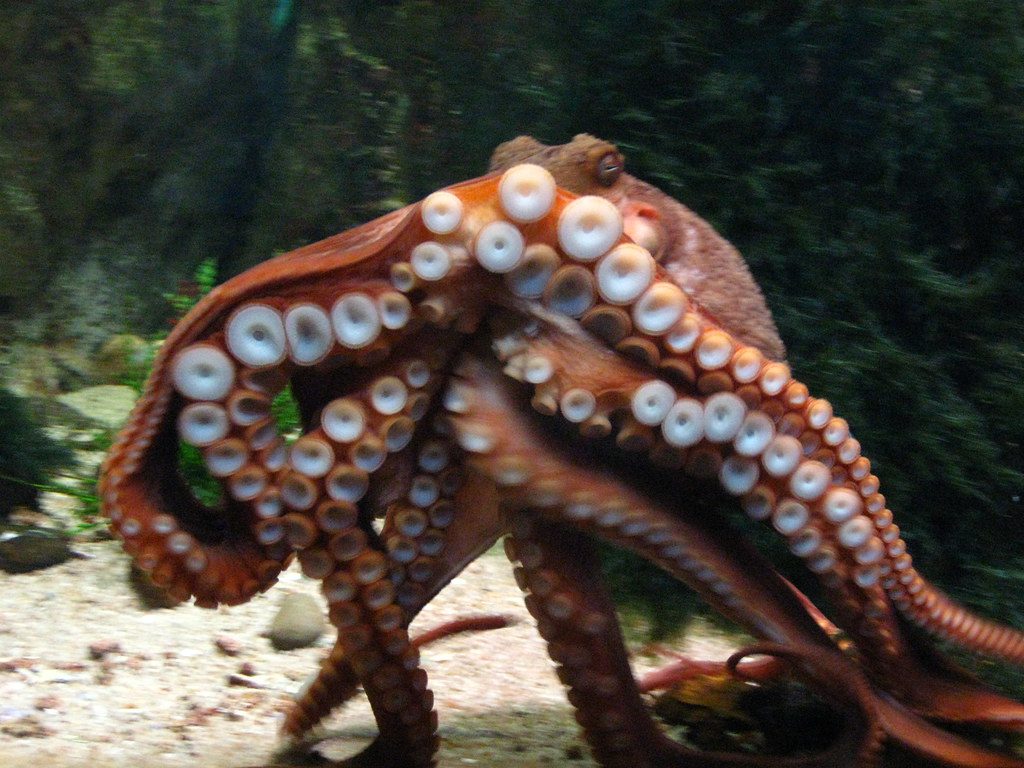
Every known octopus species produces venom in its salivary glands. The venom enters prey through a bite from the octopus’s hard beak, which is hidden underneath its arms. Scientists believe this venom helps octopuses catch and eat animals like crabs, shrimp, and clams.
For most species, the venom is made to stop small prey, not people. A bite from many common octopuses may cause pain or swelling, but serious injuries are uncommon. That is why experts say octopuses should never be handled, even if they seem calm.
Why do octopuses use venom
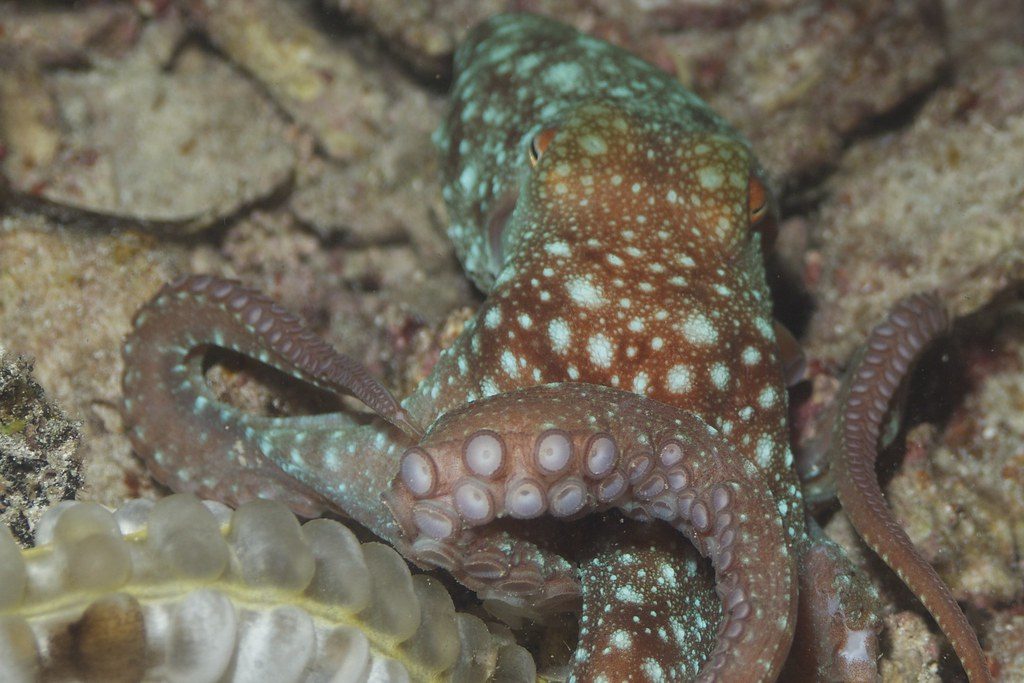
An octopus does not have sharp teeth or a strong shell for protection. Instead, it depends on smart hunting skills, camouflage, and venom to survive in the ocean. Venom quickly weakens prey so the octopus can eat without a long struggle.
Some octopuses also use venom to help open shellfish. After biting a clam or crab, the venom helps stop movement, making the meal much easier to eat. This gives the octopus a better chance of catching food while using less energy.
The tiny blue-ringed octopus is different
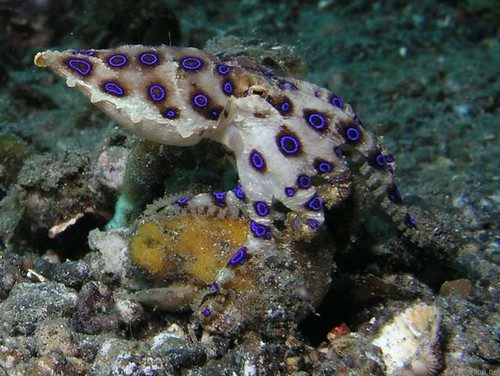
The blue-ringed octopus is only about the size of a golf ball, but it is the only octopus known to be highly dangerous to humans. When it feels threatened, bright blue rings appear across its body as a warning to stay away.
Its venom contains a powerful neurotoxin called tetrodotoxin, which can cause paralysis by blocking nerve signals. Although bites are very rare because these animals are shy, a bite is a medical emergency that needs immediate professional care.
Most octopuses avoid people
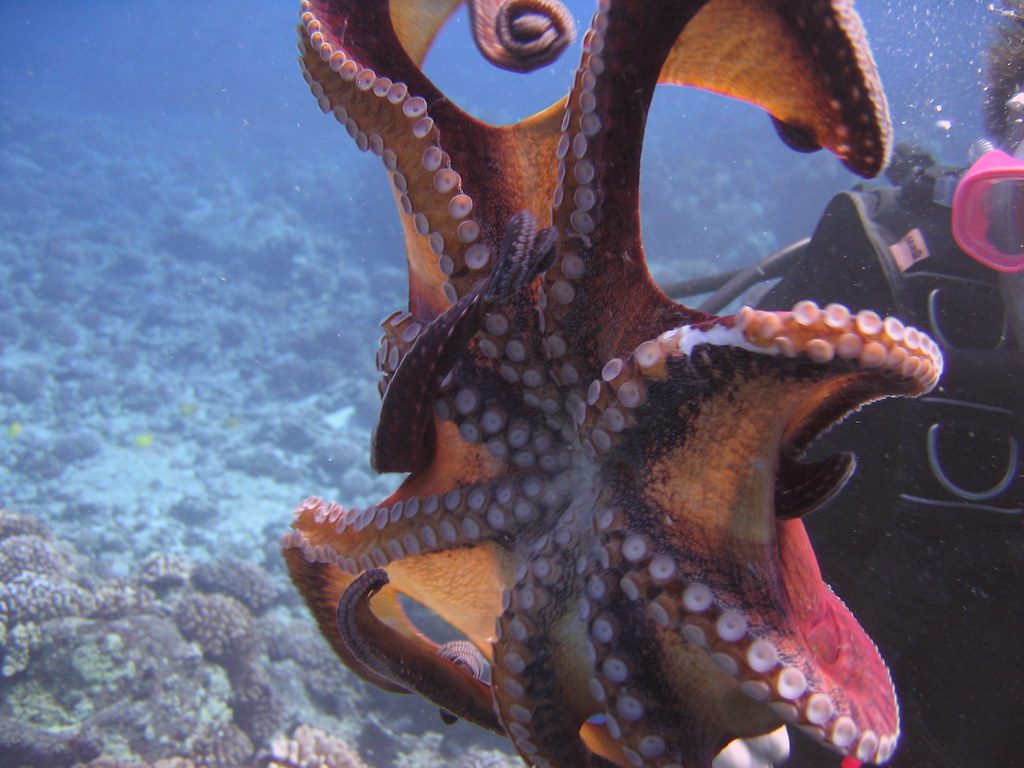
Octopuses do not hunt humans. They usually hide inside rocks, coral, or small underwater spaces and try to escape instead of fighting. Most bites happen only when an octopus is picked up, trapped, or feels threatened.
This shy behavior is one reason divers often watch octopuses safely from a distance. Giving them space helps protect both the animal and the person enjoying the underwater view.
Smart animals with strong defenses
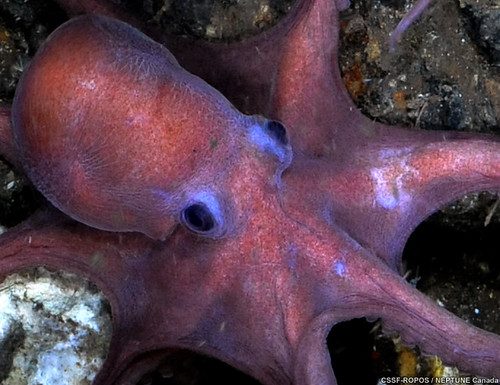
Besides venom, octopuses have several other ways to stay alive. They can quickly change color and skin texture to blend into rocks, coral, or sand. Many species also release a cloud of ink to confuse predators while they swim away.
Their intelligence also helps them survive. Octopuses can solve simple problems, open containers, and remember places where they have found food before. These skills make them some of the smartest animals living in the ocean.
How to stay safe around octopuses
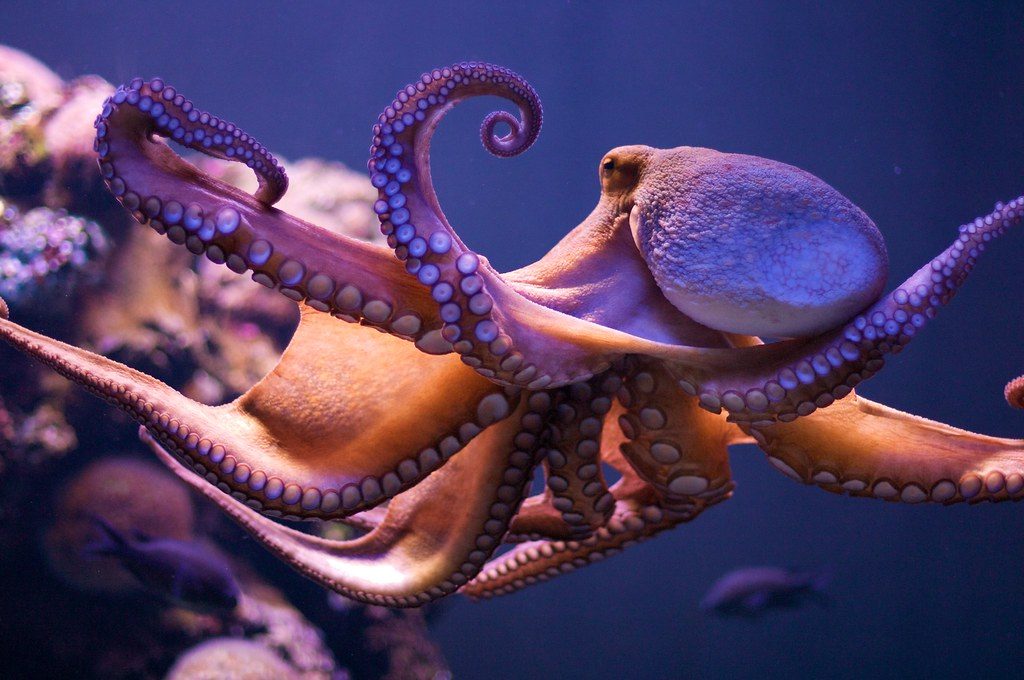
The safest way to enjoy an octopus is to admire it without touching it. Whether you are snorkeling, diving, or exploring tide pools, keeping your hands away reduces the chance of stressing the animal or getting bitten.
If you ever see a small octopus showing bright blue rings, move away slowly and do not try to pick it up. Respecting wildlife from a safe distance protects both people and these remarkable ocean animals.
Featured Image: “Blue Ring Octopus” by PacificKlaus is licensed under CC BY-NC 2.0
Leave a Reply