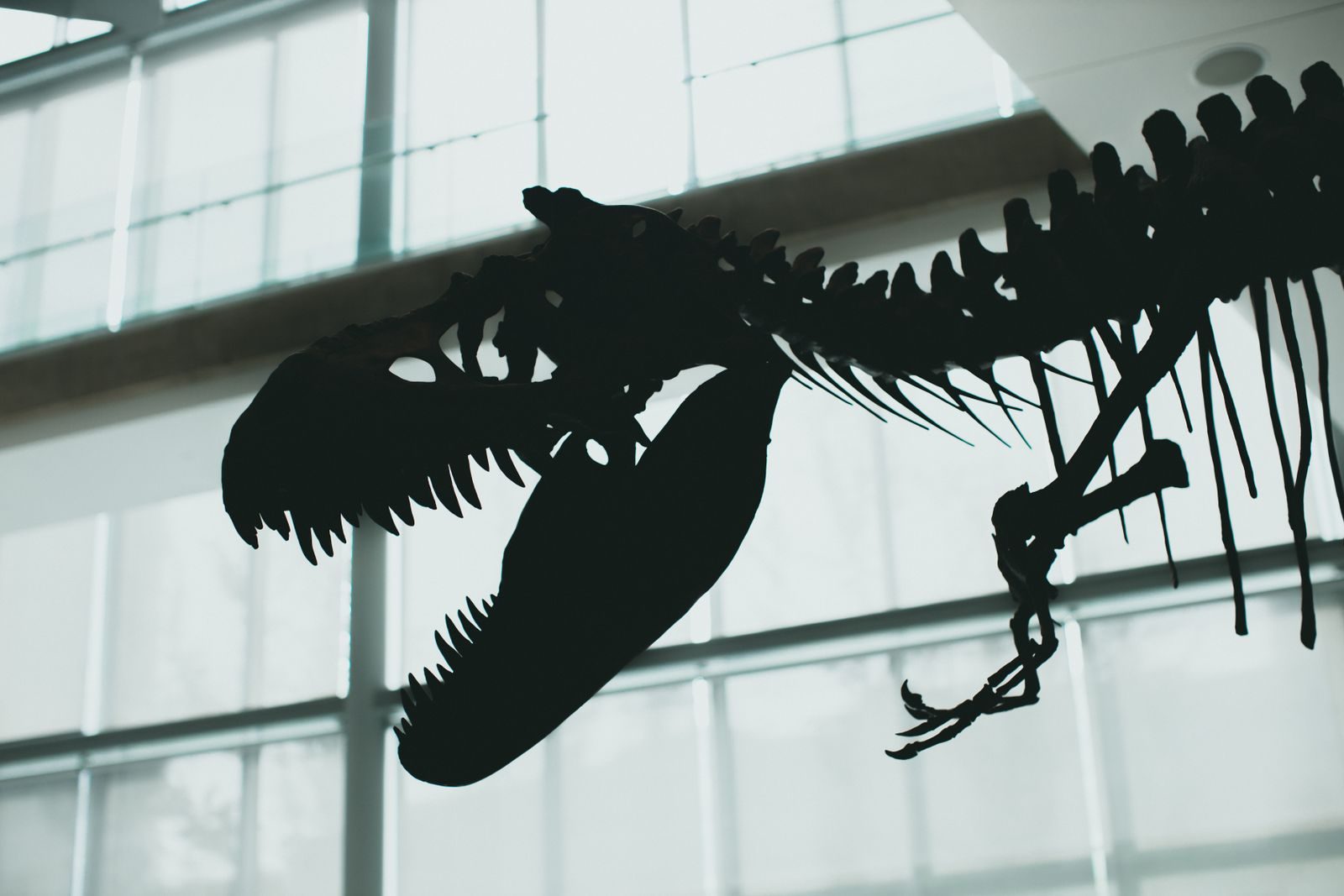
Have you ever wondered why Tyrannosaurus rex’s short arms looked so tiny compared to the rest of its giant body? For years, this question has puzzled scientists and dinosaur fans alike. Even though T. rex is one of the most studied dinosaurs, experts still debate exactly why its arms became so small.
In this article, you’ll learn what fossils reveal, what scientists agree on, and which ideas are still being tested. By the end, you’ll have a clear picture of one of paleontology’s biggest mysteries.
T. rex had small arms but strong muscles
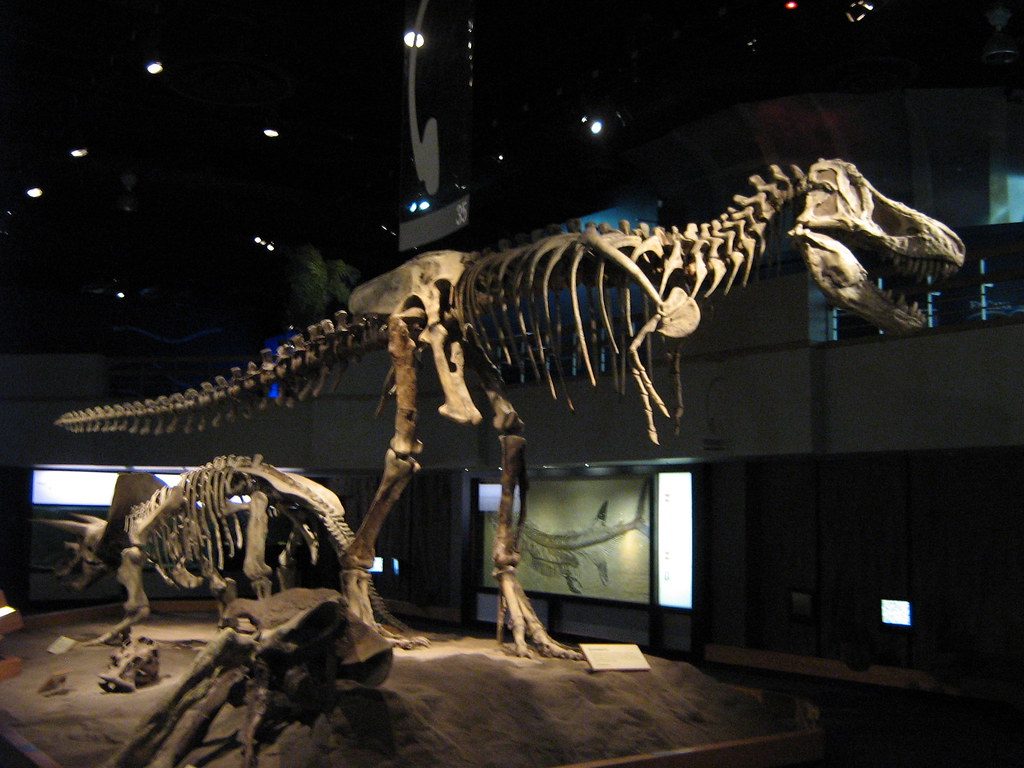
A full-grown T. rex measured about 40 feet long, yet each arm was only about 3 feet long. Even though the arms looked tiny, they were not weak. Fossil bones show they were thick and built with large muscle attachments, meaning they could produce a surprising amount of force.
Each arm had only two clawed fingers instead of three like many earlier meat-eating dinosaurs. The elbows could bend, but the shoulders had a limited range of motion. This means the arms could not reach the dinosaur’s mouth or stretch very far in front of its body.
The giant head became the main hunting tool
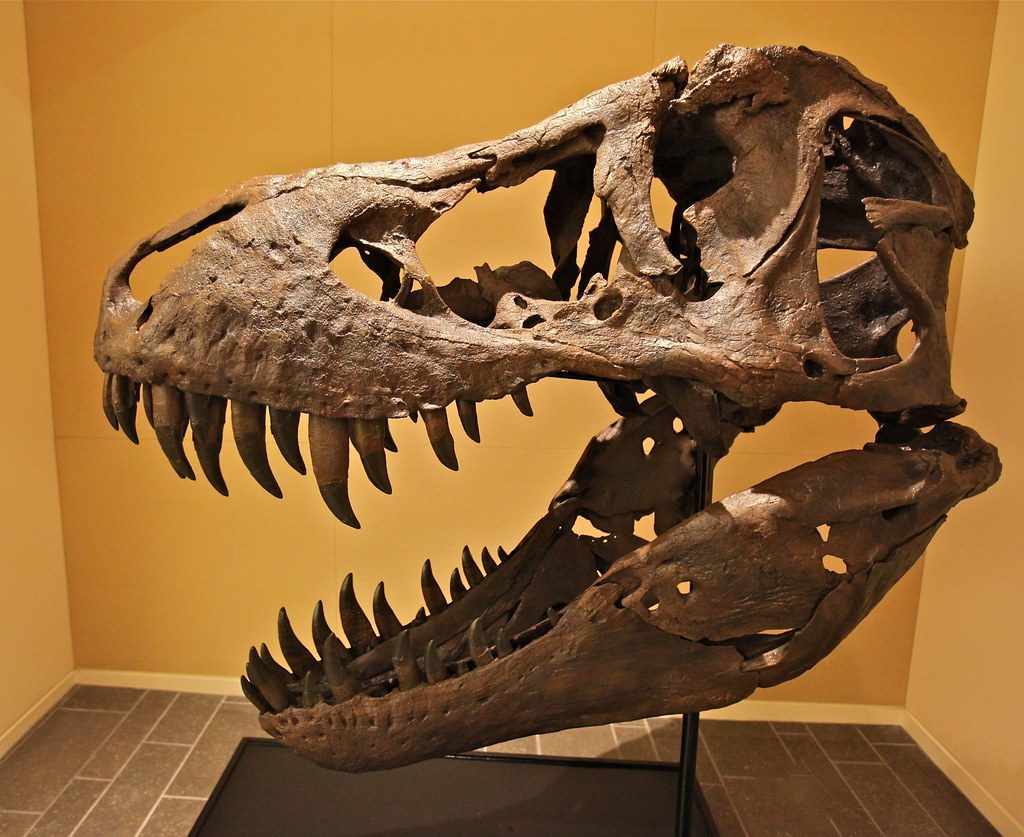
Most scientists agree that T. rex relied mainly on its huge skull, powerful neck, and crushing bite to hunt. As tyrannosaurs evolved larger heads, their jaws became the main weapon for catching and killing prey, making large grasping arms less important.
Recent research comparing many meat-eating dinosaur species found a clear pattern. Animals with larger, stronger skulls often had smaller forelimbs, suggesting evolution shifted resources toward improving the head rather than the arms. This explains why several unrelated dinosaur groups evolved the same body shape.
Scientists still debate what the arms were used for

Although researchers agree the arms were not the main hunting tools, no single explanation has been proven. Some scientists think the arms helped hold a mate during breeding. Others suggest they may have helped the dinosaur push itself up from the ground or grip prey at very close range.
Another idea is that shorter arms reduced the chance of serious injuries while several T. rex individuals fed on the same animal. This proposal has received attention, but many paleontologists say more fossil evidence is needed before it can be accepted as the main reason.
Evolution does not always remove unused body parts
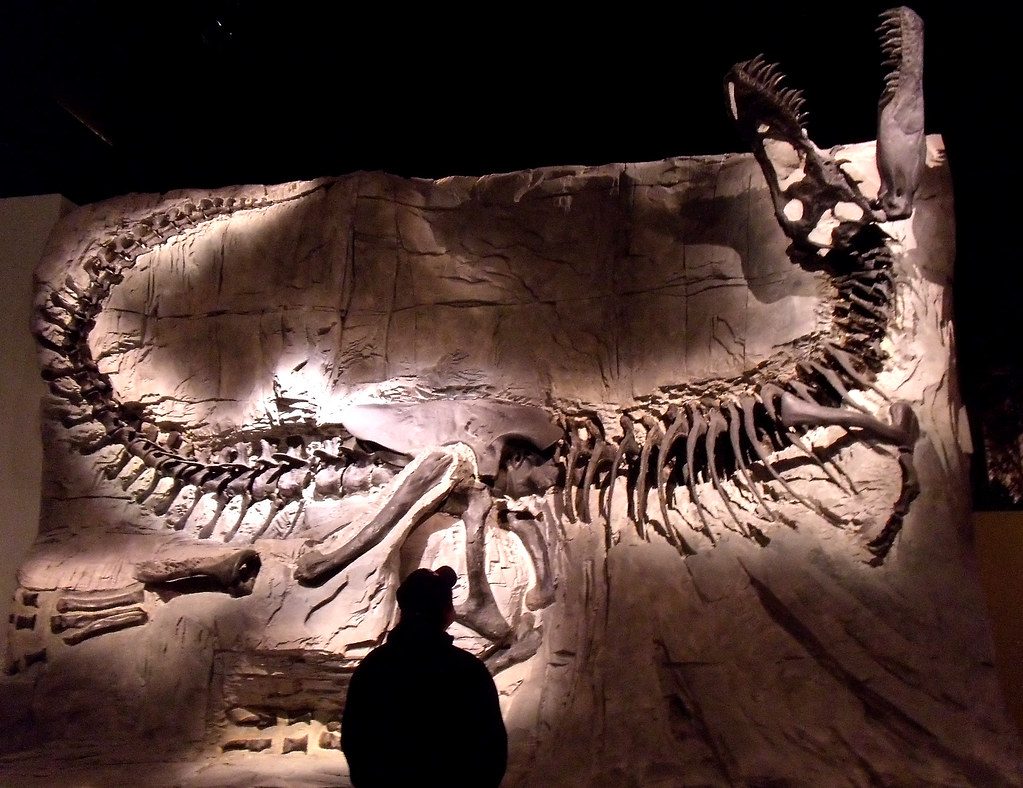
Some people think T. rex kept tiny arms because evolution “forgot” to remove them. In reality, evolution works by favoring traits that help animals survive and reproduce. If short arms did not cause major problems, there may have been little pressure for them to disappear completely.
Scientists also explain that body parts can change at different speeds. As the skull, jaws, and neck became larger over millions of years, the forelimbs simply did not grow as quickly. The result was a dinosaur with arms that looked unusually small beside its massive body.
Fossils continue to answer old questions
Every new fossil helps scientists better understand T. rex anatomy. Bones reveal muscle attachment points, joint movement, and growth patterns that cannot be seen from the outside. These details allow researchers to test ideas instead of relying only on guesses.
Modern technology has also improved dinosaur research. Three-dimensional scans, computer models, and comparisons with living animals help scientists study how the arms may have moved and how the entire body worked together during daily life.
The mystery is not fully solved
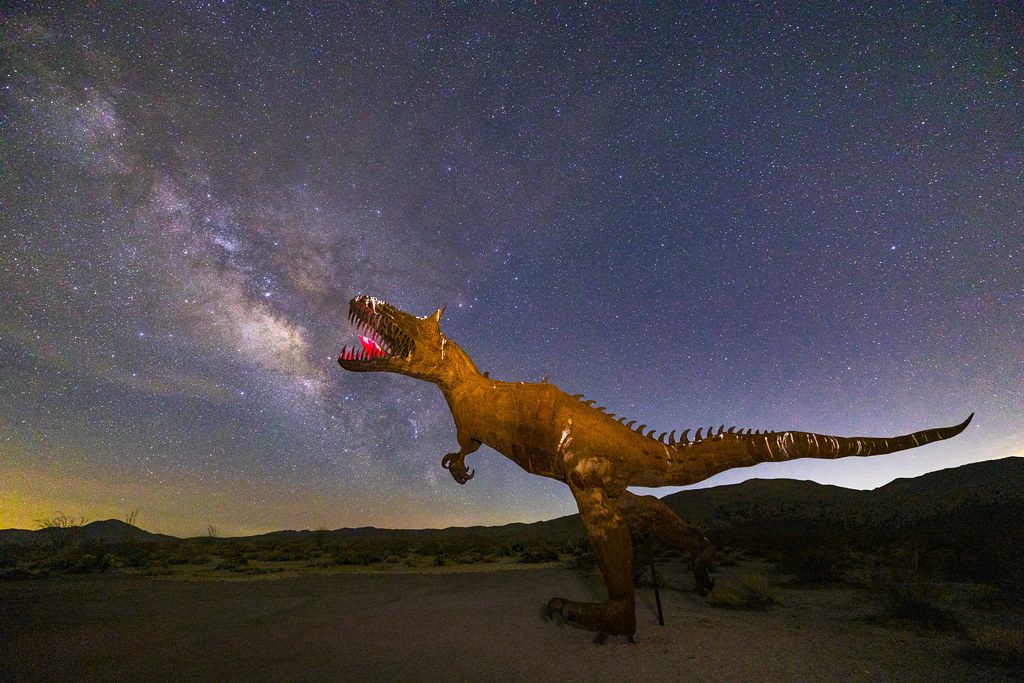
Today, scientists agree on several important facts. T. rex had short but powerful arms, depended mostly on its head and jaws for hunting, and evolved this body shape over millions of years. These findings are supported by fossil evidence and studies of many related dinosaurs.
The exact purpose of the arms, however, remains uncertain. Several ideas are scientifically reasonable, but none has been proven beyond doubt. As new fossils are discovered and new research methods improve, scientists may one day solve this famous dinosaur mystery.
Featured Image: Photo by Jonathan Cooper on Pexels
Leave a Reply