
High above the rainforest floor lives one of the world’s most powerful birds of prey. The harpy eagle dominates the forest canopy with enormous talons, incredible strength, and remarkable agility.
Instead of chasing prey across open skies, it silently moves through dense trees before launching a sudden attack on monkeys, sloths, and other animals. Every feature of this remarkable predator has evolved to hunt in one of Earth’s most challenging environments.
The harpy eagle is built for strength
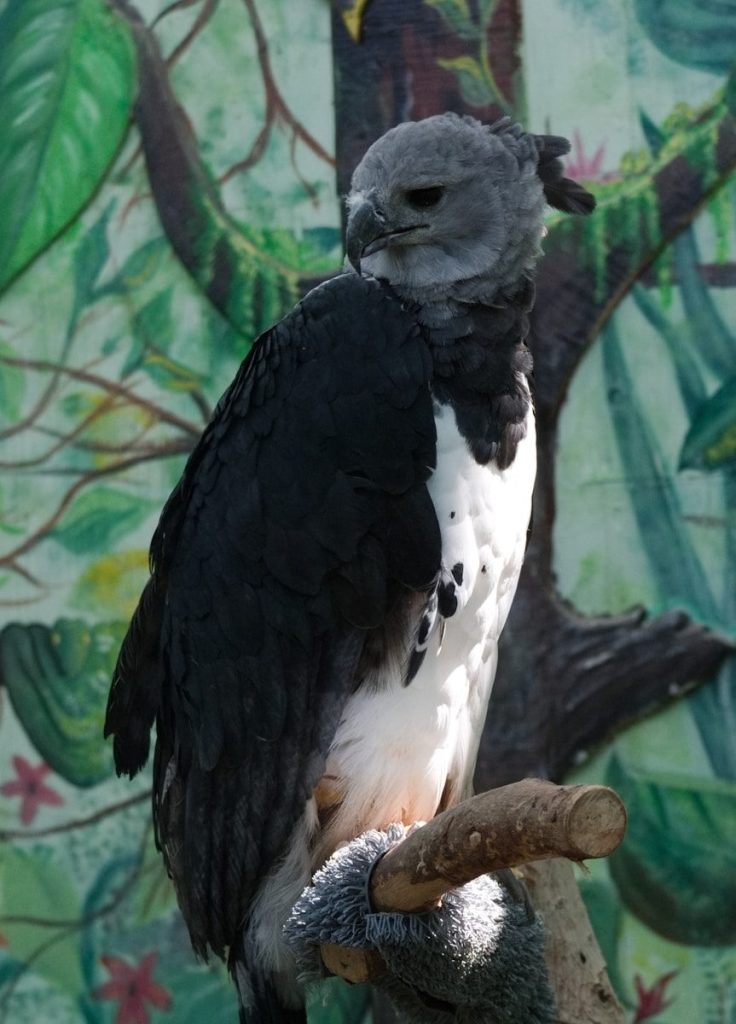
The harpy eagle is among the largest and most powerful living eagles. Females can weigh up to 9 kilograms and have wings spanning about 2 meters, while their broad wings help them fly through dense rainforest instead of open skies.
Unlike many soaring eagles, harpy eagles have relatively short, broad wings and a long tail that allow them to maneuver quickly between trees while searching for prey.
Massive talons secure powerful prey
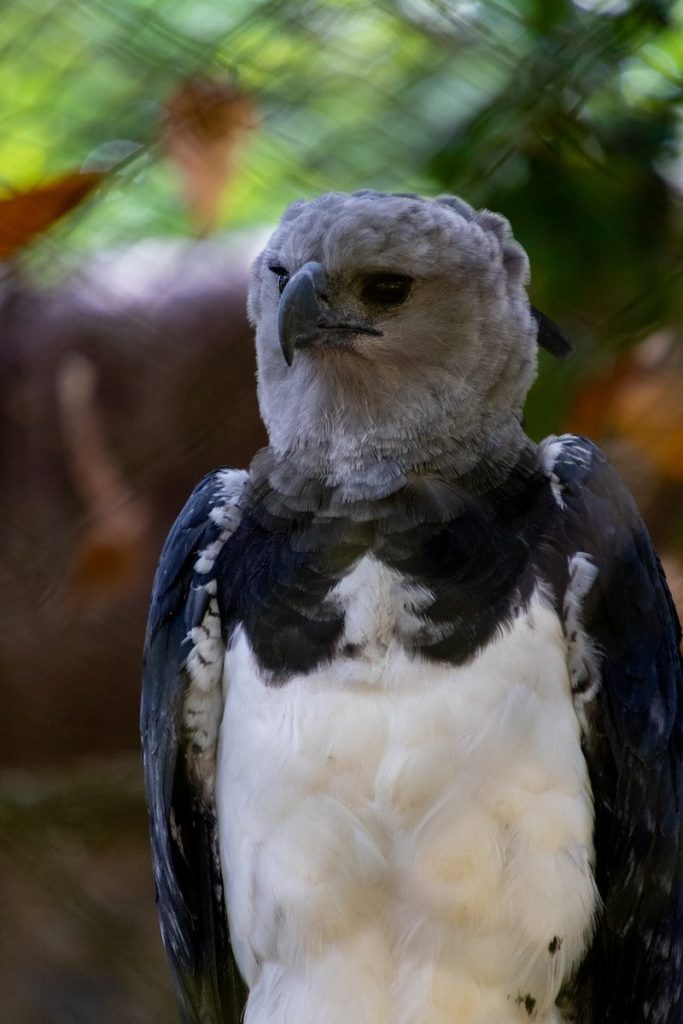
The harpy eagle’s feet are its greatest weapon. Its hind talon can reach about 7 to 9 centimeters in length, making it one of the largest talons of any living eagle.
These powerful feet generate enough force to crush bones and firmly grip animals such as monkeys and sloths, preventing them from escaping during the attack.
Monkeys and sloths are the favorite prey

Harpy eagles feed mainly on tree-dwelling mammals. Studies have shown that sloths make up a large part of their diet, while several species of monkeys are also hunted regularly across their ranges.
Large females are capable of carrying surprisingly heavy prey, sometimes transporting adult sloths or large monkeys weighing almost as much as the eagle itself.
Rainforest hunting requires precision

Rather than soaring high above the forest, harpy eagles usually perch quietly for long periods while watching for movement below. Once prey is spotted, they launch a rapid, highly accurate attack through the trees.
Their short wings and excellent maneuverability allow them to weave through branches where many other large birds could not safely fly.
Harpy eagles face growing threats
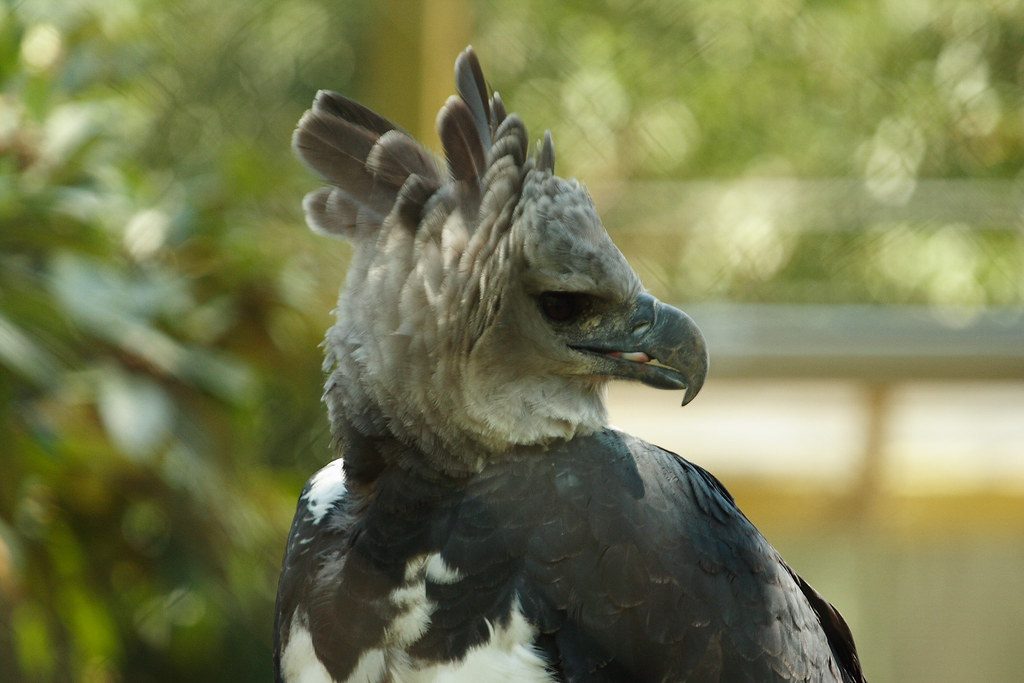
Although they are formidable predators, harpy eagles are vulnerable because tropical rainforests continue to disappear. Logging and habitat fragmentation reduce nesting sites and the abundance of prey animals.
The species is currently classified as Vulnerable, and conservation programs across Central and South America are working to protect remaining populations and restore rainforest habitat.
Protecting one of the rainforest’s greatest predators
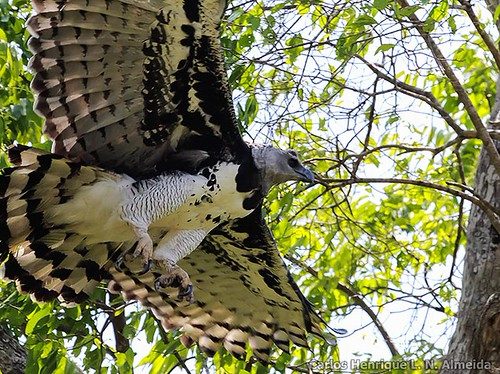
Harpy eagles play an important ecological role by helping regulate populations of tree-dwelling mammals. Healthy forests support both these magnificent raptors and the diverse wildlife they depend upon.
Researchers continue monitoring harpy eagle populations to better understand their behavior and improve conservation efforts for one of the world’s most iconic birds of prey.
Leave a Reply