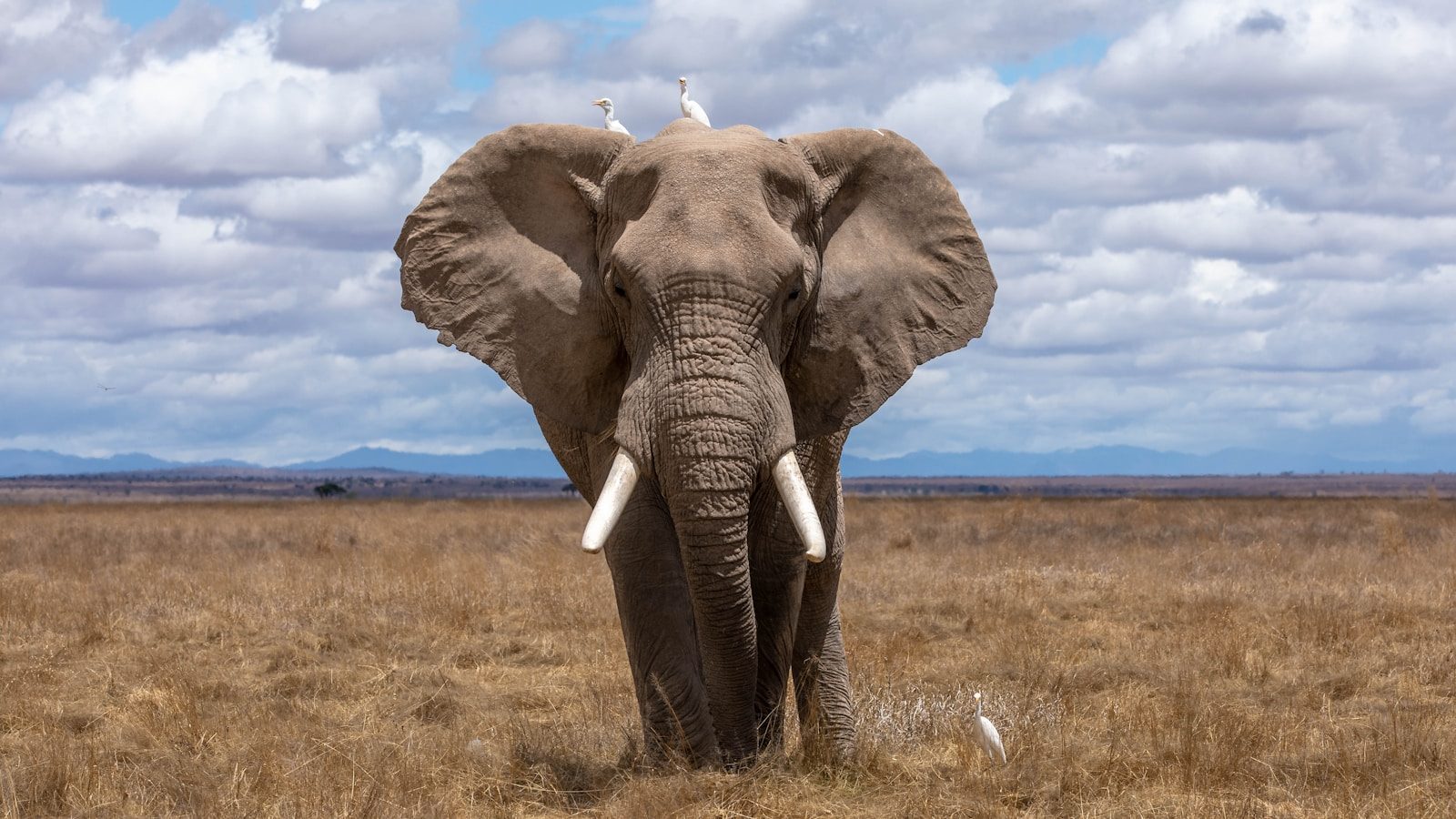
Elephants are famous for their intelligence, but one viral story has captured even more attention. It claims that a wild elephant recognized the veterinarian who treated him 12 years earlier and greeted him with a gentle, emotional gesture. While the authenticity of that specific reunion has not been independently verified, scientists agree that elephants possess extraordinarily long-term memories.
Their ability to recognize familiar individuals after many years is one of the reasons they are considered among the most intelligent animals on Earth.
Elephant memories are remarkably powerful
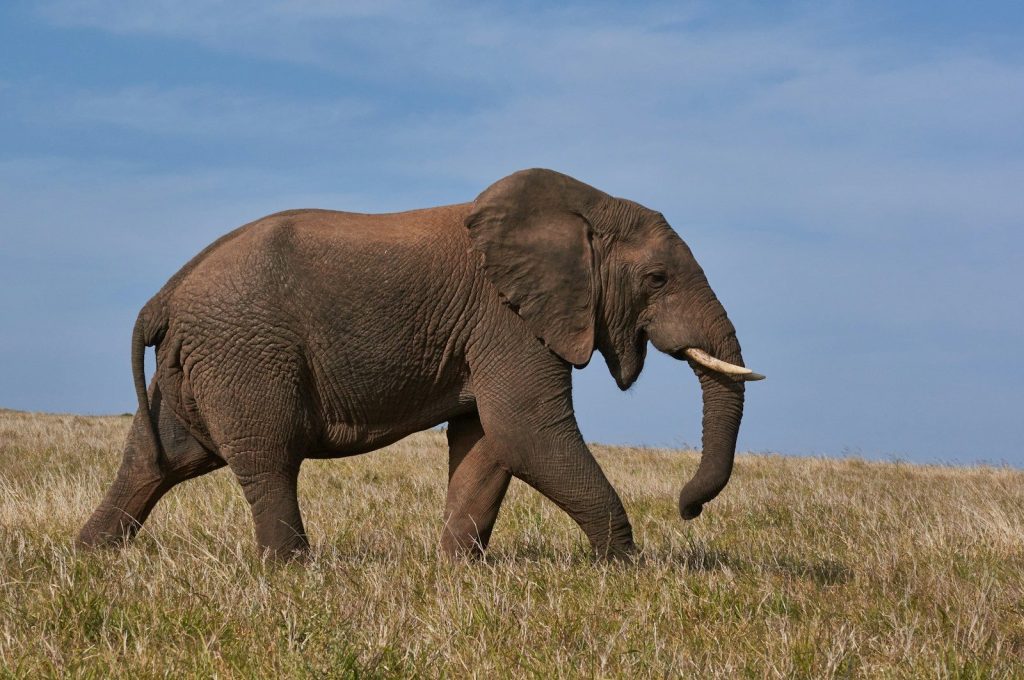
Research has shown that elephants can remember the voices, scents, and appearances of other elephants for many years. This ability helps them maintain complex family relationships, locate water sources during droughts, and recognize both friends and potential threats. Their large brains, particularly regions associated with memory and social behavior, support these impressive cognitive abilities.
Studies have also found that elephants can distinguish between familiar and unfamiliar humans, especially when previous interactions were positive or negative. This long-term recognition plays an important role in their survival and social lives.
How elephants recognize familiar people
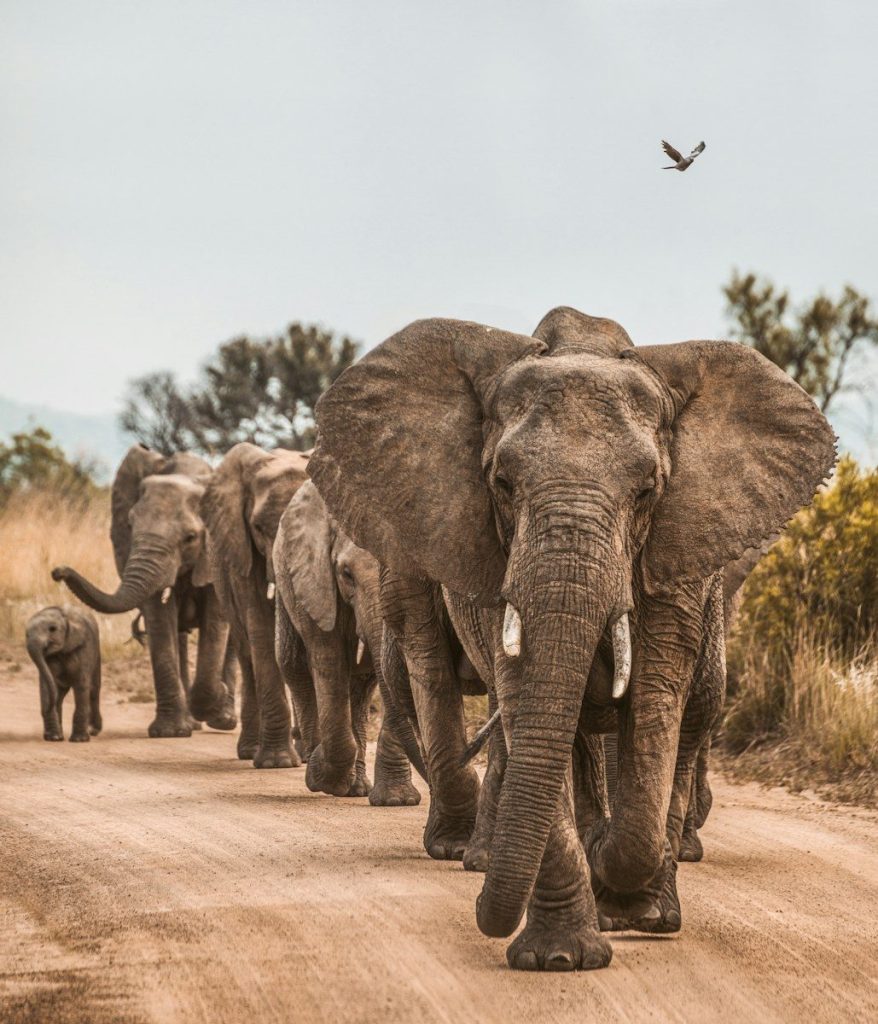
Elephants rely on far more than eyesight. They use a combination of scent, vocal recognition, body language, and previous experiences to identify individuals. Their highly sensitive trunks can detect scents from remarkable distances, while their hearing allows them to recognize voices and even low-frequency sounds.
These abilities help elephants identify trusted caretakers, avoid dangerous people, and maintain long-term social relationships within their herds.
Strong bonds can form with caregivers
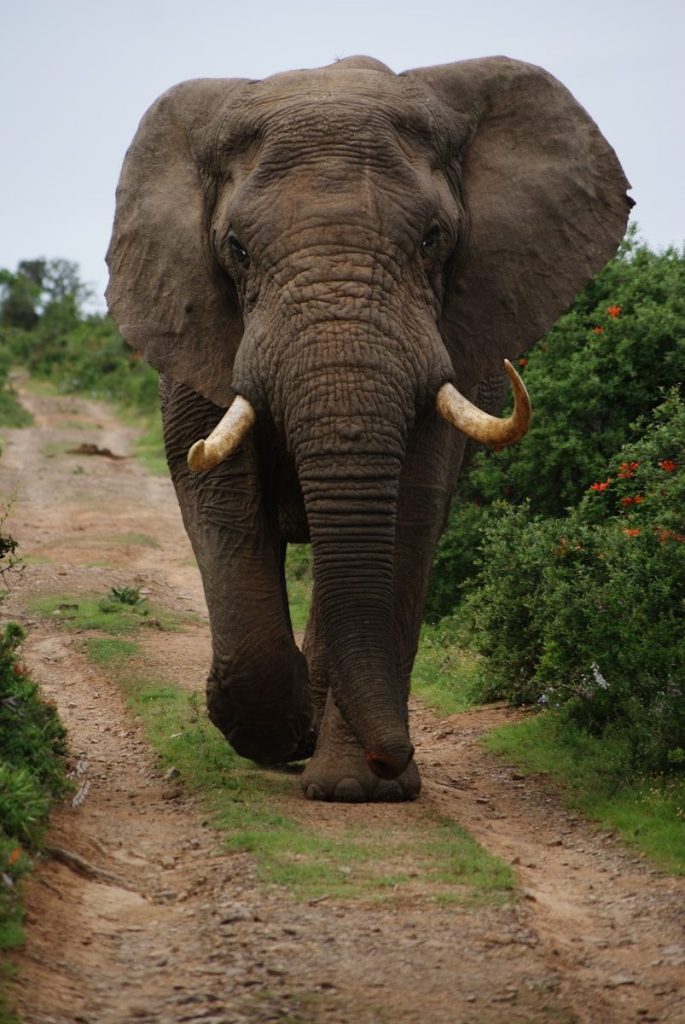
Elephants living in sanctuaries and rehabilitation centers often develop close relationships with veterinarians, caretakers, and rescue workers. Animals that receive repeated care may become comfortable around specific people, responding calmly to their voices, scent, or presence.
Conservationists frequently observe rescued elephants greeting familiar caregivers with trunk touches, low rumbles, or relaxed body language. While these behaviors do not necessarily prove human-like emotions, they demonstrate strong social recognition.
The viral reunion remains unverified

The widely shared story of a wild elephant recognizing a veterinarian after 12 years has appeared across social media and entertainment platforms. However, no peer-reviewed scientific report or verified wildlife organization has confirmed that the event occurred exactly as described.
That does not mean the story is implausible. Experts agree that elephants are fully capable of remembering individuals over very long periods if they have had meaningful previous interactions.
Why elephants are among Earth’s smartest animals

Elephants display many behaviors linked to advanced intelligence. They cooperate to solve problems, use tools, communicate through vocalizations and low-frequency vibrations, and even appear to comfort distressed members of their herd. Researchers have also documented self-recognition in mirrors, a trait shared by only a few animal species.
Their intelligence is closely tied to their highly social lifestyle, where remembering family members and important locations can mean the difference between survival and hardship.
Protecting elephants remains essential

Both African and Asian elephants continue to face threats from habitat loss, human-wildlife conflict, and illegal poaching. Wildlife sanctuaries and rescue organizations provide medical care, rehabilitation, and protected habitats for injured or abused elephants, giving many a second chance at life.
Scientists hope continued research into elephant behavior will improve conservation efforts while deepening our understanding of one of the world’s most intelligent mammals.
Leave a Reply