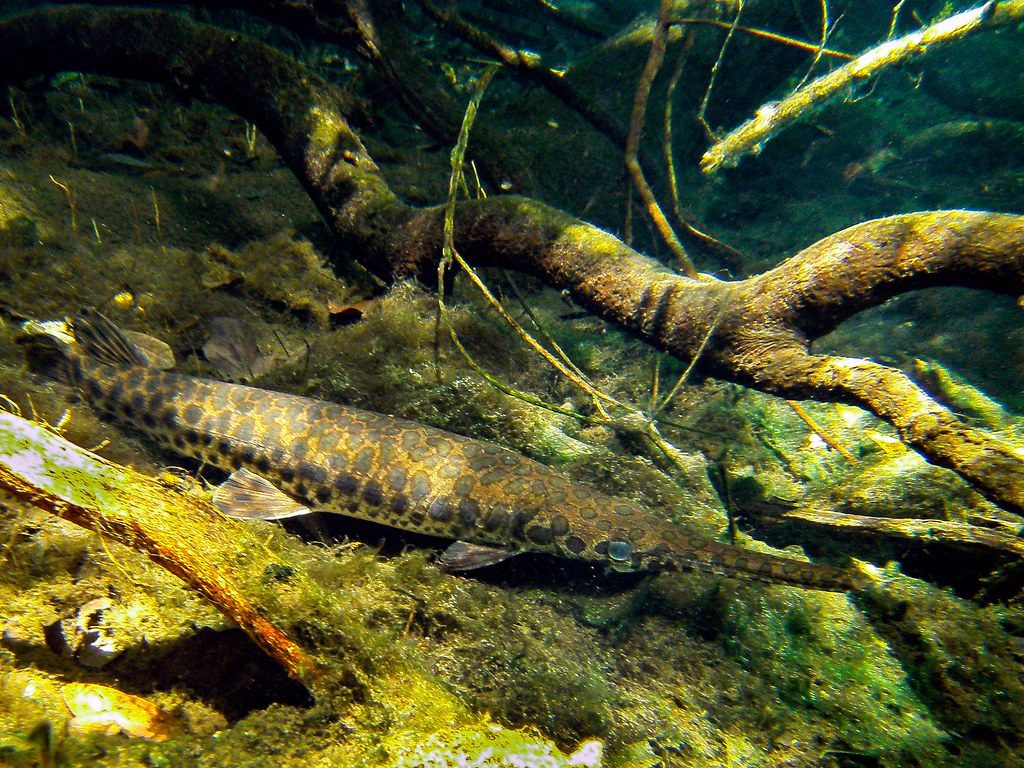
When hurricanes unleash massive floods, rivers often overflow into fields, forests, and ranches that normally stay dry. Fish follow the rising water into these temporary habitats, sometimes swimming kilometers beyond their usual range.
But once the floodwaters disappear, not every fish makes it back. Some become stranded in isolated ponds that slowly shrink under the sun, turning a temporary refuge into a struggle for survival.
Floods transform the landscape
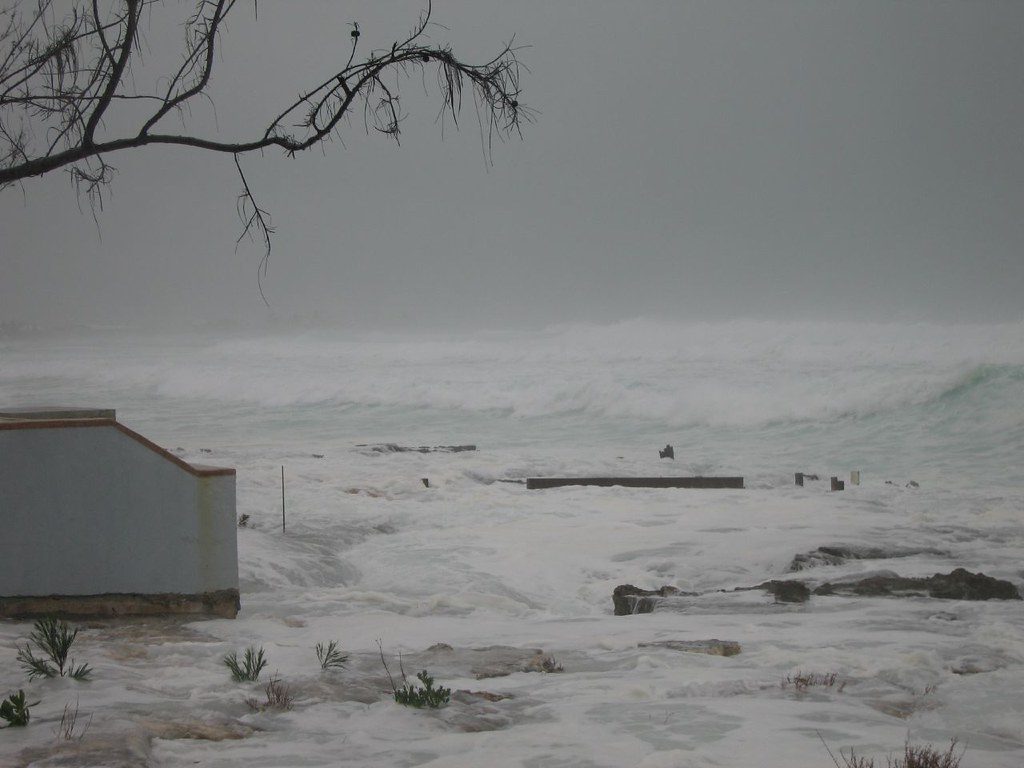
Powerful storms can completely reshape a landscape in just a few days. Rivers spill over their banks, connecting lakes, streams, wetlands, and open land into one vast body of water. Fish quickly take advantage of these new pathways to search for food and breeding areas.
As the water begins to recede, many fish successfully return to permanent waterways. Others become trapped in disconnected pools that gradually shrink as evaporation and drainage continue.
Giant gar are built for harsh conditions
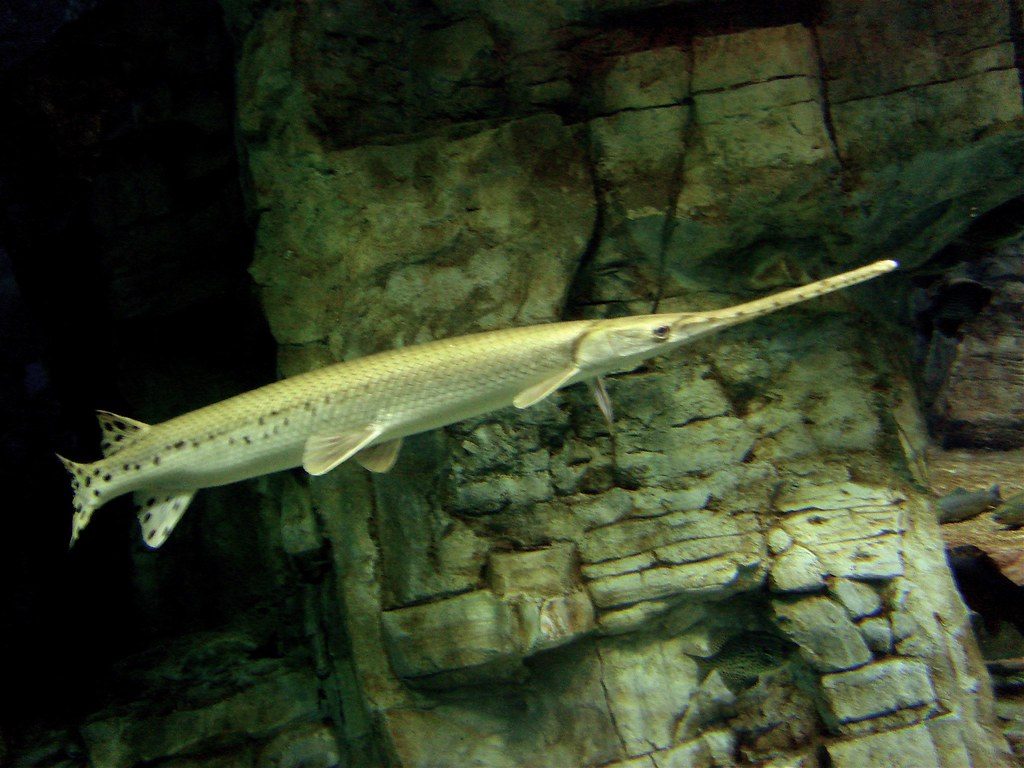
Among the fish sometimes found in these isolated ponds are alligator gar, one of North America’s largest freshwater fish. They can grow over 2 meters long and weigh more than 100 kilograms, making them true giants of rivers and floodplains.
Unlike most fish, alligator gar possess a specialized swim bladder that functions much like a lung, allowing them to gulp air from the surface. This adaptation helps them survive in warm, oxygen-poor water where many other fish would quickly perish.
Shrinking ponds become survival traps
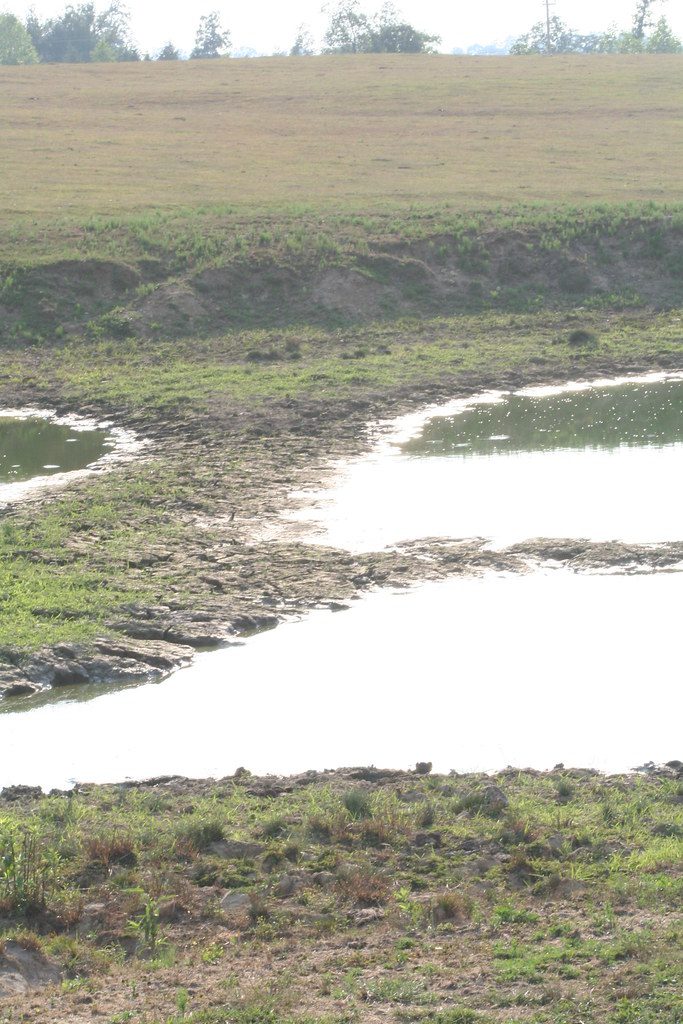
As isolated ponds lose water, oxygen levels decline while temperatures rise. Food becomes scarce, and fish are forced into increasingly crowded spaces. Larger fish may survive longer because of their size and ability to tolerate difficult conditions, but even they eventually face life-threatening stress.
Without renewed rainfall or a connection back to flowing water, these temporary pools can disappear entirely, leaving trapped wildlife with little chance of survival.
Wildlife rescues can make a difference
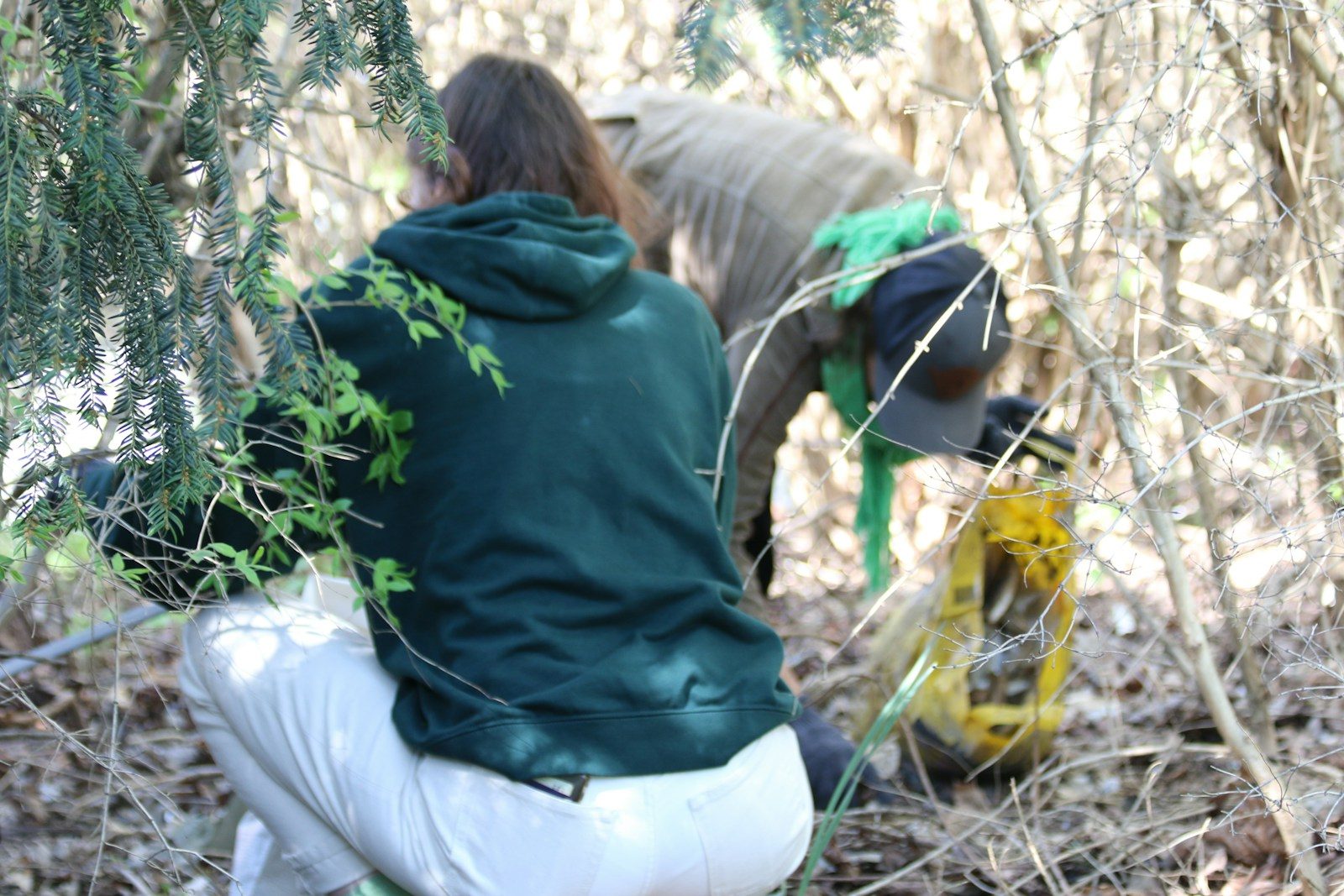
In some areas, wildlife volunteers, conservation groups, and local residents occasionally rescue stranded fish by relocating them to nearby rivers or lakes when it is safe and legally permitted. These efforts can save individual animals, especially large, long-lived species.
However, rescues are not always possible. Many stranded ponds are difficult to reach, and moving large fish requires specialized equipment and trained personnel to avoid harming the animals.
Floods are both destructive and beneficial
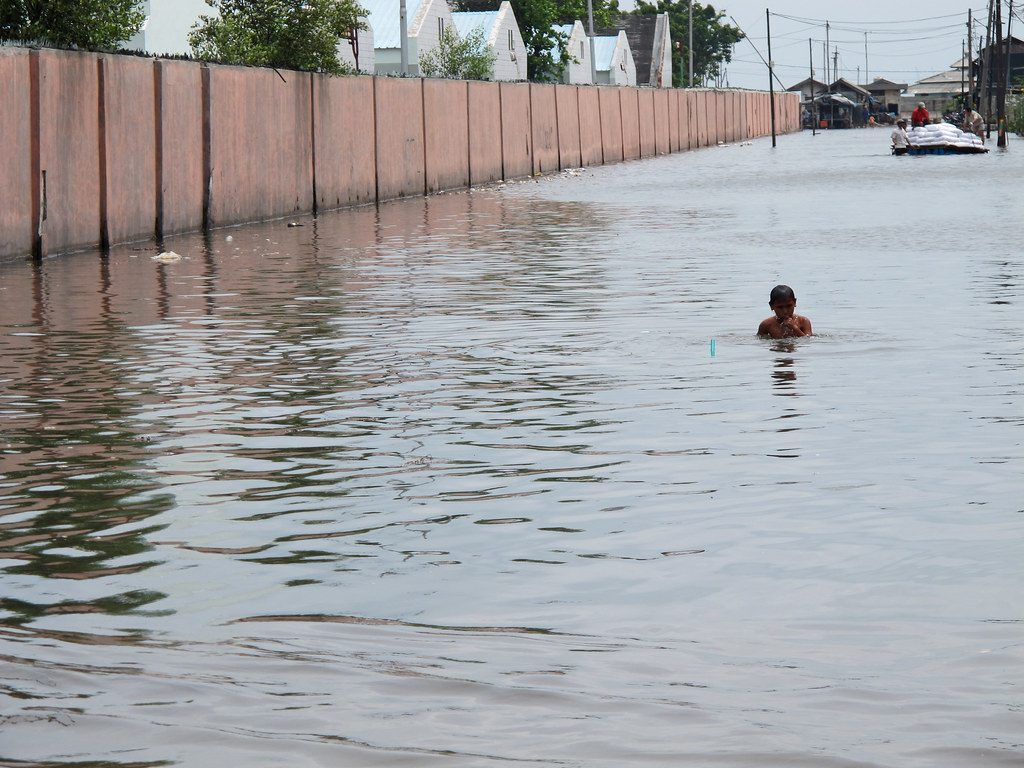
Although hurricanes can strand wildlife, seasonal flooding is also an essential part of many freshwater ecosystems. Floodwaters spread nutrients across floodplains, create nursery habitats for young fish, and increase biodiversity throughout river systems.
Problems arise when floodwaters disappear rapidly or when human-made barriers prevent fish from naturally returning to permanent waterways.
Nature changes with every season
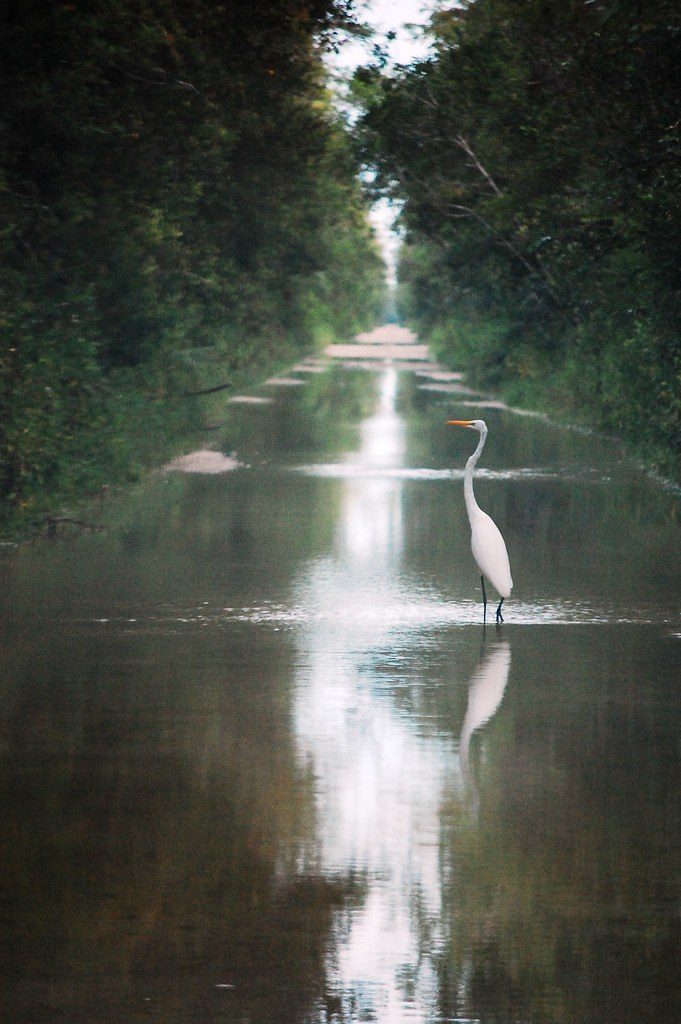
One season can completely transform a familiar landscape. A dry ranch may become a temporary lake after a hurricane, only to return months later as grassland dotted with shrinking ponds. The stranded fish left behind are reminders of how dynamic freshwater ecosystems truly are.
Scientists continue studying these flood-driven changes to better understand how extreme weather shapes wildlife populations and how conservation efforts can protect vulnerable species after major storms.
Leave a Reply