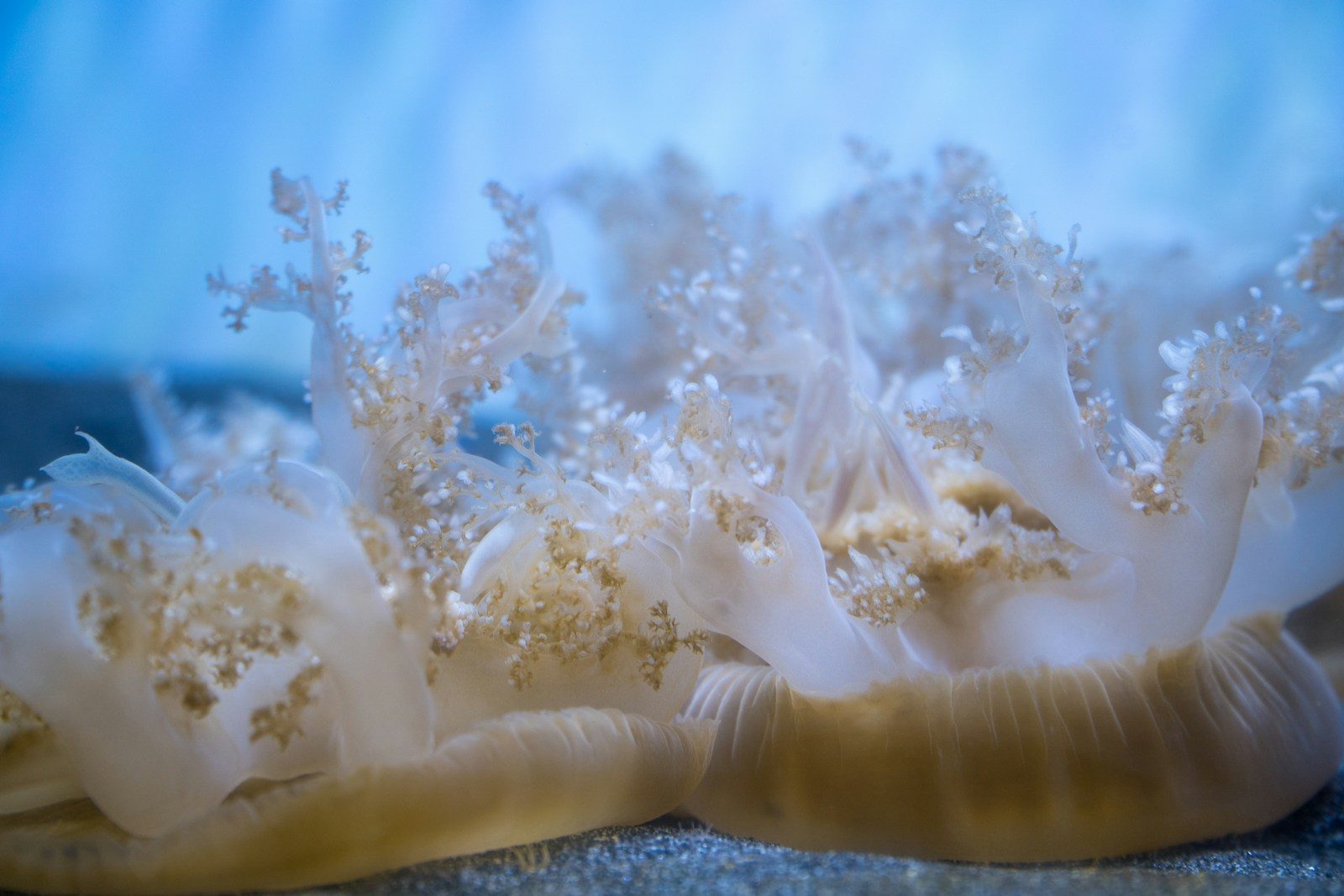
Nearly 10,000 meters beneath the Pacific Ocean, where sunlight never reaches, and pressure is more than 900 times that at sea level, scientists have discovered thriving communities of unusual marine animals. Instead of depending on sunlight like almost every other ecosystem on Earth, these creatures survive using chemical energy released from the seafloor.
The discovery expands the known limits of life and suggests that similar ecosystems may exist in other unexplored ocean trenches.
Life exists without sunlight
Most life on Earth ultimately depends on photosynthesis, which converts sunlight into energy. But in the deepest ocean trenches, sunlight never penetrates the darkness. Instead, microorganisms produce energy through chemosynthesis, using chemicals such as hydrogen sulfide and methane released from the seafloor.
These microbes form the foundation of an entire food web, supporting larger animals that would otherwise have no energy source in such an extreme environment.
Scientists explored nearly 10,000 meters deep
The discoveries were made during expeditions aboard the Chinese crewed submersible Fendouzhe, which surveyed about 2,500 kilometers of the Kuril–Kamchatka and western Aleutian trenches in the northwest Pacific. Researchers documented communities living between 5,800 and 9,533 meters, making them the deepest known chemosynthetic animal ecosystems.
The findings were published in the journal Nature and represent one of the most significant deep-sea discoveries in recent years.
Strange animals dominate the ecosystem
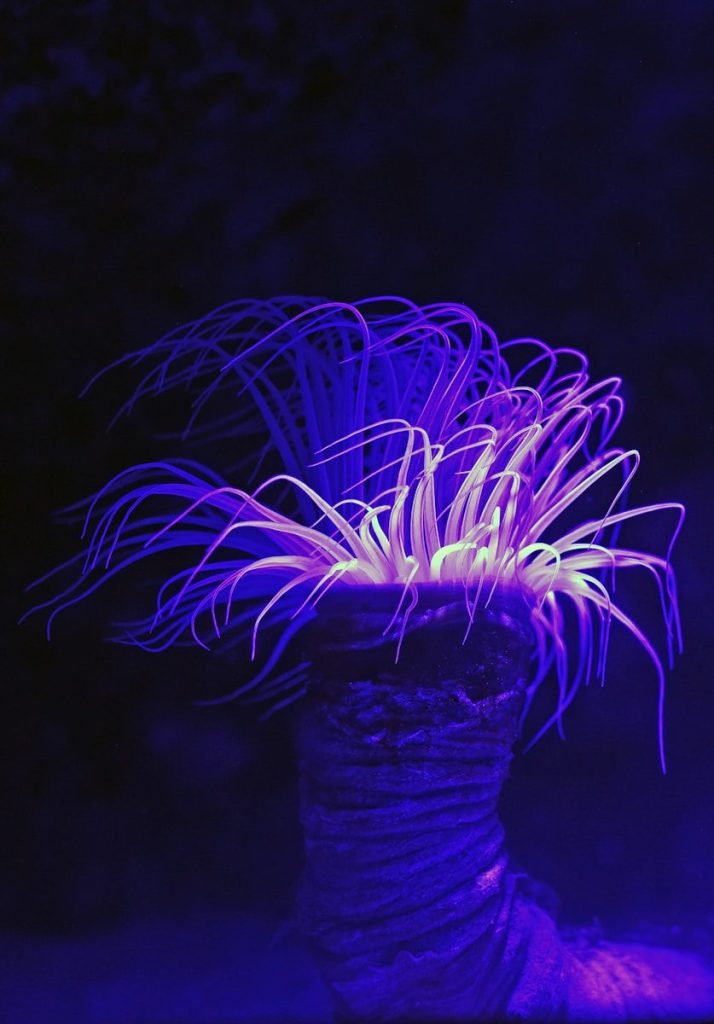
The newly discovered communities are dominated by tube worms and bivalve mollusks, alongside snails, sea cucumbers, and other deep-sea invertebrates. Many of these animals host symbiotic bacteria inside their bodies that convert methane and hydrogen sulfide into nutrients.
Researchers believe some of the species collected during the expedition may be completely new to science.
Geological activity powers the ecosystem
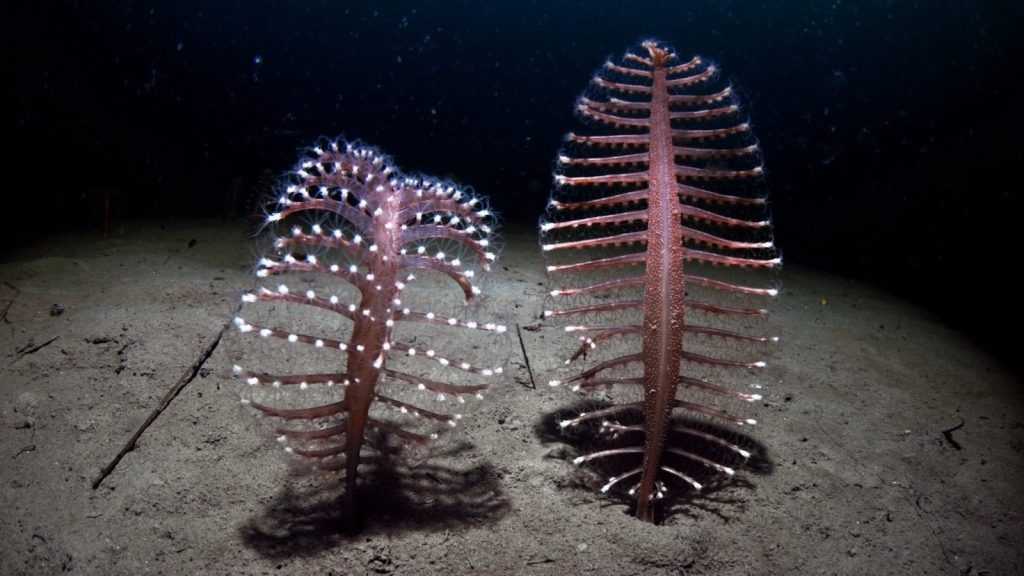
Unlike hydrothermal vent communities heated by magma, these ecosystems are fueled by methane-rich and hydrogen sulfide-rich fluids moving upward through faults in deep ocean sediments. These chemical-rich seeps continuously provide the energy needed to support life.
The discovery suggests similar ecosystems could exist in many other deep trenches around the world that have never been explored.
The discovery could help the search for alien life
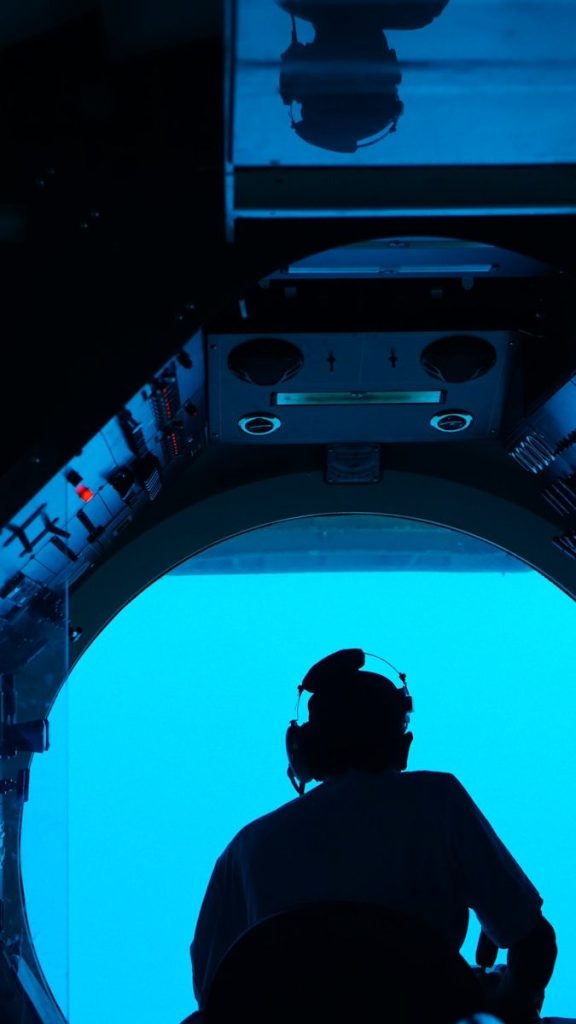
Scientists say these ecosystems demonstrate that life can flourish without sunlight if chemical energy is available. This has important implications for planets and moons that contain underground oceans but receive little or no solar energy.
Moons such as Europa and Enceladus, which are believed to contain subsurface oceans, have become key targets in the search for extraterrestrial life because they may possess similar chemical conditions.
Earth’s deepest ecosystems remain largely unexplored
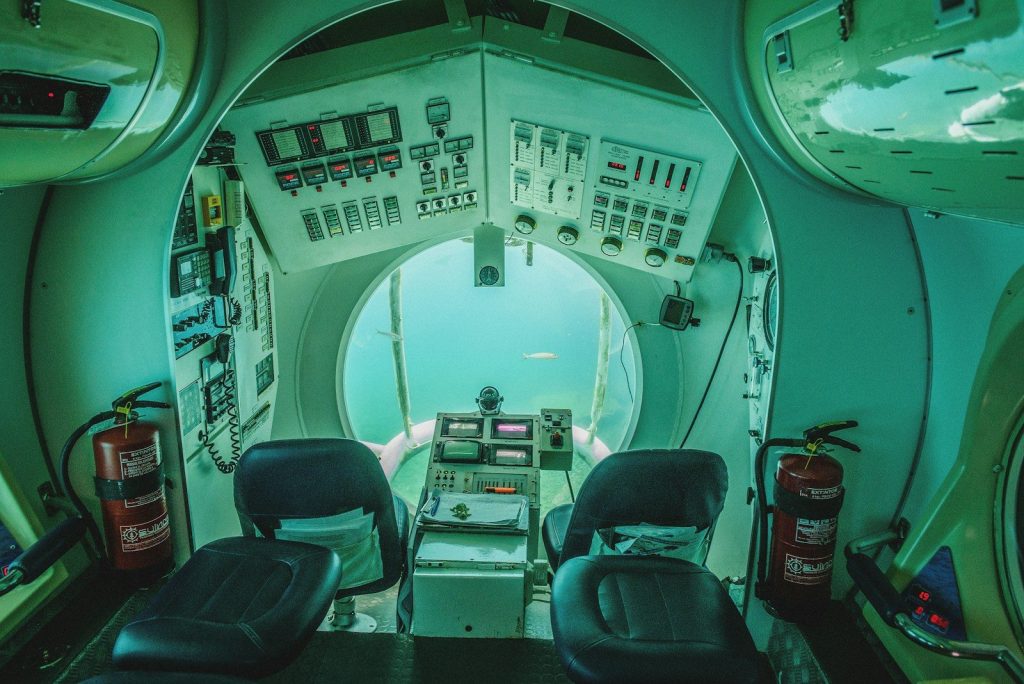
Despite decades of ocean research, scientists have explored only a tiny fraction of the deep seafloor. Every new expedition continues to reveal organisms and ecosystems unlike anything previously known.
Researchers believe future expeditions will likely uncover many more unusual species and improve our understanding of how life survives under some of the harshest conditions on Earth.
Leave a Reply