
A photograph of a massive great white shark bearing a large, bite-like scar recently fueled online claims that the animal had survived an encounter with a living megalodon. The dramatic image quickly spread across social media, with many people wondering whether the prehistoric giant shark might still exist somewhere in the deep ocean.
Marine scientists, however, say the evidence points to a much more realistic explanation. The scar tells an interesting story—but not the one many internet posts suggest.
Megalodon disappeared millions of years ago
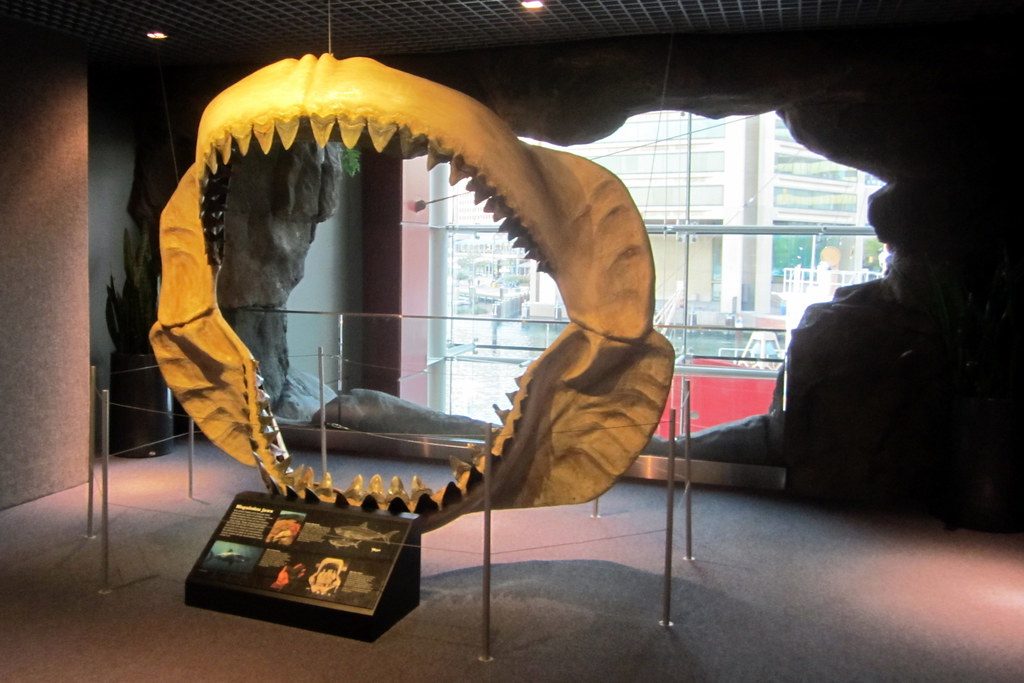
Megalodon was one of the largest predators ever to inhabit Earth’s oceans, growing an estimated 15 to 20 meters long and hunting whales, seals, and other large marine animals. Fossil evidence shows the species became extinct around 3.6 million years ago, long before humans appeared.
Despite countless internet rumors, no verified fossils, photographs, DNA samples, or modern sightings have ever demonstrated that megalodon survived into the present day.
The scar looks dramatic but not prehistoric
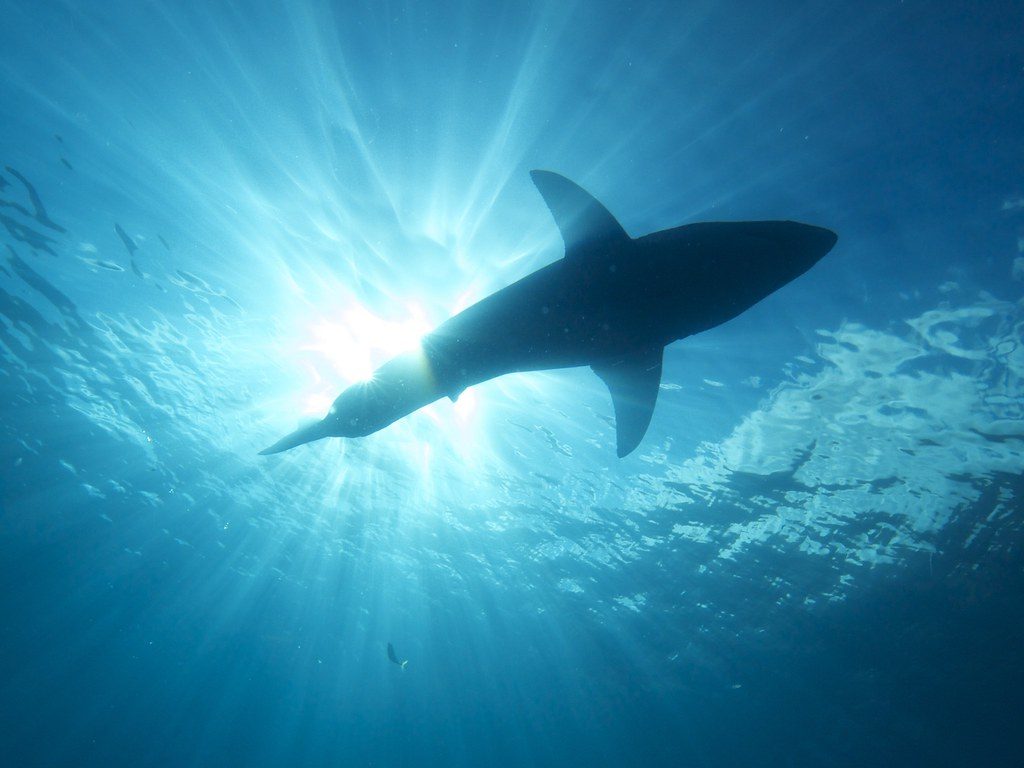
Marine biologists explain that large scars are surprisingly common on adult great white sharks. These wounds often heal remarkably well, leaving broad, pale marks that can appear much larger than they originally were.
By examining the spacing, depth, and healing pattern of the injury, researchers can often determine whether a wound was caused by another shark, an orca, or another large marine animal rather than an extinct predator.
Great white sharks frequently bite each other
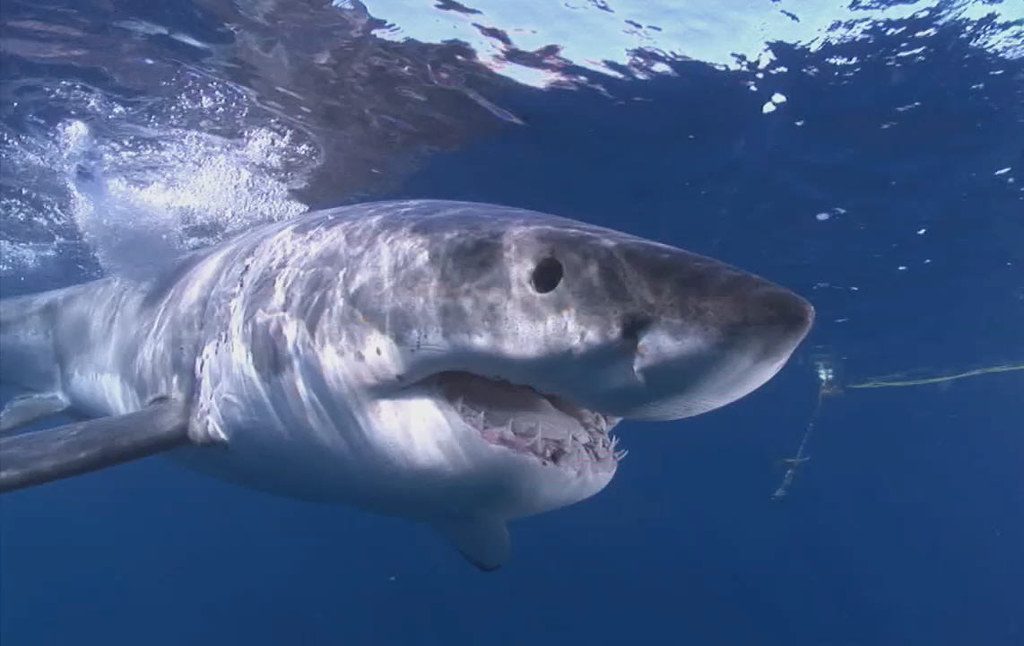
Great white sharks regularly fight over territory, food, or mating opportunities. During these encounters, they can leave deep bite marks that eventually heal into large scars.
Adult sharks have powerful immune systems and impressive healing abilities, allowing them to recover from injuries that would be fatal to many other animals. Scientists believe many of the largest scars seen on great whites result from these natural interactions.
Orcas are another likely explanation
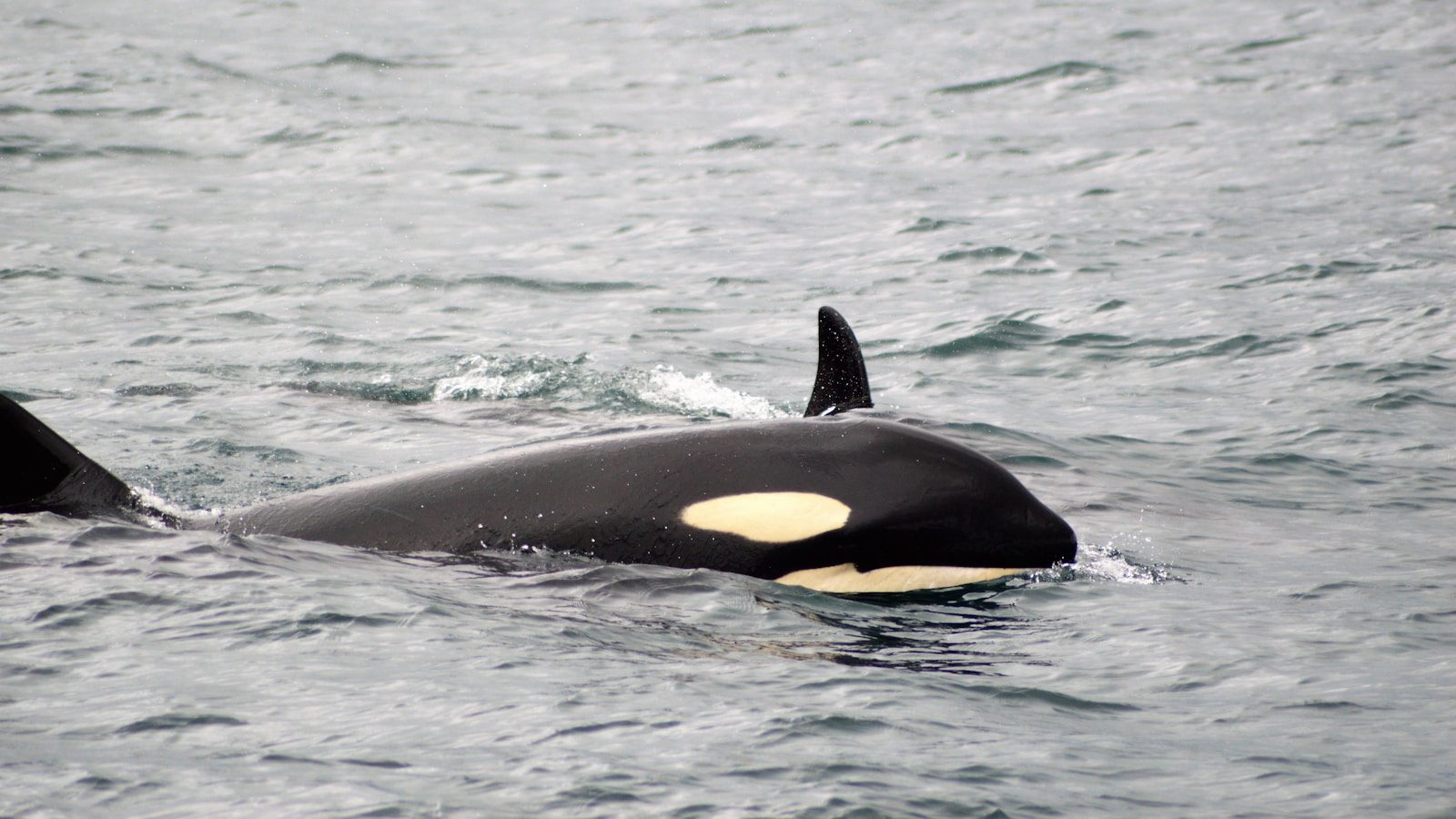
In several parts of the world, killer whales have been observed attacking great white sharks. Orcas are intelligent hunters capable of overpowering even the ocean’s most famous shark.
Some surviving great whites carry injuries consistent with orca attacks. In recent years, researchers have documented orcas targeting great white sharks for their nutrient-rich livers, forcing entire shark populations to temporarily abandon certain coastal regions.
Why megalodon theories keep returning
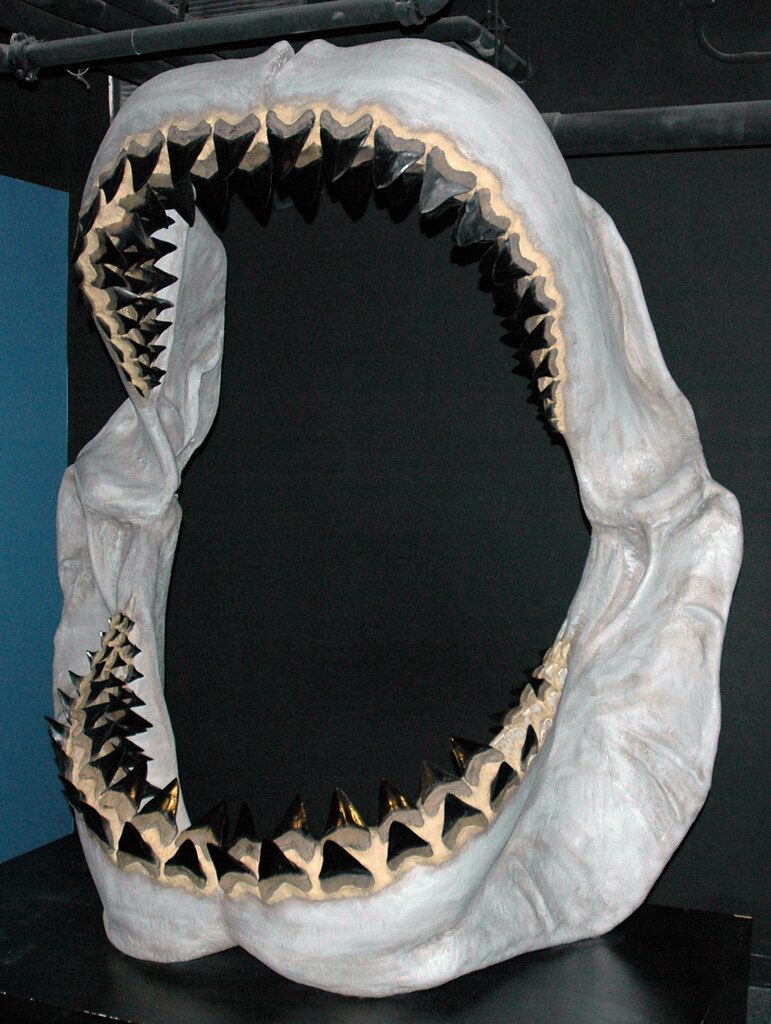
Megalodon remains one of the world’s most famous prehistoric predators, making it a frequent subject of viral posts, documentaries, and fictional stories. Large shark scars naturally attract attention, encouraging speculation that an unknown giant predator still lurks in the deep ocean.
Scientists emphasize that extraordinary claims require extraordinary evidence. So far, every alleged piece of evidence for a living megalodon has been explained by known marine animals or misidentified observations.
The real story is still fascinating

Although the viral theory is unsupported, the scar itself demonstrates how dangerous life can be for large ocean predators. Great white sharks face competition from other sharks, attacks by orcas, disease, parasites, and injuries sustained while hunting large prey.
Studying these scars helps researchers better understand shark behavior, social interactions, and survival, revealing that modern oceans remain full of remarkable predators even without the return of prehistoric giants.
Leave a Reply