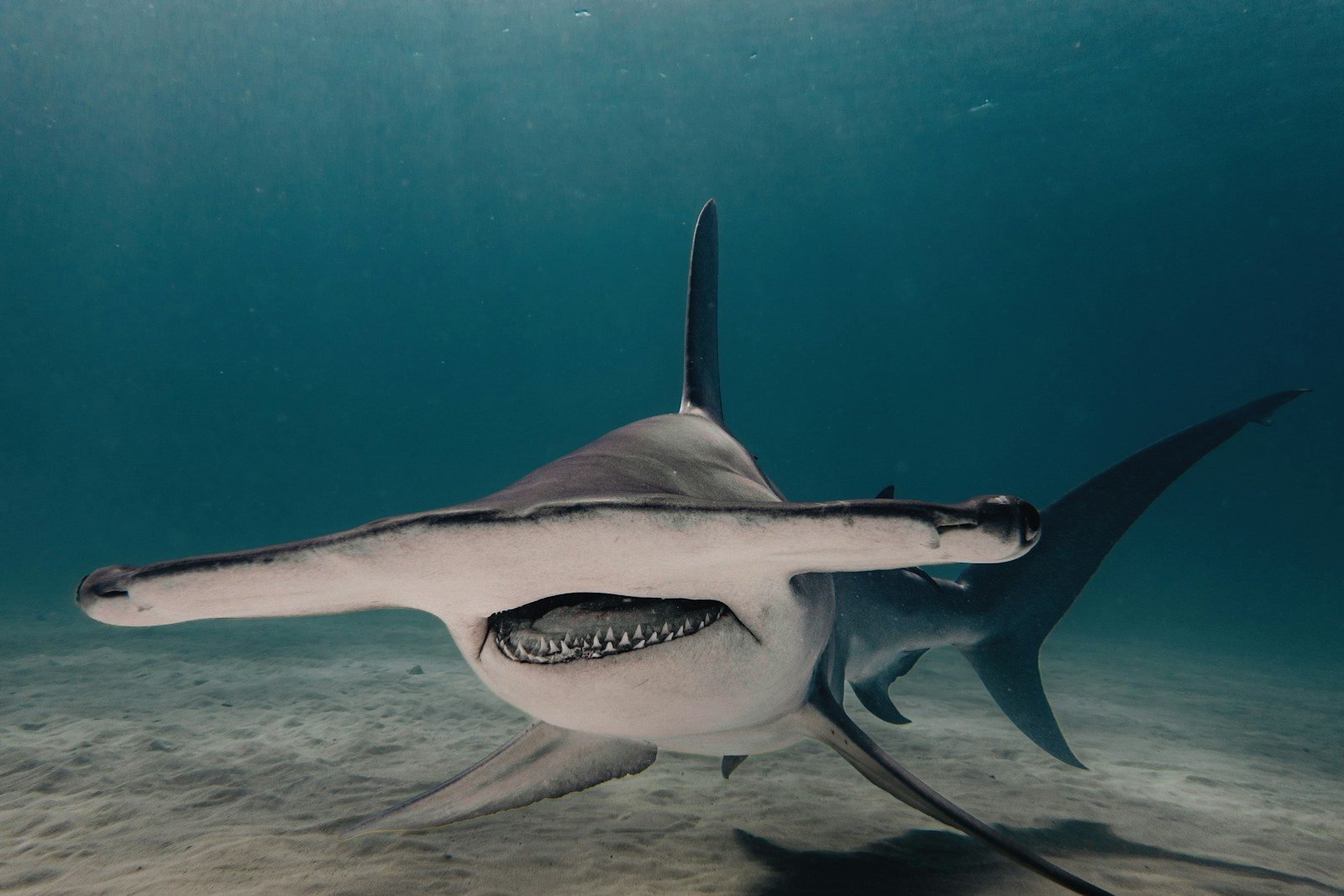
Hammerhead sharks possess one of the most unusual head shapes in the animal kingdom, but it is far more than an eye-catching feature. Their wide, flattened heads function as highly specialized hunting tools, allowing them to locate prey hidden beneath the seafloor that other predators might miss.
When a stingray buries itself in the sand, a hammerhead can still detect it, pin it down, and launch an attack with remarkable precision. This combination of advanced senses and specialized hunting behavior makes hammerheads among the ocean’s most effective predators.
The hammer-shaped head is a hunting advantage

The broad head of a hammerhead shark, known as the cephalofoil, increases the distance between its sensory organs and eyes. This wider design improves depth perception, expands its field of view, and provides a much larger surface for specialized electroreceptors.
Rather than being a simple physical adaptation, the cephalofoil allows hammerheads to detect prey that remains completely hidden beneath the seabed.
Hidden stingrays cannot escape electric detection
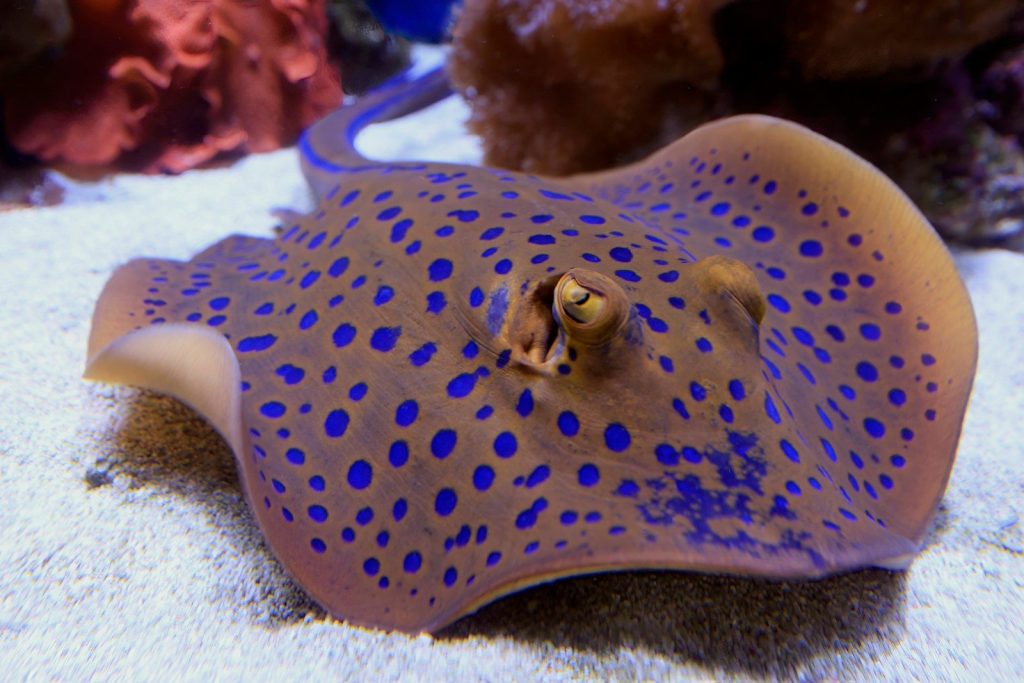
Like all living animals, stingrays generate tiny electrical signals through muscle contractions and nerve activity. Even when completely buried under sand, these weak electrical fields remain detectable.
Thousands of ampullae of Lorenzini located across the underside of a hammerhead’s head can sense these signals with extraordinary sensitivity, allowing the shark to pinpoint prey that cannot be seen.
Pinning prey before delivering the bite
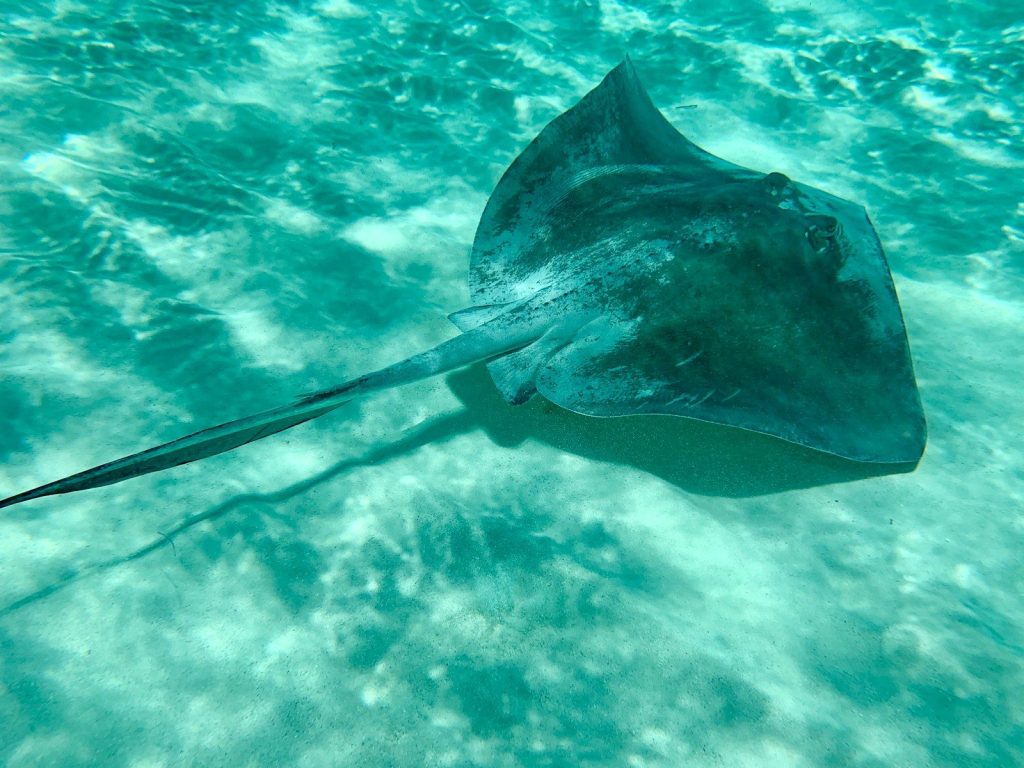
Once a stingray is located, the hammerhead often attacks from above. Researchers have observed great hammerhead sharks striking the ray and using the wide cephalofoil to pin it firmly against the seafloor.
Holding the stingray in place prevents it from escaping while the shark delivers powerful bites that quickly disable its prey before swallowing it.
Built to hunt dangerous prey

Stingrays defend themselves with venomous tail spines capable of injuring predators. Despite this risk, hammerhead sharks specialize in hunting rays and frequently consume them.
Scientists have found numerous stingray spines embedded in the mouths of great hammerhead sharks, suggesting the predators regularly withstand these injuries while continuing to hunt successfully.
Evolution created a specialized predator
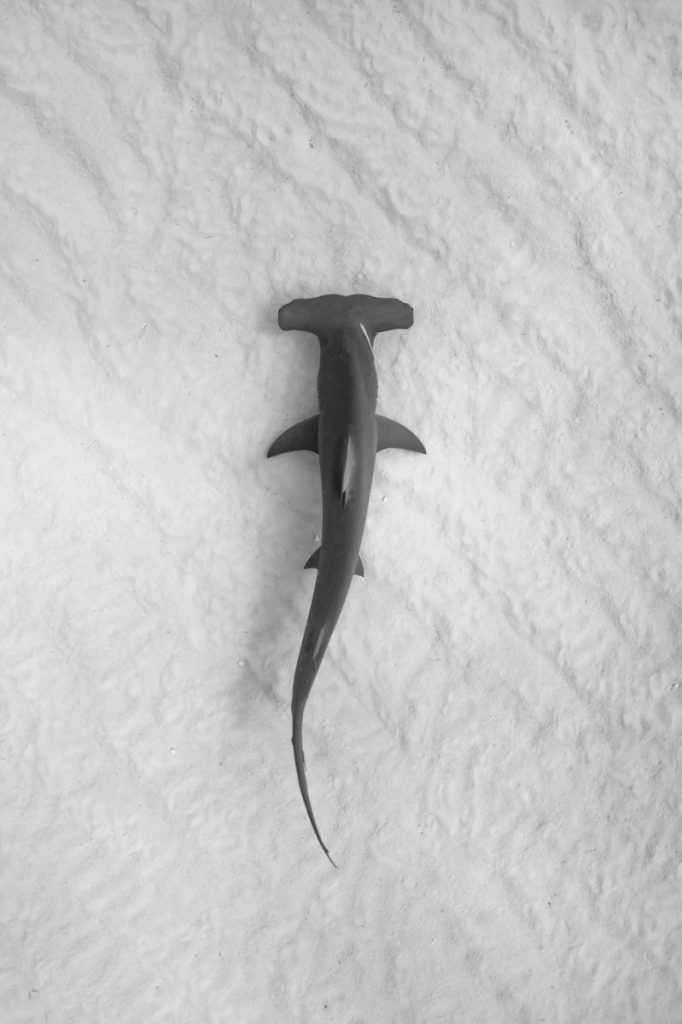
The hammerhead’s unusual appearance has puzzled scientists for decades, but research increasingly shows that the cephalofoil combines several advantages in one structure. It improves electroreception, enhances vision, assists rapid turning, and provides a physical tool for controlling prey.
These combined adaptations have allowed hammerhead sharks to become highly successful hunters in coastal and tropical waters around the world.
A remarkable example of ocean evolution

Hammerhead sharks demonstrate how evolution can produce highly specialized predators perfectly adapted to their environment. Their ability to detect invisible electrical signals and physically restrain prey before striking illustrates one of the most sophisticated hunting strategies found beneath the waves.
Although they are formidable hunters, many hammerhead species face growing threats from overfishing and habitat loss, making conservation increasingly important for their future.
Leave a Reply