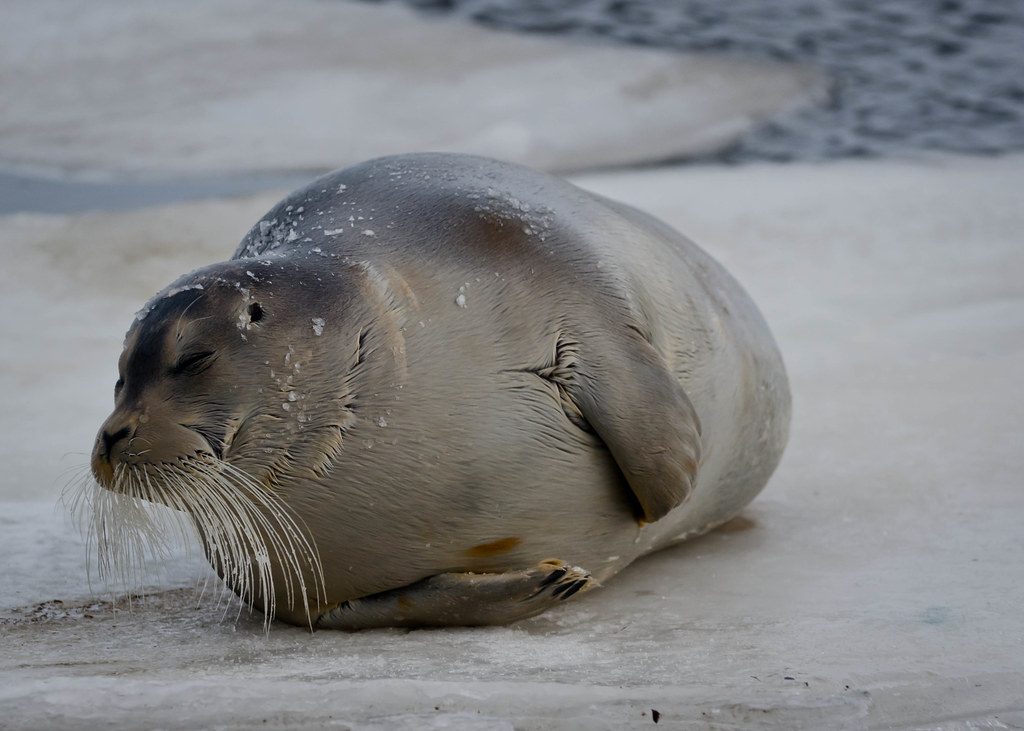
A young seal stranded beyond a maze of slippery rocks faced a dangerous situation as waves crashed against the shoreline. Unable to reach the water safely, the exhausted animal remained trapped while trained rescuers carefully planned a route across the unstable terrain.
Every step carried risks for both the seal and the rescue team, but their determination ultimately gave the marine mammal another opportunity to return to the ocean.
A dangerous place to become stranded
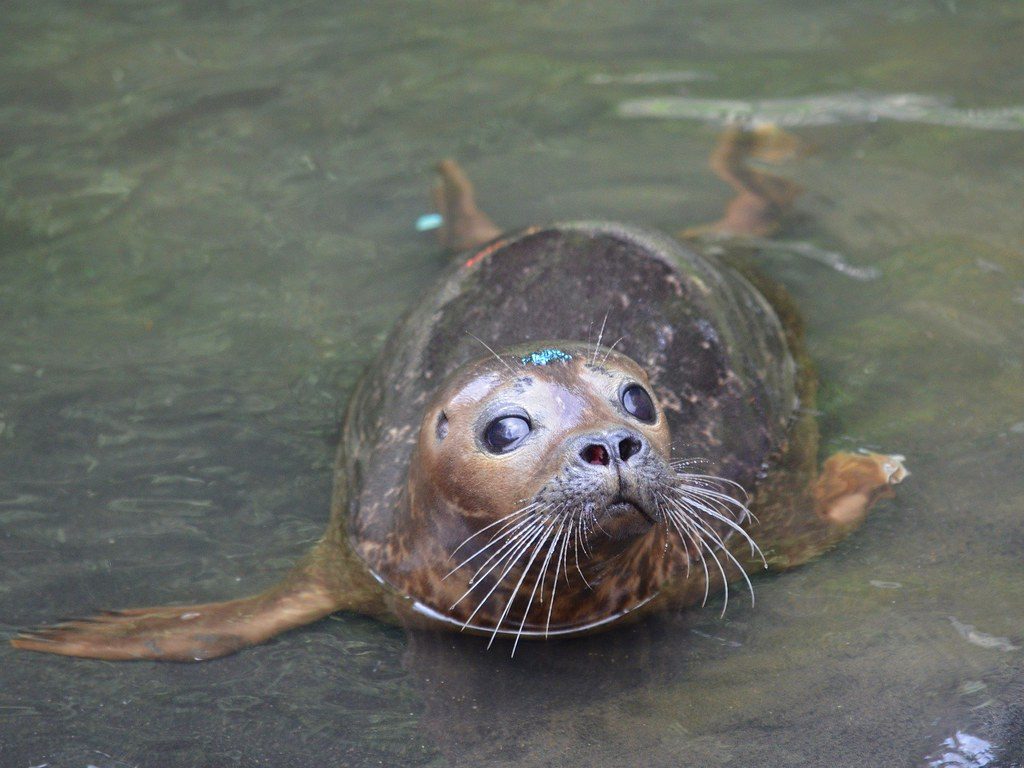
Rocky coastlines can become hazardous for seals, especially young animals that become trapped between large boulders or isolated from the sea by changing tides. Sharp rocks, rising waves, and narrow gaps make rescue operations difficult even for experienced wildlife teams.
Rescuers must carefully assess the animal’s condition before attempting any intervention, balancing the seal’s welfare with the safety of everyone involved.
Why rescuing wild seals is challenging
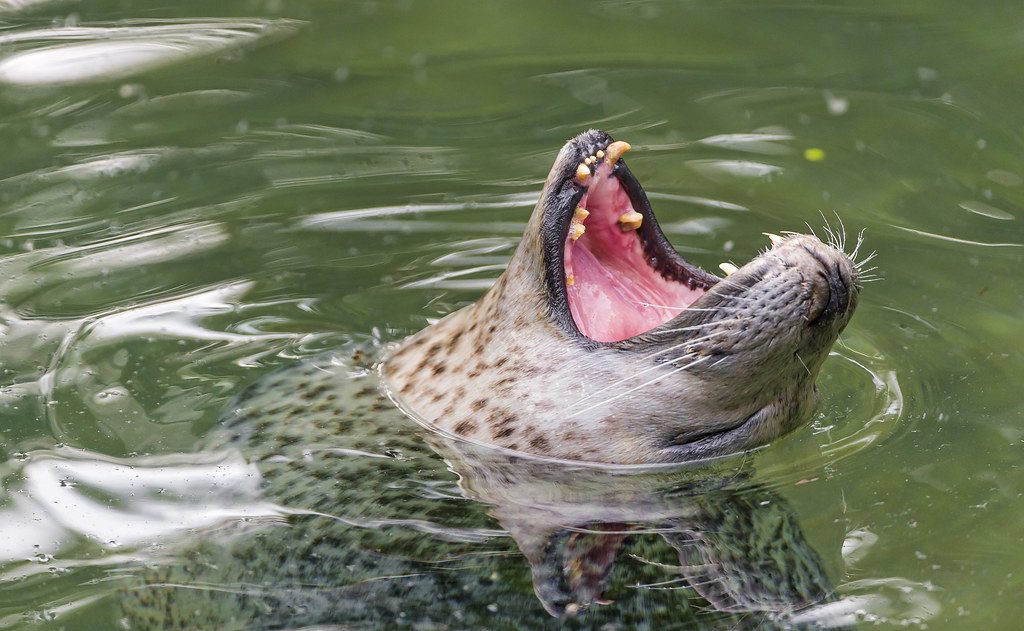
Wild seals naturally fear humans and often respond by vocalizing, biting, or struggling when approached. Even weakened animals can move surprisingly quickly or become defensive if they feel threatened.
For this reason, trained responders use specialized equipment and handling techniques that reduce stress while protecting both the animal and the rescue team.
Reaching the stranded animal
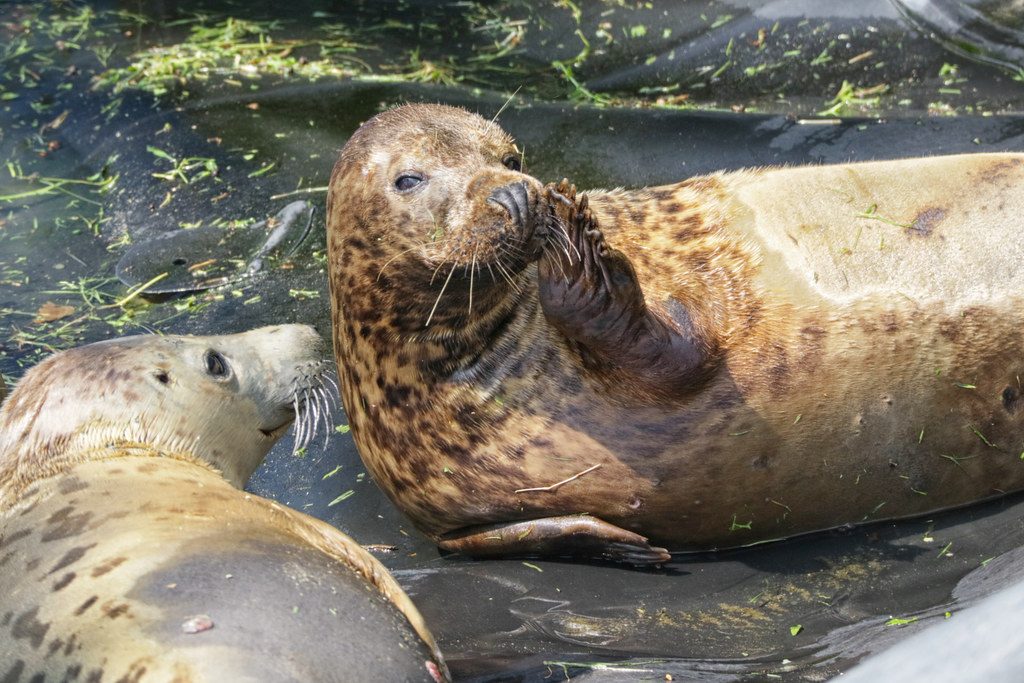
Carefully navigating the rocks, rescuers approached the seal only when conditions were safe enough to do so. Working together, they gently secured the animal before lifting it away from the dangerous shoreline.
Each rescue is unique, and success often depends on weather, tides, and the seal’s location among the rocks.
A second chance in the ocean
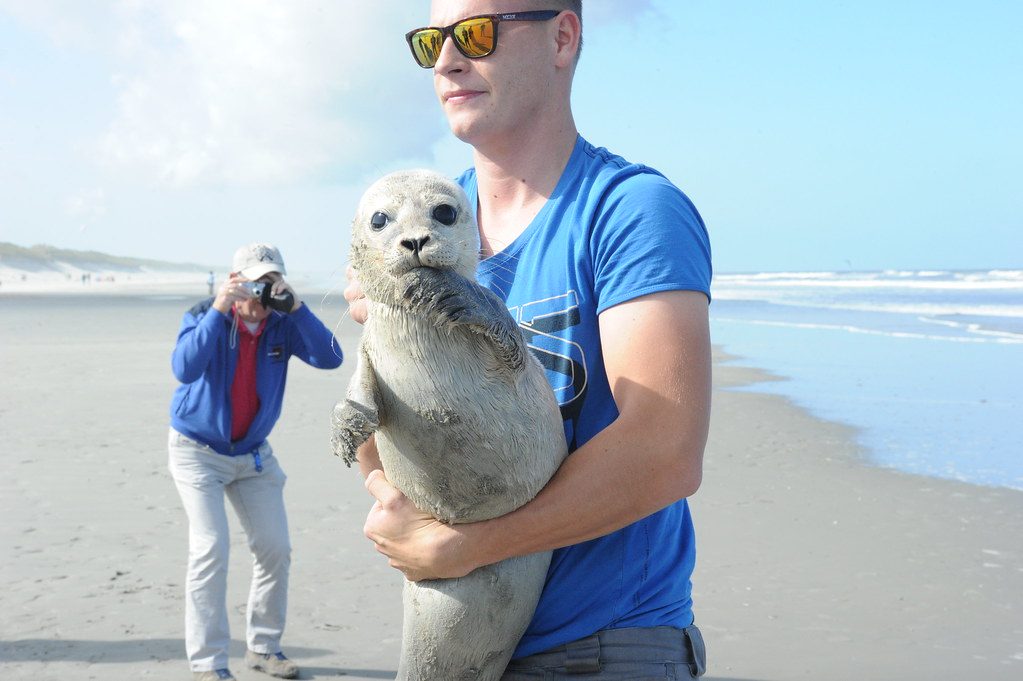
After ensuring the seal was free from immediate danger and checking for visible injuries, rescuers released it back into suitable coastal waters. Once back in the sea, the animal was able to swim away and continue its life in the wild.
Whenever possible, wildlife organizations aim to return healthy seals to their natural habitat as quickly as conditions allow.
Why seal rescues matter
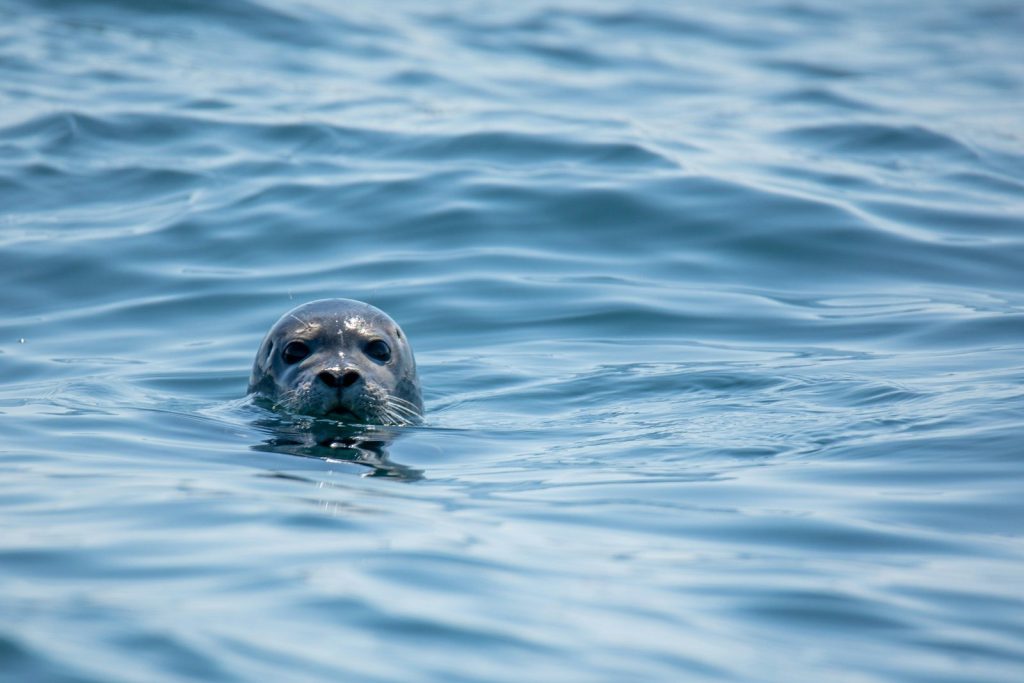
Although each rescue focuses on one animal, these events also highlight larger conservation challenges. Marine debris, coastal development, pollution, and increasing human activity continue to threaten seal populations in many parts of the world.
Public awareness and rapid reporting of distressed wildlife allow trained organizations to respond before injuries become fatal.
Protecting marine wildlife together
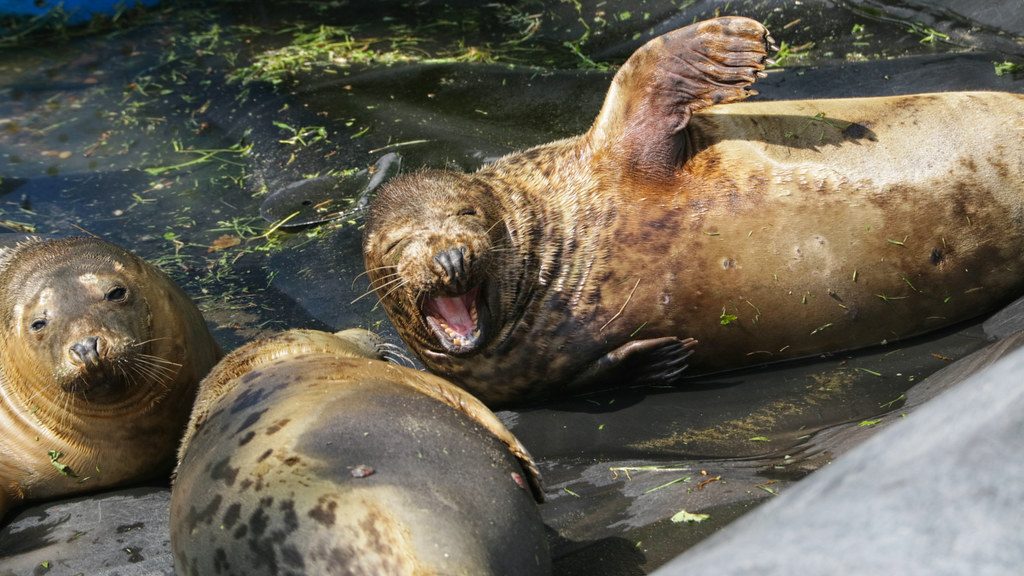
Every successful seal rescue demonstrates the value of trained responders, careful planning, and community cooperation. While not every stranded seal requires intervention, those facing human-caused hazards or life-threatening situations can sometimes be given a second chance through professional wildlife rescue.
The story serves as a reminder that protecting healthy oceans also means reducing the risks that marine animals face long before rescue becomes necessary.
Leave a Reply