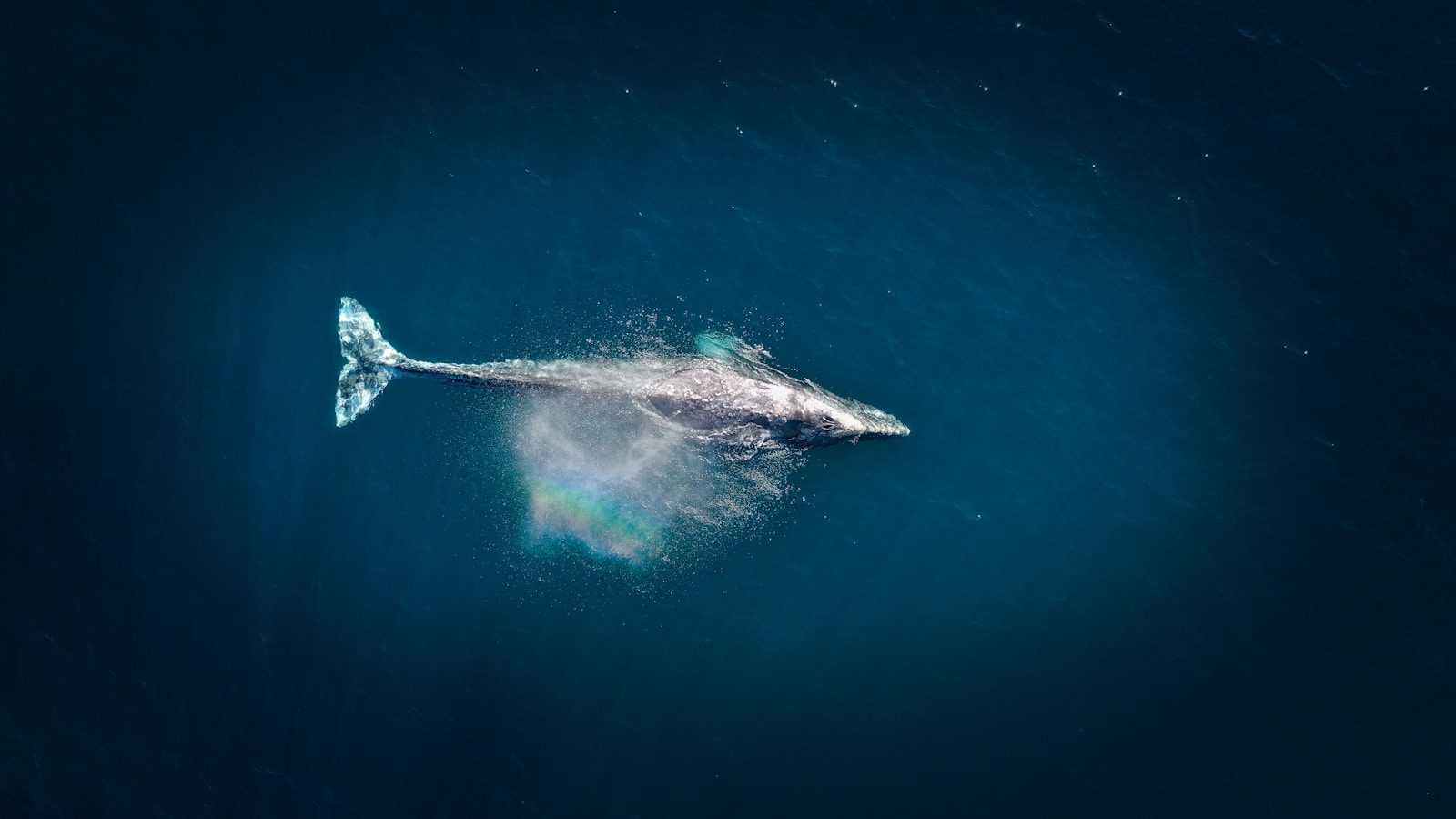
Killer whales, also known as orcas, are among the most successful predators ever to evolve. Their intelligence, communication skills, and ability to cooperate during hunts have allowed them to thrive in oceans across the globe.
Although they are often called whales, orcas are actually the largest members of the dolphin family. Their remarkable story began millions of years ago when the ancestors of all whales and dolphins left life on land and gradually adapted to the sea, becoming the highly specialized marine mammals we know today.
Cetaceans began life on land
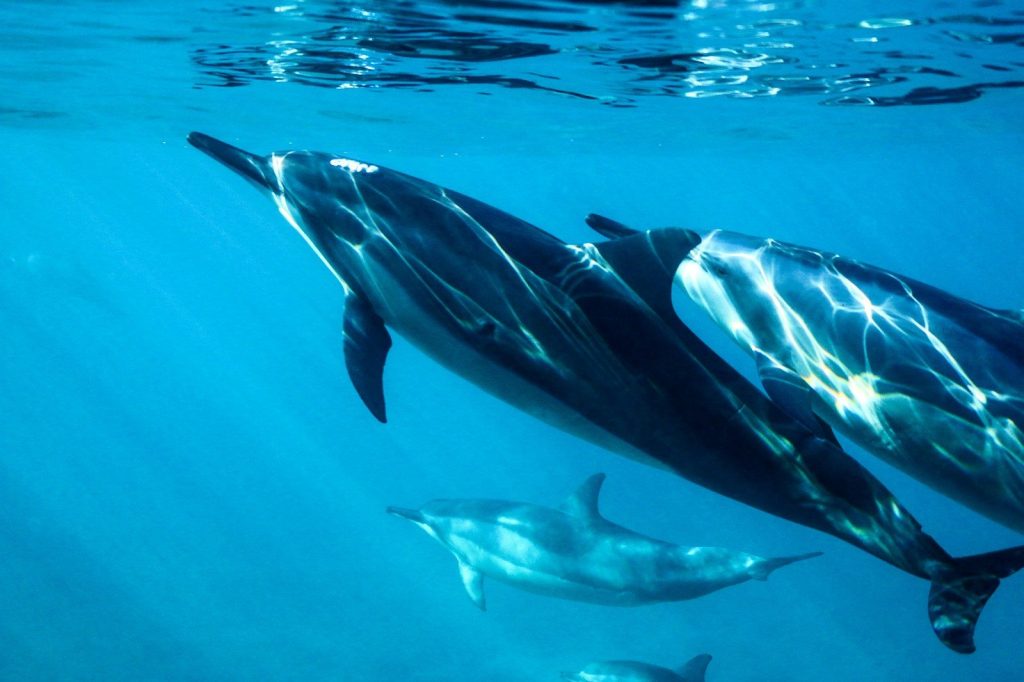
Whales, dolphins, and porpoises belong to a group of mammals called cetaceans. Fossil evidence shows their ancestors walked on land about 50 million years ago before gradually adapting to aquatic life.
Over time, their legs evolved into flippers, tails developed powerful horizontal flukes for swimming, and their nostrils shifted to the top of the head, forming the blowhole used for breathing at the surface.
Dolphins evolved remarkable intelligence
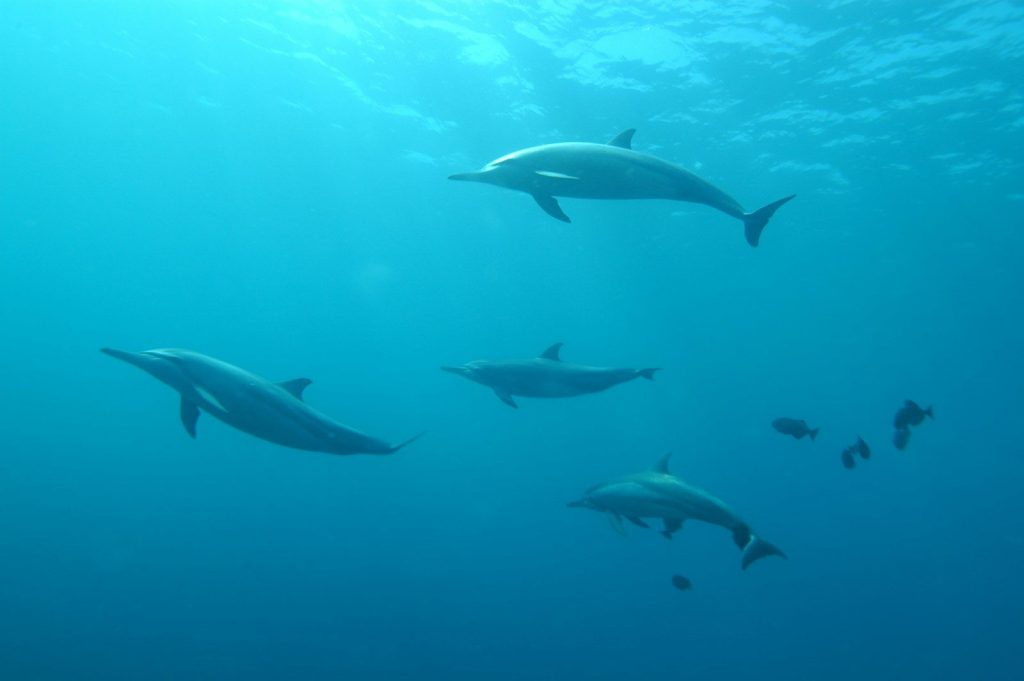
Among toothed whales, dolphins developed exceptionally large brains and advanced communication abilities. They use whistles, clicks, and body language to coordinate with pod members and rely on echolocation to detect prey even in dark or murky water.
These abilities allow dolphins to hunt efficiently while maintaining strong social bonds within family groups.
Orcas mastered cooperative hunting
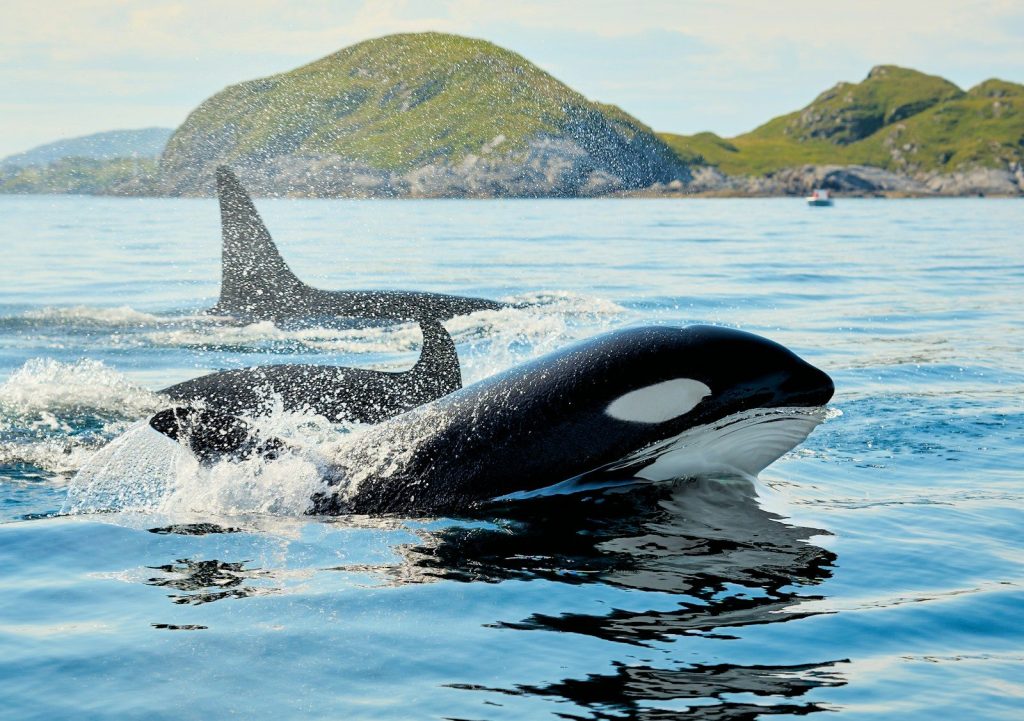
Orcas took social hunting to an extraordinary level. Different populations have developed specialized hunting techniques that are passed from one generation to the next through learning rather than instinct alone.
Some pods create waves to wash seals from floating ice, while others cooperate to hunt sharks, rays, dolphins, or even large whales. These behaviors demonstrate a level of cultural learning rarely seen outside humans and a few other intelligent animals.
Apex predators with diverse diets
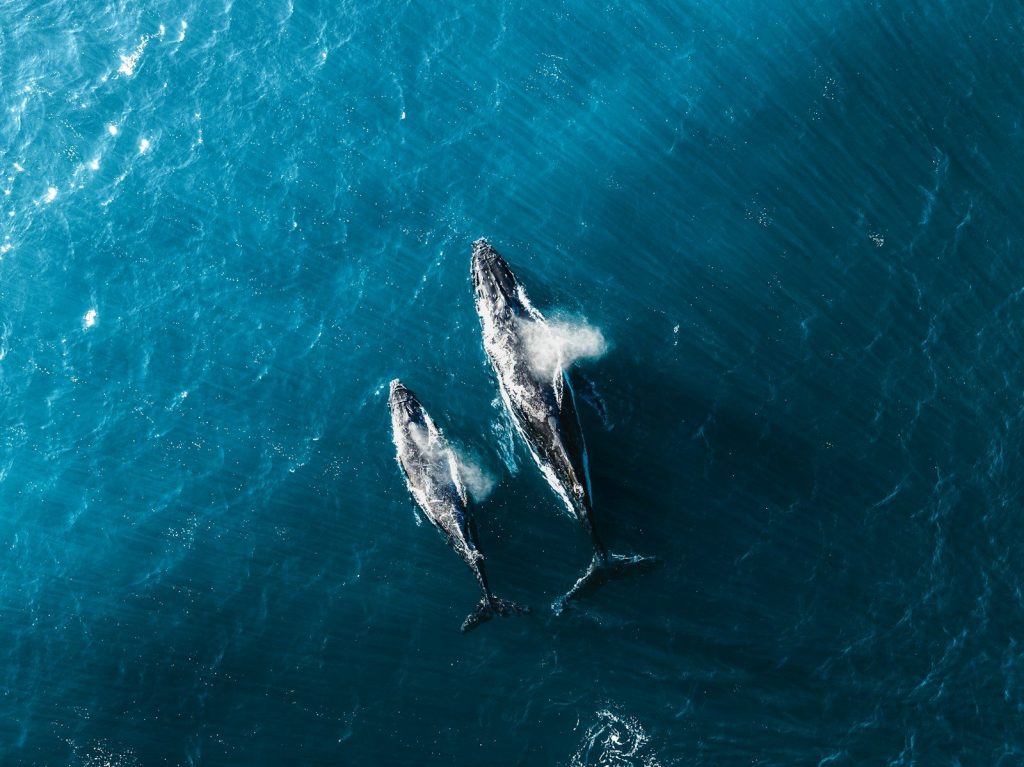
Unlike many predators that specialize in one food source, orcas consume an enormous variety of prey depending on where they live. Different populations focus on fish, squid, seals, sea lions, penguins, sharks, rays, dolphins, and whales.
Recent scientific studies have even documented pods of orcas cooperatively hunting whale sharks and great white sharks, highlighting their remarkable adaptability.
Respecting wildlife during encounters
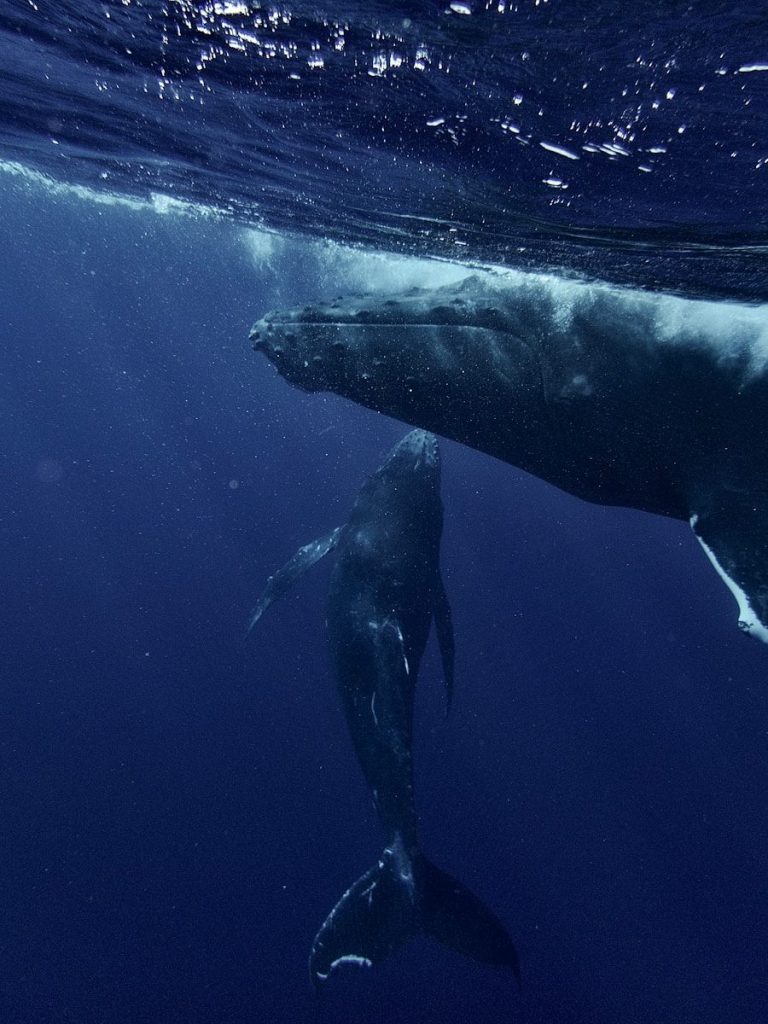
Occasionally, divers and boaters experience close encounters with curious orcas. While these interactions are often peaceful, marine experts strongly advise against attempting to touch, feed, or interact physically with any wild marine mammal.
Giving wildlife space reduces stress on the animals and helps ensure both people and marine mammals remain safe during encounters.
Evolution created an extraordinary predator
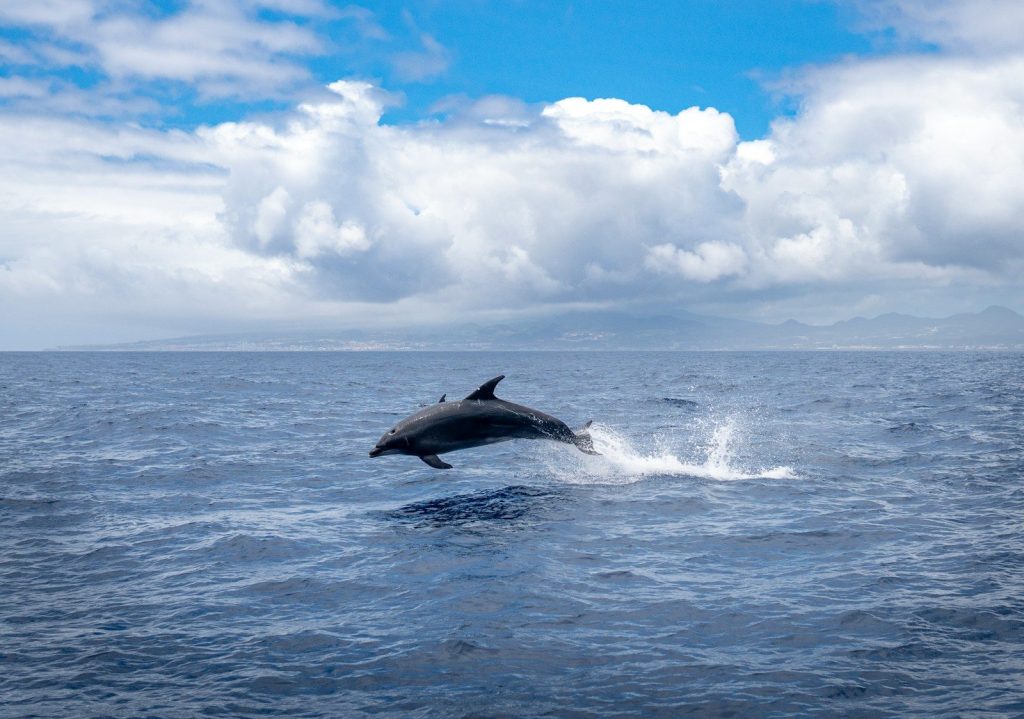
The success of orcas comes from millions of years of evolution combined with intelligence, cooperation, and adaptability. Their ability to solve problems, communicate, and teach hunting techniques has allowed them to occupy the very top of marine food webs around the world.
Studying these remarkable animals continues to improve scientists’ understanding of animal intelligence, social behavior, and the complex ecosystems that sustain life in the oceans.
Leave a Reply