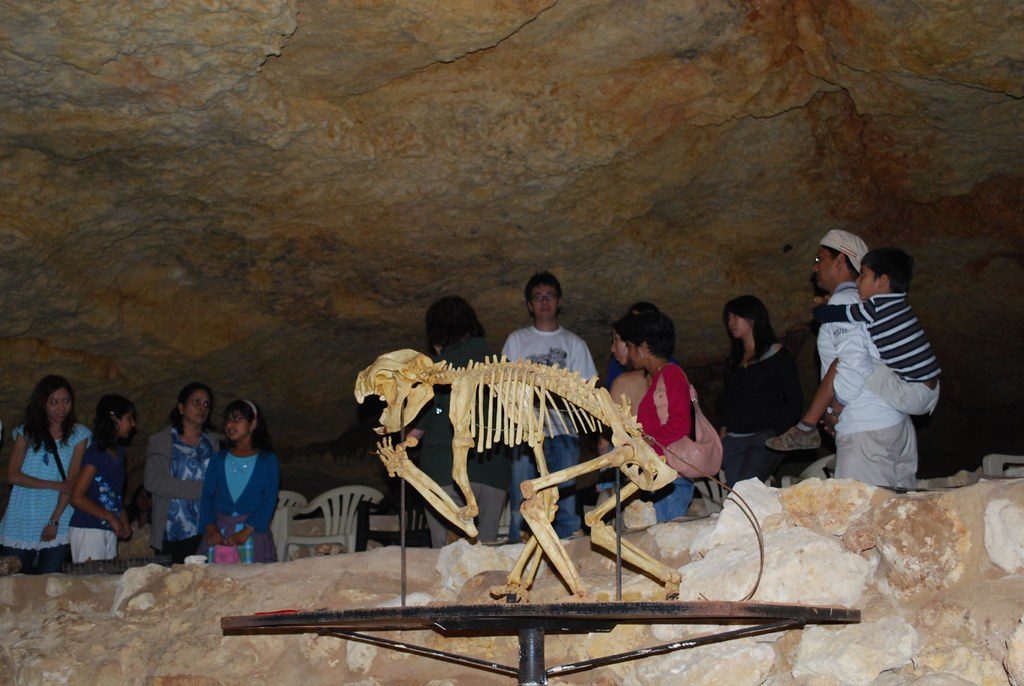
Long before humans reached Australia, one of the continent’s most remarkable predators ruled its forests and woodlands. Known as Thylacoleo carnifex, or the marsupial lion, this powerful hunter combined immense strength with specialized teeth and claws unlike those of any modern mammal.
Although its name suggests a close relationship with lions, it belonged to an entirely different branch of the mammal family tree. Its unusual anatomy and hunting style continue to fascinate scientists studying Australia’s prehistoric megafauna.
The largest mammalian predator in Australia
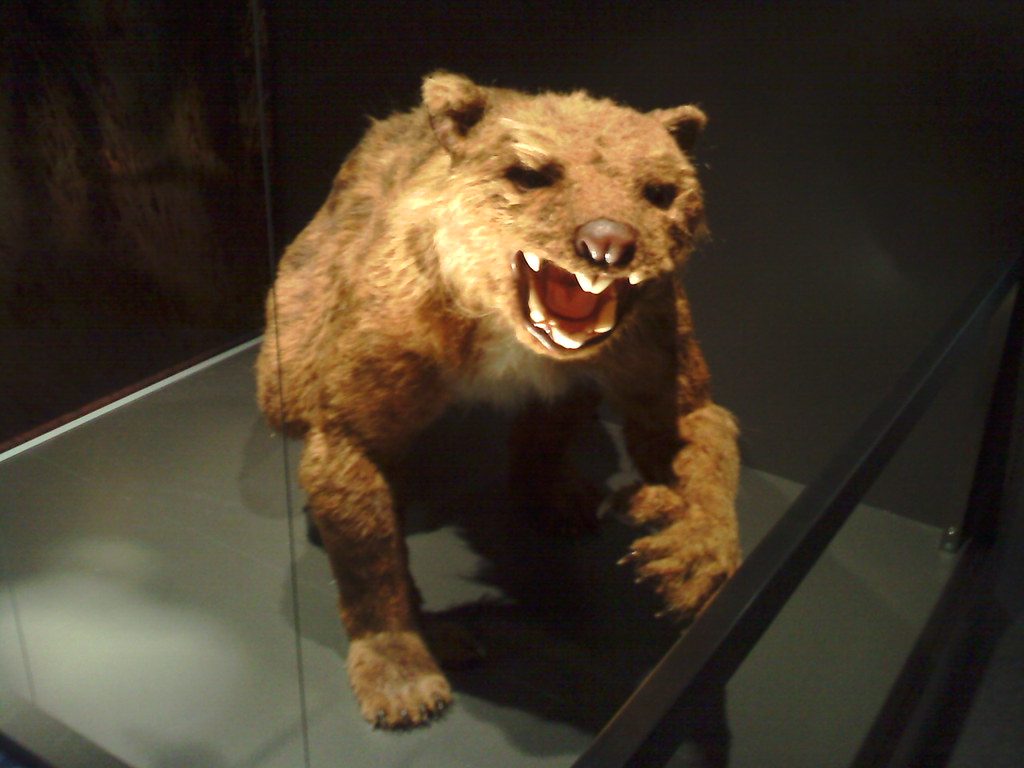
Thylacoleo carnifex lived during the Pleistocene and is recognized as the largest known mammalian carnivore from Australia. It measured about 1.5 meters long, stood roughly 75 centimeters at the shoulder, and weighed well over 100 kilograms.
Despite its relatively compact size compared with some modern big cats, its muscular build and extraordinary bite made it one of the continent’s most formidable predators.
It hunted with teeth unlike any other predator
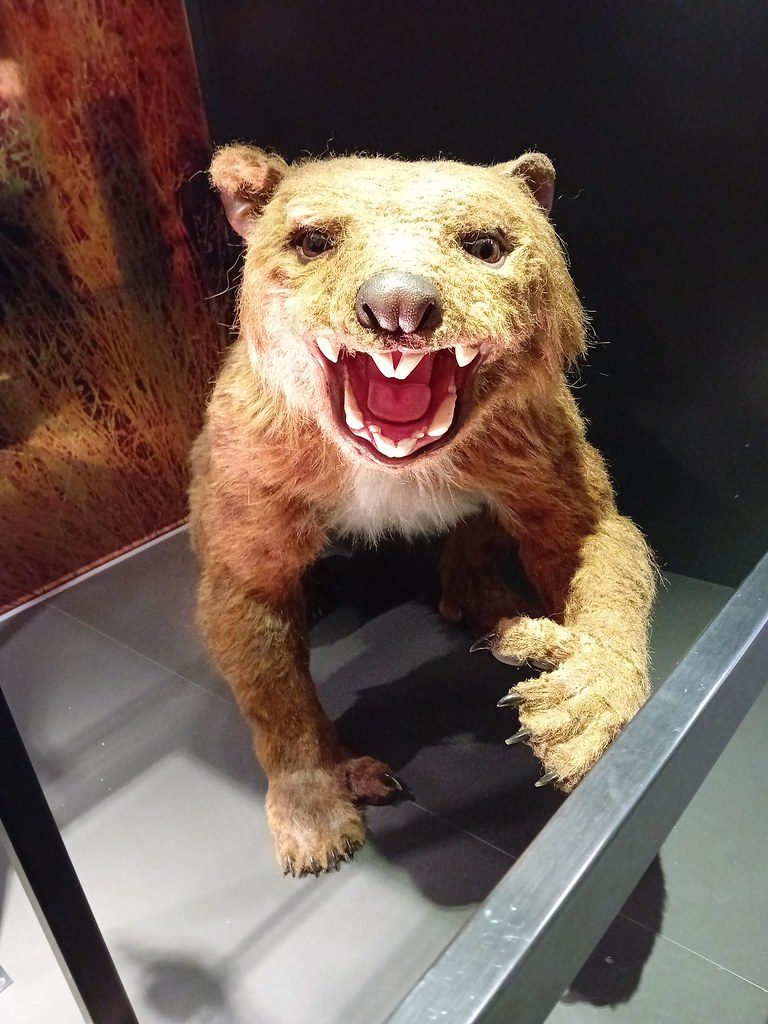
Unlike lions, tigers, or wolves, the marsupial lion did not rely on oversized canine teeth. Instead, it possessed enormous blade-like premolars that functioned like powerful shears, slicing through flesh with remarkable efficiency.
Large forward-facing incisors acted as stabbing teeth, while reduced canine teeth reflected its unique evolutionary history. Studies suggest it had one of the strongest bites relative to body size among all known mammalian predators.
Powerful claws made it an ambush hunter
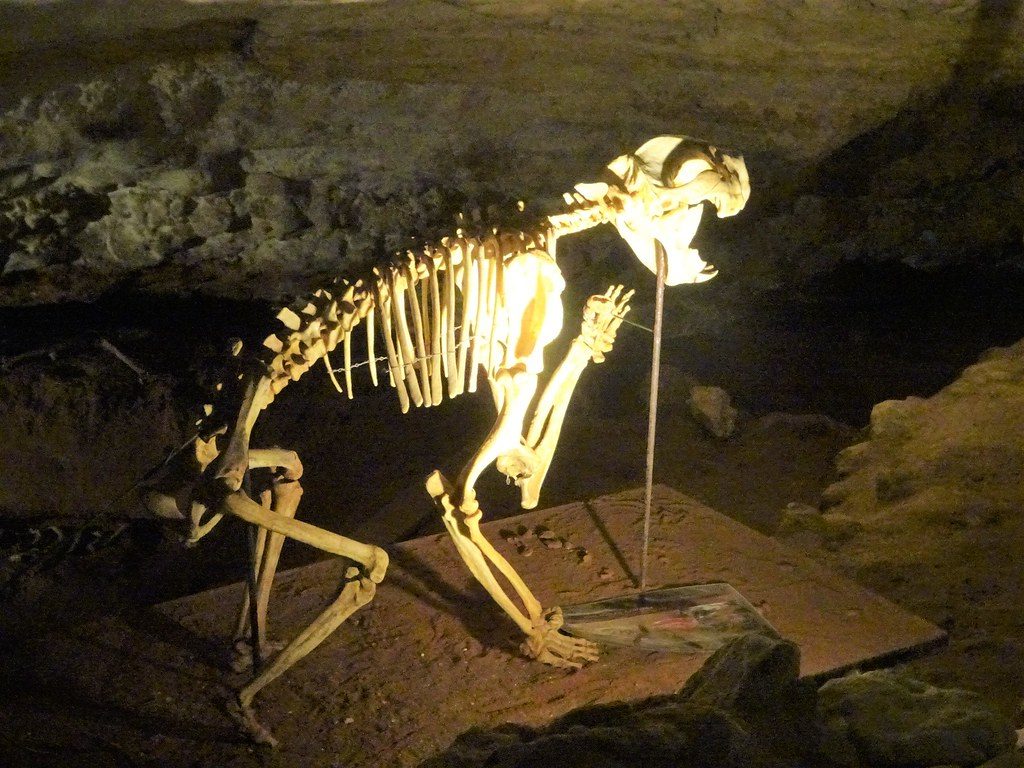
The marsupial lion’s forelimbs were exceptionally strong and ended in large, retractable thumb claws capable of gripping struggling prey. Fossil evidence also indicates that it could climb trees and may have launched surprise attacks from elevated positions.
Its body was not built for long-distance pursuit. Instead, scientists believe it relied on stealth, strength, and sudden bursts of power to overpower large animals.
Its ancestors were peaceful plant eaters
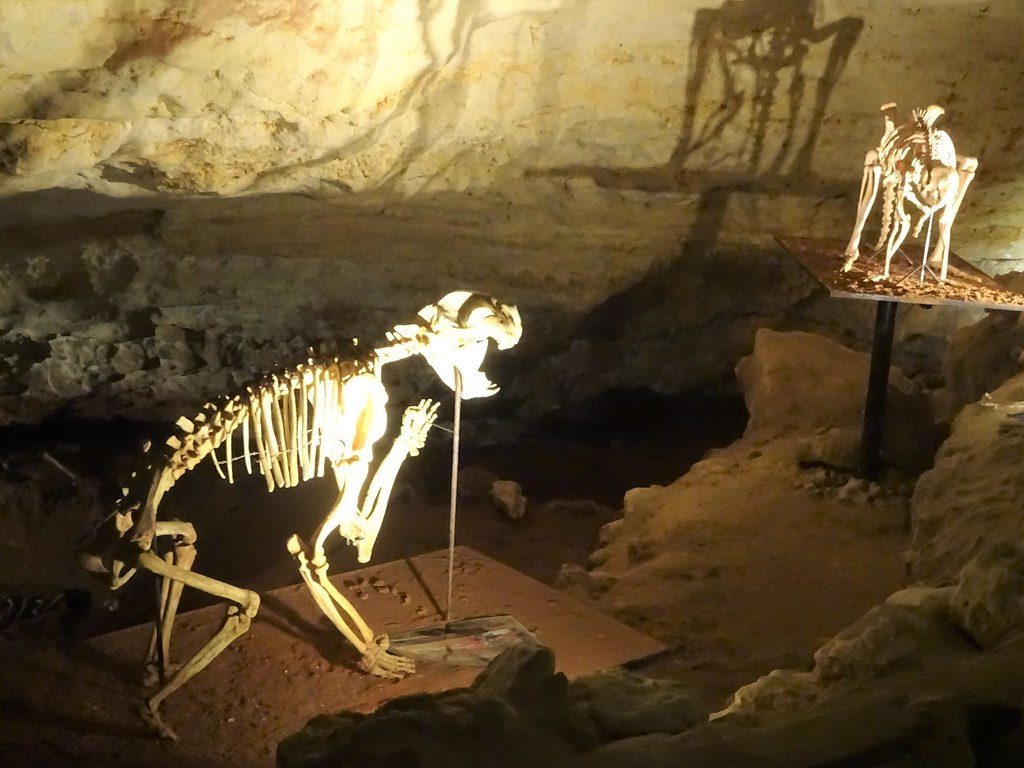
One of the most surprising discoveries about Thylacoleo is its ancestry. Unlike modern carnivores, which generally evolved from meat-eating ancestors, the marsupial lion belonged to the order Diprotodontia, whose living members include koalas, wombats, and possums.
Researchers believe its herbivorous ancestors gradually evolved specialized teeth and hunting adaptations that transformed them into highly efficient predators.
A predator that disappeared with Australia’s megafauna
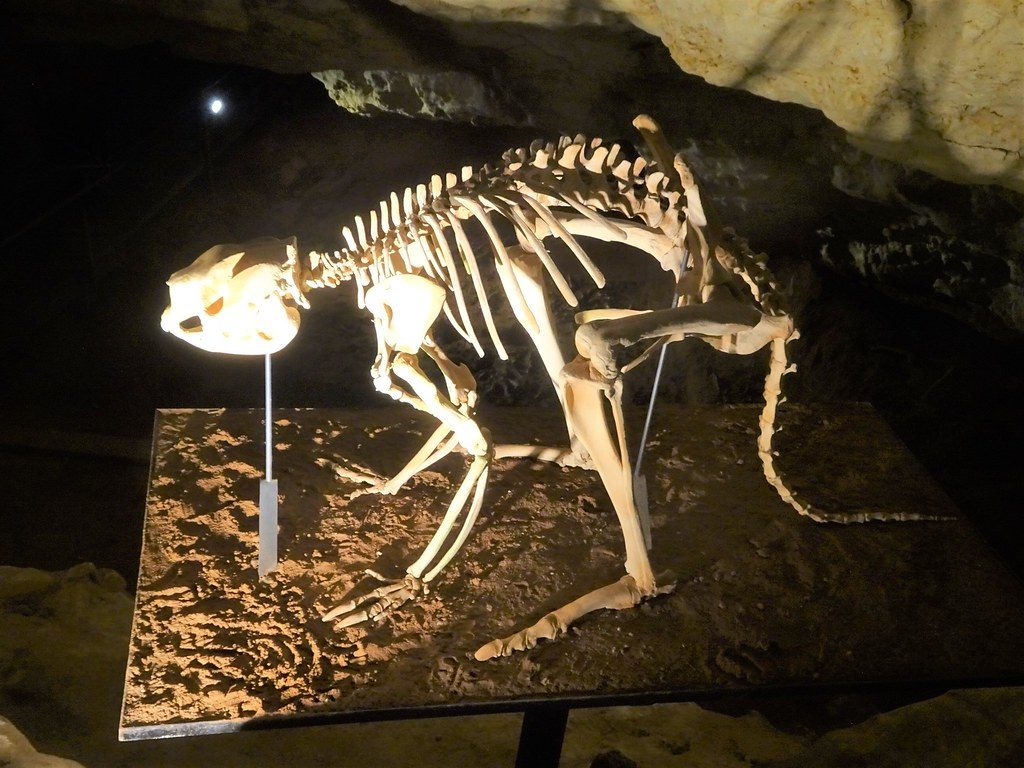
The marsupial lion survived until roughly 40,000 years ago, when much of Australia’s megafauna disappeared. Scientists continue to debate the exact causes, with climate change, human activity, or a combination of both considered the leading explanations.
Although extinct, Thylacoleo remains one of the best-known examples of Australia’s unique evolutionary history and demonstrates how isolated ecosystems can produce predators unlike anything found elsewhere.
A remarkable chapter in Australia’s natural history
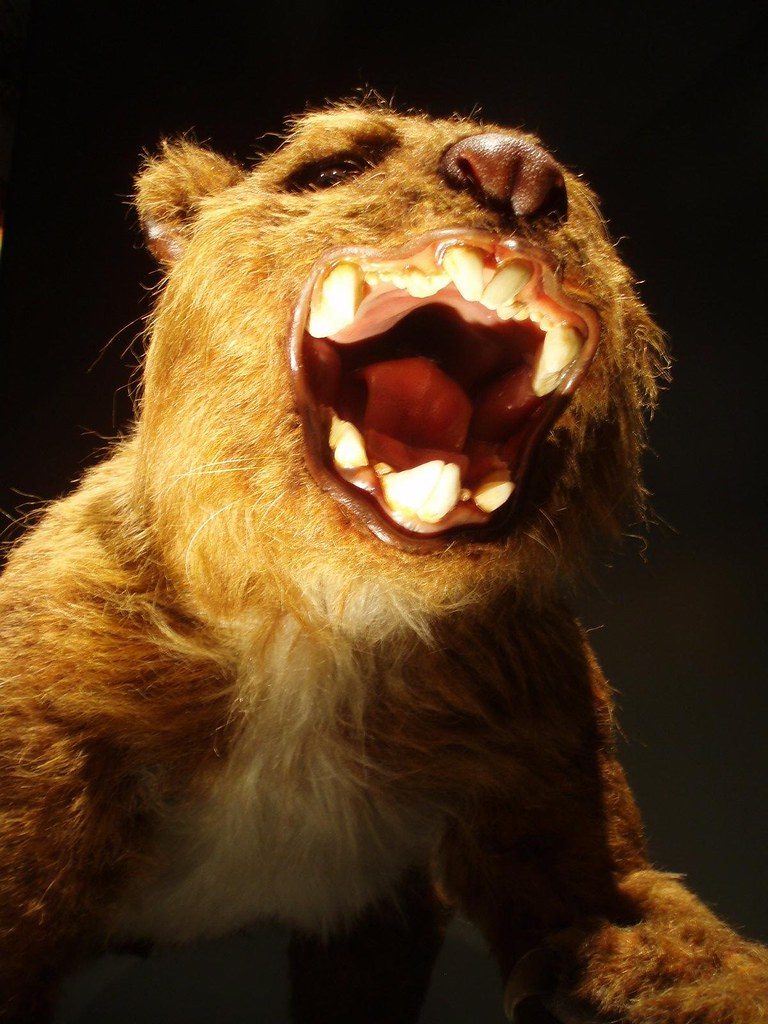
The marsupial lion challenges many assumptions about evolution. A powerful carnivore descended from herbivorous ancestors, it developed specialized slicing teeth, enormous claws, and ambush hunting abilities that made it one of the most distinctive predators ever to walk the Earth.
Its fossils continue to provide valuable clues about prehistoric ecosystems and the extraordinary diversity that once existed across Australia.
Leave a Reply