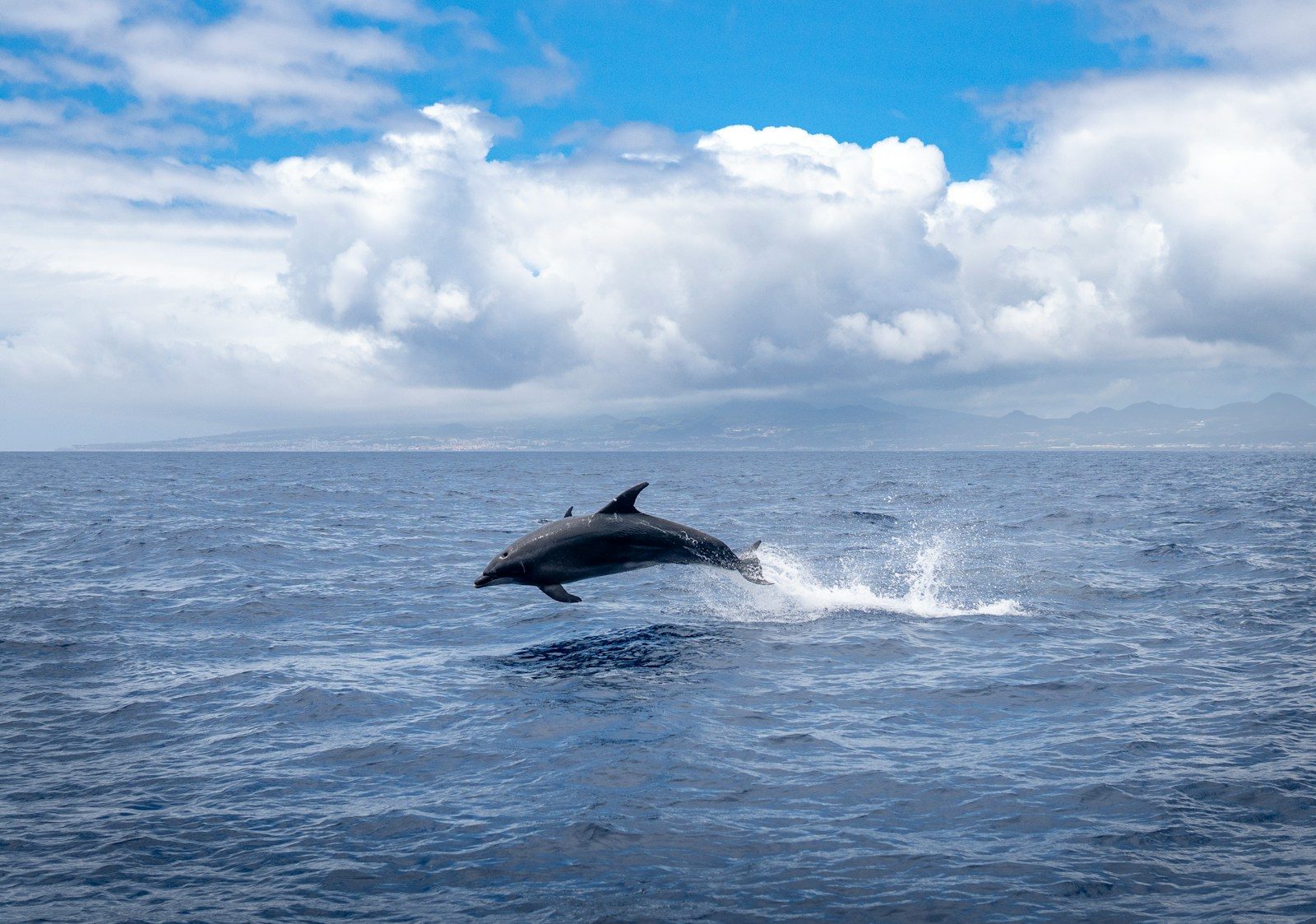
A young dolphin stranded on a beach faced a life-threatening situation as the hot sun and shallow water left it exhausted and unable to return to the ocean on its own. Every passing minute increased the risk of dehydration, overheating, and stress.
Fortunately, a nearby kayaker spotted the struggling marine mammal and quickly stepped in to help. The rescue became a powerful reminder of how rapid human action can sometimes make the difference between life and death for stranded wildlife.
Why dolphins become stranded
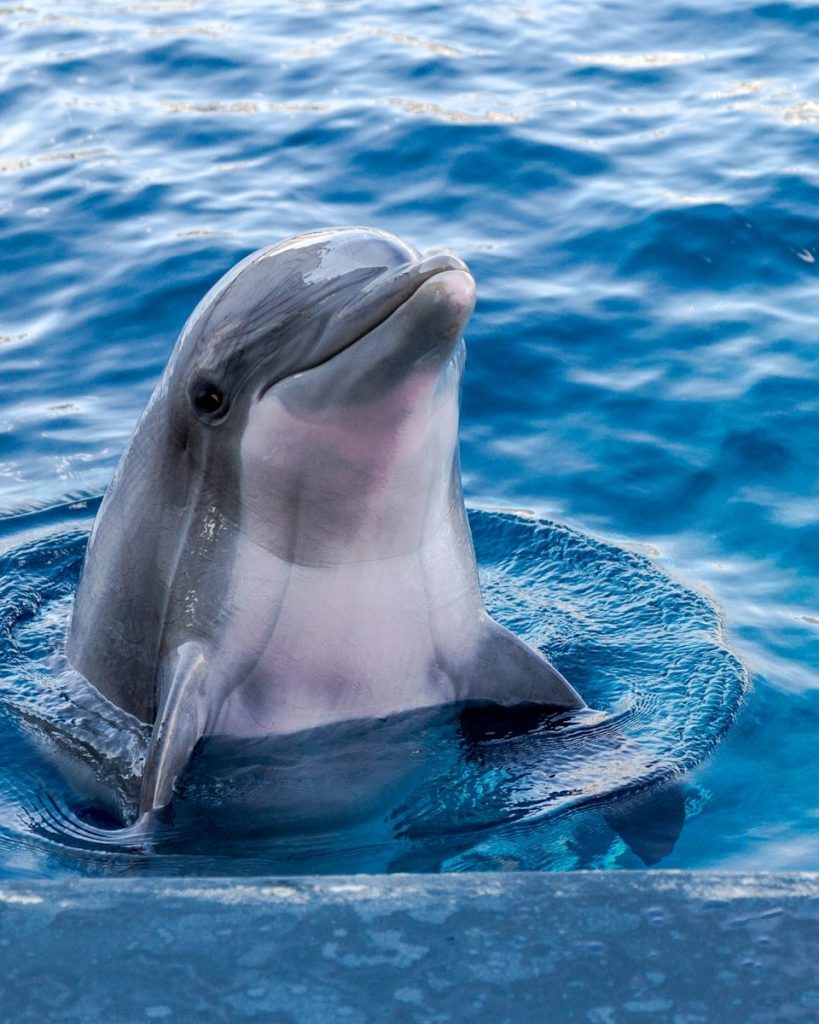
Dolphins can become stranded for many reasons. Illness, injury, tidal changes, rough surf, or accidental navigation into shallow water may prevent them from reaching deeper ocean areas. Young animals are especially vulnerable because they have less experience and fewer energy reserves than adults.
Marine mammal rescue organizations carefully assess each stranded dolphin to determine whether it can safely be returned to the wild or requires medical treatment first.
A rescue before time ran out
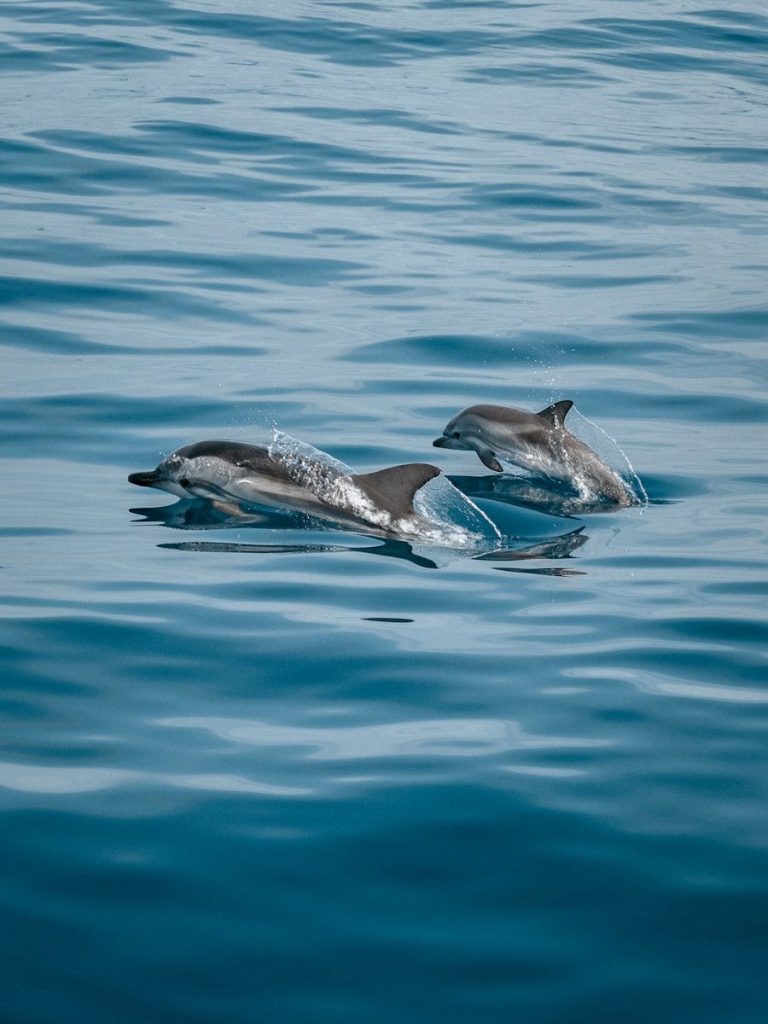
After spotting the stranded dolphin, the rescuer carefully approached and supported the animal while moving it toward deeper water. Minimizing stress and keeping the dolphin’s body properly supported are important during any rescue because marine mammals can be injured if handled incorrectly.
Quick reporting and immediate action are often critical, especially when dolphins are exposed to heat for extended periods.
Returning safely to the sea
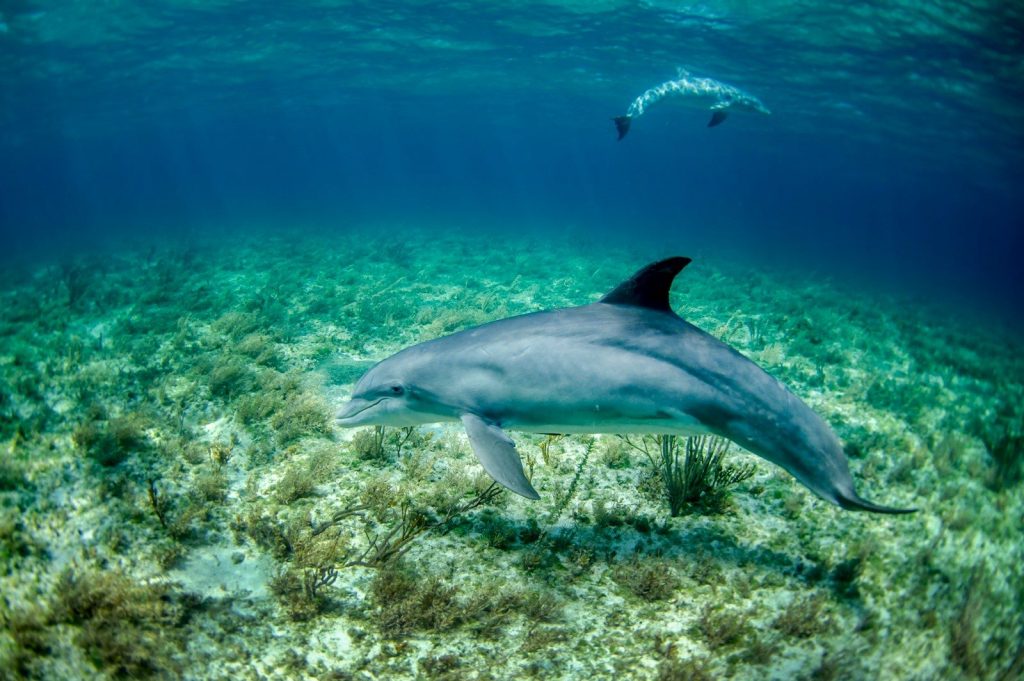
Once the dolphin reached deeper water, it was able to regain buoyancy and begin swimming under its own power. In many successful rescues, rescuers continue watching the animal to ensure it does not immediately return to shore.
If a dolphin repeatedly restrains itself, wildlife professionals may transport it for rehabilitation before considering release.
Why professional rescues matter
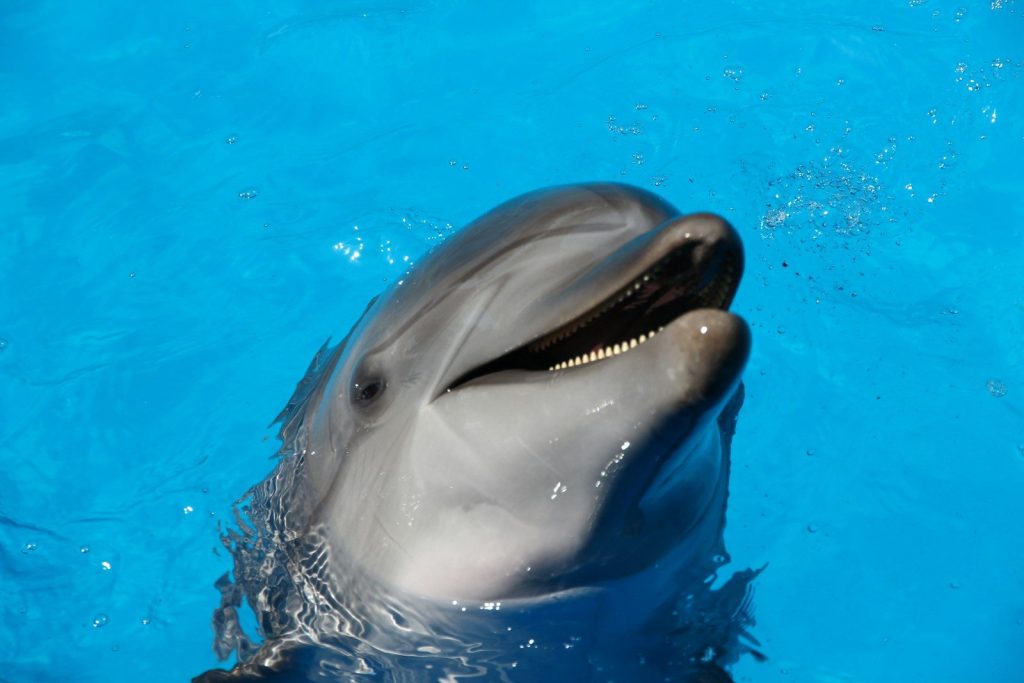
Although well-intentioned people often want to help stranded dolphins, wildlife experts recommend contacting trained rescue organizations whenever possible. Dolphins require specialized handling, and improper rescue attempts can accidentally worsen injuries or place both the animal and rescuers at risk.
Professional teams evaluate the dolphin’s condition before deciding on the safest course of action.
Every rescue highlights ocean conservation
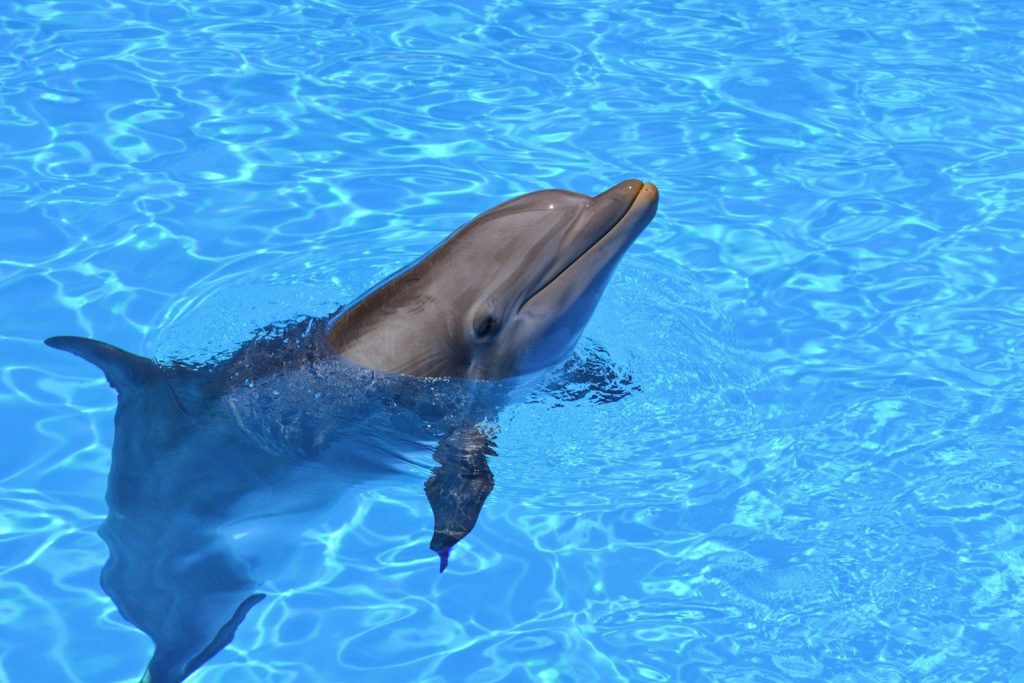
Each stranded dolphin also draws attention to broader challenges facing marine mammals, including pollution, fishing gear entanglement, habitat degradation, and changing ocean conditions. Rescue efforts save individual animals, but long-term conservation depends on protecting the marine environments where dolphins live.
Stories like this inspire greater public awareness while demonstrating the importance of rapid wildlife response when emergencies occur.
Lessons from one successful rescue
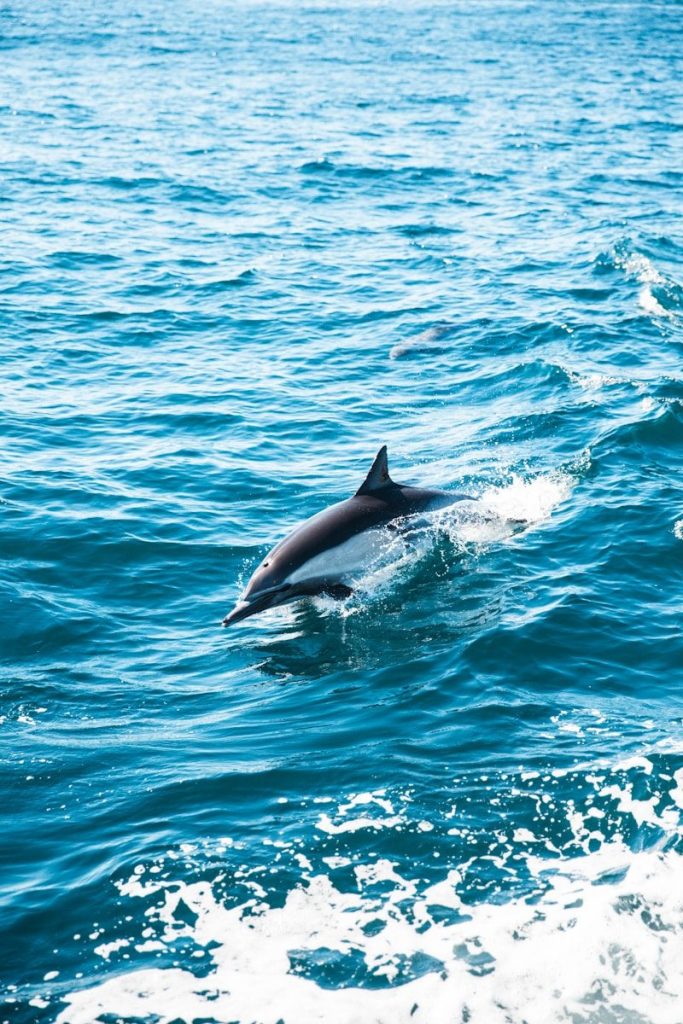
Every stranded dolphin rescue demonstrates both the resilience of marine mammals and the importance of a fast, well-coordinated response. While some dolphins can be safely returned to the ocean, others require medical care because strandings are often linked to illness, injury, or environmental conditions.
Marine experts emphasize that the safest response is to alert trained wildlife organizations rather than attempting a rescue alone. Each successful rescue also reminds us that healthier oceans, cleaner coastlines, and public awareness can reduce the number of marine mammals needing emergency assistance in the future.
Leave a Reply