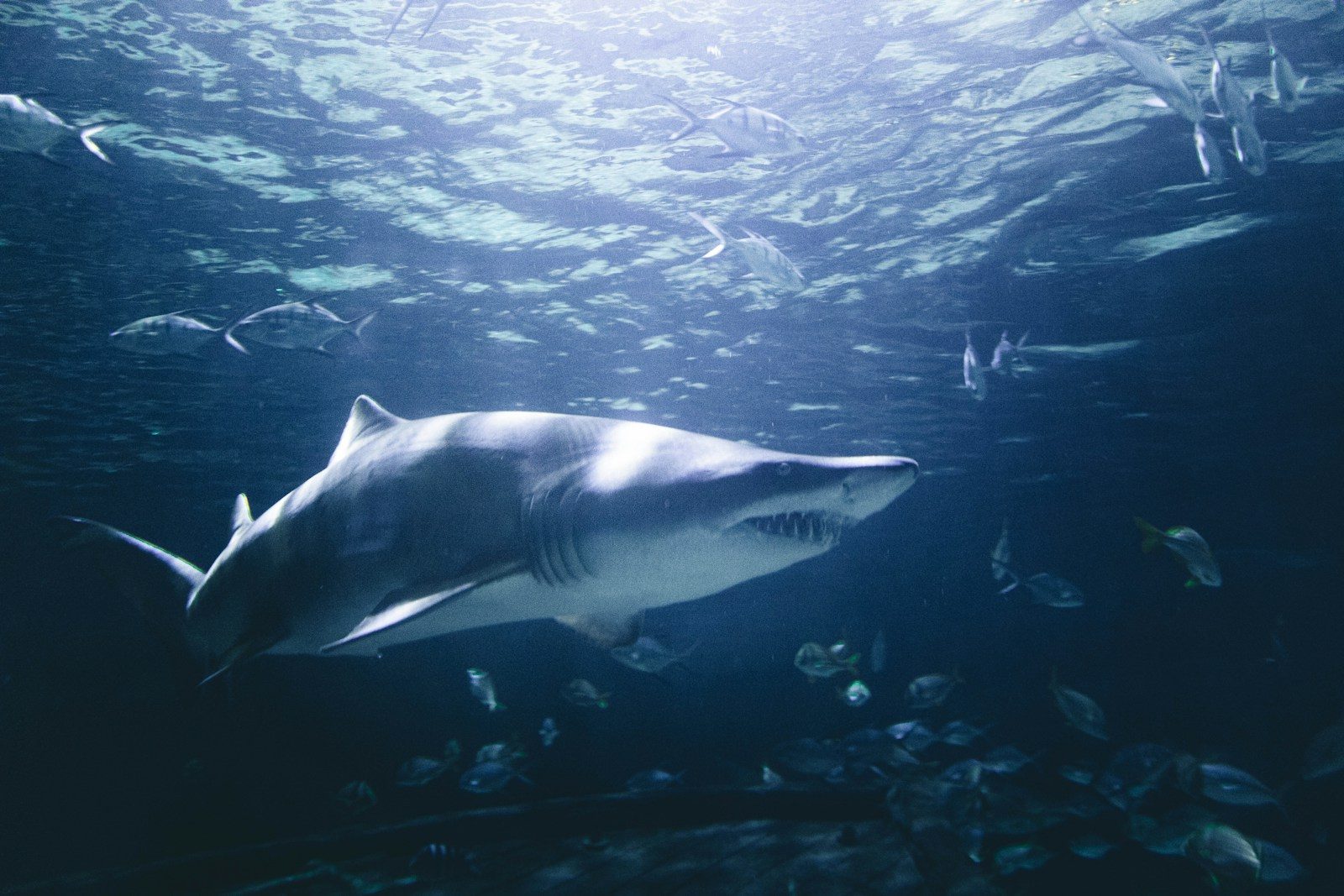
Stories about TV producers ignoring shark safety warnings before filming have raised important questions about safety on wildlife productions. While filming in the ocean can create amazing footage, it also brings real risks that must be carefully managed. Production teams are expected to follow expert advice, assess dangers, and protect everyone on set before cameras start rolling.
This article explains what safety warnings are, why they matter, how shark experts help crews, what can happen when precautions are overlooked, and how modern productions work to reduce the chance of dangerous incidents.
Why shark safety warnings matter
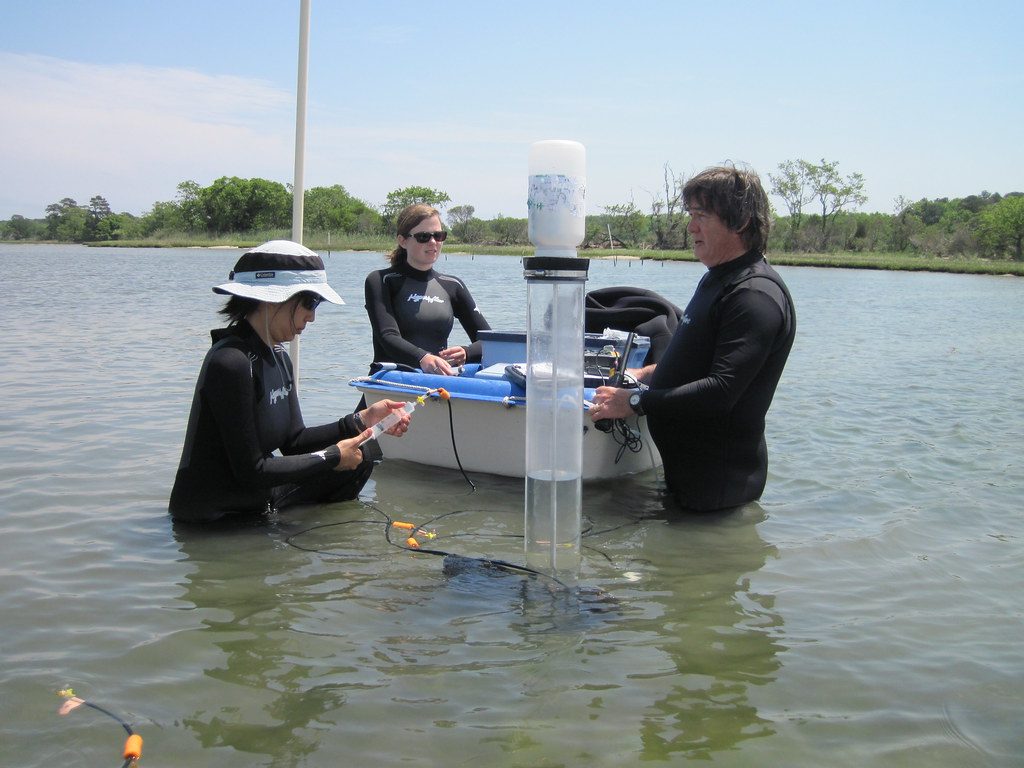
Shark safety warnings are based on expert observations of ocean conditions, shark behavior, weather, and recent sightings. Marine biologists, local authorities, and experienced safety teams often provide guidance before any filming begins. Their advice helps determine whether it is safe to enter the water.
Ignoring these warnings can increase the risk of close encounters with sharks. Although shark attacks on people are rare, filming often places crews in areas where sharks naturally hunt or travel. Careful planning lowers unnecessary risks without disturbing the animals.
How film crews prepare before entering the water

Professional wildlife productions usually spend days or even weeks planning before filming begins. Teams review weather reports, tide charts, water visibility, and recent shark activity. Safety meetings help everyone understand emergency procedures before work starts.
Many productions also hire marine safety experts and experienced divers. Boats remain nearby for quick support, while spotters watch the water from the surface. These steps help crews respond quickly if conditions suddenly change.
What can happen when warnings are ignored?
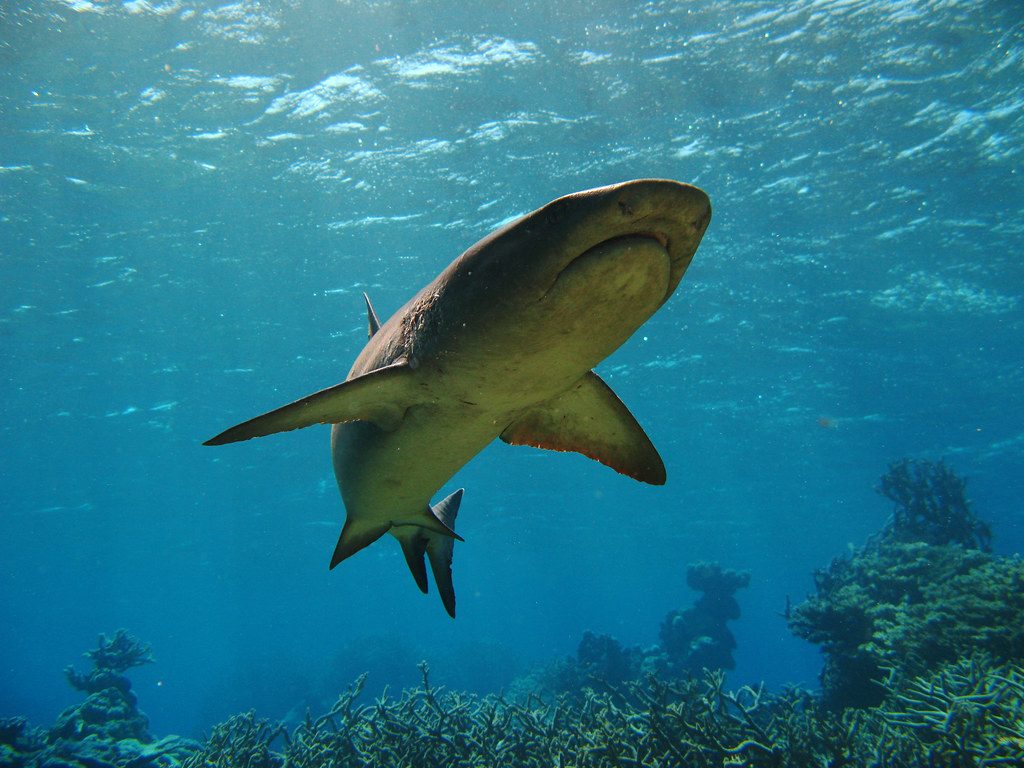
When safety advice is not followed, the danger to cast and crew can rise quickly. Poor water visibility, bait fish, changing currents, or recent shark sightings may create conditions that experts consider unsafe for filming.
Even if no one is injured, an incident can stop production, damage equipment, and delay filming. Investigations may examine whether proper safety procedures were followed and whether decisions made before filming increased the level of risk.
The role of shark experts during filming
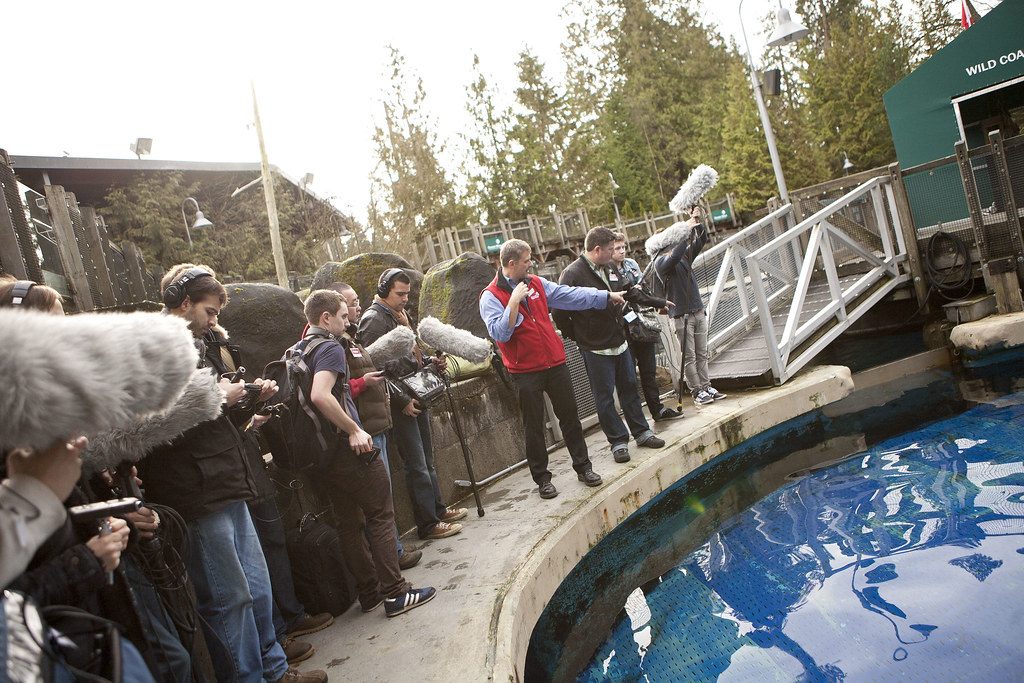
Marine biologists and shark specialists understand how different shark species behave in different environments. They help identify times and places that may be safer for filming while reducing disturbance to wildlife.
These experts also teach crews how to react if a shark appears nearby. Staying calm, leaving the water in an orderly way, and avoiding sudden movements are common parts of safety training. Their guidance supports both human safety and shark conservation.
Lessons the television industry has learned
The television industry has improved many of its wildlife filming practices over the years. Productions now rely more on detailed risk assessments, experienced marine coordinators, and stronger emergency plans before cameras roll.
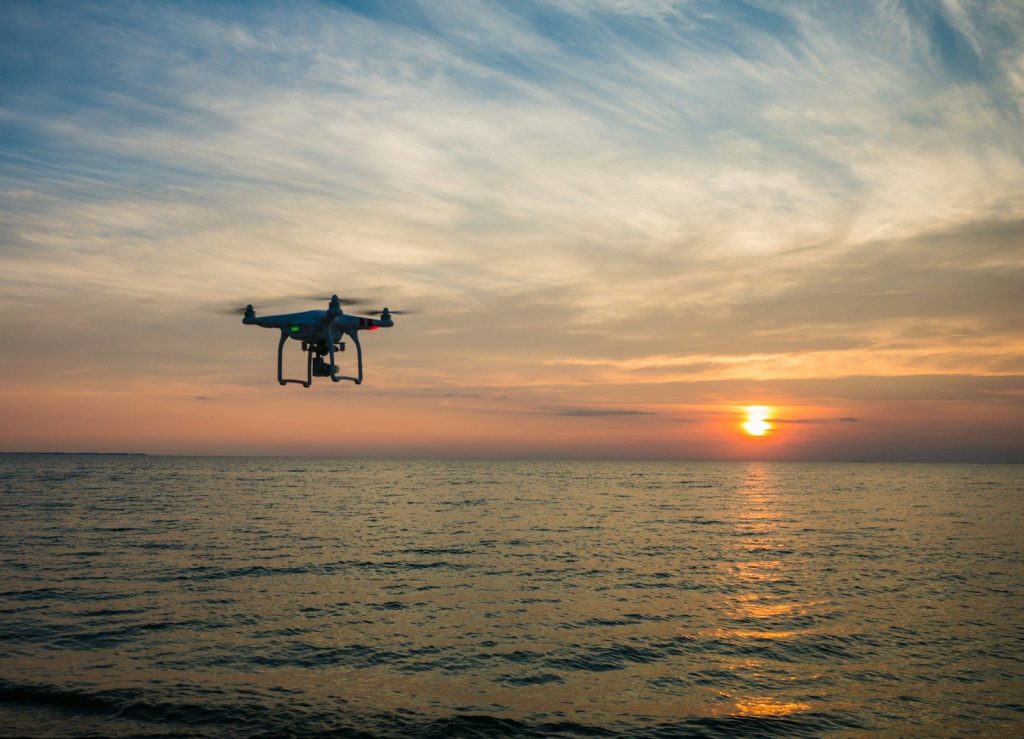
Technology has also made filming safer. Drones, remote cameras, underwater camera systems, and long-range lenses can capture dramatic shark footage without placing people unnecessarily close to wild animals. These tools allow filmmakers to record natural behavior while keeping crews at a safer distance.
Why safety should always come first
Great wildlife documentaries depend on careful planning as much as beautiful camera work. Exciting footage should never come at the cost of human safety or unnecessary risks to wildlife. Responsible productions recognize that protecting people and respecting animals go hand in hand.
Following expert warnings also builds public trust. Viewers expect filmmakers to act responsibly when working around powerful wild animals like sharks. Strong safety practices help ensure that remarkable ocean stories can continue to be filmed without preventable incidents.
Featured Image: Photo by Hunter Newton on Unsplash
Leave a Reply