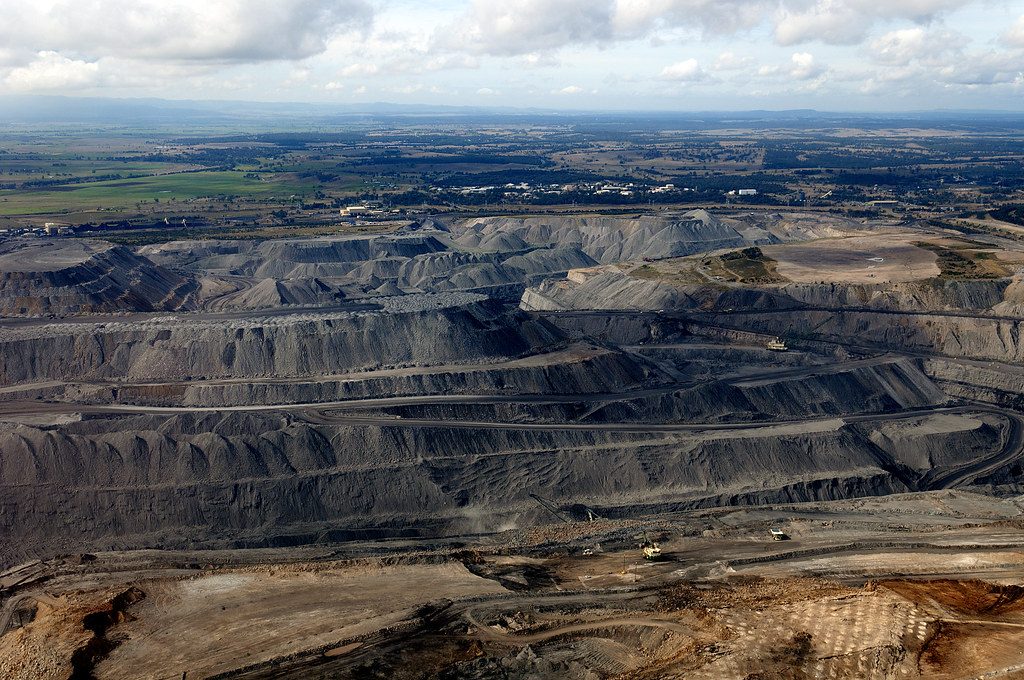
A coal mine fossil identified as the remains of a 50-foot prehistoric snake has amazed scientists and the public alike. The discovery came from ancient rocks that preserved the bones of one of the biggest snakes known to science. By studying these fossils, researchers learned more about how giant snakes lived after the dinosaurs disappeared.
This article explains where the fossil was found, how experts identified it, how large the snake really was, what it ate, and why this discovery is important for understanding Earth’s ancient past.
The fossil was found in an ancient coal mine
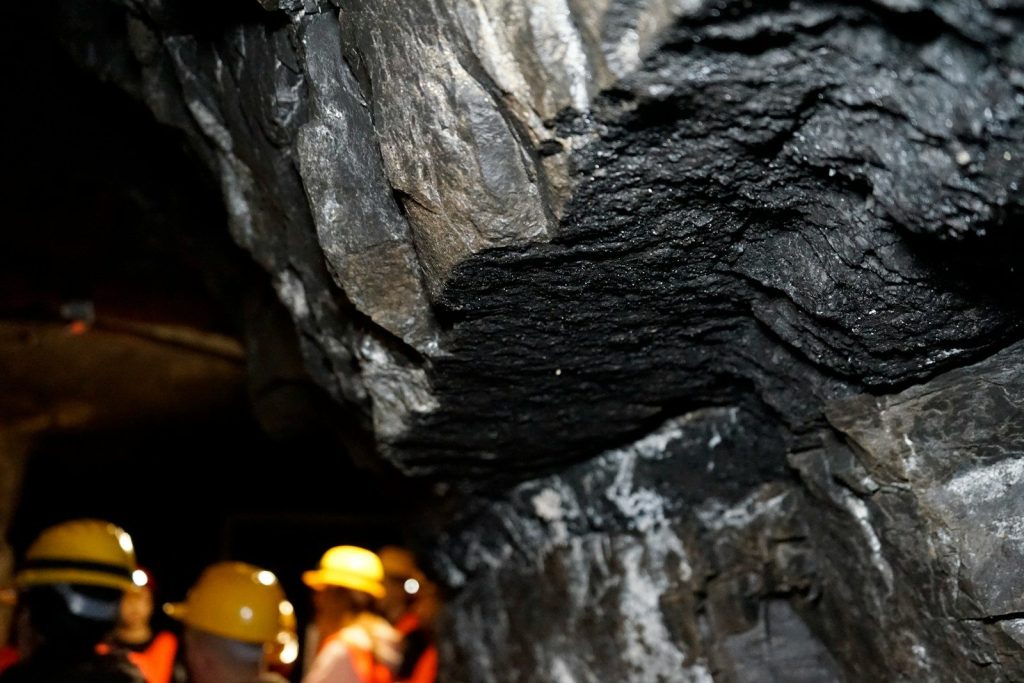
The giant snake fossils were discovered in the Cerrejón coal mine in northern Colombia. The rocks at the site date to about 58 to 60 million years ago, only a few million years after the mass extinction that ended the age of the dinosaurs.
Scientists first found large fossil bones that looked unusual because of their size. After careful study in museums and laboratories, they confirmed the bones belonged to a giant snake that was later named Titanoboa cerrejonensis. The fossils included many vertebrae, which helped experts estimate the snake’s size.
How scientists identified the prehistoric snake

The fossil bones were compared with the skeletons of living snakes, especially boas and anacondas. The shape and size of the vertebrae matched those of members of the boa family but were much larger than any snake alive today.
Researchers used measurements from modern snakes to estimate the animal’s length and weight. The evidence showed that Titanoboa likely measured between 42 and nearly 50 feet long, making it the largest snake currently known from the fossil record.
How big Titanoboa really was
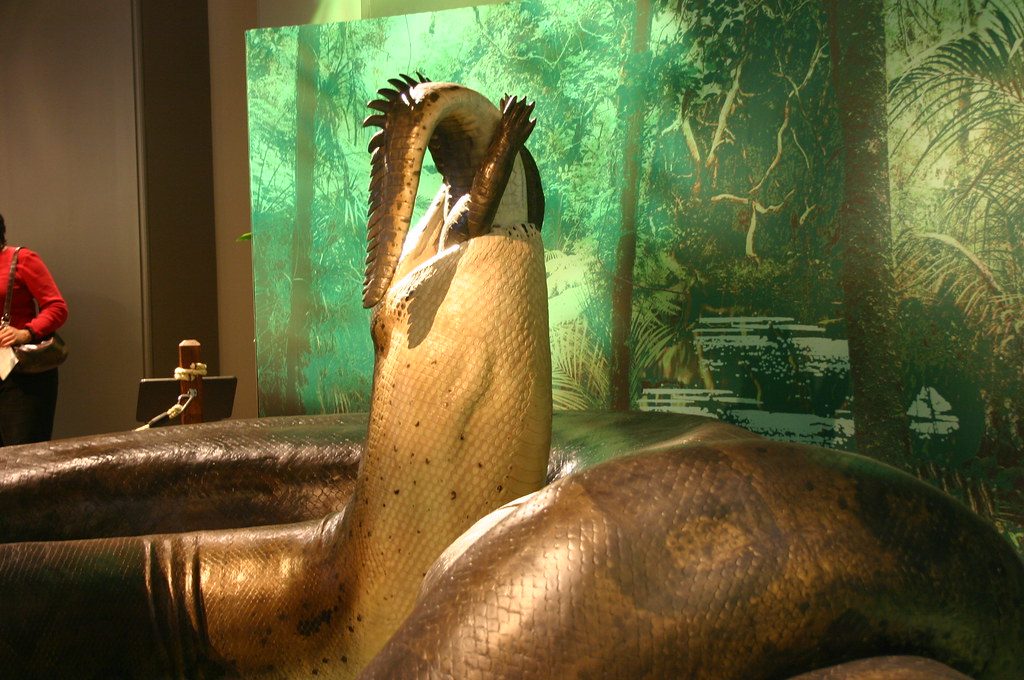
Titanoboa was far larger than today’s biggest snakes. Scientists estimate it weighed around 2,500 pounds, or more than one metric ton. At its widest point, its body may have reached about 3 feet across.
Its huge size made it one of the top predators in its ecosystem. Like modern boas and anacondas, Titanoboa was not venomous. Instead, it likely captured prey by wrapping its powerful body around the animal and squeezing until it could no longer breathe.
The world where the giant snake lived
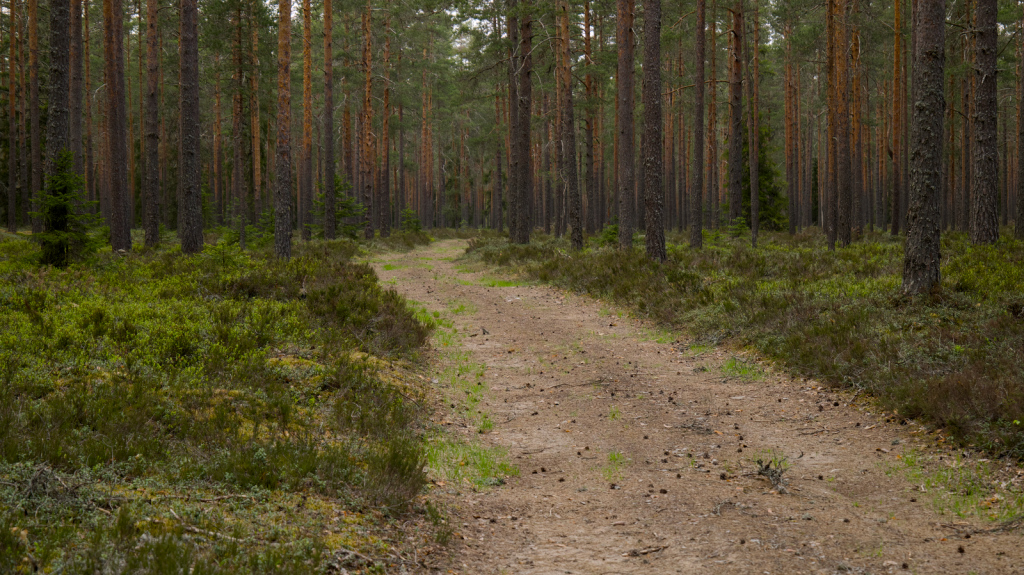
Titanoboa lived in a warm, wet tropical rainforest filled with rivers and swamps. The area supported giant crocodile relatives, large turtles, fish, and many kinds of plants that formed one of the earliest known tropical rainforests in the Americas.
Scientists believe Earth’s climate was much warmer than it is today. Cold-blooded animals like snakes depend on outside temperatures to regulate their bodies, so the warm environment likely helped Titanoboa grow much larger than modern snakes can.
Why this discovery matters
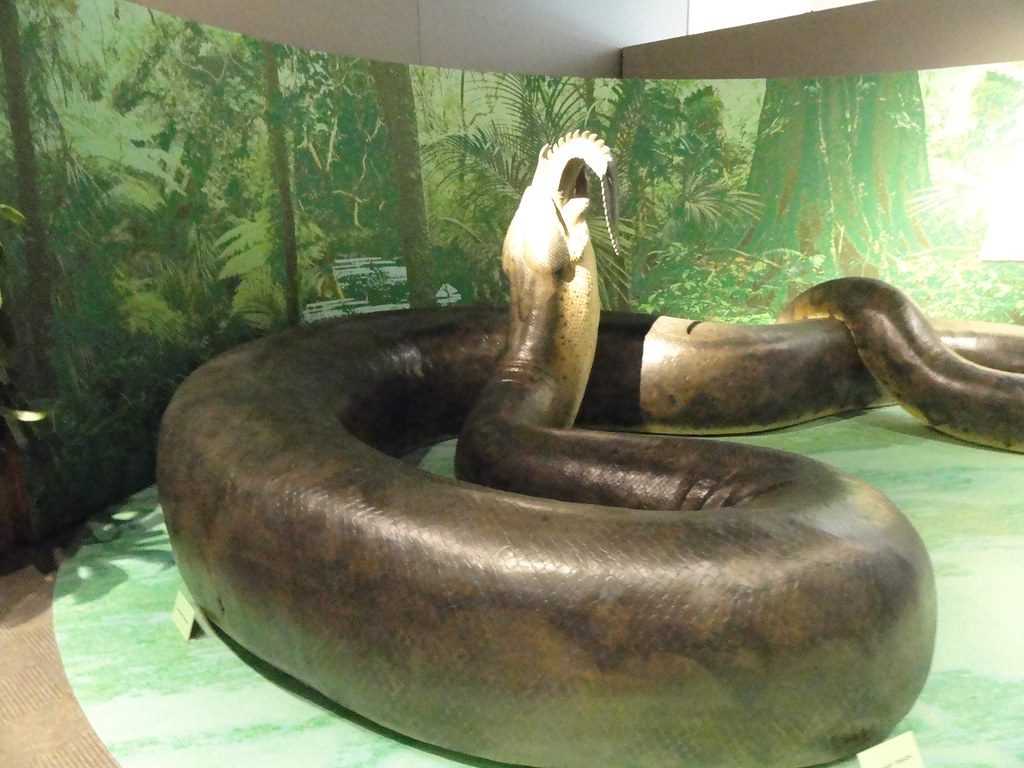
The fossil shows that giant reptiles continued to thrive after the dinosaurs became extinct. It also gives scientists valuable clues about how animals recovered and evolved during the early Paleocene period.
The discovery has also helped researchers study ancient climates. Because snake size is linked to temperature, Titanoboa provides evidence that tropical regions were significantly warmer millions of years ago than they are today.
What scientists continue to study

Although many Titanoboa fossils have been found, researchers are still learning about its behavior and daily life. Studies continue to examine how it hunted, how quickly it grew, and how it fit into its ancient ecosystem.
Scientists are also comparing Titanoboa with other giant prehistoric snakes discovered in different parts of the world. Each new fossil helps improve our understanding of snake evolution and reveals more about the incredible diversity of life that existed long before humans.
Leave a Reply