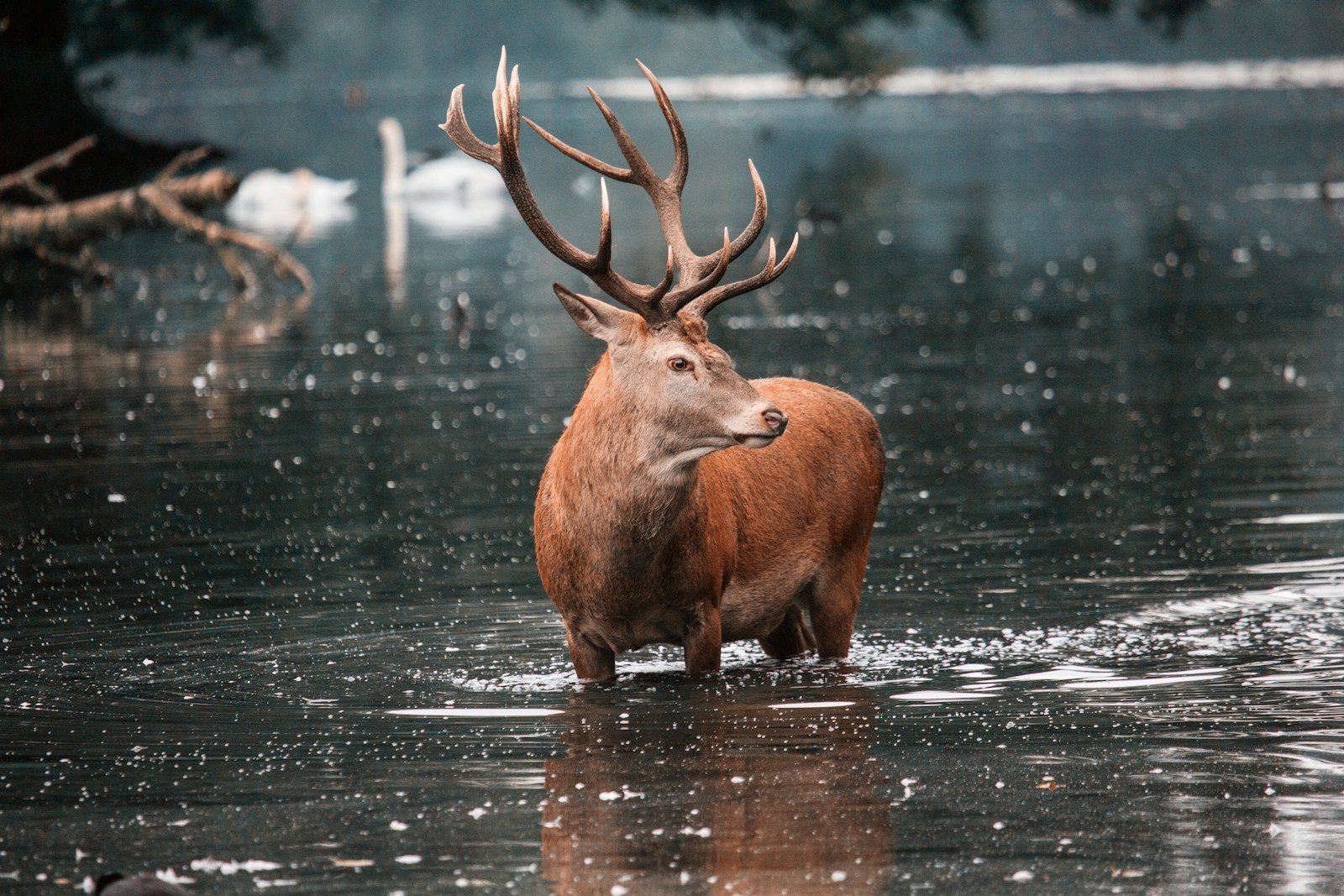
A deer rescued from a frozen lake during a police drone operation is a powerful example of how technology can help save wildlife. When three deer became trapped in icy water far from shore, rescue crews faced a difficult problem. Walking onto the thin ice was too dangerous, and approaching by boat could have pushed the animals farther away.
Instead, officers used a police drone to guide the deer toward safety. This article explains how the rescue happened, why the drone worked, and what this event teaches about protecting both people and wildlife.
How the deer became trapped
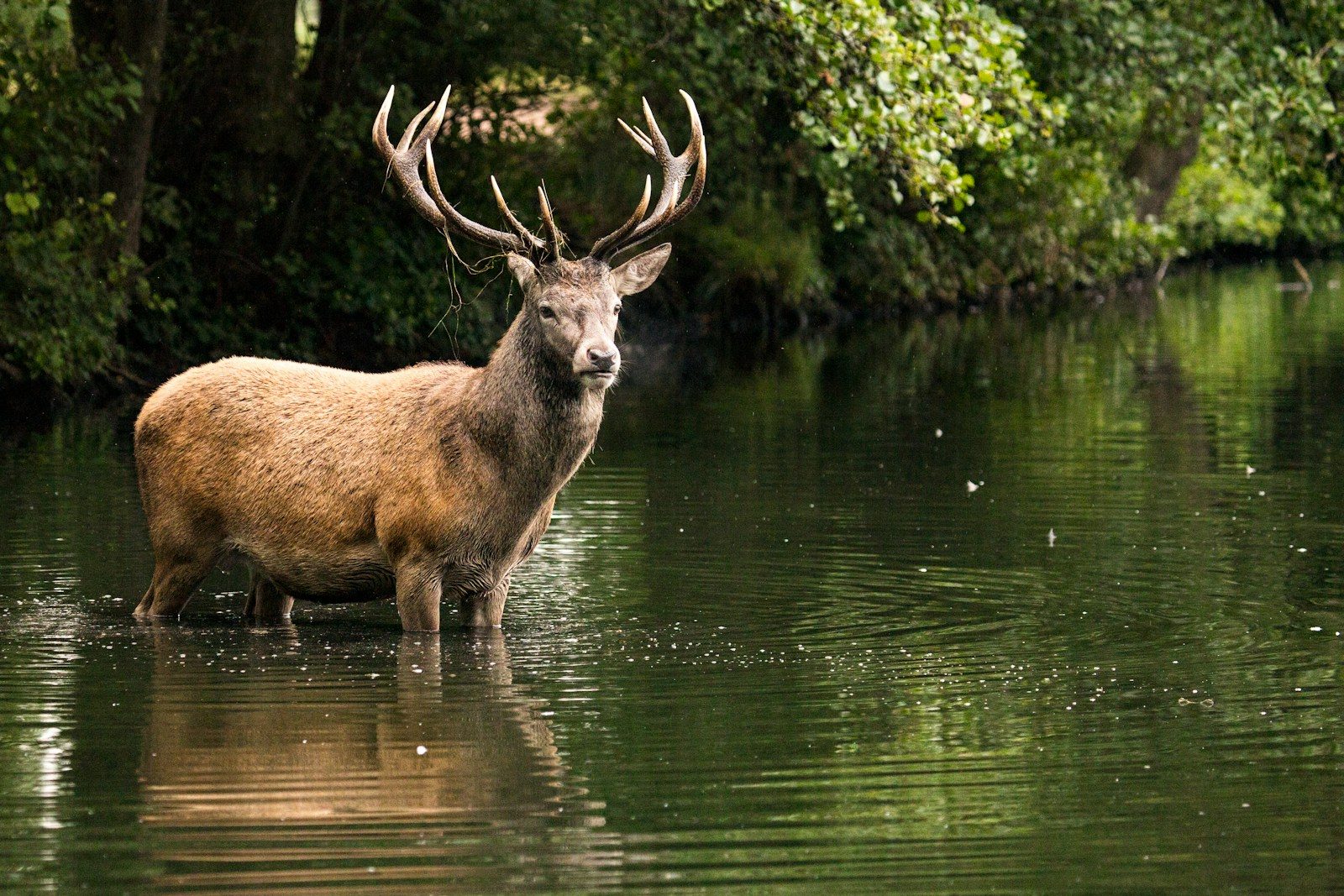
The rescue happened on Big Green Lake in Wisconsin after a doe and her two fawns fell through thin ice. The three deer ended up about 200 yards from shore in cold water surrounded by unstable ice, making it nearly impossible for them to climb out.
People who spotted the struggling animals called the Green Lake County Sheriff’s Office for help. Officers quickly realized that a normal rescue would be risky because the ice could break under rescuers or frighten the deer into swimming even farther away.
How the police drone helped
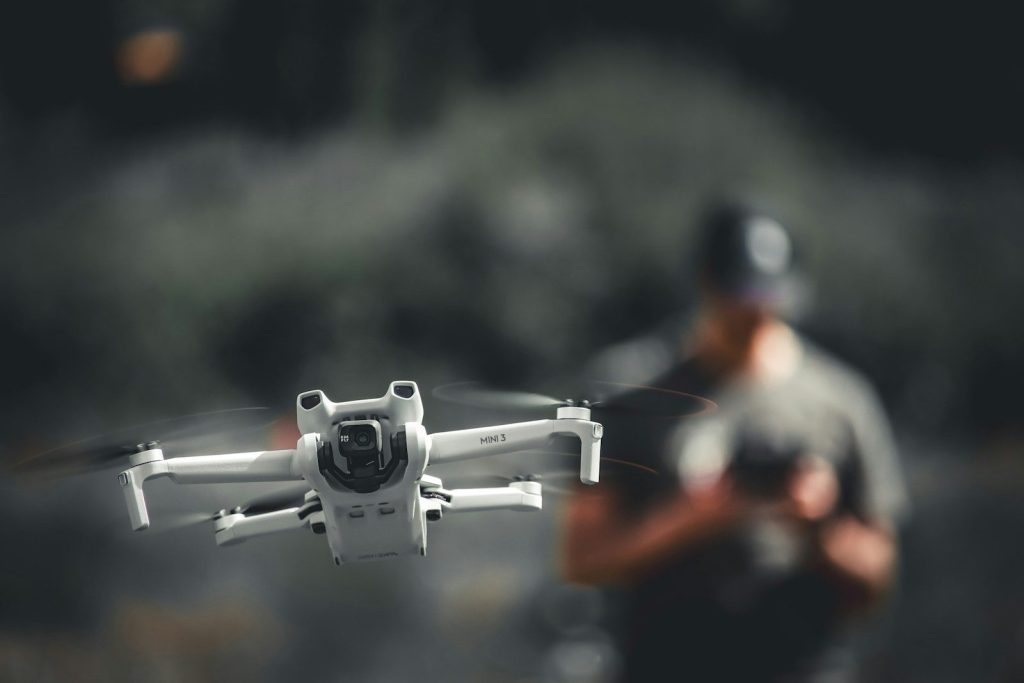
Instead of sending people onto the ice, deputies launched a police drone. They carefully flew it behind the deer, using the drone’s sound and movement to gently encourage the animals to swim toward the shoreline.
The plan worked because the deer naturally moved away from the buzzing drone. As they headed closer to land, rescue teams stayed ready to help once the animals reached shallow water.
The final steps of the rescue
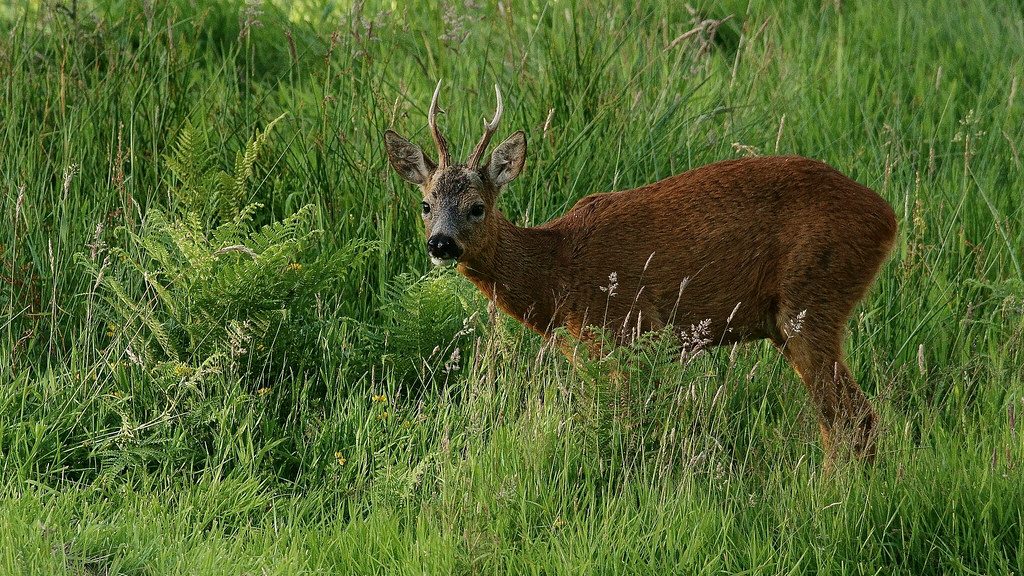
Two of the deer reached shore on their own after following the path created by the drone. The third deer became exhausted before reaching land, so responders used a rope to pull it safely onto shore.
The entire rescue depended on teamwork between sheriff’s deputies and wildlife officials. All three deer survived the operation and safely left the area after recovering from the cold.
Why the drone was the safest choice
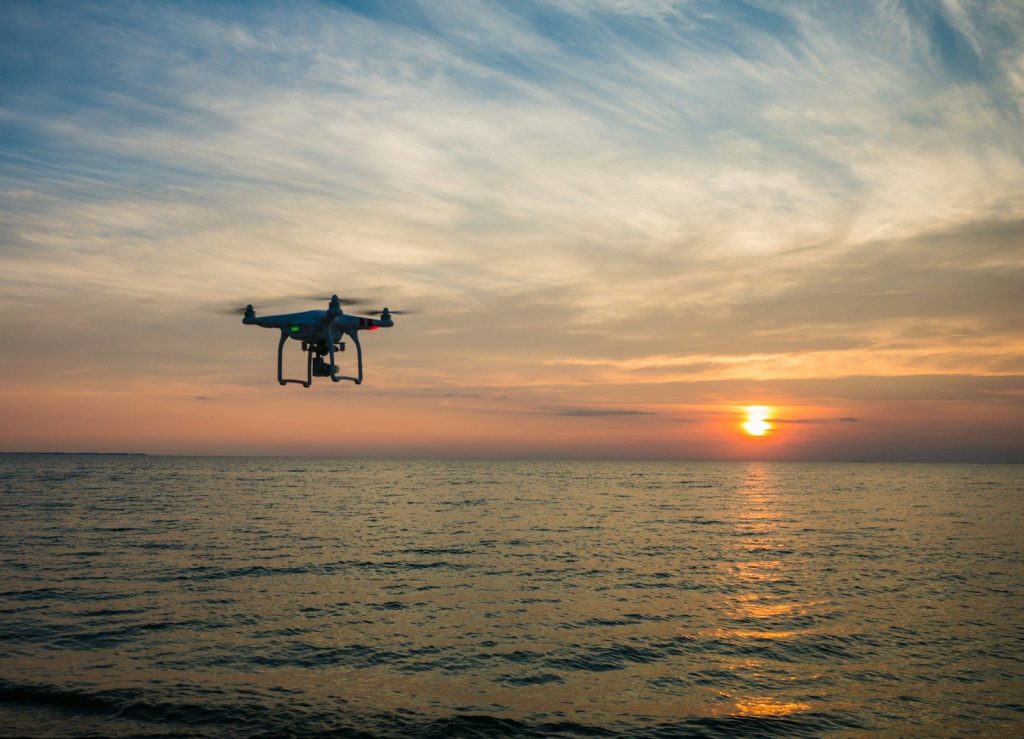
Walking across thin ice can quickly become life-threatening. If rescuers had gone onto the frozen lake too soon, they could have fallen through the ice or pushed the frightened deer farther into open water.
The drone allowed officers to help from a safe distance. It reduced the danger for both people and animals while giving the deer a clear direction toward solid ground.
What this rescue shows about modern technology
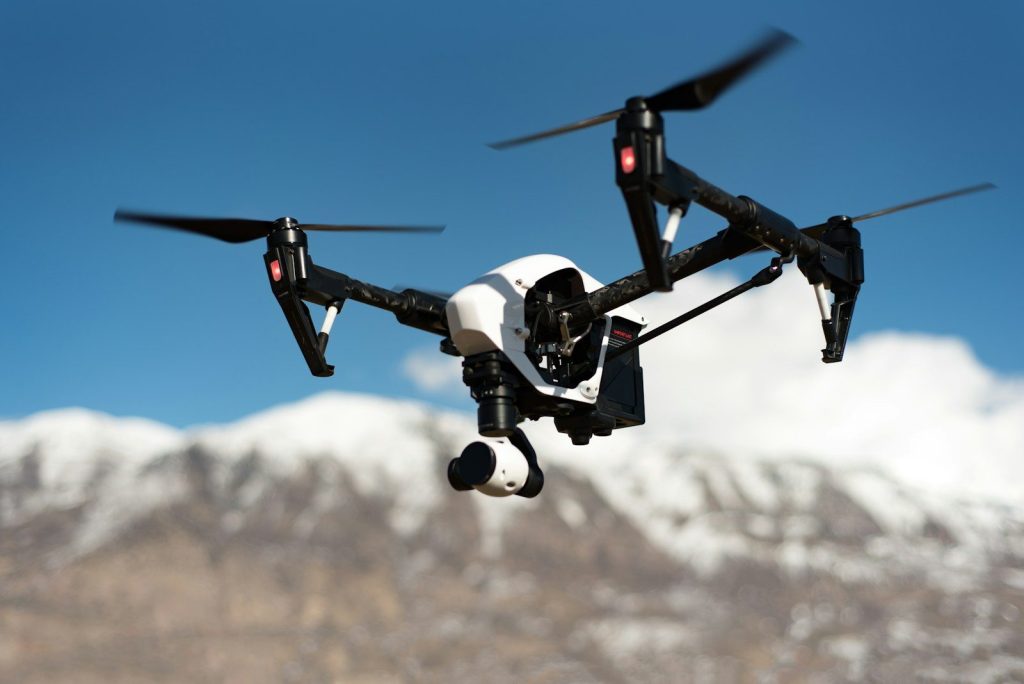
Police drones are often used to find missing people, document crash scenes, and support search-and-rescue missions. This rescue showed they can also play an important role in protecting wildlife during emergencies.
Because drones can fly over dangerous areas without putting people at risk, they have become valuable tools for first responders. In this case, simple drone flights helped solve a problem that would have been much harder with traditional rescue methods.
A reminder to respect wildlife

Wild animals can become trapped by changing weather, thin ice, or other natural dangers. While many people want to help, rescue experts say it is usually safest to contact local authorities instead of attempting a rescue alone.
This successful operation shows what careful planning and teamwork can achieve. By using the right tools and keeping a safe distance, responders gave the deer the best chance to return safely to the wild.
Featured Image: Photo by Diana Parkhouse on Unsplash
Leave a Reply