Have you ever wondered what happens when rescuers hear an animal crying but cannot see where the sound is coming from? The rescuers locate injured animal after hearing cries in tall grass story shows how patience, careful searching, and quick action can save a life. In many wildlife and animal rescue cases, injured animals hide in thick grass because they are scared or unable to move.
This article explains how rescuers locate hidden animals, why they often remain out of sight, the care they receive after being found, and why trained rescue teams play an important role in giving injured animals a second chance.
How rescuers found the animal
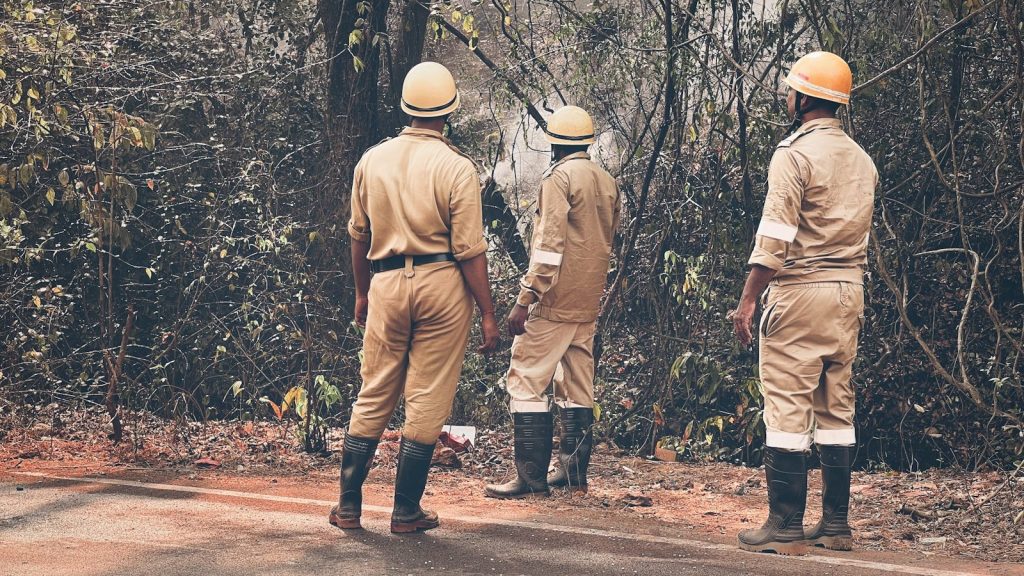
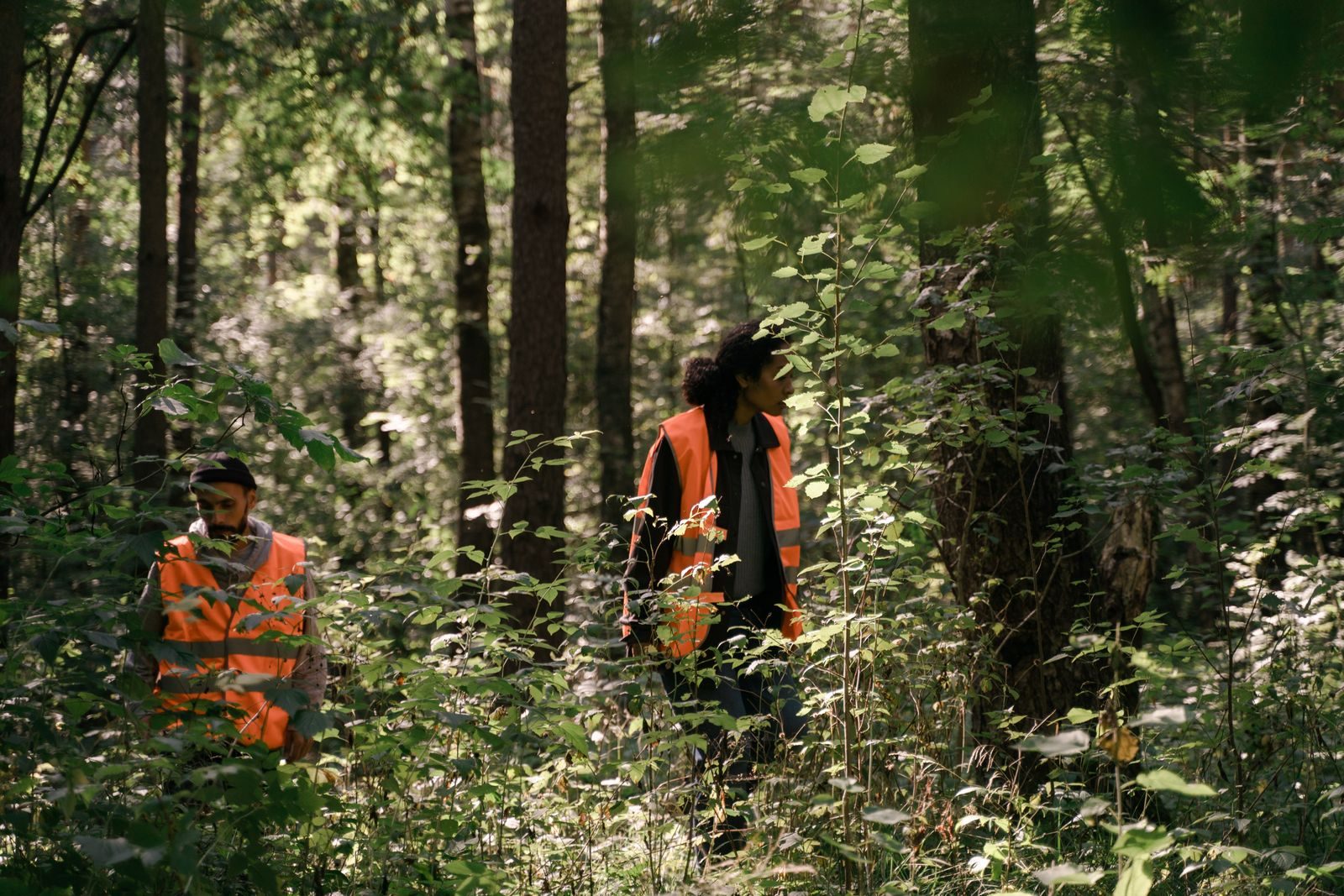
Rescuers responded after hearing repeated cries coming from an area covered with tall grass. Because the vegetation blocked their view, they carefully searched the area instead of rushing in, listening closely to pinpoint where the sounds were coming from.
After moving through the grass, they located an injured animal that was unable to escape on its own. Similar rescues have shown that injured animals often remain hidden in thick vegetation, making careful searches essential.
Why do injured animals hide
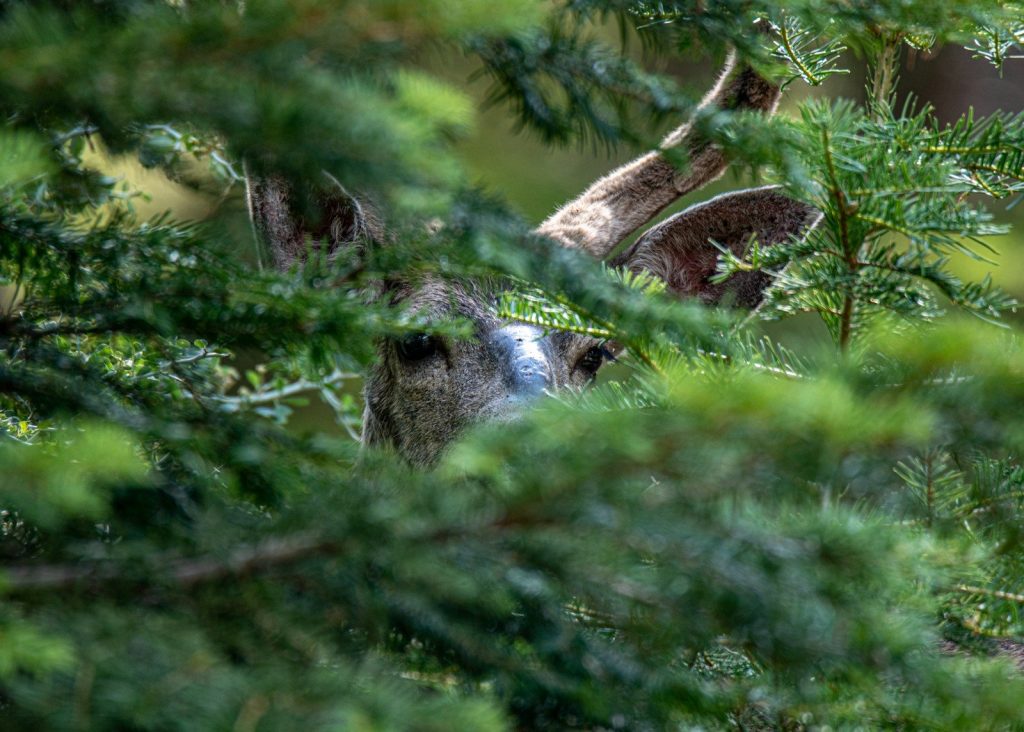
Many wild animals hide after they are hurt because staying out of sight helps protect them from predators. Even when they are in pain, they often remain still instead of trying to run.
Tall grass, bushes, and thick plants provide natural cover. While this behavior can improve survival in the wild, it also makes it much harder for rescuers to find an injured animal quickly.
How rescuers approached safely
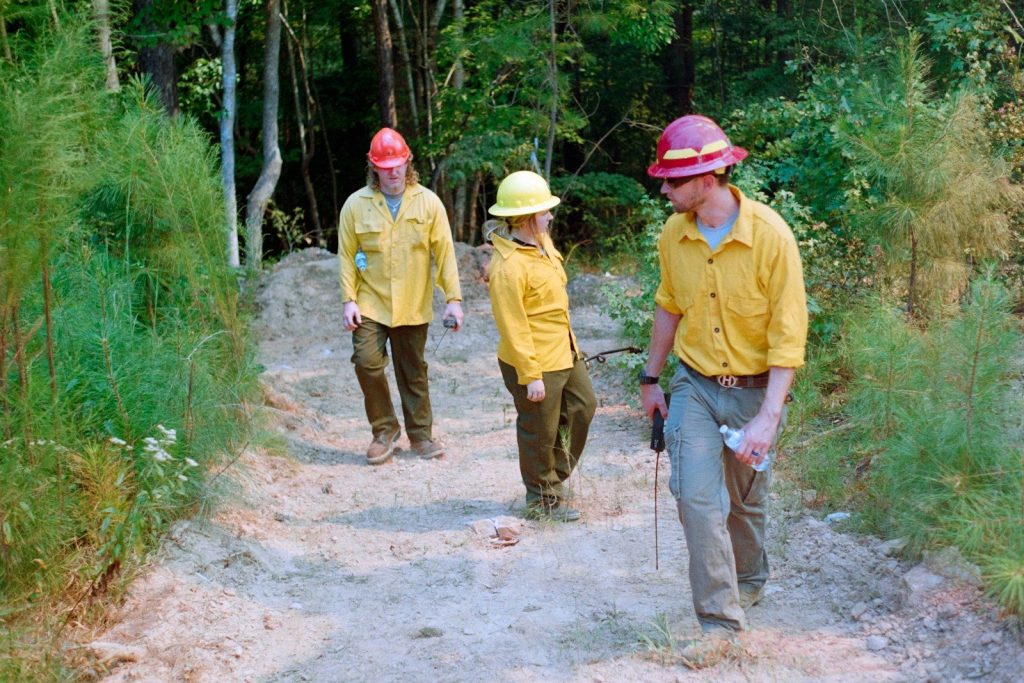
Animal rescue teams avoid making sudden movements or loud noises that could frighten an injured animal. A calm approach helps reduce stress and lowers the chance of making the injury worse.
Once the animal was reached, rescuers checked its condition before moving it. Depending on the injury, they may use towels, blankets, carriers, or other equipment to transport the animal safely.
Why veterinary care is important
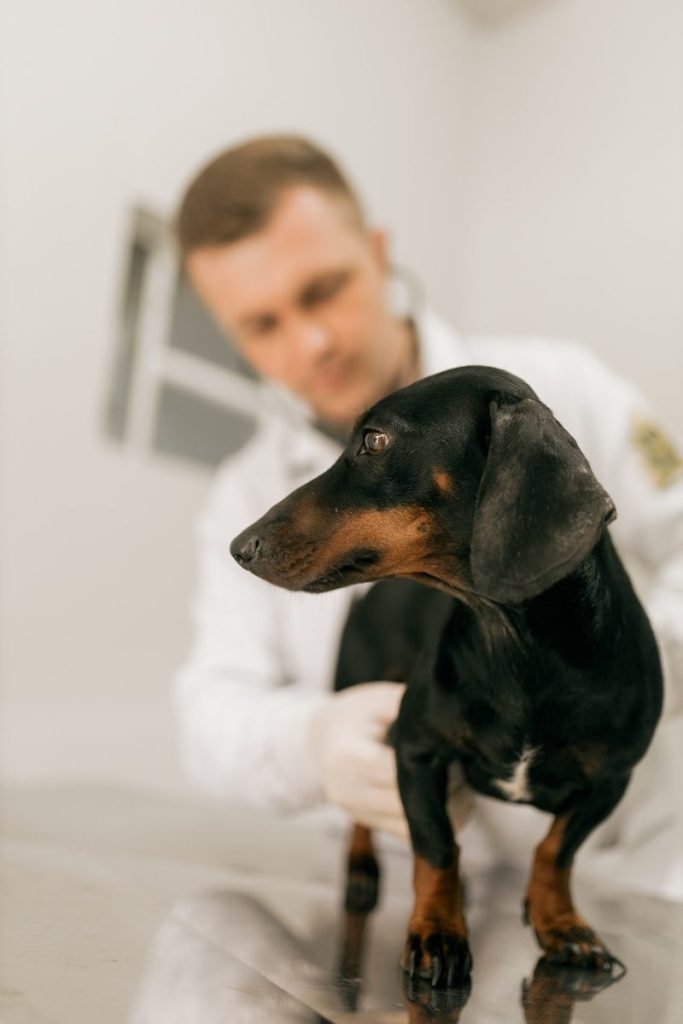
After a rescue, injured animals are usually examined by veterinarians or licensed wildlife rehabilitators. They check for broken bones, cuts, dehydration, or other health problems that may not be visible at first.
Treatment may include cleaning wounds, giving fluids, pain relief when appropriate, and allowing the animal time to recover. The goal is always to return healthy wildlife to its natural habitat whenever possible.
Why quick action matters
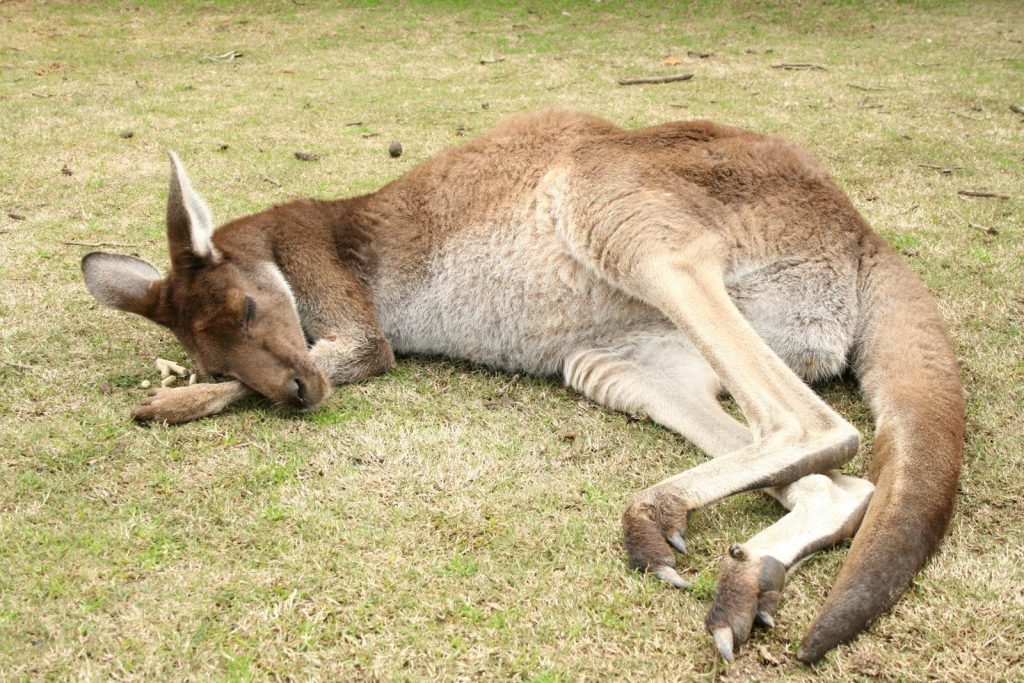
An injured animal left alone for too long may become weaker because it cannot find food or water. Delayed treatment can also increase the risk of infection or make injuries more difficult to heal.
Quick reports from nearby people often help rescuers arrive before conditions become worse. Hearing an animal’s cries can provide the important clue needed to begin a successful search.
What should people do if they find wildlife?

If you hear an injured animal but cannot see it, keep a safe distance and contact local animal control, wildlife officials, or a licensed wildlife rehabilitation center. Trained professionals know how to rescue wildlife safely.
Trying to handle a wild animal without experience can cause more stress or injury to both the animal and the person. Calling experts is usually the safest and most effective choice.
Leave a Reply